









Coloring Pages Of Bowser Overview
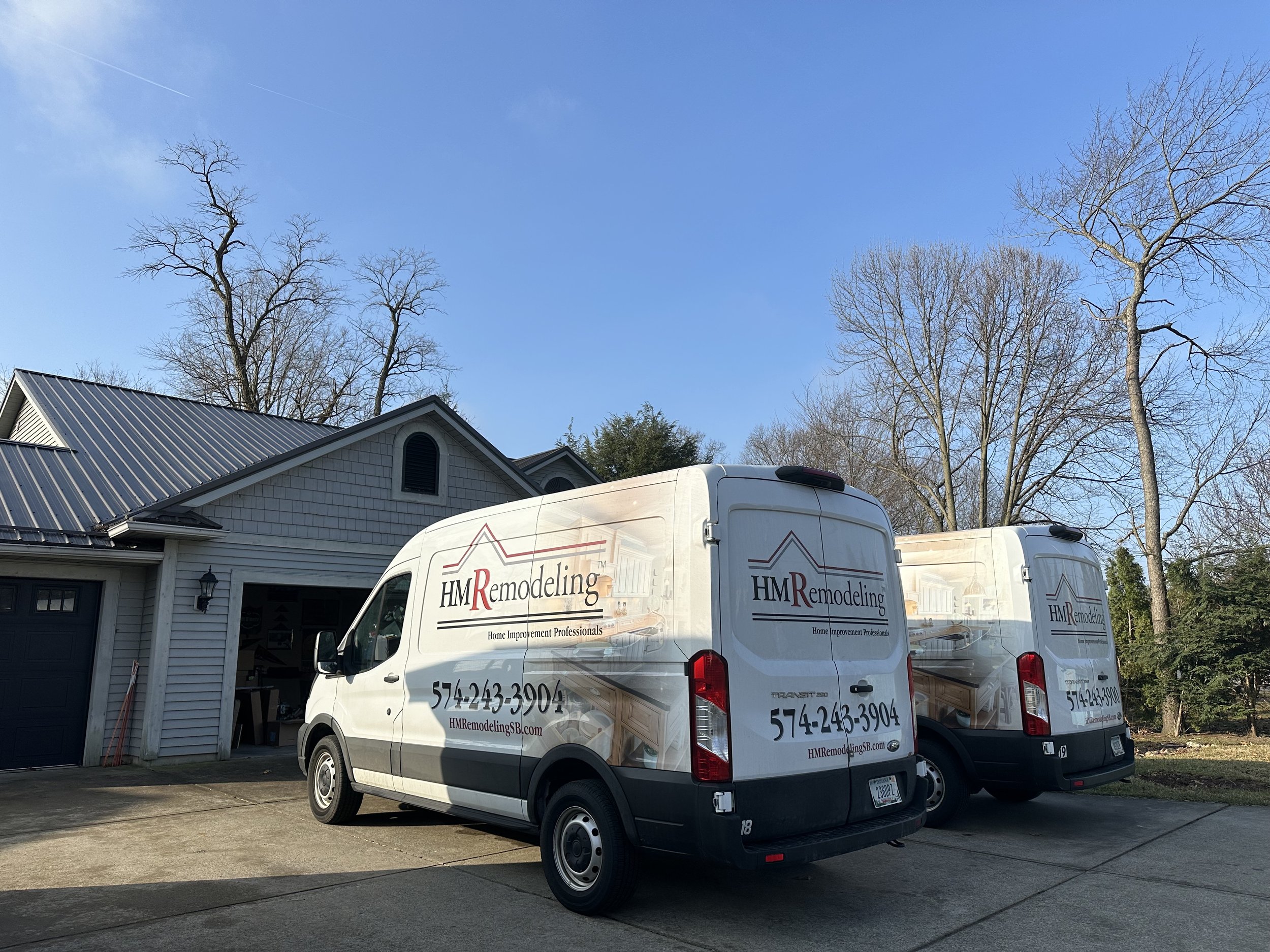
So you're thinking about a remodeling consultation? It's an exciting step, especially if you're looking to update your home and make it your own. I recently went through this process and learned a lot along the way, so I thought I'd share some insights and tips for anyone considering a remodeling project.
Understanding the Consultation
A remodeling consultation is essentially a meeting with a professional contractor or designer to discuss your ideas and plans for a home renovation. It's a chance to get expert advice, understand the process, and get an idea of the costs involved. During the consultation, you'll be able to explain your vision, ask questions, and get a sense of whether the company is a good fit for your project.
What to Expect and How to Prepare
When preparing for a remodeling consultation, it's helpful to have some basic ideas in mind. Think about the scope of your project: Are you looking to renovate a single room, add an extension, or update multiple areas of your home? Having a clear vision will help the contractor understand your needs and provide more accurate estimates.
It's also a good idea to do some research on local remodeling companies. Check out their websites, read reviews, and consider asking friends or family for recommendations. You want to find a company with a good reputation and experience in the type of work you need.
Discussing Costs and Getting Quotes
Cost is a big factor in any remodeling project. During the consultation, you'll likely discuss budgets and get an idea of the overall cost. Remember, the price can vary widely depending on factors like the size of the project, materials used, and the complexity of the work. It's always a good idea to get multiple quotes to compare and ensure you're getting a fair price.
Hiring the Right Contractor
Choosing the right contractor is crucial. During the remodeling consultation, pay attention to how the company operates and communicates. Do they listen to your ideas and concerns? Are they transparent about costs and timelines? Do they have a good track record of completing projects on time and within budget? These are all important factors to consider.
Company Names and Branding
If you're thinking of starting your own remodeling business, choosing a name is an important step. A good name should be memorable, reflect the nature of your work, and stand out in a crowded market. Here are a few ideas to get you started:
- Crafted Spaces
- Renovate & Restore
- Home Evolution
- Build Better
- Modernize Me
- Re-Imagine Design
The Industry and Its Tools
The remodeling industry has its own set of tools and resources. For example, RSMeans is a popular cost database used by contractors and estimators to calculate and compare costs for various projects. It's just one of many resources available to help professionals in the industry provide accurate quotes and manage projects effectively.
Taking the Next Step
After your remodeling consultation, you should have a better idea of the path forward. If you're happy with the company and the quotes, you can move forward with the project. Remember, it's a big decision, so take your time and don't rush into anything. You might also want to check with your local building department to ensure you have all the necessary permits and approvals.
Good luck with your remodeling journey! It's an exciting process, and with the right team, it can be a smooth and rewarding experience.
Related: How to Use the Shrimp Size Chart?
A shrimp size chart is a handy tool for anyone seeking precise information on shrimp measurements. This guide aims to provide a clear understanding of these charts, ensuring you can confidently interpret and utilize them.
The chart offers a quick reference for standard shrimp sizes, which can vary slightly depending on the region and specific shrimp variety. It's a simple yet effective way to ensure you're getting the right size for your needs, whether for cooking, aquaculture, or any other purpose.
Understanding the Shrimp Size Chart
The shrimp size chart is a valuable tool for anyone working with shrimp, whether you're a chef, a seafood enthusiast, or even a scientist studying these fascinating creatures. It provides a clear and concise overview of shrimp sizes, helping you choose the right shrimp for your needs and ensuring accurate measurements.
Comparing Size Categories and Standards
The chart typically categorizes shrimp based on their length, using either metric or imperial units. Common size categories include:
- Extra-large shrimp (15-20 pieces per pound)
- Large shrimp (21-30 pieces per pound)
- Medium shrimp (31-40 pieces per pound)
- Small shrimp (41-60 pieces per pound)
- Extra-small shrimp (61-80 pieces per pound)
These categories are based on the number of shrimp that would fit into a standard pound, giving a rough guide to their size. It's important to note that these categories may vary slightly between different standards and regions.
Using the Shrimp Size Chart: A Step-by-Step Guide
Identify the standard you are working with. Shrimp size charts can vary depending on the region and industry, so ensure you are using the correct chart for your needs.
Determine the size category you require. Consider the recipe or purpose for your shrimp. Are you looking for a specific size for a delicate dish or a larger shrimp for a robust flavor?
Check the chart for the appropriate size category. The chart will give you a range of lengths for each category, helping you select the right size. For example, if you need large shrimp, the chart might indicate a range of 7-8 inches (17-20 cm).
Convert units if necessary. If your recipe or requirements use a different unit of measurement, convert the values using standard conversion factors.
Double-check with specific recipes or guidelines. While the shrimp size chart provides a useful reference, some recipes or culinary traditions may have specific size requirements. Always refer to these guidelines for precise measurements.
Avoiding Common Misreadings and Pitfalls
Shrimp size charts are a guide, and actual sizes can vary slightly. Always allow for a small margin of error, especially when working with fresh shrimp.
Be aware of potential variations due to factors like shrimp species, fishing methods, and even the time of year. These can impact the average size of shrimp.
While the chart provides a useful reference, it's essential to consider the context. For example, if you're working with a specific recipe that calls for a precise size, ensure you understand the implications of using a slightly larger or smaller shrimp.
Remember, the shrimp size chart is a practical tool to help you navigate the world of shrimp sizes, but it's always beneficial to have a basic understanding of the factors that can influence these measurements.
Before you put this guide to use, remember that while this chart provides a handy reference, it's always wise to verify the specific requirements for your particular project or recipe. Exact values can vary, so a quick double-check ensures you get it just right.
Consider bookmarking this page for future reference; it might come in handy more often than you think! With this simple tool, you'll always have a reliable guide at your fingertips.
Related: US General Contractors Reliable Guide
I was chatting with a friend the other day, and the topic of home renovations came up. It got me thinking about top US general contractors and how crucial it is to find the right one for any construction project. So, let's explore what this term means and how it can impact your building or remodeling journey.
Understanding General Contractors
A general contractor is a professional who manages and oversees construction projects, acting as a key point of contact for homeowners and businesses. They handle everything from hiring subcontractors to ensuring the work is completed on time and within budget. These contractors are the backbone of any construction project, big or small.
When you're searching for a top-notch general contractor, it's essential to consider their experience, reputation, and the services they offer. While some specialize in residential projects, others focus on commercial builds or specific trades like plumbing or electrical work. Knowing their expertise is key to finding the right fit for your needs.
Hiring Tips and Considerations
Finding a reputable general contractor is a crucial step in any construction project. Here are some tips to help you make an informed decision:
- Check their licensing and insurance: Ensure they are properly licensed and insured for your state's requirements. This protects you and your investment.
- Ask for references: Speak to past clients to get an idea of the contractor's work quality and professionalism.
- Get multiple quotes: Compare quotes from different contractors to ensure you're getting a fair price and to understand the scope of the project.
- Understand the contract: Read and understand the terms of the contract before signing. It should outline the project details, timeline, and payment schedule.
- Consider their expertise: Look for contractors with experience in your specific project type. Whether it's a home addition or a commercial build, their expertise matters.
Company Names and Branding
Naming your construction business is an important step in building a brand. A good name should be memorable, unique, and reflect your company's values and services. Here are a few creative ideas to inspire you:
- BuildPro: A strong name suggesting professional building services.
- Crafted Spaces: Emphasizes the creation of unique and tailored spaces.
- Renova Construction: Combining renovation and construction, it hints at a full-service offering.
- Skyrise Builders: Evoking a sense of height and ambition, it's perfect for commercial projects.
- Green Build Group: Highlighting eco-friendly practices, this name appeals to environmentally conscious clients.
- Constructive Solutions: Suggesting a problem-solving approach, it's a great choice for a versatile contractor.
Industry Tools and Resources
The construction industry relies on various tools and resources to ensure projects run smoothly and efficiently. One such resource is RSMeans, a comprehensive database providing cost data and estimates for construction projects. It's a valuable tool for contractors and estimators, helping them price projects accurately.
Additionally, the industry uses cost indexes to track and forecast construction costs over time. These indexes consider factors like labor, materials, and market trends, providing valuable insights for budgeting and planning.
Construction Jobs and Opportunities
The construction industry offers a wide range of career paths, from general contractors and estimators to specialized trades like plumbing and electrical work. Job opportunities are abundant, and the industry is known for its skilled workforce.
When searching for construction jobs, online job boards and industry-specific websites are great resources. Additionally, networking and building relationships within the industry can lead to valuable connections and opportunities.
Wrapping Up
Exploring top US general contractors has given us a glimpse into the world of construction and the vital role these professionals play. From hiring tips to industry insights, I hope this guide has provided some valuable knowledge. Remember, when it comes to construction projects, taking the time to find the right general contractor is an essential step towards a successful and stress-free experience.