







Coloring Pages Of Jesus Overview
I'm thinking about doing some home renovations, and the other day I stumbled across the term "stadium builders license." It got me curious: what's the deal with that? So, I did some digging and here's what I found out.
Decoding the Stadium Builders License
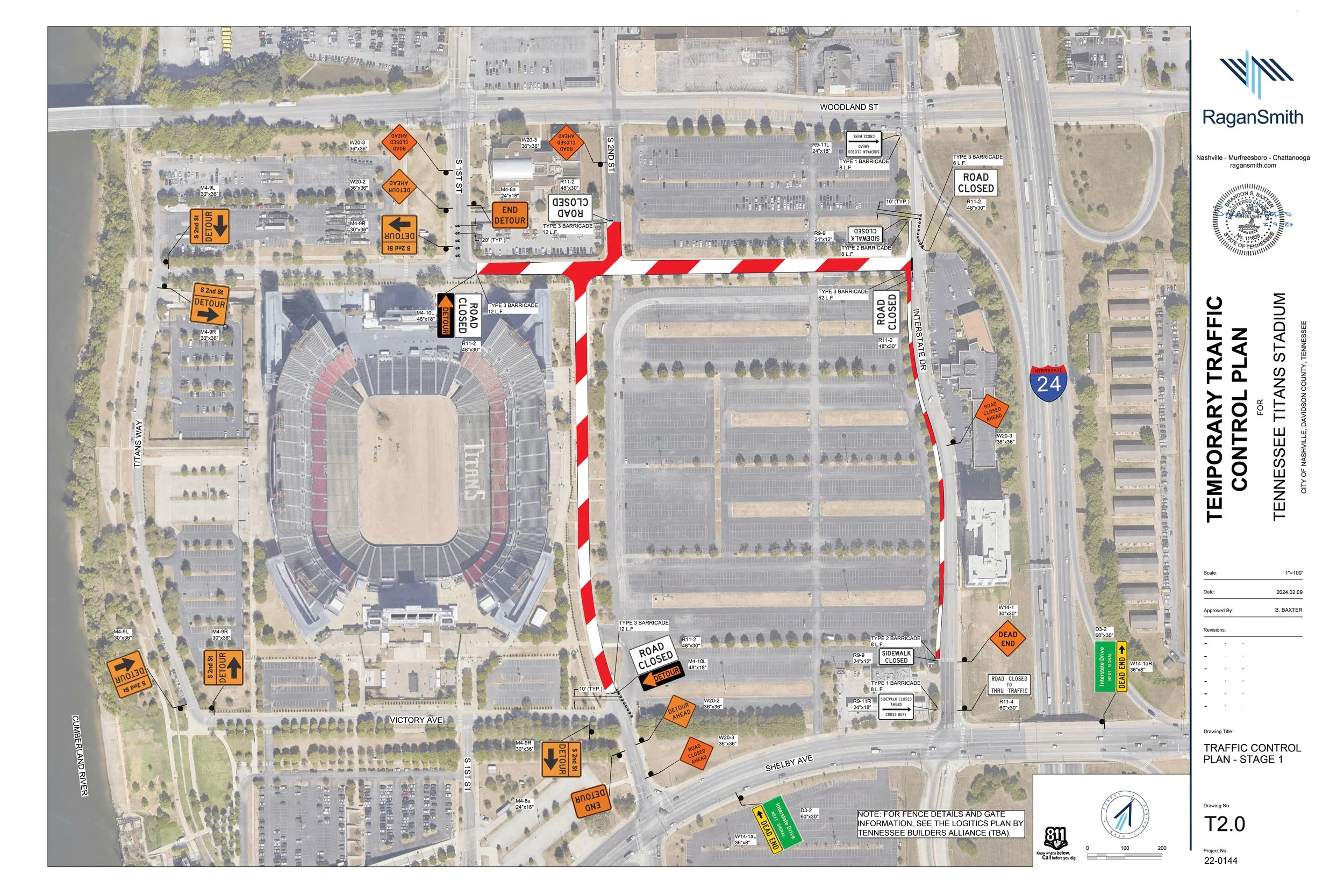
The stadium builders license is essentially a permit or authorization required for major construction projects, like building a stadium or a large-scale commercial structure. It's a crucial step to ensure the project complies with local regulations and safety standards. Think of it as a green light from the authorities to proceed with your build.
The process involves submitting detailed plans, getting them approved, and often paying a fee. It's a necessary step to avoid legal issues and ensure your project goes smoothly. You'll need to work with professionals who understand the local requirements and can guide you through the process.
Finding the Right Contractors
When it comes to getting your stadium builders license, you'll want to hire experienced contractors or construction companies. Look for firms with a proven track record in similar projects. Check their past work, ask for references, and ensure they're licensed and insured.
Interview potential contractors and ask about their experience with stadium builders license applications. A good contractor will guide you through the process, help with the paperwork, and ensure your project meets all the necessary criteria.
Naming Your Construction Business
If you're in the construction business or thinking of starting one, choosing a name is a big deal. It's your brand, your identity. A good name should be memorable, unique, and reflect your business values and services.
Here are a few name ideas to get you started:
- BuildMaster Construction
- Skyrise Builders
- Solid Foundations
- Renova Home Remodeling
- Constructive Solutions
Remember to check name availability and secure your domain and local registration before committing to a name.
The World of Construction Jobs
The construction industry offers a wide range of roles, from general contractors and estimators to project managers and specialized tradespeople. If you're looking for a job in this field, you'll find opportunities across the board.
Construction jobs often involve a mix of office and on-site work. You might start by checking job boards, local newspapers, or reaching out to construction companies directly. Don't forget to network and attend industry events to stay connected and informed about job openings.
Tools of the Trade: RSMeans and More
RSMeans is a popular resource in the construction industry. It's a comprehensive cost database that provides accurate estimates for various construction projects. From labor and materials to equipment and escalation costs, RSMeans covers it all.
Estimators and contractors use tools like RSMeans to create precise budgets and bids. It helps ensure projects stay on track financially and provides a valuable reference for the entire construction process.
Big Construction Companies: How They Differ
Large construction companies often have a broader scope and take on more complex projects. They have the resources and expertise to handle large-scale builds and can manage multiple projects simultaneously.
These companies typically have specialized departments for different aspects of construction, from design and engineering to project management and safety. They also have the financial backing to invest in the latest technology and equipment.
Wrapping Up
So, there you have it—a quick guide to the stadium builders license and some related topics. Whether you're renovating your home, starting a construction business, or looking for a job in the industry, understanding these basics is a great starting point.
Remember, when it comes to construction, it's always a good idea to do your research, ask questions, and work with professionals who know their stuff.
Related: How to use a chain size chart?
You're probably here because you need a quick solution, and who can blame you? When it comes to chain size chart, having the right information at your fingertips is key. This chart is your go-to resource, offering a simple and visual way to find the right chain dimensions. It's a handy tool that saves you time and effort, especially when you need to make quick decisions. While the values may vary depending on various factors, this chain size chart is a reliable starting point.
What is a Chain Size Chart?
A chain size chart is a handy reference tool that simplifies the process of identifying and selecting the right chain size for various applications. It serves as a visual guide, providing a clear overview of different chain dimensions and their corresponding specifications.
Key Details and Categories
The chart typically includes columns for chain type, pitch, width, and length. Each category is crucial for understanding the chain's dimensions and ensuring compatibility with your specific needs. The pitch refers to the distance between the chain's pins or rollers, and it is a fundamental measurement. Chain width and length are also essential factors, especially when dealing with bike chains or industrial applications.
How to Read and Apply the Chain Size Chart
To use the chain size chart effectively, follow these steps:
Identify the type of chain you need. This could be a bike chain, conveyor chain, or a specific industrial chain. Different applications require unique chain designs and sizes.
Determine the pitch of your chain. This measurement is critical and often dictates the compatibility of your chain with other components, such as sprockets or gears.
Next, consider the chain width. This dimension ensures proper fit and function, especially when the chain interacts with guide plates or other machinery.
Finally, assess the required chain length. This step is crucial for applications like bicycles, where the chain's length directly impacts the gear ratios and overall performance.
Variations and Differences
It's important to note that chain size charts can vary depending on the standard being used. Common standards include the Imperial system (often used in the US) and the metric system (used internationally). These standards may have slightly different measurements and categories, so it's essential to refer to the appropriate chart for your region or application. Additionally, some charts may provide conversions between metric and Imperial units for convenience.
Common Mistakes and How to Avoid Them
One common mistake is assuming that all chains of the same type are universally compatible. While many chains share similar dimensions, subtle differences in pitch, width, or length can render them incompatible. Always double-check the specific measurements and tolerances provided by the manufacturer or standard to ensure accurate selection.
Practical Tips for Accurate Results
When using a chain size chart, consider these tips:
Always refer to the most recent and relevant standard for your region or application. Standards may evolve, so staying updated is crucial.
Pay attention to the units used in the chart. Some charts may mix metric and Imperial units, so ensure you understand the conversions if needed.
When measuring chains, use accurate tools like a caliper or a tape measure. Precision is key to selecting the right chain size.
If you're unsure about a specific chain dimension, consult with experts or refer to detailed specifications provided by manufacturers.
Keep in mind that some chains, especially those for industrial applications, may have unique features or variations. Always consider these when selecting a chain.
Hey there! We've covered a lot of ground with this chain size chart guide, and I hope it's given you a clear understanding of the basics. Remember, while the fundamentals remain the same, exact details can vary slightly depending on the context and the standards you're working with.
Feel free to explore our other guides for more practical insights and tips. We've got a whole range of topics to help you tackle various projects and tasks. Happy reading, and stay tuned for more!
Related: RSMeans Construction Data Essential Guide
RS Means construction data is something I recently stumbled across while planning a home renovation project. It's a term that might not be familiar to everyone, but it's an essential tool for anyone in the construction industry or considering a building project. So, let's break it down and see why it's worth knowing about.
Unraveling the Mystery: What's RS Means All About?
RS Means construction data is a comprehensive resource for anyone involved in construction, from contractors to builders and even homeowners. It's like a secret weapon for those in the know, providing valuable insights and accurate information. This data covers a wide range of topics, including material and labor costs, project timelines, and industry trends. It's a go-to source for anyone wanting to stay informed and make smart decisions.
One of the key benefits of RS Means construction data is its ability to provide accurate cost estimates. Whether you're planning a small renovation or a large-scale construction project, having access to reliable cost data is crucial. It helps you budget effectively and compare quotes from different contractors. You'll know if a price seems fair or if there might be hidden costs.
Hiring the Right Team: A Contractor's Guide
When it comes to hiring contractors, RS Means construction data can be a game-changer. It empowers you to ask the right questions and make informed decisions. Before hiring, check their experience and ask for references. A good contractor should be able to provide a detailed quote, breaking down costs and explaining their process.
Naming Your Construction Business: A Creative Venture
If you're starting a construction business, choosing a name is an exciting step. A unique and memorable name can set you apart. Consider something that reflects your services or location. For example, "Build-It-Right Construction" or "Skyline Builders". It's important to check name availability and secure your domain and local business registration.
Exploring Construction Careers: More Than Meets the Eye
The construction industry offers a variety of roles beyond contractors. From estimators to project managers, there are diverse career paths. Estimators, for instance, use tools like RS Means to provide accurate cost estimates. They research and analyze data, ensuring projects stay on budget. These roles are in demand and offer great opportunities for growth.
A Bird's Eye View: The Industry's Big Picture
On a larger scale, RS Means construction data provides valuable insights into the industry as a whole. It helps track trends, understand market shifts, and forecast future costs. This data is essential for big construction firms planning large-scale projects. It allows them to make strategic decisions and stay competitive.
Keeping Up with the Times: Cost Indexes and Escalation
RS Means also offers cost indexes, which track and predict cost changes over time. These indexes are crucial for long-term projects, helping to account for inflation and other economic factors. The concept of escalation is key here, ensuring that budgets and estimates remain relevant as projects progress.
A Word of Advice: Check Local Rules
When it comes to construction, local rules and regulations can vary. It's always a good idea to check with your local building department for specific requirements. They can provide guidance on permits, zoning, and any unique considerations for your area.
In conclusion, RS Means construction data is a powerful tool for anyone involved in construction. It provides valuable insights, helps make informed decisions, and ensures projects stay on track. Whether you're a homeowner, contractor, or industry professional, it's worth exploring the benefits of this comprehensive resource.