




Coloring Pages Of Kittens Overview
I'm thinking about giving my Houston home a makeover. You know, a fresh coat of paint, maybe some new fixtures, and a general spruce-up. It's got me wondering about Houston contracting company options and what I should look for.
All About Houston Contracting Companies
When you're ready to transform your Houston home, you'll want to find a reliable contracting company to bring your vision to life. These companies offer a range of services, from construction and remodeling to home additions and renovations. They're the experts who can guide you through the process, ensuring your project is completed safely and efficiently.
The key to a successful project is finding the right contractor. You'll want to consider their experience, reputation, and the services they offer. Check online reviews and ask for references to ensure they've delivered quality work in the past. It's also crucial to get multiple quotes to compare pricing and ensure you're getting a fair deal.
What to Expect and How to Prepare
Houston contracting companies will typically provide an estimate based on the scope of your project. This estimate will cover the cost of materials, labor, and any necessary permits. Keep in mind that prices can vary depending on the complexity of the work, the materials you choose, and the current market rates for labor.
Before hiring a contractor, ask for a detailed breakdown of the costs. This should include a timeline for the project, any potential extra charges, and a warranty or guarantee for their work. It's a good idea to get a few quotes to compare and ensure you're getting a competitive price.
Naming and Branding
Naming a construction business can be fun! It should be catchy, memorable, and reflect the services you offer. Some Houston-based companies have creative names like "Houston Home Renovations," "Build-It-Right Contractors," or "Texas Transformations." These names are unique and give a clear idea of what the company does.
When choosing a name, make sure it's available for registration and that the domain name is free. You don't want any legal issues or confusion with an existing business.
Jobs and Opportunities
The construction industry offers a variety of roles, from general contractors and project managers to estimators and skilled laborers. These jobs often require specific skills and qualifications, so it's a good idea to check with industry bodies or local colleges for training and certification programs.
When looking for construction jobs, online job boards and industry-specific websites are great resources. You can also check with local contracting companies directly to see if they're hiring.
Industry Tools and Data
The construction industry uses various tools and resources to estimate costs and plan projects. One popular tool is RSMeans, which provides comprehensive cost data for construction projects. This data helps contractors and estimators create accurate quotes and manage project budgets.
While tools like RSMeans are valuable, they're just one part of the process. Contractors also need to consider local market conditions, labor rates, and the specific requirements of each project.
Large vs. Small Companies
Houston, like many cities, has a mix of large and small contracting companies. Large firms often have more resources and can take on bigger, more complex projects. They may also have specialized departments for different aspects of construction, like design or engineering.
Smaller companies, on the other hand, can offer a more personalized service. They're often more flexible and can provide a closer working relationship with the client. Both have their advantages, so it's a matter of finding the right fit for your project.
Final Thoughts
Finding the right Houston contracting company for your project is an important decision. Take your time, do your research, and don't be afraid to ask questions. With the right contractor, you can turn your Houston home into the space of your dreams.
Related: What is a blank 100s chart?
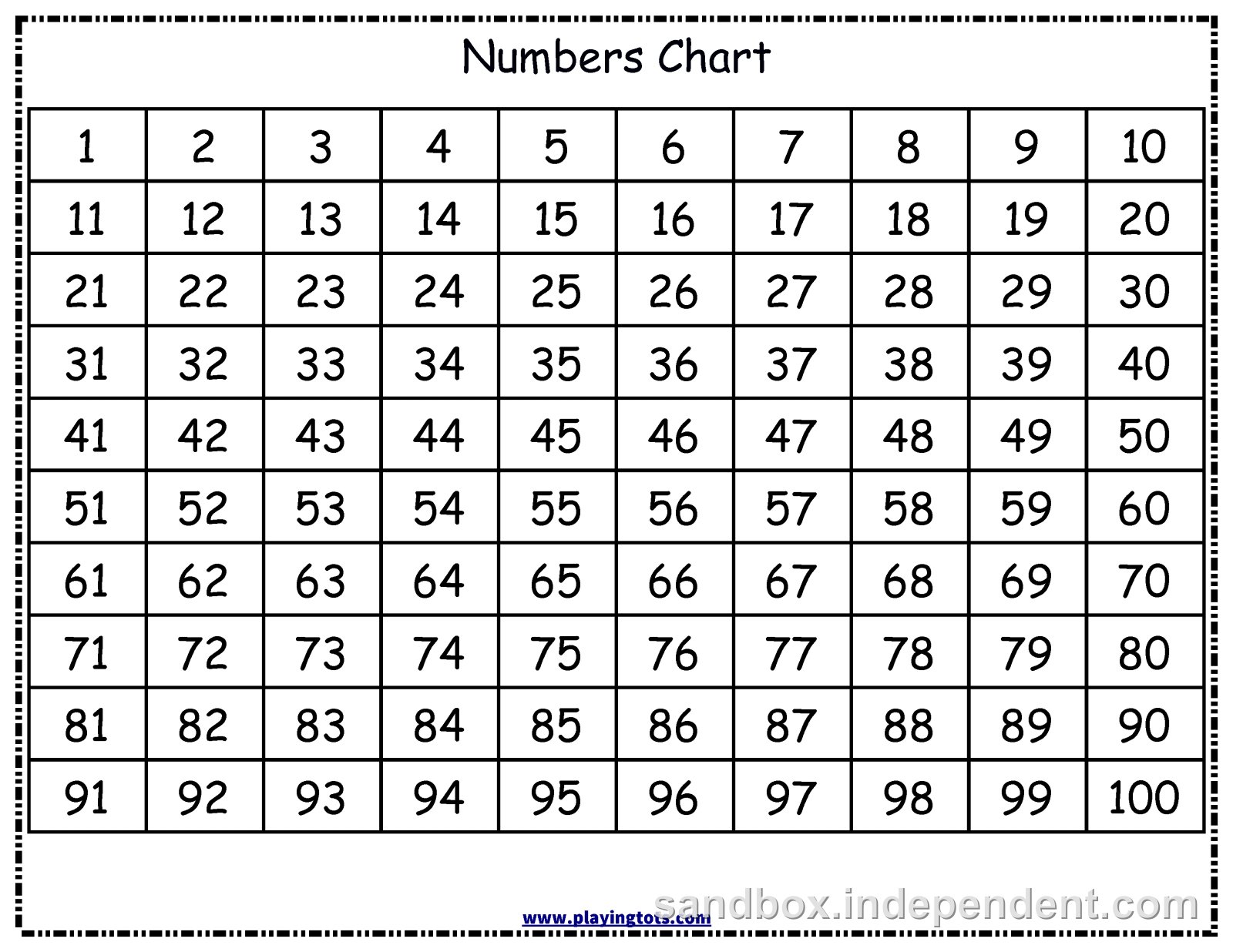
A blank 100s chart is a simple yet powerful tool, a versatile blank canvas for exploring numbers and their relationships. This guide will show you how to make the most of this chart, a handy reference and educational resource.
It's a flexible format, with potential variations, but the basic concept is a grid of 100 squares, each containing a number, providing a visual representation of numbers 1 to 100. With this chart, you can easily identify patterns, practice counting, and even introduce more complex mathematical concepts.
The Blank 100s Chart: A Quick Overview
The blank 100s chart is a simple yet powerful tool, often used in education and mathematics. It's a grid-like diagram with 100 boxes, arranged in rows and columns, typically with numbers from 1 to 100. This chart is a visual representation of numbers, helping us understand patterns, counting, and basic mathematical operations. It's a great educational resource, especially for young learners, to grasp the concept of numbers and their relationships.
Comparing Chart Formats and Standards
There are a few variations of the blank 100s chart, but the most common ones follow a standard format. The chart usually has 10 rows and 10 columns, with numbers increasing by 1 in a sequential order. However, some charts might have a different layout, especially when used for specific purposes or in different regions. For instance, you might find charts with numbers in a spiral pattern or with a focus on a particular number range. It's essential to understand the chart's layout and its purpose to use it effectively.
Step-by-Step Guide: Using the Blank 100s Chart
Using the blank 100s chart is straightforward, but it's crucial to follow a systematic approach:
- Identify the chart's layout: Check if the numbers are arranged sequentially or in a specific pattern. This step ensures you understand the chart's organization.
- Locate the numbers: Find the number you're looking for or start counting from a specific number. This step is crucial for understanding number sequences and patterns.
- Observe the relationships: The chart's beauty lies in its ability to showcase number relationships. You can easily identify patterns, such as even and odd numbers, or understand place values.
- Practice counting: Use the chart to practice counting skills. Start from any number and count forward or backward. This exercise helps improve number sense and fluency.
- Explore mathematical operations: The chart is an excellent tool for basic operations like addition and subtraction. You can visually represent and solve simple equations, enhancing your mathematical understanding.
Common Misreadings and How to Avoid Them
Misreading a blank 100s chart is easy, especially for beginners. Here are some common pitfalls and how to fix them:
- Reading numbers in the wrong order: Always start from the top left corner and read numbers sequentially. Avoid jumping to conclusions based on number patterns.
- Confusing even and odd numbers: Even numbers are always divisible by 2, and they appear in a specific pattern on the chart. Ensure you understand this pattern to avoid confusion.
- Misinterpreting place values: The chart can help understand place values, but it's essential to grasp the concept first. Start with basic place value charts to build a solid foundation.
Factors Affecting Accuracy and Real-World Use
Several factors can impact the accuracy and effectiveness of the blank 100s chart:
- Standard vs. Custom Charts: Standard charts follow a universal format, making them reliable. Custom charts, however, might have variations, so double-check the layout and numbers.
- Region and Measurement Systems: Depending on your region, the chart might use different measurement systems. Ensure you're using the right chart for your specific needs.
- Purpose and Context: The chart's purpose can vary. For example, a chart used for teaching place values might have a different layout than one used for basic counting.
Choosing the Right Format for Your Needs
When selecting a blank 100s chart, consider your specific requirements:
- Educational Level: Choose a chart suitable for your students' or children's learning level. Simple charts are great for beginners, while advanced learners might benefit from more complex layouts.
- Purpose: Determine the chart's primary use. Is it for basic counting, understanding patterns, or teaching mathematical concepts? Select a chart that aligns with your goal.
- Region and Standards: Ensure the chart follows the correct standards and measurement systems for your region. This step ensures accuracy and avoids confusion.
The blank 100s chart is a versatile tool, offering a visual representation of numbers and their relationships. By understanding its layout, purpose, and potential variations, you can use it effectively for teaching, learning, and practicing mathematical skills. Remember, the key is to explore and experiment with different charts to find the one that best suits your needs!
Hey there! I hope this guide has given you a clear understanding of the blank 100s chart and its practical applications. Remember, while we've covered the basics, the specifics might differ slightly based on your unique situation.
Don't hesitate to explore our other guides for more detailed insights. And when you next need a quick reference, just bookmark this page for easy access! It's a simple way to keep your options organized and at your fingertips.
Related: Find the Perfect Fit: Violin Size Chart Guide
You're likely here because you need a quick solution, and that's exactly what the violin size chart offers. It's a simple yet effective tool, providing an at-a-glance guide to violin sizing. Whether you're a parent seeking the right violin for your child or a musician looking for a new instrument, this chart is your reliable companion.
While it may seem straightforward, there are a few things to note. Sizing can vary slightly depending on the brand and region, so it's always good to cross-reference. The chart includes standard violin dimensions, but it's always wise to check specific violin measurements too.
Understanding Violin Size Charts
Violin size charts are your guide to choosing the perfect-sized violin, especially for beginners and kids. These charts provide a clear, visual reference to help you match your body size to the ideal violin dimensions. It's an essential tool to ensure comfort, playability, and a positive learning experience.
Key Details and Categories
A violin size chart typically includes two main categories: body length and violin size. Body length refers to the measurement from your neck to the palm of your hand when your arm is extended. This measurement helps determine the appropriate violin size. Violin sizes are usually given as fractions, such as 1/8, 1/4, 1/2, and so on, indicating the instrument's overall length. These fractional sizes are especially useful for children, as they grow and progress in their violin journey.
How to Read and Apply the Chart
Using a violin size chart is straightforward. First, measure your body length as described earlier. Then, locate your measurement on the chart's body length scale. The chart will guide you to the corresponding violin size, ensuring a comfortable fit. For example, if your body length measurement falls within the range for a 1/4 violin, that's the size you should choose. It's as simple as that!
- Measure your body length.
- Find your measurement on the chart.
- Follow the chart's guidance to the recommended violin size.
- Select the violin with the indicated size.
Variations and Differences
While violin size charts provide a great starting point, it's important to note that individual preferences and playing styles can influence the ideal violin size. Some players may prefer a slightly larger or smaller violin for comfort or sound reasons. Additionally, the type of music played and the player's physical attributes can also impact the choice. It's always a good idea to consult with a violin teacher or specialist to fine-tune your selection.
Common Mistakes and How to Avoid Them
One common mistake is relying solely on age to determine violin size. While age can be a rough guide, it's not an accurate indicator of body size or playing ability. Always measure your body length and use the violin size chart as the primary reference. Another mistake is assuming all charts are the same. Different charts may use varying units or have slight differences in recommendations. Always double-check the chart's units and compare it to a trusted source or expert advice. Lastly, don't rush the process. Taking the time to choose the right violin size will ensure a comfortable and enjoyable playing experience.
Hey there! I hope this violin size chart has been helpful and easy to understand. Remember, while we've covered the basics, exact details can differ slightly, so always double-check your sources.
This guide is a handy reference, but we've got plenty more where that came from! Feel free to explore our other practical guides; we've got something for everyone. And when you need a quick reminder, just bookmark this page for future use. Happy violin adventures!