



Coloring Pages The Avengers Overview
You're probably familiar with the DND modifier chart, a handy tool that simplifies the game's mechanics. It's a quick reference guide, a cheat sheet of sorts, to keep your game flowing smoothly. Whether you're a seasoned DM or a new player, having this chart at your fingertips ensures you can apply the right modifiers and bonuses without slowing down the action. While the values might vary slightly depending on your edition or house rules, the DND modifier chart is a universal aid that every DND enthusiast should have.
Understanding the Chart: A Quick Overview
The dnd modifier chart is a handy reference tool for players and Dungeon Masters alike. It simplifies the process of applying modifiers to ability checks, attack rolls, and saving throws in Dungeons & Dragons (D&D). This chart provides a quick visual guide to the standard modifier values, making it easier to keep track of bonuses and penalties during gameplay.
Comparing Modifier Sources and Values
The dnd modifier chart typically presents modifiers for ability scores, skills, and various game mechanics. Ability scores like Strength, Dexterity, and Intelligence each have their own modifiers, which can be positive or negative. These modifiers are derived from the character's ability score and can be further influenced by class features, racial traits, and equipment. Skill modifiers, on the other hand, are determined by the character's proficiency bonus and their chosen skill proficiency.
Using the Modifier Chart: A Step-by-Step Guide
- Identify the Modifier Source: Determine what aspect of your character or situation is being modified. Is it an ability score check, a skill check, or an attack roll? The source of the modifier will dictate which column or section of the chart you should refer to.
- Find the Relevant Modifier: Look up the appropriate modifier based on your character's ability score or skill proficiency. For example, if you're making a Strength check, find your character's Strength modifier on the chart.
- Apply the Modifier: Once you have the modifier, simply add or subtract it from the roll. Positive modifiers improve your chances of success, while negative modifiers make it more challenging.
- Consider Additional Modifiers: Remember that certain game elements, like spells or class abilities, can provide further modifiers. These should be applied in addition to the base modifier from the chart.
Common Misreadings and Pitfalls
One common mistake is misinterpreting the dnd modifier chart as a comprehensive guide for all modifiers. While it covers a wide range of standard modifiers, it might not include every possible scenario. It's essential to consult the D&D rulebook or your Dungeon Master for specific cases. Additionally, be mindful of the context in which modifiers are applied. For instance, a modifier for an ability check might not apply to a skill check, so always check the game's rules for clarity. Lastly, remember that the chart provides a quick reference, but it's always a good idea to double-check your calculations to ensure accuracy.
Using a modifier chart is a great way to keep your D&D game organized and ensure everyone is on the same page. Remember, these charts are a handy tool, but the exact values might differ slightly based on your chosen standard or reference.
So, take a moment to double-check your specific needs and ensure the chart you're using aligns with your game's rules. And don't forget to explore other helpful guides and resources on our site to enhance your D&D experience even further!
Related: Need the Torrid Size Chart? A Quick Guide?
Frustrated by the lack of clarity in size guides? You're not alone! Many of us have been there, staring at a Torrid size chart, wondering if the numbers align with our bodies. It's a common struggle, especially when shopping for plus-size clothing. But fear not! Understanding these charts is easier than you think.
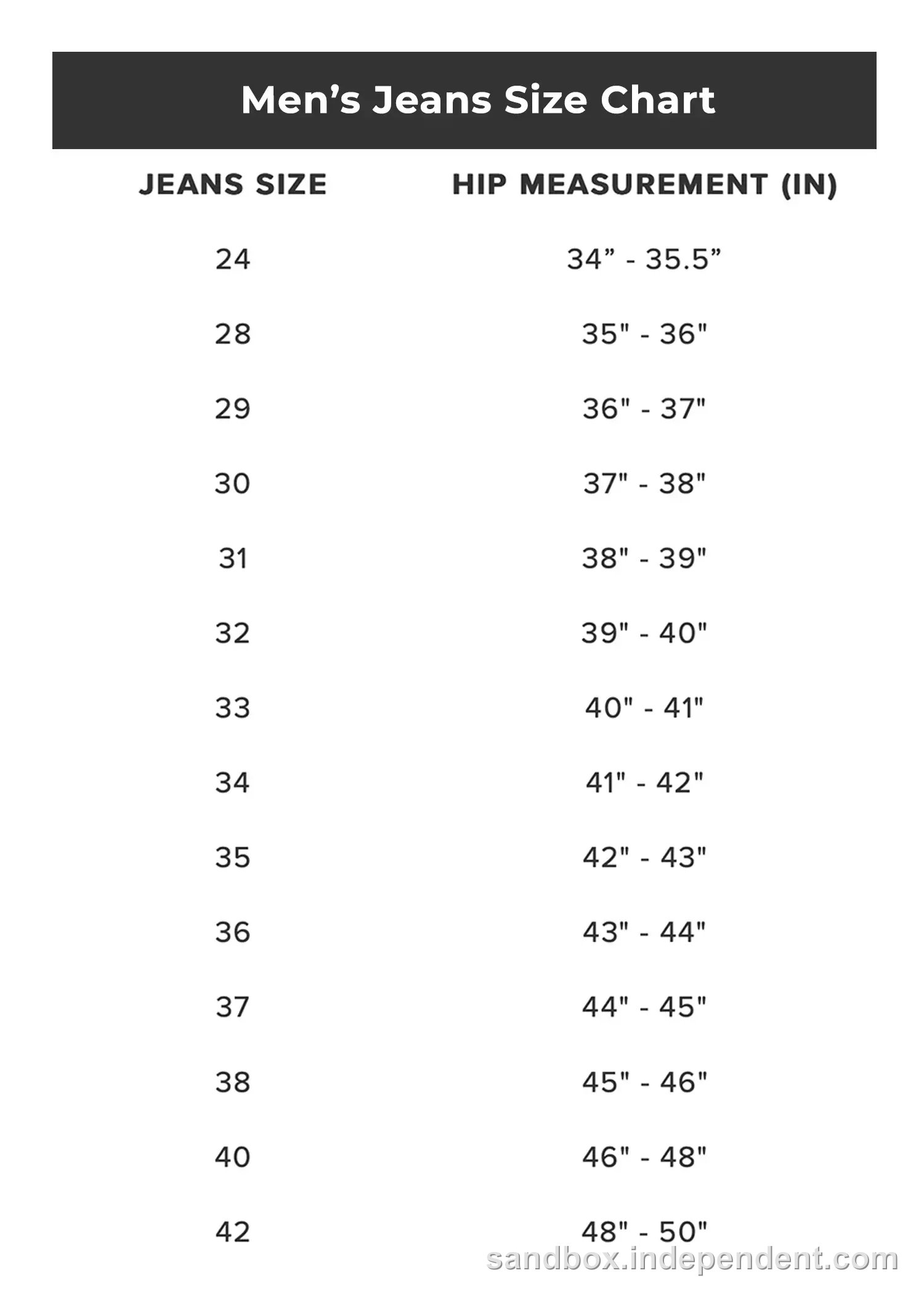
The Torrid size guide, for instance, offers a simple solution. It provides a clear breakdown of measurements, ensuring you find the perfect fit. Whether you're after a Torrid dress size chart or a Torrid jeans size chart, the key is to take your time and measure accurately.
Understanding the Torrid Size Chart
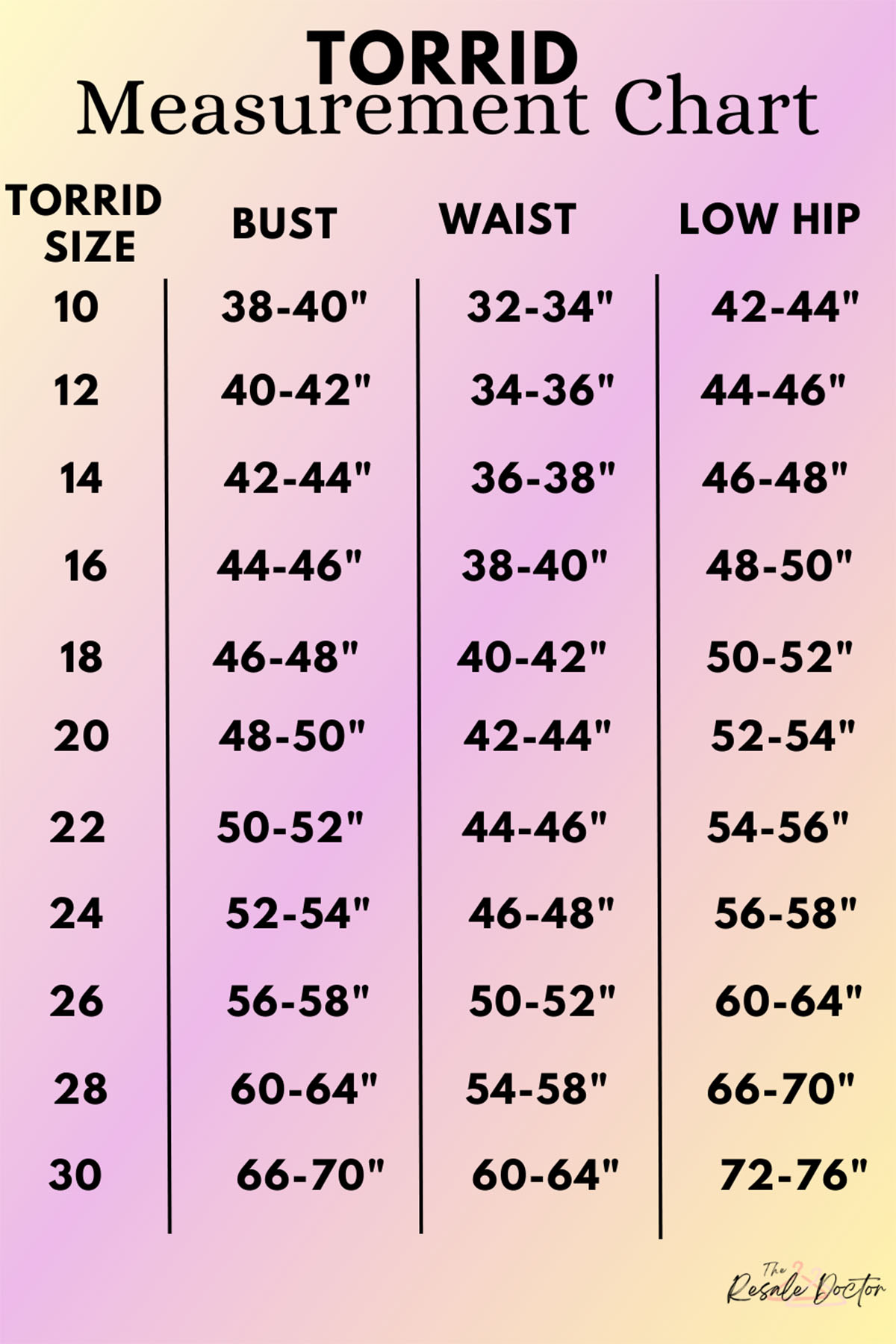
The torrid size chart is your go-to guide for finding the perfect fit in Torrid clothing. It's a simple yet effective tool that helps you navigate their range of sizes and styles, ensuring you get a comfortable and flattering look every time.
Key Details and Categories
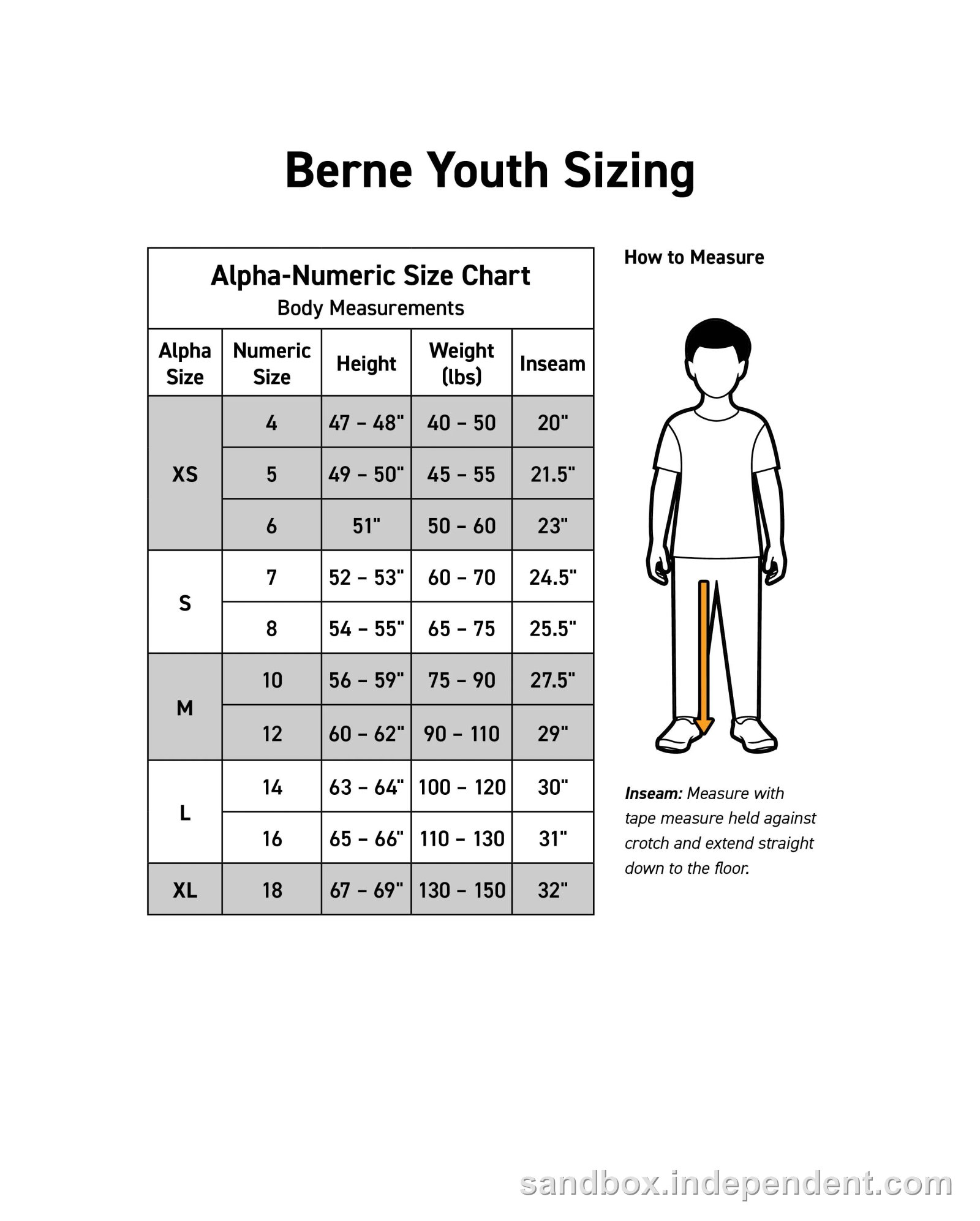
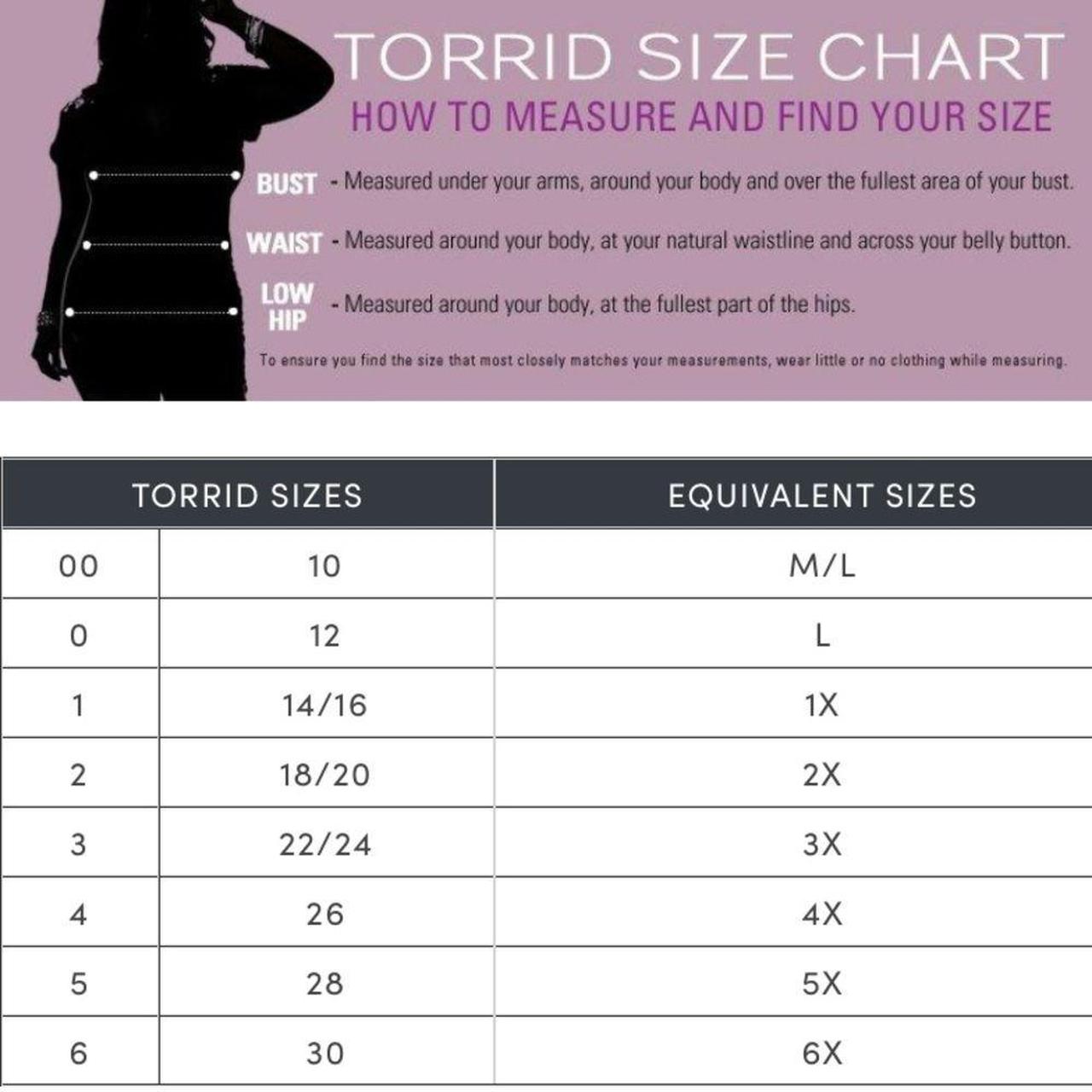
The chart provides a clear breakdown of measurements for different body parts, typically including bust, waist, hips, and inseam. These measurements are presented in a table format, with sizes ranging from 00 to 6X, covering a wide range of body types. The units used are inches, a standard measurement system. It's important to note that the chart is designed specifically for Torrid's clothing line, so it may differ from other size guides.
Step-by-Step Guide to Reading the Chart
Here's a simple process to follow when using the torrid size chart:
- Identify your body type and the specific item of clothing you're interested in.
- Locate the relevant size guide for that item on the chart.
- Measure your body according to the guide's instructions. Ensure you're measuring the right body parts accurately.
- Compare your measurements to the size chart. Find the size that most closely matches your measurements across all relevant body parts.
- If you fall between sizes, consider the fabric and style of the garment. Some fabrics have more give, and certain styles may be more forgiving.
- Don't forget to check the reviews and fit notes provided by Torrid and other customers. These can offer valuable insights into how the garment fits in real life.
Size Chart Variations and Differences
It's important to remember that size charts can vary across brands and even within a brand for different clothing types. Torrid clothing size charts may differ slightly for jeans compared to dresses or bras, as these items have unique fit requirements. Additionally, Torrid, like many brands, offers size guides for both US and international (metric) measurements, so ensure you're using the correct guide for your region.
Common Mistakes and How to Avoid Them
- Measuring inaccurately: Ensure you're using a flexible measuring tape and following the instructions precisely.
- Assuming sizes are universal: Remember, each brand's size chart is unique. Don't assume your Torrid size will be the same as another brand.
- Not considering fabric and style: The fit of a garment can vary significantly based on fabric and design.
- Neglecting to check reviews: Customer reviews often provide valuable insights into how an item fits in practice.
- Forgetting to account for personal preferences: If you prefer a looser fit, size up; if you like it snug, size down.
- Relying solely on the size chart: While the chart is a great guide, it's always a good idea to check the fit notes and reviews for a more accurate picture.
Hey there, I hope this guide has been helpful in understanding the Torrid size chart and its practical use. Remember, while the core principles remain the same, the exact details can differ slightly, so it's always good to refer to the specific chart you're using.
Don't hesitate to explore other guides on our site, where you'll find more tips and tricks to enhance your shopping experience and make informed choices. Happy shopping, and stay stylish!
Related: What is the USMC Ribbon Chart?
A common misconception about the usmc ribbon chart is that it's solely for military personnel, but this reference tool is incredibly valuable for a wider audience. While it's true that the chart is an essential part of a Marine's uniform and awards system, it also serves as a clear and concise guide for anyone interested in understanding military awards and their significance.
The usmc ribbon chart provides a visual representation of various awards and their respective placements, offering a quick reference for accurate ribbon display. Whether you're a military enthusiast, a historian, or simply curious about the military's recognition system, this chart is an accessible way to learn and appreciate the importance of these awards.
Understanding Ribbon Order and Placement
The USMC ribbon chart is a visual reference guide that helps organize and display the various awards and decorations earned by members of the United States Marine Corps. It provides a clear and standardized way to arrange and present these ribbons, ensuring consistency and an accurate representation of an individual's achievements.
Comparing Ribbon Formats and Standards
The chart typically follows a specific order, with ribbons arranged in rows, often from left to right, and with each row representing a different category or type of award. The ribbons are usually displayed in their full-size format, with each ribbon's unique design and colors representing its specific award.
Step-by-Step Guide to Using the Ribbon Chart
- Start by identifying the different categories of awards. These may include campaign or expeditionary medals, personal decorations, unit awards, and service medals, among others. Each category will have its own unique set of ribbons.
- Within each category, ribbons are typically arranged in order of precedence, with the most senior or prestigious award at the top. This order is important to maintain when displaying ribbons, as it reflects the significance of each award.
- Pay attention to the specific placement and spacing of ribbons. Some ribbons may have unique shapes or designs that require specific positioning to ensure they are displayed correctly and visibly.
- When displaying multiple rows of ribbons, ensure that each row is aligned and evenly spaced. This creates a visually appealing and organized display, making it easier to identify and appreciate each ribbon.
Common Misreadings and How to Avoid Them
One common mistake is misinterpreting the order of precedence. It's important to refer to the official guidelines or regulations when unsure about the correct order, as this can vary depending on the specific award or the individual's service history.
Another pitfall is assuming that all ribbon charts are universal. While the USMC ribbon chart provides a standard guide, there may be variations or exceptions, especially when dealing with international awards or specialized units. Always double-check the specific requirements and guidelines for each award to ensure accurate placement and display.
Remember, the USMC ribbon chart is a valuable tool for organizing and showcasing achievements, but it requires attention to detail and an understanding of the unique characteristics of each ribbon and award.
Remember, while this chart is an excellent tool, it's always wise to cross-reference and ensure you have the most up-to-date information for your specific needs. Double-checking with official sources can save you from any potential pitfalls.
Consider bookmarking this page for future reference; it's a handy resource to have at your fingertips when you need a quick reminder or a more detailed look at the ribbon chart and its applications.