




Coloring Pages With Numbers Overview
Many folks get overwhelmed when they first see an RJ45 wiring chart, assuming it's a complex, confusing maze. But fear not! It's a simple, visual guide that demystifies ethernet cable wiring. This chart is your friend, offering a clear path to understanding the rj45 pinout and color code chart. While values may vary slightly, the RJ45 wiring chart ensures you're following network cable standards, T568A or T568B, like a pro.
An Overview of the RJ45 Wiring Chart
The RJ45 wiring chart is your go-to guide for understanding and creating RJ45 connections. It's like a map that shows how each wire should be connected to its corresponding pin in an RJ45 connector. This chart is essential for setting up networks and ensuring your ethernet cables work as intended.
Comparing RJ45 Standards: T568A vs. T568B
There are two common standards for RJ45 wiring: T568A and T568B. These standards dictate the color code and pin assignments for the wires. While both standards are widely used, they have different color arrangements. T568A is often preferred for its compatibility with older telephone wiring, while T568B is more common in modern networks. It's crucial to know which standard you're working with to avoid any misconnections.
Step-by-Step Guide: Using the RJ45 Wiring Chart
Using the RJ45 wiring chart is straightforward. Here's a simple process to follow:
Identify the standard: Determine whether you're working with T568A or T568B. This information is usually available on the chart itself or in the documentation for your specific project.
Understand the color code: The chart will show you the color-coded wires and their corresponding pins. Each wire has a specific color, and these colors match the pins on the RJ45 connector.
Connect the wires: Follow the color code and connect each wire to its designated pin. Ensure a secure connection by firmly inserting the wires into the connector.
Double-check: After connecting all the wires, take a moment to verify your work. Ensure each wire is in the correct position and securely fastened.
Common Misreadings and How to Avoid Them
Misreading the RJ45 wiring chart can lead to incorrect connections. Here are some common pitfalls and how to fix them:
Mixing up standards: Always double-check the standard you're using. T568A and T568B have different color arrangements, so using the wrong standard can cause issues.
Reversing wires: Pay attention to the orientation of the wires. Some charts might show a mirror image, so ensure you're connecting the wires in the correct direction.
Ignoring the color code: The color code is crucial. Don't assume you know the colors; always refer to the chart to avoid mistakes.
Factors Affecting Accuracy: Cable Types and Specifications
The accuracy of your RJ45 connections depends on several factors:
Cable type: Different cable types, like solid or stranded, have specific uses. Ensure you're using the right cable for your application.
Connector dimensions: RJ45 connector dimensions can vary slightly between manufacturers. Always use connectors that match your cable type and standard.
Wire gauge: The gauge of the wires affects their performance. Ensure your wires meet the required specifications for your network setup.
Adapting the RJ45 Wiring Chart for Specific Needs
While the RJ45 wiring chart provides a standard, you might encounter situations that require adaptations. Here's how to handle them:
Custom color codes: In some cases, you might need to create custom color codes. This is often done for aesthetic reasons or to match existing wiring. Ensure you document these custom codes for future reference.
Non-standard connectors: If you're working with non-standard connectors, you'll need to adapt the wiring accordingly. Refer to the connector's specifications and ensure compatibility with your chosen standard.
Special applications: Certain applications, like industrial networks, might require specific wiring configurations. Research and understand the unique requirements for these specialized setups.
Keeping Your Setup Reliable: Documentation and Best Practices
To ensure your RJ45 connections remain reliable, follow these best practices:
Document your setup: Create a record of the standard, color codes, and any custom configurations you've made. This documentation will be invaluable for future reference and troubleshooting.
Label your cables: Clearly label your cables with their purpose and any relevant information. This helps with identification and reduces the risk of incorrect connections.
Regularly test your network: Perform periodic tests to ensure your network is functioning correctly. This proactive approach can help identify and resolve issues early on.
By following these guidelines and referring to the RJ45 wiring chart, you'll be well-equipped to create accurate and reliable network connections. Remember, precision and attention to detail are key when working with RJ45 wiring.
Hey there, we've covered a lot of ground with our RJ45 wiring chart adventure! From understanding the basics to mastering the art of wiring, we hope this guide has been a helpful companion. Remember, while we've provided a comprehensive overview, the exact details might shift a bit based on your specific setup or the standards you're following.
Feel free to explore our other guides for more practical tips and tricks. We've got a whole library of resources to help you navigate the world of networking and beyond. Happy wiring, and we hope to see you on your next tech journey!
Related: Navigate Maui Tides with Ease
You've landed on this post because you're likely seeking a quick solution or some clarity on Maui's tide chart. It's a handy tool, a simple visual guide, that offers a snapshot of the ocean's tides and their timings. Whether you're planning a beach day, a fishing trip, or just need to know the tide heights, the Maui tide chart is your reliable companion. These charts can vary, offering different formats and details, but they all serve the same purpose: to provide an easy-to-read prediction of the ocean's tides.
Understanding Tide Patterns: A Guide to the Maui Tide Chart
The Maui tide chart is your go-to tool for predicting and understanding the ocean's movements around the Hawaiian island. It's like a secret code that reveals the rhythm of the tides, helping you plan your beach days, surfing adventures, or even fishing trips with precision.
Reading the Chart: Formats and Standards
Maui tide charts typically display two key pieces of information: the tide height and the time. The height is often shown in feet (ft) or meters (m), depending on the chart's standard. For example, a height of 2.5 ft indicates a relatively low tide, while 6 ft suggests a high tide. The time is usually in 24-hour format, so 14:00 is 2 pm. Some charts may also include additional info like the moon phase, which can influence tide patterns.
Step-by-Step: Using the Tide Chart Accurately
To make the most of your Maui tide chart, follow these simple steps:
- Identify the date and time you're interested in.
- Locate the corresponding time on the chart.
- Read the tide height for that time.
- Consider any additional info, like the moon phase, to get a fuller picture.
- Plan your activities accordingly!
For instance, if you're a surfer, you might prefer lower tides for certain breaks, while higher tides can create different wave conditions.
Common Misreadings and How to Avoid Them
It's easy to misinterpret a tide chart if you're not familiar with it. Here are some common mistakes and how to avoid them:
- Confusing tide height with water depth. Remember, the tide height is the vertical distance between the water's surface and a reference point, not the depth of the water.
- Assuming all charts are the same. Different charts may use different standards or units, so always check the labels and scales.
- Forgetting to account for time zones. If you're using a chart from a different region, ensure you convert the time to your local zone.
Key Factors Affecting Tide Variations
Several factors can cause variations in tide patterns, and understanding these can help you interpret your Maui tide chart more accurately:
- Ocean tides in Maui are influenced by the gravitational pull of the moon and sun.
- Local geography, such as bays, inlets, and reefs, can amplify or dampen tides.
- Weather conditions, especially strong winds, can affect water levels.
- Seasonal changes can lead to variations in tide heights and times.
- Human activities, like damming or dredging, can impact natural tide patterns.
By considering these factors and referring to your Maui tide chart, you'll be well-equipped to plan your activities around the island's dynamic tides.
Hey there, we hope you found this guide helpful and that it serves as a handy reference for your Maui adventures. Remember, the exact details of tide charts can vary slightly, so it's always a good idea to double-check and stay informed.
We've got more practical guides like this one, so feel free to explore and bookmark our site for future use. It's a great way to ensure you're prepared and can make the most of your time by the sea. Happy exploring!
Related: Unique Construction Names With Meaning Essential Guide
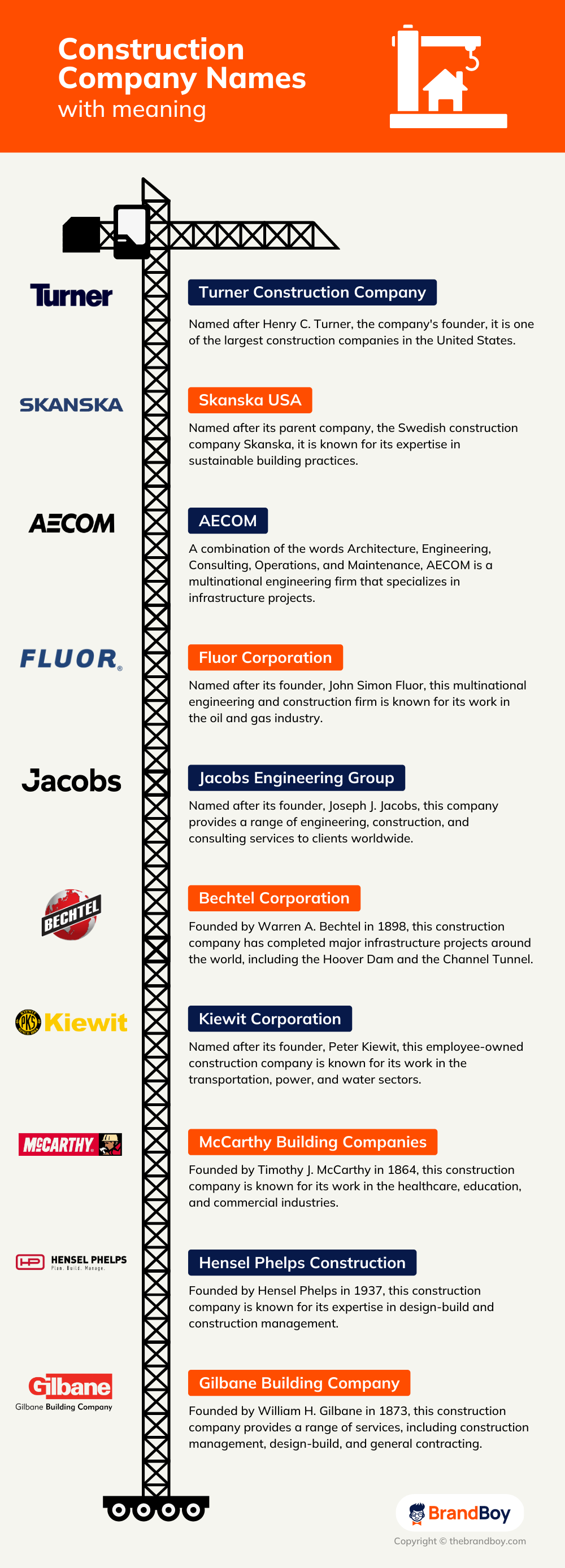
I was chatting with a friend recently, and we got onto the topic of unique construction names with meaning. It's something I've always found fascinating, how a name can capture the essence of a business and leave a lasting impression. So, I thought I'd share some thoughts and insights on this fun aspect of the construction world.
The Power of a Name
A unique and meaningful name for your construction business can set you apart from the competition. It's your first chance to make an impression and connect with potential clients. But what makes a good name? Well, it's a balance between creativity and practicality. You want something memorable, but it also needs to reflect your business's values and services.
Consider the tone and message you want to convey. Is your business focused on innovative, modern construction? Or do you specialize in traditional, heritage-style builds? The name should hint at your expertise and the unique value you bring to the table. It's a chance to showcase your personality and make a bold statement.
Naming Your Business
When brainstorming names, think about words and phrases that resonate with your brand. It could be a play on words, a nod to your location, or a reference to the services you offer. Get creative, but also ensure the name is easy to remember and pronounce. You don't want potential clients stumbling over your business name!
Here are a few original ideas to spark your imagination:
- Build-it-Bright
- Construct-a-Dream
- Hammer & Hive
- Modern Foundations
- Eco-Build Solutions
- The Bricklayer's Club
Remember, it's crucial to check the availability of your chosen name. You'll need to register it with local authorities and secure the domain name for your website. It's a good idea to consult a legal professional to ensure you're covering all the bases.
Standing Out in a Competitive Industry
The construction industry is bustling with businesses, both large and small. So, how do you make your company stand out? A unique and meaningful name is one way to differentiate yourself. It shows you've put thought into your brand and helps you build a strong identity.
Large construction firms often have well-established names that reflect their size and scope. They might incorporate their location or a reference to their long history. Smaller businesses, on the other hand, can use unique names to their advantage, showcasing their specialty and personality.
Finding the Right Contractor
When searching for a contractor, whether for a large-scale project or a home renovation, it's essential to do your research. A unique name can be a great conversation starter, but it's what's behind the name that matters most.
Ask for recommendations from friends and family, and check online reviews. Get quotes from several contractors and compare their services and prices. Don't be afraid to ask questions and ensure you understand the scope of the work and any potential additional costs. A good contractor will be transparent and happy to answer your queries.
Tools of the Trade
In the construction world, there are various tools and resources to help with estimating costs and managing projects. One such tool is RSMeans, a database that provides cost data for various construction projects. It's a valuable resource for both contractors and clients, offering insights into the potential costs of a build.
However, it's important to remember that these tools provide estimates, and the final cost can vary depending on factors like location, materials, and labor. Always get a detailed quote from your contractor and compare it with other estimates to ensure you're getting a fair price.
Final Thoughts
Choosing a unique and meaningful name for your construction business is an exciting step. It's a chance to showcase your creativity and leave a lasting impression. Remember to keep it practical and ensure your name reflects your brand's values and services. And when hiring a contractor, take the time to research and compare, ensuring you find the right fit for your project. Happy building!