


Coloring Pages Yamal Overview
A bucks depth chart is a valuable tool for basketball enthusiasts and analysts, offering a concise snapshot of a team's player lineup and its strategic depth. This guide aims to demystify the chart's structure and content, ensuring you can quickly grasp its insights and applications.
The depth chart provides an at-a-glance view of a team's roster, player positions, and often includes notes on rotation strategies and injury reports. While the specific format and details may vary, the core purpose remains consistent: to present a clear, organized overview of a team's player resources and potential lineups.
Understanding the Bucks Depth Chart
The Bucks depth chart is a valuable tool for basketball enthusiasts and analysts, providing a clear visual representation of the team's player lineup and their respective positions. This chart offers insights into the team's strategy and helps predict potential game dynamics.
Key Details and Categories
A Bucks depth chart typically displays the following:
- Player Positions: Each player is assigned a specific position, such as point guard, shooting guard, small forward, power forward, or center. These positions define their roles and responsibilities on the court.
- Starting Lineup: The five players who begin the game are listed first, indicating the team's initial strategy and key players.
- Reserves: The depth chart also includes a list of substitute players, often referred to as the bench, who provide depth and flexibility to the team's lineup.
- Player Numbers: Each player is assigned a unique number, which helps identify them on the court and in the chart.
Reading and Applying the Depth Chart
To effectively read and interpret a Bucks depth chart, follow these steps:
- Start with the Starting Lineup: Identify the five players who are listed first. These are the players who will begin the game and are often the team's key performers.
- Analyze Player Positions: Understand the roles and responsibilities associated with each position. For instance, a point guard typically handles the ball and directs the offense, while a center focuses on rebounding and defending the paint.
- Assess Depth: Pay attention to the number of players listed under each position. A deeper roster suggests more options and flexibility for the coach during the game.
- Study the Reserves: The bench players can provide valuable insights. Look for players with specialized skills or those who excel in specific situations, such as defensive specialists or three-point shooters.
- Consider Injuries and Absences: Bucks depth charts may need adjustments due to player injuries or absences. Check for any notes or updates indicating changes to the lineup.
Variations and Differences
Bucks depth charts can vary based on several factors:
- Coaching Philosophy: Different coaches may prefer certain player combinations or strategies, leading to unique depth chart arrangements.
- Player Performance: The depth chart may change based on player performance and chemistry. Coaches might adjust lineups to accommodate hot streaks or address weaknesses.
- Opponent Strategy: The Bucks may tailor their depth chart to counter specific opponents, especially in playoff scenarios.
- Injuries and Health: Player availability due to injuries or health concerns can significantly impact the depth chart.
Common Mistakes and How to Avoid Them
When interpreting a Bucks depth chart, avoid these common pitfalls:
- Overlooking Reserves: Don't focus solely on the starting lineup. The bench players can be game-changers, so pay attention to their skills and potential impact.
- Ignoring Position Flexibility: Some players can play multiple positions. Be aware of this flexibility, as it can provide the team with strategic advantages.
- Assuming Consistency: Depth charts can change rapidly, especially during a long season. Always check for the latest updates to ensure you have accurate information.
- Neglecting Context: Consider the context of the game, such as the venue, opponent, and specific game situation. The depth chart may be adjusted based on these factors.
Remember, the Bucks depth chart is a dynamic tool, and understanding its nuances can enhance your appreciation of the team's strategy and performance.
Well, there you have it, a comprehensive guide to understanding the Bucks Depth Chart. Remember, while this chart provides a solid framework, it's always wise to check for any specific variations or updates relevant to your unique situation.
Feel free to explore our other resources and guides; we've got a wealth of practical information to help you navigate various topics. Happy learning, and don't forget to adapt and adjust as needed!
Related: Construction Cost Database Essential Guide
I've been thinking about doing some home renovations lately, and one thing that's been on my mind is how to budget and plan for the costs. That's when I stumbled upon the construction cost database - a handy tool that seems like it could really help me out. So, I did some digging and here's what I found...
Understanding Construction Costs
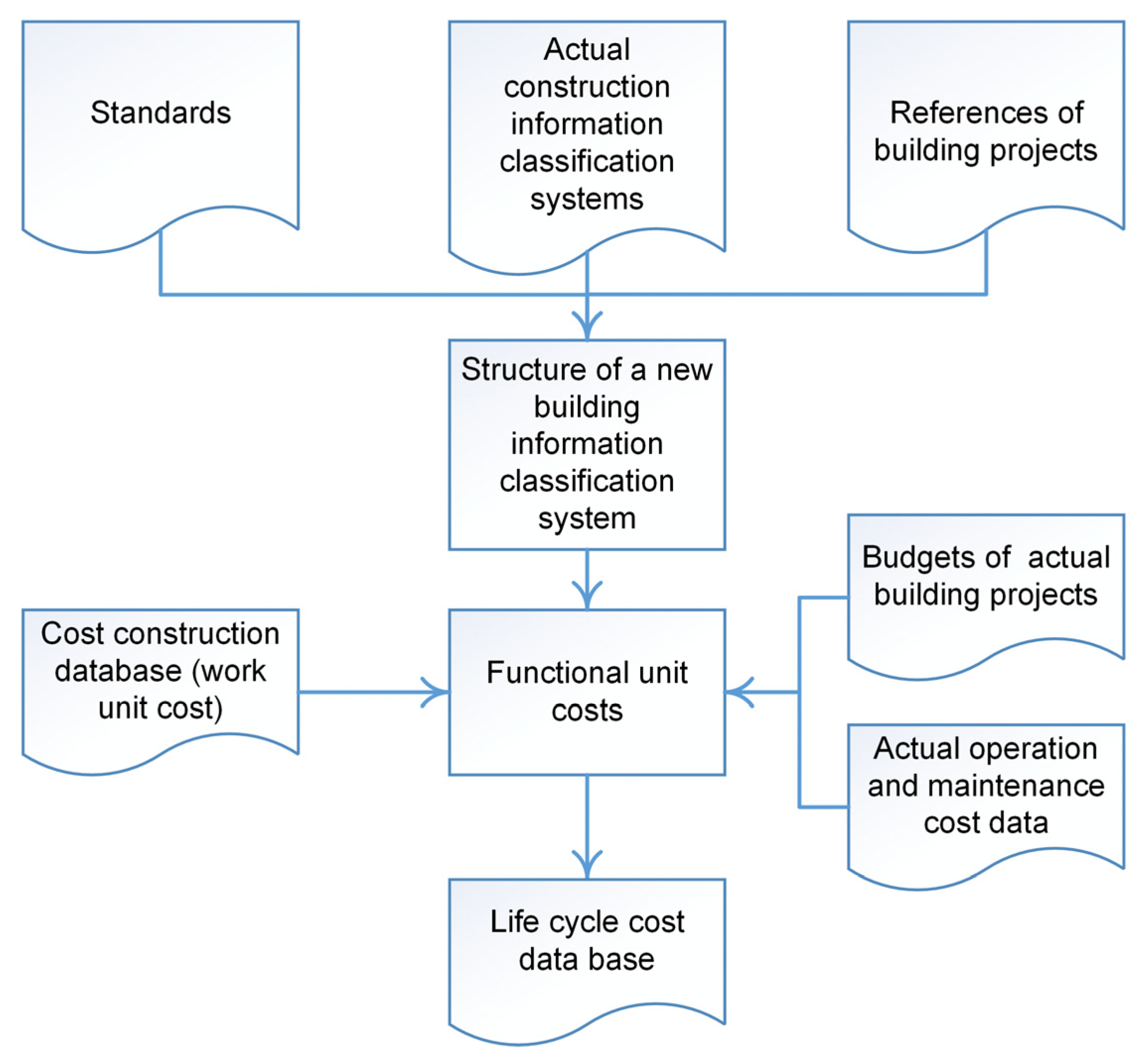
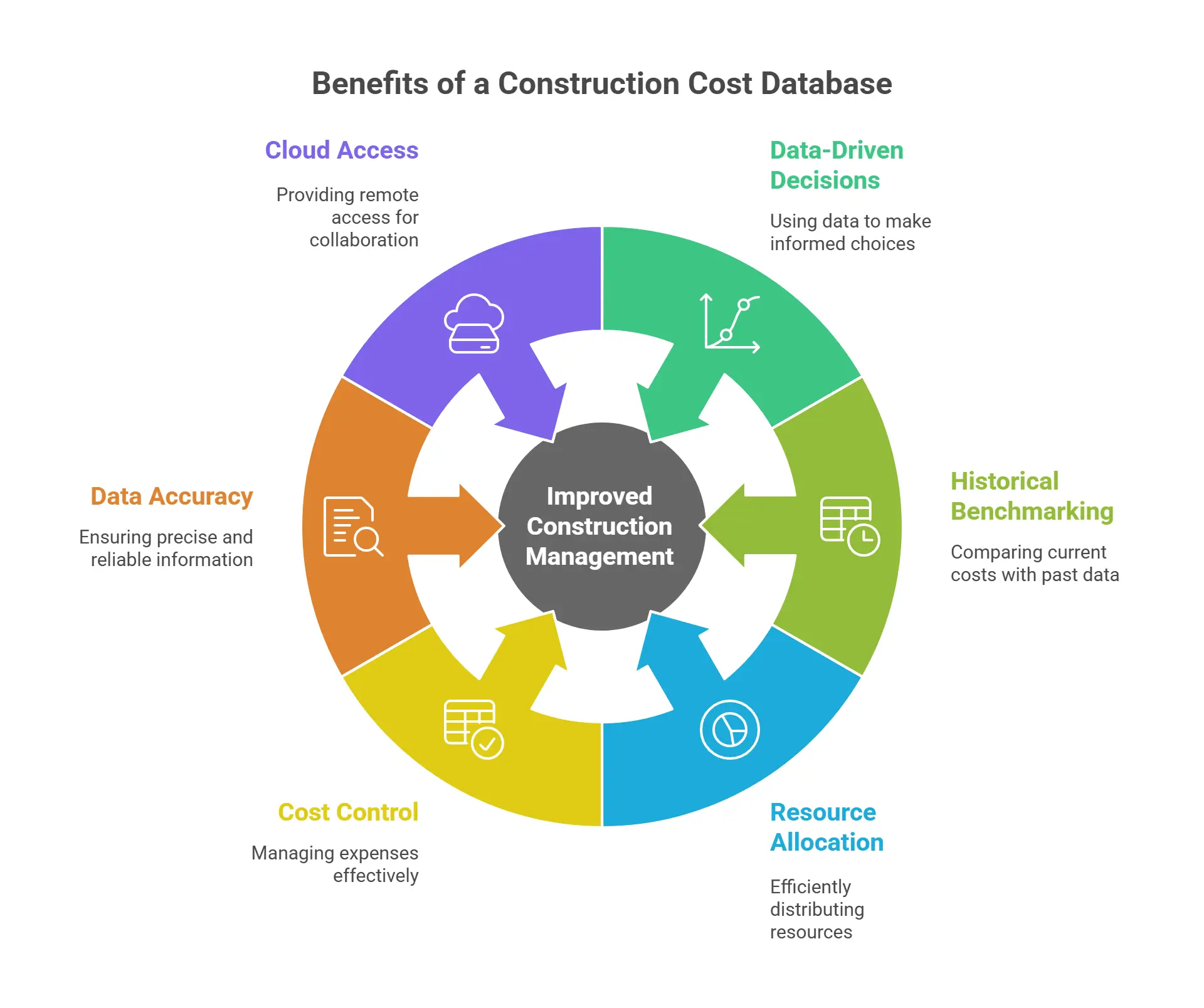
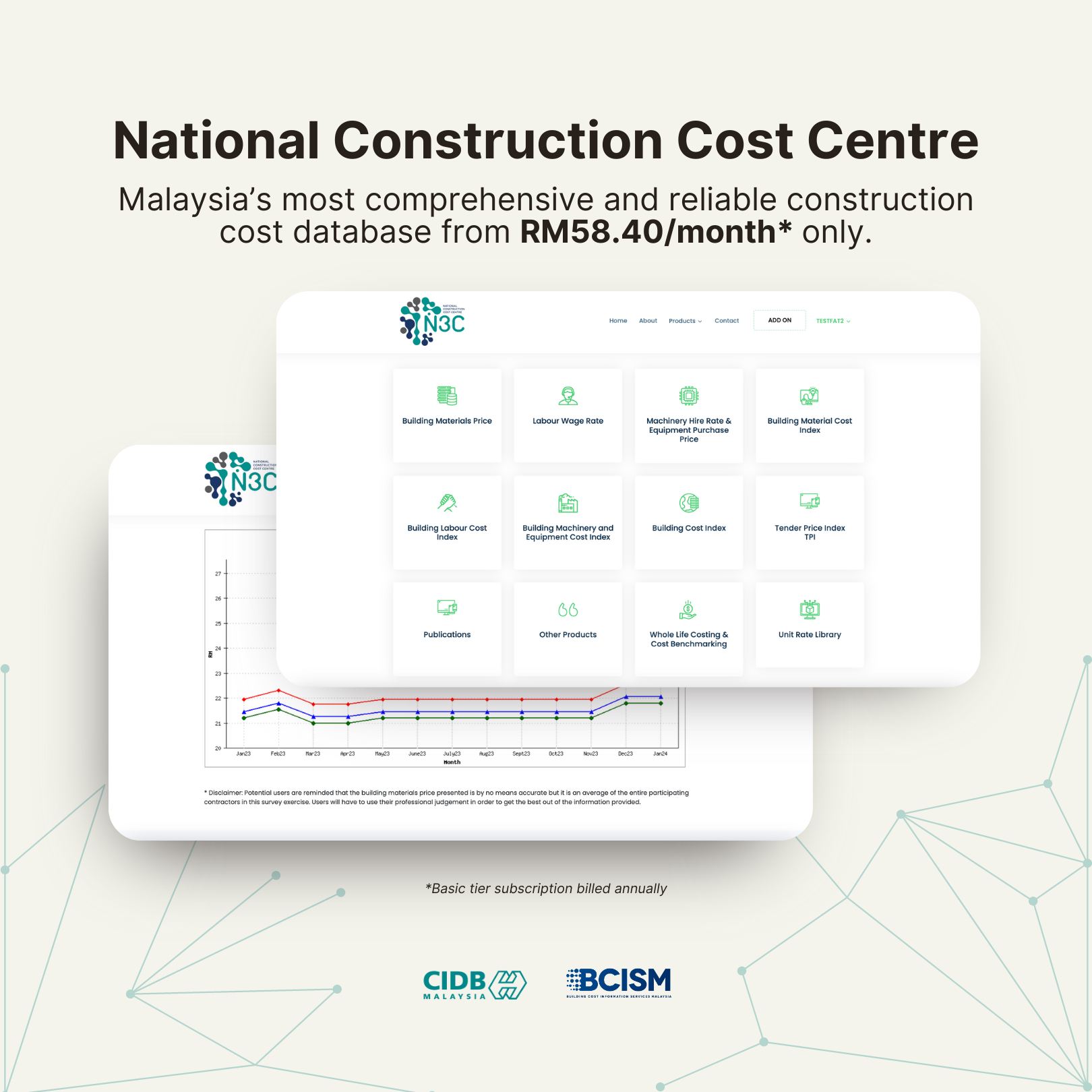
A construction cost database is like a big, detailed library of information about building and renovation costs. It's a resource that construction companies, contractors, and even homeowners like me can use to get a better idea of what projects might cost. This database covers all sorts of construction work, from new builds to remodels and everything in between.
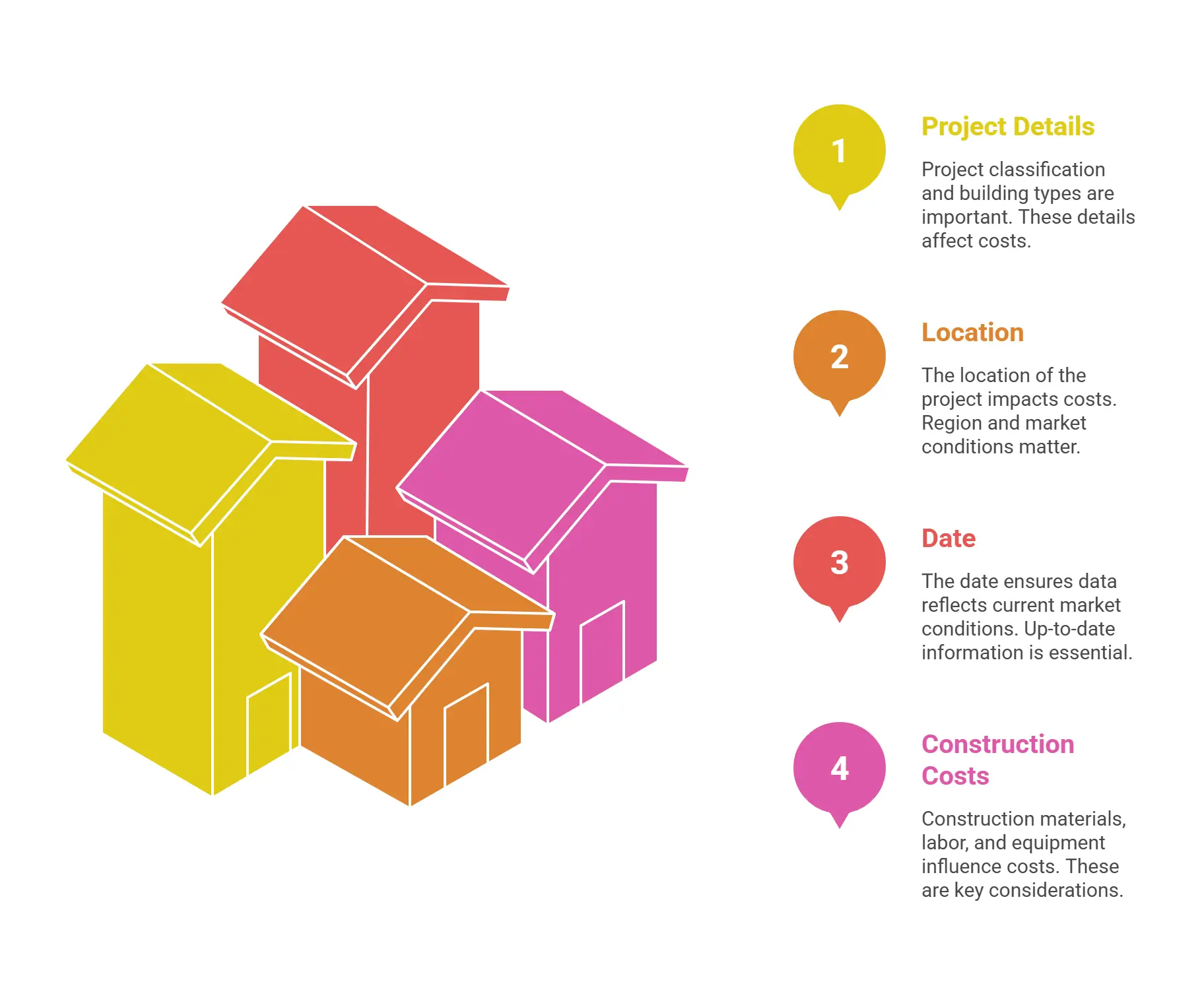
The beauty of it is that it provides estimates for different types of work, like installing a new roof, adding a room, or even just painting a wall. It takes into account things like the size of the project, the materials needed, and even the location, which can affect costs. So, it's a great way to get a rough idea of what you might be looking at financially before you even start a project.
Finding the Right Contractor
When it comes to hiring a contractor, the construction cost database can be a real lifesaver. It can help you compare quotes and ensure you're getting a fair deal. You see, contractors will often use these databases to estimate their quotes, so if you have access to the same info, you can better understand the costs they're quoting you.
Before hiring, make sure to check their references, ask about their experience with similar projects, and get a detailed breakdown of the costs. A good quote will cover all the bases, from labor to materials, and will give you a clear idea of any potential extra costs that might come up.
Company Names and the Industry
In the construction world, company names can be a bit of a giveaway about what they do. Often, you'll see names that are straightforward and to the point, like "Atlanta Building Solutions" or "Helena Home Renovations". These names are easy to remember and give a clear indication of the services offered.
If you're thinking of starting a construction business, choosing a name is an important step. It needs to be unique, memorable, and reflect the services you provide. Some fun examples could be "Build-it-Right Construction", "Hammer & Nail Builders", or "Renovate & Revive". Just remember to check the availability of the name and secure the relevant registrations and domains.
Jobs and Opportunities
The construction industry offers a wide range of jobs, from general contractors and estimators to project managers and specialists in various trades. These roles can vary greatly in terms of responsibility and salary, depending on experience and the size of the company.
If you're interested in construction jobs, you'll likely find opportunities advertised online, through job boards, and even on company websites. It's a good idea to keep an eye on these platforms and to tailor your resume and cover letter to the specific role and company you're applying for.
Industry Tools and Insights
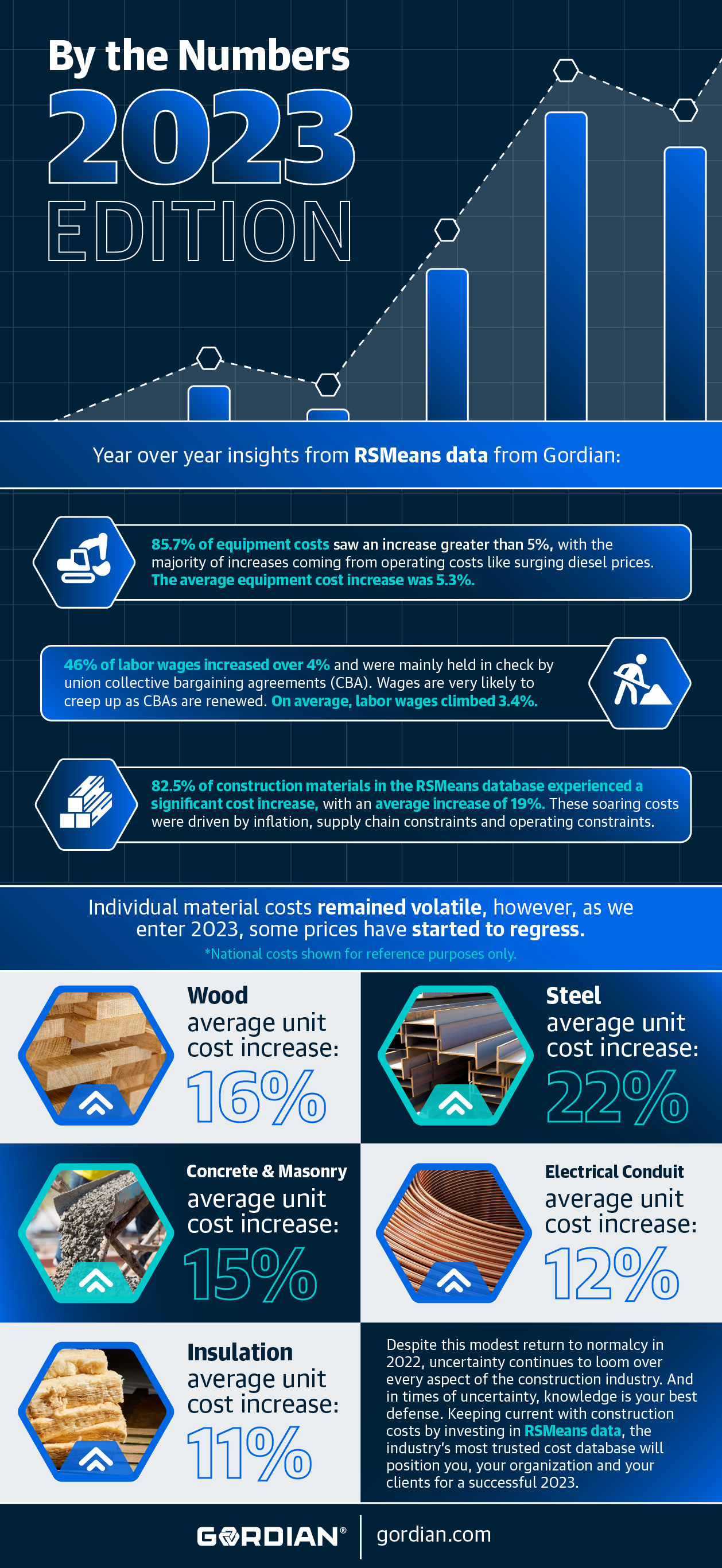
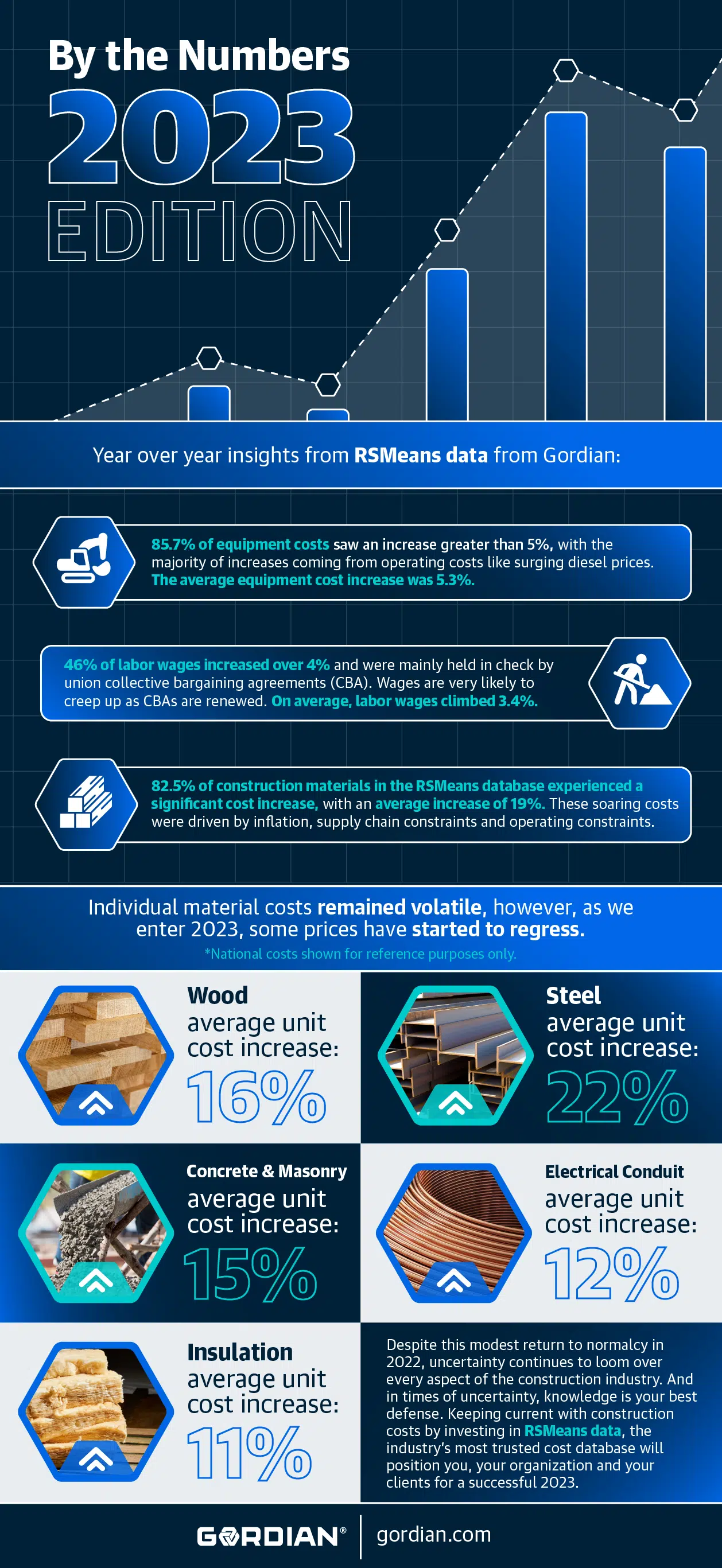
Tools like RSMeans are popular in the construction industry and are essentially detailed cost databases. These tools are used by professionals to estimate costs accurately and efficiently. They provide valuable insights into the costs of different materials, labor, and even the potential impact of economic factors on a project.
Having access to these tools can be a real advantage, especially for larger construction companies. It allows them to provide accurate quotes and plan projects effectively. For homeowners, it's a great way to get a realistic idea of what your renovation might cost.
Big Players and the Industry
The construction industry is diverse, with companies of all sizes. The big players often have the advantage of economies of scale, allowing them to take on larger projects and offer more specialized services. They might have access to better resources, like advanced cost databases and tools, which can give them an edge in the market.
However, smaller companies can offer a more personalized service and often have a strong local presence. It's a balance between size and specialization, and both types of companies play a vital role in the industry.
So, there you have it! The construction cost database is a valuable resource for anyone involved in construction, whether you're a homeowner, a contractor, or a company owner. It's a great way to get a handle on costs and plan effectively.
Related: Understand Nipple Size Chart: A Simple Guide
You're probably here because you need a quick answer, a simple guide to help you understand nipple size charts and their purpose. It's a common query, and these charts are more useful than you might think! They provide a straightforward way to measure and compare nipple sizes, often alongside other breast-related measurements. While the values may vary depending on the source, a nipple size chart can be a handy reference tool, especially when paired with a bra size guide or areola size chart.
Understanding the Nipple Size Chart
The nipple size chart is a handy reference tool that provides a standardized way to measure and categorize nipple sizes. It offers a simple and visual guide to help individuals understand their nipple dimensions and find the right products or solutions based on size. This chart is particularly useful for those seeking nipple piercings, nipple jewelry, or even nursing aids, as it ensures a comfortable and accurate fit.
Key Details and Categories
The nipple size chart typically displays nipple diameters, measured in millimeters (mm) or inches, depending on the standard being used. It categorizes nipples into size ranges, often with labels like "Small," "Medium," "Large," and so on. These categories provide a quick reference for individuals to identify their nipple size without the need for precise measurements.
Reading the Measurements: A Step-by-Step Guide
Start by locating the chart's measurement scale. This scale will typically run along one edge of the chart, indicating the nipple diameters in either mm or inches.
Next, identify the category labels. These labels, such as "Small," "Medium," or "Large," are usually positioned above or below the measurement scale, indicating the size range.
To determine your nipple size, measure the diameter of your nipple using a ruler or a specialized nipple gauge. Ensure you measure from the base of the nipple, where it meets the areola, to the tip.
Compare your measured diameter to the scale on the chart. Find the corresponding size category, and you've identified your nipple size!
Common Variations and Differences
It's important to note that nipple size charts may vary depending on the standard or region. For instance, a chart designed for the US market might use inches as the unit of measurement, while an international chart might use millimeters. Additionally, some charts may provide more detailed size categories, especially for specialized products like nipple jewelry, which require precise sizing.
Mistakes to Avoid
One common mistake is assuming that all nipple size charts are the same. Always check the units of measurement and the source of the chart to ensure it aligns with your needs. Another pitfall is relying solely on category labels without measuring your nipples. While categories provide a quick reference, precise measurements are essential for an accurate fit, especially for delicate items like piercings or jewelry.
Practical Tips for Accurate Results
When measuring your nipples, ensure you're in a relaxed state. Nipple size can vary slightly depending on factors like temperature and arousal, so it's best to measure when you're comfortable and at rest. If you're measuring for piercings or jewelry, consider consulting a professional piercer or a medical professional for guidance and to ensure you're using the correct techniques and tools.
Double-Checking and Edge Cases
While the nipple size chart provides a useful guide, it's not an exact science. Individual variations and unique anatomical features can sometimes fall outside standard size categories. In such cases, it's essential to consult a professional or the manufacturer's guidelines for specific products. They may provide additional sizing information or custom solutions to accommodate unique nipple sizes.
Hey there, we've covered a lot of ground on this topic, and I hope it's been helpful! Remember, when it comes to nipple size charts, the exact measurements can vary slightly depending on the source or standard you're using, so it's always good to double-check.
This guide aims to provide a straightforward reference, but every body is unique, and so are their measurements. So, if you ever need a quick reminder or want to explore other related topics, feel free to bookmark this page for future use. It's always handy to have these practical guides at your fingertips!