





Coloring Pictures Christmas Lights Overview
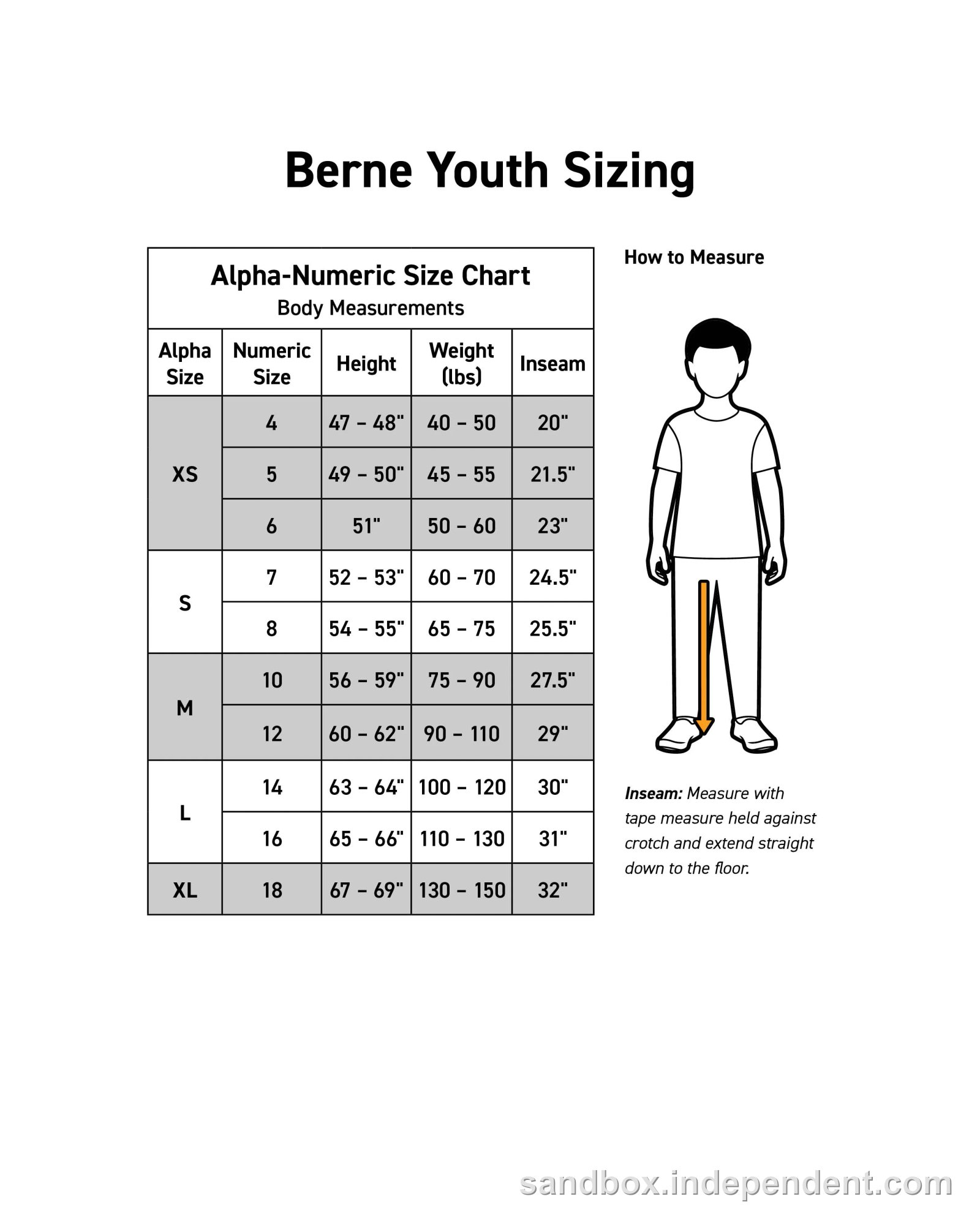
My UCLA chart is a handy tool that many rely on for quick and accurate information. This guide will give you a straightforward overview, ensuring you know how to utilize this practical chart effectively.
It serves as a reference, offering a clear visual representation of data, and can be tailored to various needs. While the values and formats may differ depending on the context, my UCLA chart provides a reliable framework to work with, making it an essential resource for those seeking precise measurements and a better understanding of the subject matter.
A Quick Glance at My UCLA Chart
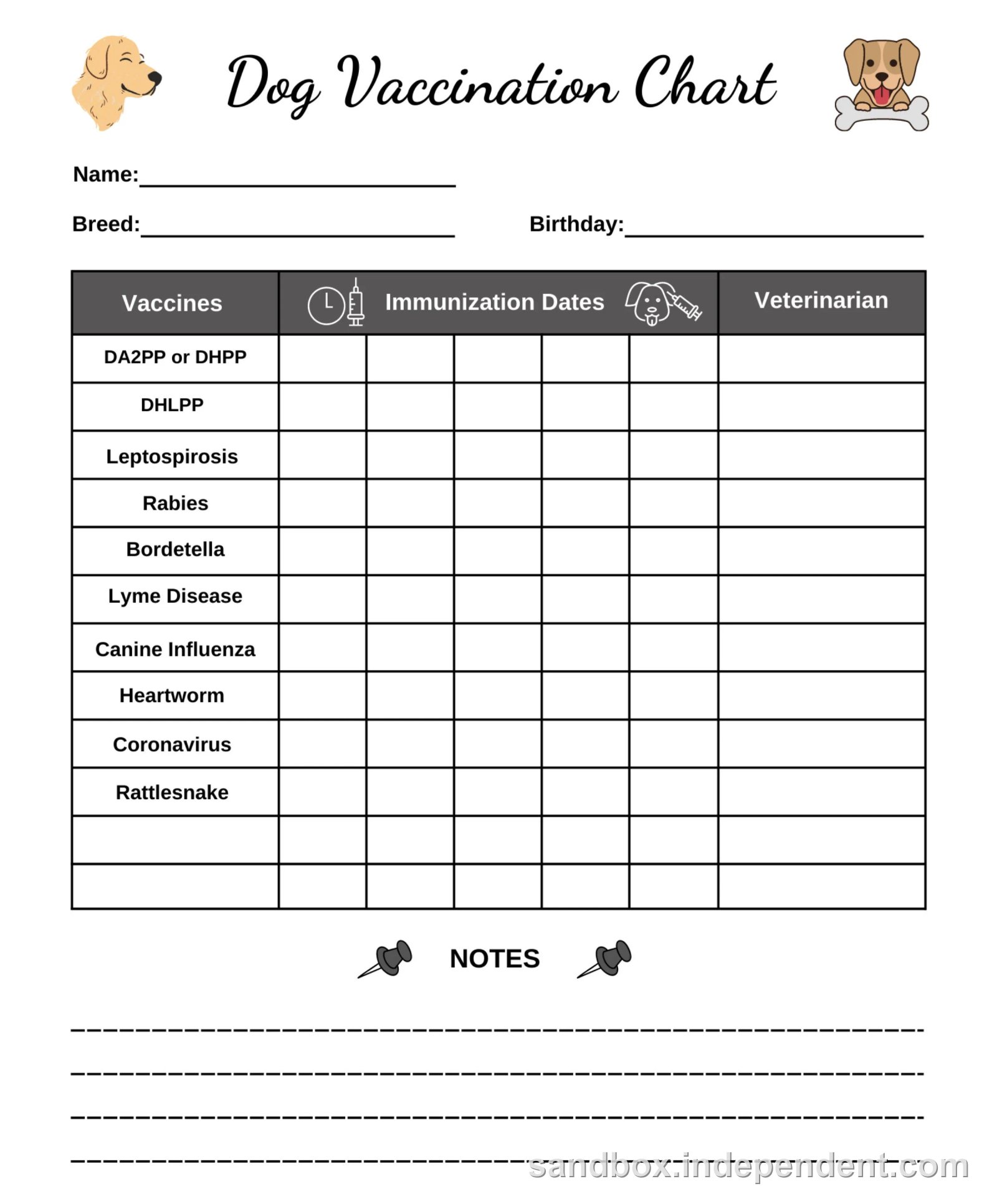
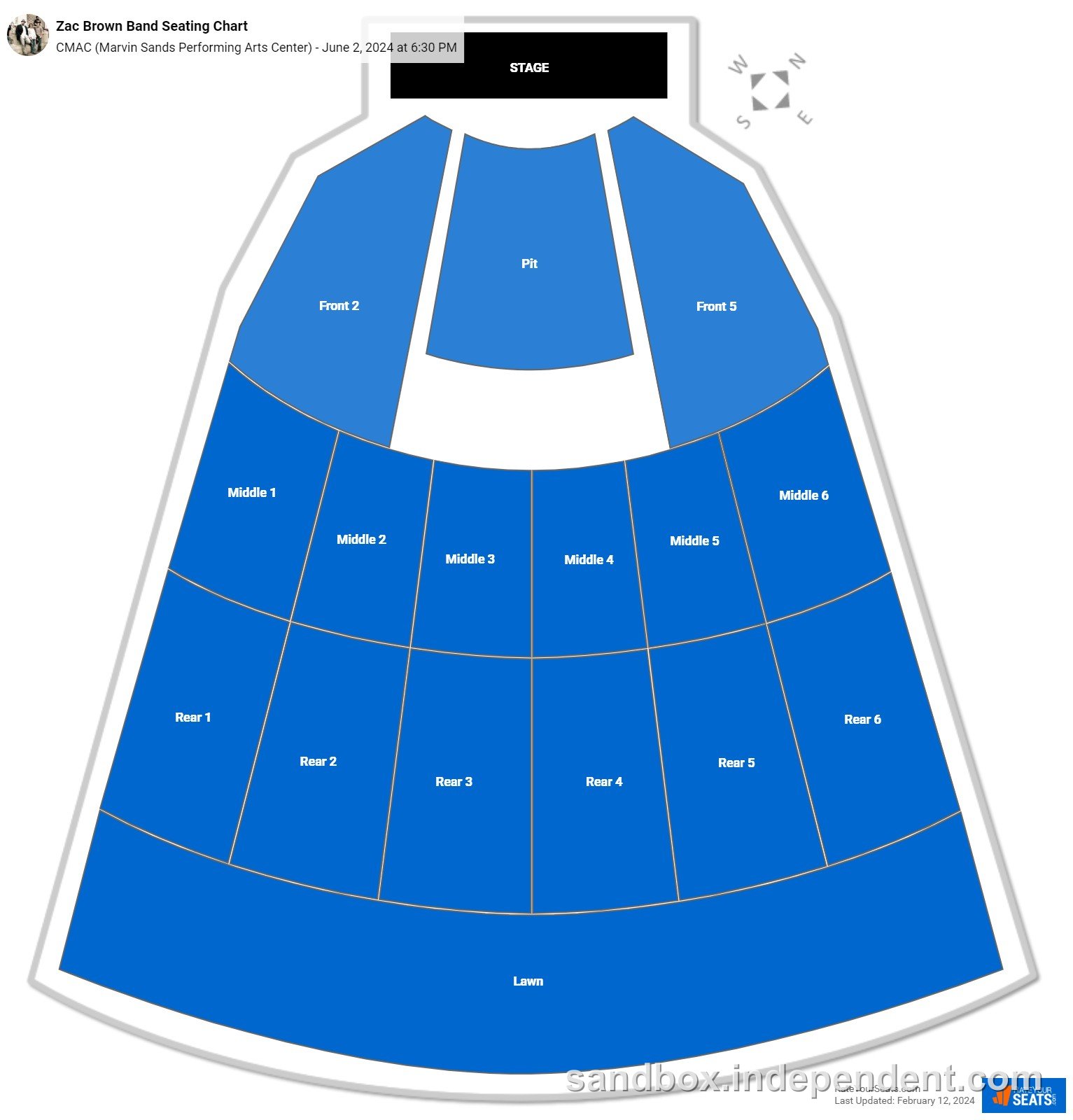
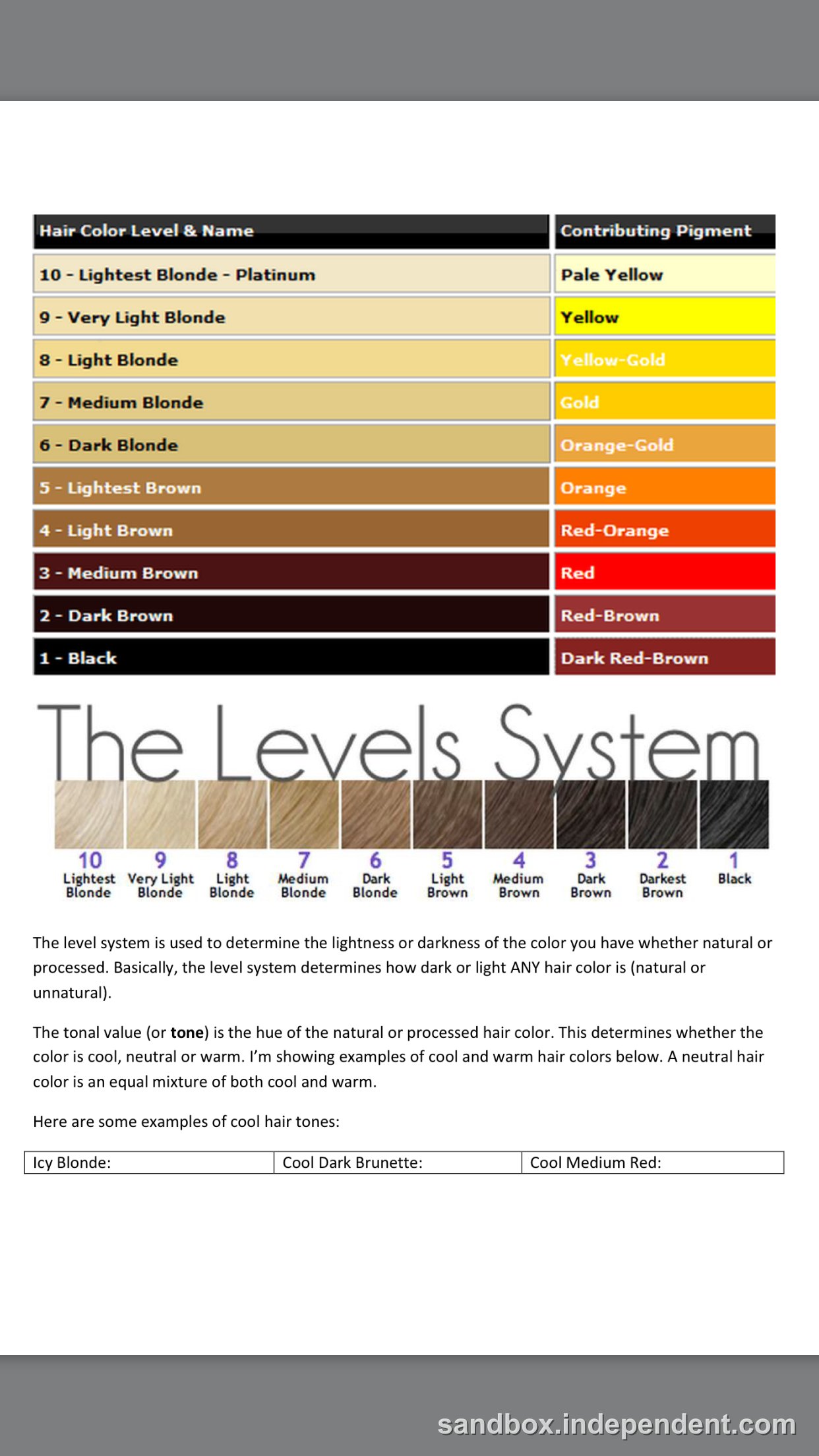
My UCLA Chart is a handy visual guide that simplifies complex data, making it an invaluable tool for various industries and everyday tasks. This chart offers a quick reference, providing key insights at a glance, which is especially useful when time is of the essence.
Comparing Measurement Standards and Formats
The beauty of my UCLA chart lies in its ability to present data in a standardized yet adaptable format. While the chart's layout and categories remain consistent, the specific measurements and values can vary depending on the standard being used. For instance, some charts might use the imperial system, while others opt for the metric system, catering to different regions and industries.
A Step-by-Step Guide to Using My UCLA Chart
Using my UCLA chart is straightforward. First, identify the category or parameter you're interested in. These categories are typically listed along the chart's y-axis. Next, locate the corresponding value or range on the x-axis. The intersection of these two axes will give you the specific data point or range you're seeking. For instance, if you're looking for the recommended temperature range for a specific chemical reaction, find the 'Temperature' category on the y-axis and then move across to the appropriate temperature range on the x-axis. The chart will provide you with the necessary information, often including additional details or guidelines.
Common Variations and Potential Misreadings
While my UCLA chart is designed for accuracy, it's important to be aware of potential variations and misreadings. One common pitfall is assuming that all charts use the same units. Always double-check the units indicated on the chart, especially if you're used to a different standard. Additionally, some charts might use abbreviations or symbols, so ensure you understand these before interpreting the data. Another factor to consider is the chart's specific use case. While many charts are versatile, some are designed for very specific applications and might not be applicable in all situations. Always refer to the chart's intended use and, if in doubt, consult the relevant documentation or seek expert advice.
Remember, my UCLA chart is a powerful tool, but it's just one piece of the puzzle. Always verify critical data and consider the context of your specific application.
Hey there! So, when it comes to using your UCLA chart, remember that the specifics might differ a little depending on your unique circumstances. The steps and tips provided should give you a solid framework to work with, but feel free to adapt and tailor them to your needs.
We've got a whole library of guides and resources on various topics, so if you're keen to explore more, why not check out some of our other posts? You might just find some handy tips and tricks to add to your toolkit!
Related: How to use the ski height chart?
You're probably here because you need a quick answer, a simple guide to help you choose the right skis. Well, you've come to the right place! The ski height chart is your go-to tool for ensuring you get the perfect ski length. It's a handy reference, offering a quick and reliable way to find your ideal ski size. These charts often provide a ski length guide, giving you a starting point for your search. While the exact values may vary depending on your skiing style and preferences, the ski height chart is a great starting point for your ski sizing journey.
Understanding Ski Height: A Quick Overview
The ski height chart is a handy tool that simplifies the process of choosing the right ski length for your height and skill level. It provides a visual guide, often in the form of a table or diagram, to help you select skis that offer the best performance and control.
Comparing Ski Height Standards and Formats
There are a few key standards and formats for ski size charts. The most common ones are based on height and skill level, with recommendations for ski lengths in both centimeters and inches. These charts typically offer a range of ski lengths suitable for your height, ensuring you find the right fit.
How to Use the Ski Height Chart: A Step-by-Step Guide
Start by identifying your height. This is a crucial piece of information for using the chart accurately.
Next, determine your skill level. Are you a beginner, intermediate, or advanced skier? This factor influences the recommended ski length, as it's tailored to your experience and ability.
Refer to the chart and locate your height range. You'll typically find a column or section dedicated to your height, with suggested ski lengths.
Choose the ski length that aligns with your skill level within that height range. For example, a beginner within a certain height range might be advised to choose a shorter ski length for better control, while an advanced skier might opt for a longer ski for more speed and stability.
If you're between two sizes, consider your personal preference and the terrain you typically ski on. Longer skis offer more speed and stability but can be harder to maneuver, while shorter skis are easier to control but may feel less stable at higher speeds.
Common Misreadings and How to Avoid Them
It's important to remember that ski height charts provide general recommendations. Your personal preferences, skiing style, and the specific terrain you ski on can influence your choice. Always consider these factors when selecting skis, and don't hesitate to seek advice from ski professionals if you're unsure.
Additionally, be mindful of the units used in the chart. Some charts use centimeters, while others use inches. Ensure you understand the units to make an accurate selection. If you're unsure, you can always use a cm to inches conversion tool to double-check.
Well, that's a wrap on our ski height chart adventure! We've covered a lot of ground, from understanding the basics to navigating the different options and avoiding common pitfalls.
Remember, when it comes to ski height, there's no one-size-fits-all approach. So, before you hit the slopes, take a moment to ensure you've considered your unique needs and preferences. With the right ski length, you'll be carving down the mountain like a pro in no time!
And if you're keen to explore more ski-related topics, feel free to browse our other guides. We've got plenty of practical tips and tricks to keep you informed and inspired. Happy trails!
Related: Construction Company Name Suggestions Easy Guide
I've got a question for you: when you think of a construction company, what's the first thing that pops into your mind? Is it the name? I mean, let's be real, some of those names are pretty memorable, right? But for those of us starting out or rebranding, finding the perfect name can be a challenge. So, let's dive into construction company name suggestions and uncover some tips and ideas to help you out.
Unlocking the Perfect Name
When it comes to naming your construction business, there's more to it than just coming up with a catchy phrase. You want a name that represents your company's values, services, and maybe even your unique selling point. It should be memorable and professional, leaving a lasting impression on potential clients. So, how do you achieve this? Well, let's explore some key considerations.
First, think about the services you offer. Are you a general contractor, a remodeling expert, or do you specialize in a particular area like green building or historic restoration? Your name can reflect this, giving customers an instant idea of what you do. For example, "Green Build Construction" hints at an eco-friendly focus, while "Classic Renovations" suggests a company that specializes in restoring older homes.
Next, consider your target audience. Are you aiming for a local, neighborhood feel, or do you want a name that conveys a more regional or national reach? A name like "Baltimore Builders" might appeal to a local audience, while "Nationwide Construction" could attract a wider client base.
Standing Out and Staying Legal
A unique and memorable name is great, but you also want to avoid any legal issues. Check the availability of your chosen name with your local business registration office and domain name registrars. You don't want to spend time and effort building a brand only to discover someone else has already claimed the name!
It's also worth considering the tone and imagery your name conveys. You might want to avoid anything too playful or lighthearted if you're aiming for a more serious, high-end clientele. On the other hand, a fun and catchy name could be perfect for a company targeting younger, more casual customers.
A Few Name Ideas to Inspire
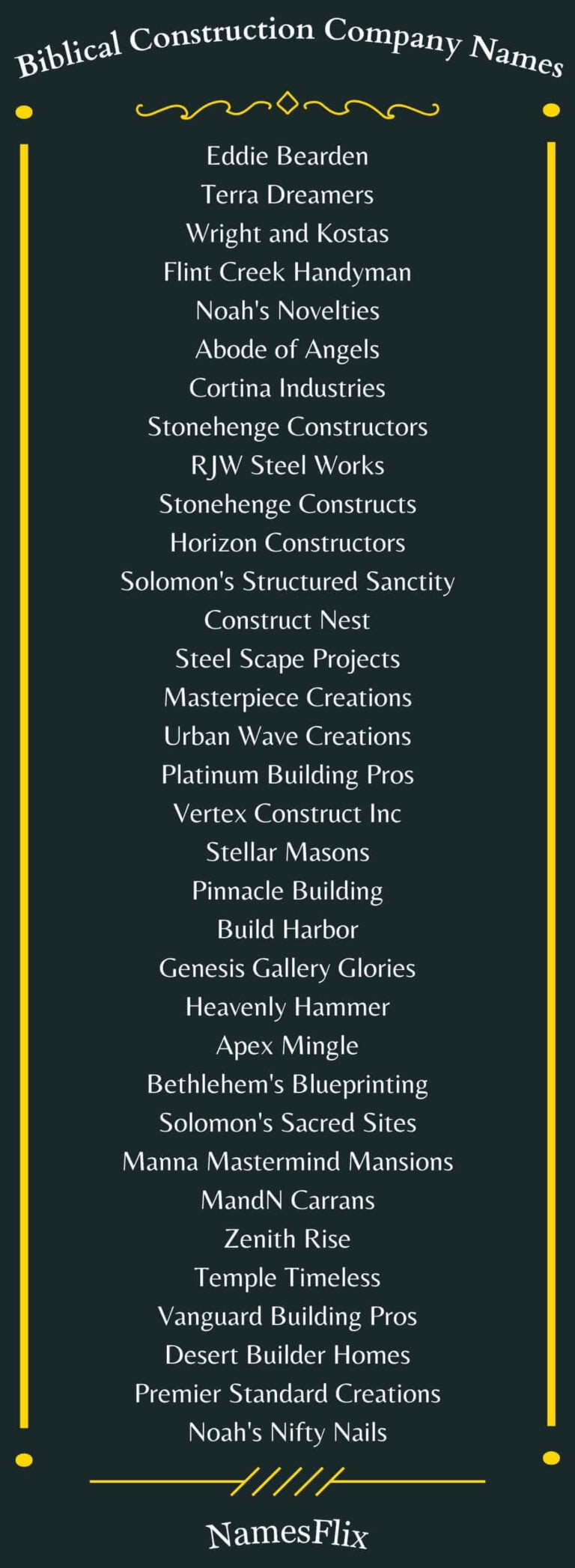
Here's a short list of name suggestions to get your creative juices flowing:
- Build & Beyond
- Renovate & Restore
- Constructive Solutions
- Home Crafters
- BuildTech Innovations
- Skyrise Builders
Remember, these are just a few ideas, and you can get creative and come up with something truly unique to your business.
Wrapping Up
Naming your construction company is an important step in building your brand. It's a chance to make a great first impression and showcase your business's personality and services. So, take your time, consider your options, and don't be afraid to get creative. And, of course, always check the legal aspects to ensure a smooth start to your business journey.