






Coloring Sheets Of Polar Bears Overview
I'm thinking about giving my Houston home a makeover. You know, a fresh coat of paint, maybe some new fixtures, and a general spruce-up. It's got me wondering about Houston contracting company options and what I should look for.
All About Houston Contracting Companies
When you're ready to transform your Houston home, you'll want to find a reliable contracting company to bring your vision to life. These companies offer a range of services, from construction and remodeling to home additions and renovations. They're the experts who can guide you through the process, ensuring your project is completed safely and efficiently.
The key to a successful project is finding the right contractor. You'll want to consider their experience, reputation, and the services they offer. Check online reviews and ask for references to ensure they've delivered quality work in the past. It's also crucial to get multiple quotes to compare pricing and ensure you're getting a fair deal.
What to Expect and How to Prepare
Houston contracting companies will typically provide an estimate based on the scope of your project. This estimate will cover the cost of materials, labor, and any necessary permits. Keep in mind that prices can vary depending on the complexity of the work, the materials you choose, and the current market rates for labor.
Before hiring a contractor, ask for a detailed breakdown of the costs. This should include a timeline for the project, any potential extra charges, and a warranty or guarantee for their work. It's a good idea to get a few quotes to compare and ensure you're getting a competitive price.
Naming and Branding
Naming a construction business can be fun! It should be catchy, memorable, and reflect the services you offer. Some Houston-based companies have creative names like "Houston Home Renovations," "Build-It-Right Contractors," or "Texas Transformations." These names are unique and give a clear idea of what the company does.
When choosing a name, make sure it's available for registration and that the domain name is free. You don't want any legal issues or confusion with an existing business.
Jobs and Opportunities
The construction industry offers a variety of roles, from general contractors and project managers to estimators and skilled laborers. These jobs often require specific skills and qualifications, so it's a good idea to check with industry bodies or local colleges for training and certification programs.
When looking for construction jobs, online job boards and industry-specific websites are great resources. You can also check with local contracting companies directly to see if they're hiring.
Industry Tools and Data
The construction industry uses various tools and resources to estimate costs and plan projects. One popular tool is RSMeans, which provides comprehensive cost data for construction projects. This data helps contractors and estimators create accurate quotes and manage project budgets.
While tools like RSMeans are valuable, they're just one part of the process. Contractors also need to consider local market conditions, labor rates, and the specific requirements of each project.
Large vs. Small Companies
Houston, like many cities, has a mix of large and small contracting companies. Large firms often have more resources and can take on bigger, more complex projects. They may also have specialized departments for different aspects of construction, like design or engineering.
Smaller companies, on the other hand, can offer a more personalized service. They're often more flexible and can provide a closer working relationship with the client. Both have their advantages, so it's a matter of finding the right fit for your project.
Final Thoughts
Finding the right Houston contracting company for your project is an important decision. Take your time, do your research, and don't be afraid to ask questions. With the right contractor, you can turn your Houston home into the space of your dreams.
Related: Understand Jupiter's Tide Chart Easily
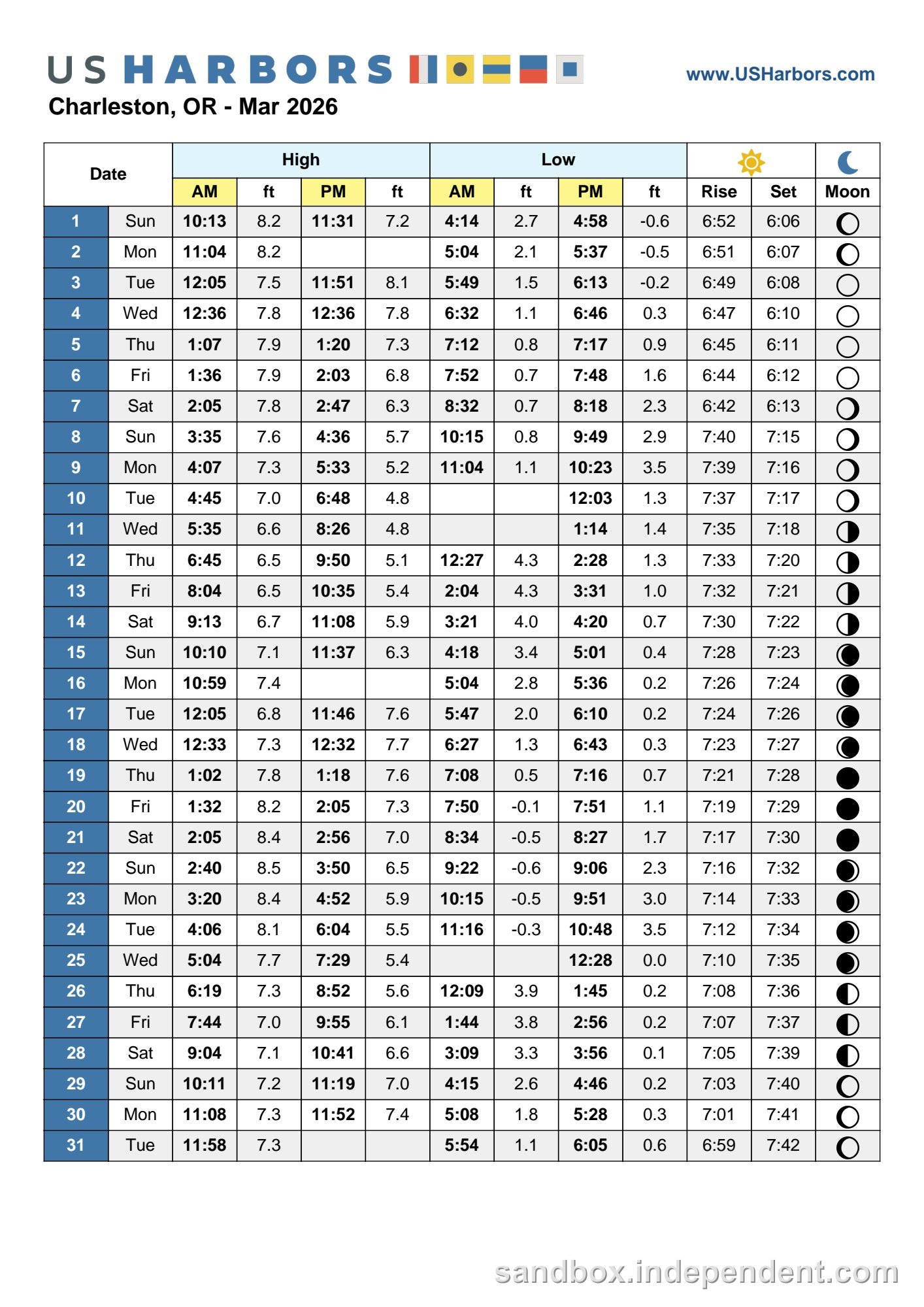
Many people assume that the Jupiter tide chart is only relevant for those visiting the planet, but it's a valuable tool for understanding tidal patterns right here on Earth too! While it might seem like an exotic concept, the Jupiter tide chart is actually a practical and accessible resource.
This chart provides a simple way to visualize and predict tidal movements, offering insights into Jupiter's tidal data and patterns. It's an easy-to-use reference, especially when you know how to read it accurately, and can be a helpful guide for understanding Jupiter's water levels and current tides.
Understanding the Jupiter Tide Chart
The jupiter tide chart is a valuable tool for anyone interested in tracking and understanding the tidal patterns of Jupiter. It provides a visual representation of the water levels and tidal ranges over a specific period, typically a day or a week. This chart is an essential guide for activities like boating, fishing, or simply enjoying the jupiter water levels.
Comparing Chart Formats and Standards
There are various formats for jupiter tidal charts, but the most common ones use a simple bar graph or line graph. The horizontal axis represents time, often in 24-hour intervals, while the vertical axis shows the water level or tidal range. Some charts may also include additional information, such as current speeds or moon phases, which can influence the tides. It's important to note that the units and scales may vary depending on the region and the standard being used. For example, the US may use different units compared to international standards.
Using the Jupiter Tide Chart Step by Step
To make the most of your jupiter tide chart, follow these steps:
Identify the time frame: Determine the period you want to analyze, whether it's a day, a week, or a specific time interval.
Locate the time of interest: Find the corresponding time on the horizontal axis.
Read the water level: The vertical axis will show the water level or tidal range at that specific time.
Plan your activities: With the water level information, you can now plan your boating, fishing, or other water-related activities accordingly. For instance, higher water levels might be ideal for certain fishing techniques, while lower levels could expose interesting coastal features.
Consider seasonal variations: Remember that jupiter tidal patterns can also change with the seasons. So, if you're planning an activity over a longer period, consider the seasonal trends and adjust your plans accordingly.
Common Misreadings and How to Avoid Them
When using a jupiter tide chart, it's important to be aware of potential misreadings:
Time intervals: Ensure you're reading the correct time interval. Some charts may have hourly intervals, while others might use half-hourly or even 15-minute intervals.
Units and scales: Be mindful of the units used. Different charts may use feet, meters, or even a scaled representation. Always check the chart's legend or key to understand the units and scales accurately.
Seasonal and weather variations: Jupiter tidal ranges can be influenced by seasonal changes and weather conditions. Always consider these factors and cross-reference with local weather forecasts.
Chart accuracy: While jupiter tidal charts are a great tool, they are estimates and may not account for all variables. Always double-check the exact specifications and conditions for critical activities or when safety is a concern.
By following these guidelines, you'll be able to accurately interpret and utilize the jupiter tide chart for your adventures on Jupiter's waters.
Jupiter tide charts are a handy tool for anyone interested in planning their activities around this fascinating phenomenon. With the different options and formats available, it's easy to find a chart that suits your needs.
Following the step-by-step guide, you can avoid common pitfalls and ensure an accurate reading. Remember, these charts provide a general guide, so it's always wise to double-check and consider any specific local factors that might affect the tides.
Feel free to explore our other guides and resources for more practical tips and insights. We've got you covered!
Related: US General Contractors Reliable Guide
I was chatting with a friend the other day, and the topic of home renovations came up. It got me thinking about top US general contractors and how crucial it is to find the right one for any construction project. So, let's explore what this term means and how it can impact your building or remodeling journey.
Understanding General Contractors
A general contractor is a professional who manages and oversees construction projects, acting as a key point of contact for homeowners and businesses. They handle everything from hiring subcontractors to ensuring the work is completed on time and within budget. These contractors are the backbone of any construction project, big or small.
When you're searching for a top-notch general contractor, it's essential to consider their experience, reputation, and the services they offer. While some specialize in residential projects, others focus on commercial builds or specific trades like plumbing or electrical work. Knowing their expertise is key to finding the right fit for your needs.
Hiring Tips and Considerations
Finding a reputable general contractor is a crucial step in any construction project. Here are some tips to help you make an informed decision:
- Check their licensing and insurance: Ensure they are properly licensed and insured for your state's requirements. This protects you and your investment.
- Ask for references: Speak to past clients to get an idea of the contractor's work quality and professionalism.
- Get multiple quotes: Compare quotes from different contractors to ensure you're getting a fair price and to understand the scope of the project.
- Understand the contract: Read and understand the terms of the contract before signing. It should outline the project details, timeline, and payment schedule.
- Consider their expertise: Look for contractors with experience in your specific project type. Whether it's a home addition or a commercial build, their expertise matters.
Company Names and Branding
Naming your construction business is an important step in building a brand. A good name should be memorable, unique, and reflect your company's values and services. Here are a few creative ideas to inspire you:
- BuildPro: A strong name suggesting professional building services.
- Crafted Spaces: Emphasizes the creation of unique and tailored spaces.
- Renova Construction: Combining renovation and construction, it hints at a full-service offering.
- Skyrise Builders: Evoking a sense of height and ambition, it's perfect for commercial projects.
- Green Build Group: Highlighting eco-friendly practices, this name appeals to environmentally conscious clients.
- Constructive Solutions: Suggesting a problem-solving approach, it's a great choice for a versatile contractor.
Industry Tools and Resources
The construction industry relies on various tools and resources to ensure projects run smoothly and efficiently. One such resource is RSMeans, a comprehensive database providing cost data and estimates for construction projects. It's a valuable tool for contractors and estimators, helping them price projects accurately.
Additionally, the industry uses cost indexes to track and forecast construction costs over time. These indexes consider factors like labor, materials, and market trends, providing valuable insights for budgeting and planning.
Construction Jobs and Opportunities
The construction industry offers a wide range of career paths, from general contractors and estimators to specialized trades like plumbing and electrical work. Job opportunities are abundant, and the industry is known for its skilled workforce.
When searching for construction jobs, online job boards and industry-specific websites are great resources. Additionally, networking and building relationships within the industry can lead to valuable connections and opportunities.
Wrapping Up
Exploring top US general contractors has given us a glimpse into the world of construction and the vital role these professionals play. From hiring tips to industry insights, I hope this guide has provided some valuable knowledge. Remember, when it comes to construction projects, taking the time to find the right general contractor is an essential step towards a successful and stress-free experience.