





Coloring Worksheets Cartoon Overview
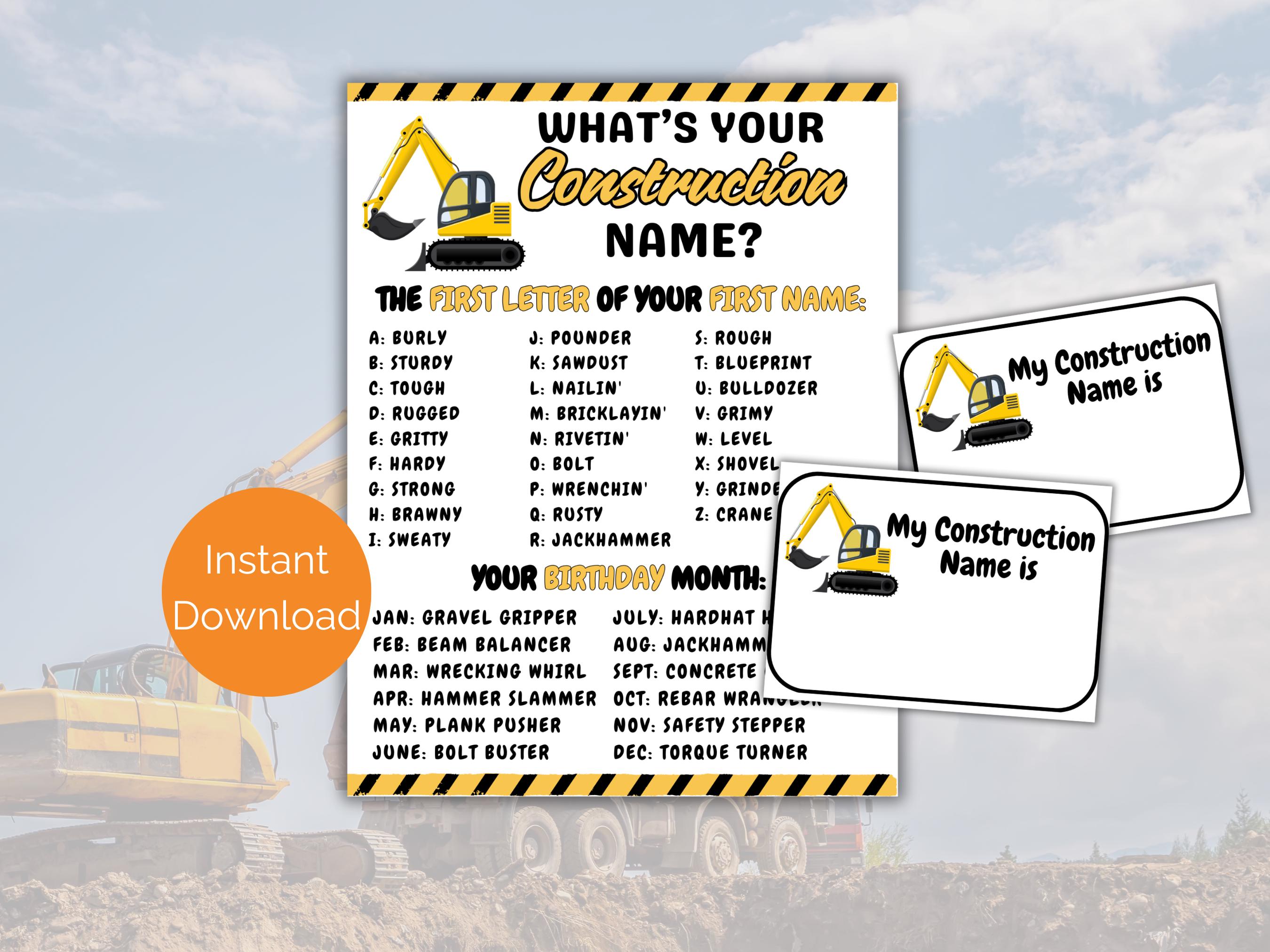
I was chatting with a friend the other day about their new business venture, and the topic of construction name ideas came up. It got me thinking about how important a good name is for any company, especially in the construction industry. So, let's explore this topic and uncover some insights!
Choosing a Name for Your Construction Business
When it comes to construction name ideas, it's all about finding something unique and memorable. Your business name is often the first impression you make on potential clients, so it's crucial to get it right. Think about what sets your company apart and try to capture that essence in a name. It could be a play on words, a nod to your expertise, or a simple, catchy phrase.
Consider the following factors:
- Simplicity: Keep it easy to remember and spell. Avoid long, complicated names that might be a mouthful.
- Relevance: Make sure your name reflects your construction services. It should give an idea of what you do.
- Uniqueness: Aim for something original. You don't want to be confused with another company, especially a competitor.
- Availability: Check if your desired name is available for registration and domain purchase. You don't want legal issues down the line.
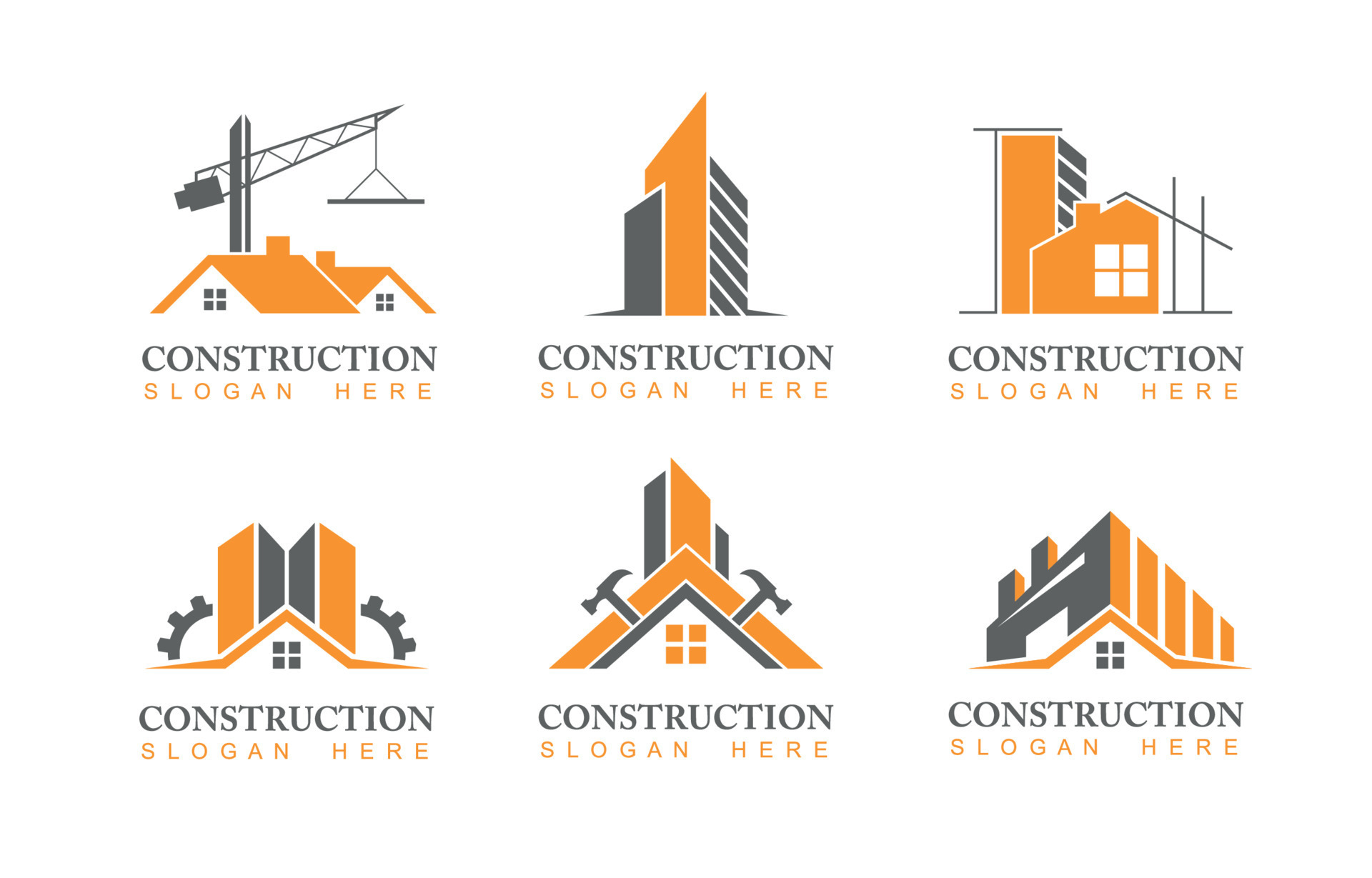
Here are a few original name suggestions to get your creative juices flowing:
- Build-it-Right
- Hammer & Saw
- Constructive Solutions
- HomeCrafters
- BuildPro
- Skyrise Builders
Hiring a Contractor: What to Look For
When you're ready to hire a contractor for your construction project, the name of the company is just one piece of the puzzle. Here are some tips to help you find the right fit:
- Research: Look for companies with a solid reputation and positive reviews. Check online platforms and ask for referrals.
- Experience: Ensure the contractor has experience with projects similar to yours. Ask about their portfolio and previous work.
- Licensing and Insurance: Verify that the contractor is licensed and insured. This protects you and ensures they are legitimate.
- Quotes and Estimates: Get multiple quotes to compare pricing and services. Be cautious of extremely low bids, as they might indicate hidden costs or poor quality.
- Communication: Choose a contractor who communicates clearly and keeps you informed throughout the project.
Industry Tools and Resources
In the construction industry, tools like RSMeans can be incredibly valuable. RSMeans provides cost databases and estimating tools, helping contractors and businesses accurately estimate project costs. It's a useful resource for both large and small-scale projects.
Additionally, staying updated on industry trends and outlooks is essential. Construction companies often rely on cost indexes and escalation data to make informed decisions and provide accurate quotes to clients.
Final Thoughts
So, there you have it! Choosing a name for your construction business is an important step, but it's just one aspect of running a successful company. Remember to focus on the quality of your work, build a solid reputation, and provide excellent customer service.
If you're still brainstorming construction name ideas, take your time and consider the tips we've discussed. A great name can be a powerful asset, but it's just the beginning of your construction journey.
Related: How to use a youth sizing chart?
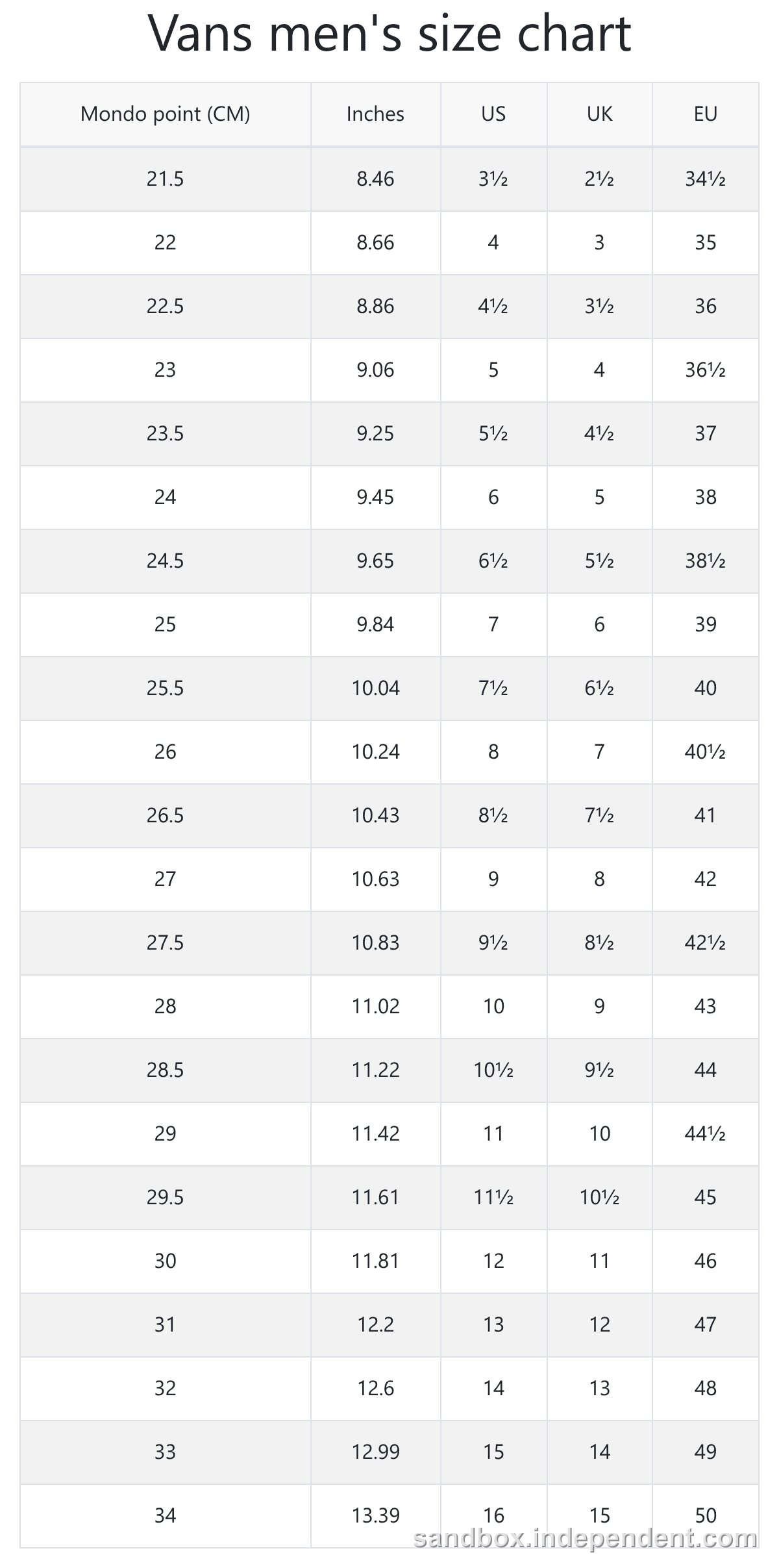
A youth sizing chart is a handy tool to have when shopping for kids' clothes and shoes. This guide will show you how to navigate these charts with ease, ensuring you get the right fit every time.
These charts are a quick reference, offering standard youth measurements to help you find the perfect size. While values may vary slightly by brand and region, they provide a reliable starting point. You'll find clothing size charts, shoe size guides, and even a head circumference guide, all designed to make sizing a breeze!
Understanding the Youth Sizing Chart
The youth sizing chart is your go-to guide for finding the perfect fit for kids' clothing and shoes. It's a simple yet powerful tool that helps you navigate the world of sizing, ensuring your little ones look and feel their best.
Key Details and Categories
This chart typically includes measurements for height, weight, and sometimes even age. These measurements are divided into categories, often based on age groups or specific size ranges. You'll find units in both centimeters (cm) and inches, so it's essential to know which system you're using. For instance, a child's height might be listed as 122 cm or 48 inches, depending on the standard.
How to Read and Apply the Chart
Using the youth sizing chart is straightforward:
Start by measuring your child's height and weight. If you're unsure, ask a friend or family member to help. It's best to measure in the morning, before any major activities, to get an accurate reading.
Locate the height and weight categories on the chart that match your child's measurements. These categories will often have a range, so find the one that best fits your child's size.
Once you've identified the right category, you'll see a recommended size or a range of sizes. This is the size you should choose when shopping for clothing or shoes.
For clothing, you might see a letter (e.g., S, M, L) or a number (e.g., 6, 8, 10) indicating the size. For shoes, you'll often find a number followed by a width indicator (e.g., 13 M, 1 M).
Variations and Differences
It's important to note that youth sizing charts can vary depending on the standard being used. For instance, a clothing size chart from one brand might not align perfectly with another brand's chart. This is especially true when comparing international sizing standards. Additionally, some charts might be more detailed, including measurements for head circumference or chest size, which can further refine the fit.
Common Mistakes and How to Avoid Them
One of the most common mistakes is not measuring accurately. Always take precise measurements, especially if your child is on the border of two size categories. Another pitfall is assuming that all brands or manufacturers use the same sizing standards. Always double-check the specific kids sizing guide or standard youth measurements provided by the brand or retailer. Lastly, don't forget to consider the material and design of the clothing or shoes. Some items might run larger or smaller than expected, so it's always a good idea to check reviews or ask for recommendations.
Well, that's the lowdown on youth sizing charts! You now have the tools to navigate these charts with ease and ensure a perfect fit for your little ones. Remember, while these charts are a fantastic guide, it's always wise to double-check the specific requirements or standards you're working with.
Feel free to explore our other resources; we've got a range of practical guides to help you tackle various tasks with confidence. Happy sizing and see you around!
Related: Names For Concrete Business Essential Tips
I was thinking about starting a names for concrete business the other day, you know, something to do with construction and building. It got me wondering about the right name, something that would stand out and be memorable. So, I did some research and here's what I found...
Choosing a Name for Your Concrete Business
When it comes to naming your concrete business, you want something that reflects the strength and durability of the industry. A name that is catchy and easy to remember will help your business stick in people's minds. Consider words like "solid", "foundation", or "build" to convey a sense of stability and reliability.
What Makes a Good Name?
A good name for a concrete business should be unique and not too generic. Avoid common terms like "construction" or "builders" as these can be used by many different companies. Instead, focus on creating a name that is specific to your business and the services you offer. You could also consider using a play on words or a clever combination of words to make your business name memorable.
Example Names
Here are a few ideas to get you started:
- Solid Foundations
- Rock-Solid Builders
- Concrete Creations
- Build-It-Right
- Stronghold Construction
- Everlast Builders
Remember, these are just a few suggestions, and you can always get creative and come up with your own unique name.
Registering Your Business Name
Once you've settled on a name, you'll need to check its availability and register it. This process varies depending on your location, so it's best to contact your local business registration office or check their website for guidance. You'll also want to secure a domain name for your website and any social media handles to ensure your online presence is consistent.
Hiring a Contractor
If you're hiring a contractor for your project, whether it's a home renovation or a new build, it's important to do your research. Check their qualifications, experience, and references. Ask for a detailed quote, including a breakdown of costs, and compare it with other quotes to ensure you're getting a fair price. Don't be afraid to ask questions and seek clarity on any aspects of the quote you don't understand.
The Cost of Renovations
Renovation costs can vary greatly depending on the scope of the project, the materials used, and the location. It's always a good idea to get multiple quotes from different contractors to compare prices and ensure you're getting a competitive rate. Remember, the cheapest quote might not always be the best option, so consider the quality of the work and the reputation of the contractor too.
Industry Tools and Resources
There are various tools and resources available to help with construction and remodeling projects. RSMeans, for example, is a popular cost database used by professionals to estimate project costs. It provides accurate data on materials, labor, and other construction-related expenses. These tools can be beneficial for both contractors and homeowners to ensure projects stay on budget.
Construction Jobs and Salaries
The construction industry offers a range of job roles, from general contractors and estimators to specialized tradespeople. Salaries can vary depending on experience, qualifications, and the specific role. If you're looking for construction jobs, online job boards and local employment agencies are great places to start your search.
So, there you have it! A few insights into the world of names for concrete business. It's an exciting industry to be a part of, and with the right name and approach, you can build a successful business. Good luck!