




Coloring Worksheets Spiderman Overview
A jacket size chart is a handy tool to ensure you get the perfect fit when shopping for outerwear. This guide will navigate you through the process of understanding and utilizing these charts effectively. Whether you're seeking a coat size chart or a jacket sizing guide, this reference covers the basics to help you find your ideal size. While values may vary across different brands and standards, a clear jacket size chart can provide a reliable starting point for your measurements.
Understanding Jacket Size Charts
A jacket size chart is a valuable tool for anyone looking to purchase a jacket that fits perfectly. It provides a standardized guide to help you determine your ideal size based on various measurements. This chart is an essential reference, ensuring you make an informed choice and avoid common sizing pitfalls.
Key Details and Categories
The jacket size chart typically includes measurements such as chest circumference, sleeve length, and sometimes waist or hip measurements, depending on the style of the jacket. These measurements are presented in a clear, tabular format, often with columns indicating different sizes and rows for each measurement type. The chart may also provide guidance on how to measure these body parts accurately. It's important to note that the units of measurement can vary; some charts use inches, while others use centimeters. Always check the units before taking measurements.
Step-by-Step Guide: Reading and Applying the Chart
To use a jacket size chart effectively, follow these steps:
- Gather the necessary measuring tools, such as a flexible tape measure. Ensure it's suitable for measuring both your body and the jacket.
- Take accurate measurements of your body. Measure your chest circumference at the fullest part of your chest, ensuring the tape is not too tight or too loose. For sleeve length, measure from the center of the back of your neck to the desired sleeve length.
- Refer to the jacket size chart and locate the size that best matches your measurements. Look for the size where your chest circumference and sleeve length (or other relevant measurements) fall within the specified range.
- If your measurements fall between two sizes, consider the fit you prefer. If you want a looser fit, choose the larger size; for a more tailored look, opt for the smaller size.
- Check the jacket's specific sizing guidelines, if available. Some brands or styles may have unique sizing recommendations or variations.
Variations and Differences Across Standards
Jacket size charts can vary depending on several factors. One significant factor is the region or country of origin. International size standards can differ, with variations between the US, Europe, and other regions. For instance, a size 'M' in the US may not correspond to the same size in Europe. Additionally, different manufacturers may have their own sizing systems, which can lead to slight variations even within the same region. It's crucial to be aware of these differences and refer to the specific jacket size chart provided by the brand or retailer.
Common Mistakes and How to Avoid Them
One common mistake is assuming that all jacket size charts are universal. Always check the specific chart for the brand or style you're interested in. Another pitfall is measuring yourself incorrectly. Ensure you follow the guidelines provided on the chart for accurate measurements. Avoid estimating or guessing your size, as this can lead to an ill-fitting jacket. Lastly, be mindful of the style and cut of the jacket. Some jackets, like tailored blazers, may require more precise measurements compared to casual, loose-fitting styles.
Practical Tips for Accurate Results
To ensure an accurate fit, consider the following tips:
- Measure yourself regularly, as your body shape can change over time.
- Take measurements at the same time of day, as body shape can vary slightly throughout the day.
- If you're between sizes, consider the fabric and stretchiness of the jacket material. A more flexible fabric may allow for a slightly looser fit.
- Don't be afraid to try on multiple sizes, especially if you're shopping online. Many retailers offer easy return policies.
- Pay attention to the jacket's intended fit. Some jackets are designed to be oversized or fitted, and this can impact your sizing choice.
Double-Check and Handle Exceptions
While jacket size charts provide a great starting point, there are some exceptions to consider:
- If you have a unique body shape or specific fit preferences, you may need to adjust the standard measurements. For example, if you have a broad chest and narrow shoulders, you might need to choose a size based on your chest measurement, even if it means the sleeve length is slightly longer.
- Certain jacket styles, like puffer jackets or down-filled coats, may have different sizing considerations due to the bulkiness of the insulation. In such cases, it's essential to check the brand's specific sizing guidelines.
- Always refer to the product description and reviews for additional sizing insights. Sometimes, customers provide valuable feedback on the fit and sizing of a particular jacket.
Remember, while this chart provides a comprehensive guide, it's always wise to confirm the specific requirements for your intended use. Exact values can vary, so double-check the standards or guidelines relevant to your context.
Consider bookmarking this page for future reference; it's a handy tool to have at your fingertips when you need a quick reminder on jacket sizing. Stay organized, and happy measuring!
Related: Understand Destin Tide Chart: A Quick Guide
A destin tide chart is your handy tool for understanding the tides in this beautiful Florida destination. It's a simple yet powerful resource for anyone planning a day by the water.
This guide will show you how to read and interpret the chart's information, so you can make the most of your time on the Gulf of Mexico. From tide heights to current flow, we'll cover the basics, ensuring you're prepared for your next adventure.
Understanding Destin Tide Charts
The destin tide chart is a handy tool for anyone planning activities on the water or along the coastline. It provides a visual representation of the tides, showing when high and low tides occur and the corresponding water levels. This chart is especially useful for fishermen, boaters, and beachgoers who need to know the tide times and conditions to plan their activities.
Key Details and Categories
The destin tide chart typically displays the tide times and heights for a specific location, usually a coastal city or area. It shows the daily tide patterns, with times and heights for both high and low tides. The chart will often cover a few days, providing a forecast for planning purposes. The key categories to look out for are:
- High Tide Times: These are marked with a "H" or "HT" and indicate the times when the water level is at its peak.
- Low Tide Times: Marked with an "L" or "LT," these show when the water level is at its lowest.
- Tide Heights: This is the vertical distance between the high and low tide levels, often measured in feet or meters.
Reading and Applying the Tide Chart
To use the destin tide chart, follow these simple steps:
- Identify the date and time you plan to be on the water or at the beach.
- Locate the corresponding high and low tide times on the chart for that date.
- Consider the activity you have in mind. For fishing, you might want to aim for the highest high tide or the lowest low tide, as this can affect fish behavior and access to certain areas. For boating, you'll want to ensure there's enough water depth for your vessel.
- Check the tide heights to understand the water level conditions. This is especially important for activities like kayaking or paddleboarding, where shallow waters can be an issue.
- Plan your activity around the tide times and heights to ensure a safe and enjoyable experience.
Interpreting Variations
Tide charts can vary based on several factors. Here are some key considerations:
- Location: Different coastal areas experience unique tidal patterns due to geographical features and the shape of the coastline.
- Weather Conditions: Storms, winds, and atmospheric pressure can influence tide heights and times.
- Moon Phases: The gravitational pull of the moon affects tides, so full and new moon phases can result in higher high tides and lower low tides.
- Seasonal Changes: Tides can vary slightly with the changing seasons, especially in areas with significant temperature fluctuations.
Common Mistakes and How to Avoid Them
When using a destin tide chart, it's important to avoid these common pitfalls:
- Assuming Standard Times: Always double-check the time zone and daylight savings adjustments, especially if you're traveling to a new area.
- Ignoring Weather Effects: Be aware that extreme weather conditions can significantly impact tides. Check local weather reports for any alerts or advisories.
- Overlooking Seasonal Changes: If you're visiting during a different season, ensure you're using a recent tide chart that accounts for seasonal variations.
- Not Considering Location-Specific Factors: Research any unique geographical features or local conditions that might affect tides in your chosen area.
Remember, while the destin tide chart is a valuable tool, it's always a good idea to stay informed about local conditions and any potential changes that might impact your plans.
Hey there! I hope this guide has given you a clear understanding of the Destin tide chart and how to use it effectively. Remember, while the basics remain the same, the exact details might shift a bit based on your specific context or the source you're referring to.
So, the next time you need a quick tide reference, feel free to bookmark this page for a handy reminder. There are also plenty of other practical guides on various topics that might come in handy, so feel free to explore and discover more!
Related: Bike Length Chart: A Comprehensive Guide
A bike length chart is often misunderstood as a complex and confusing tool, but it's actually a simple and handy reference for any cyclist. Many riders assume it's an exact science, but the truth is, these charts are versatile and offer a range of options.
While it's a great starting point, the measurements can vary depending on your riding style and preferences. The chart provides a guide, but you can adjust and personalize your bike setup with a few simple checks, like seat height and reach.
Understanding the Bike Length Chart
The bike length chart is a handy tool for cyclists, offering a simple guide to choosing the right bike size. It's a reference point, helping you find the ideal fit for your height and riding style. This chart is a great starting point, but it's important to remember that it's not an exact science; there are other factors to consider too.
Comparing Bike Size Options
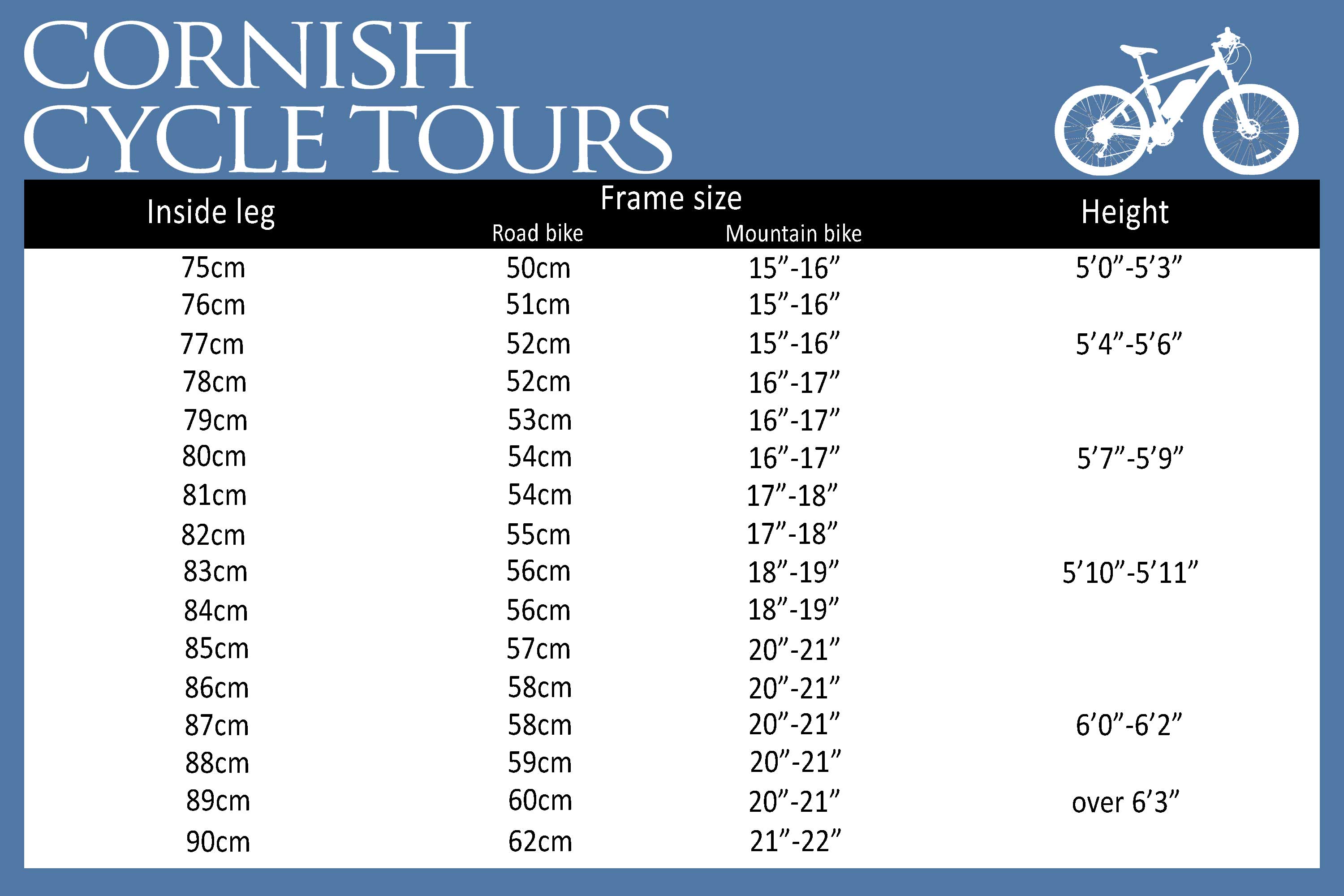
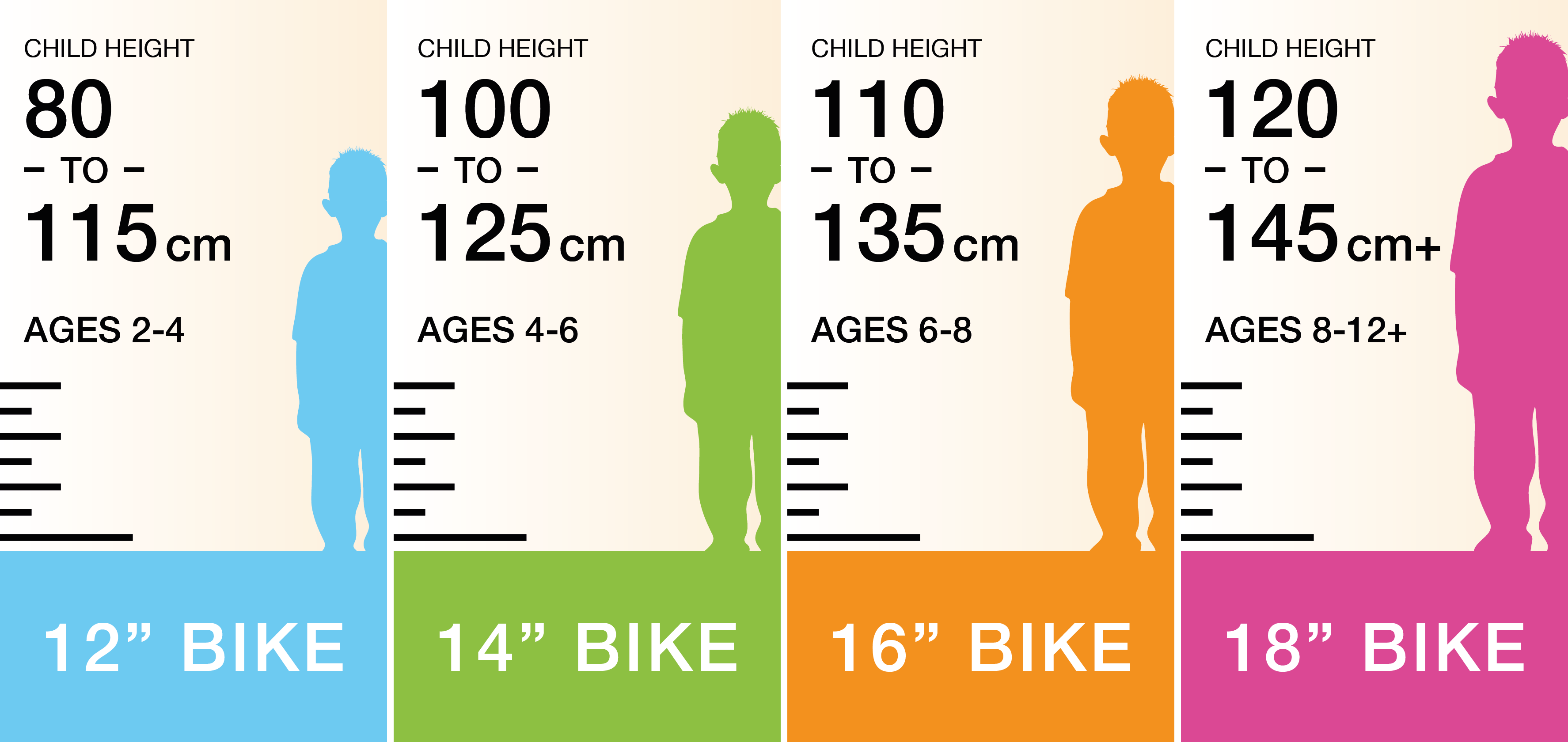
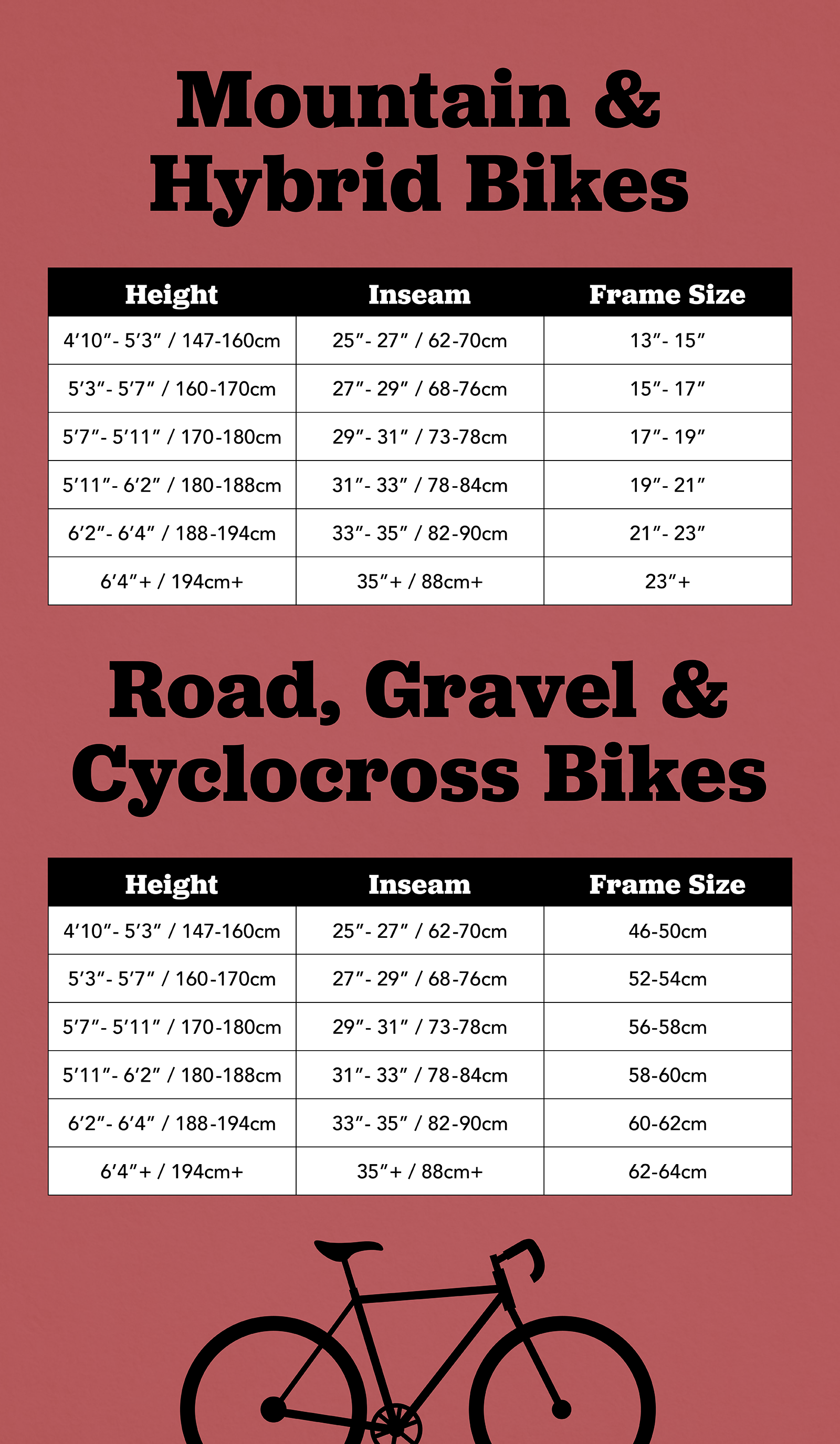
Bike size charts typically list bike frame sizes, often in inches or centimeters, and match them to rider height. You'll find charts for different bike types, like road, mountain, or hybrid bikes, each with its own size standards. These charts may also include other measurements like wheel diameter and seat height, offering a more comprehensive guide.
Choosing the Right Size: A Step-by-Step Guide
Start by identifying your primary use for the bike. Different riding styles require different fits. For example, a road bike might need a more aggressive position, while a leisure rider might prefer a more upright, comfortable position.
Check your height and compare it to the chart. Most charts will have a range of heights for each frame size, so find the one that best fits your height.
Consider your comfort and riding style. If you're between sizes, choose the larger frame for a more relaxed position, or the smaller for a more aggressive, performance-oriented fit.
Don't forget about other measurements. Check the wheel diameter and seat height to ensure they align with your preferences and riding needs.
Common Misreadings and How to Avoid Them
It's easy to misinterpret a bike length chart. One common mistake is assuming the chart is an exact science. While it's a great guide, it's not a guarantee of a perfect fit. Another pitfall is forgetting to consider other measurements, like reach and standover height, which can impact comfort and safety.
Factors Affecting Accuracy
Several factors can influence the accuracy of your bike size choice. These include your riding style, personal preferences, and the specific brand and model of the bike. It's always a good idea to double-check the exact specifications and tolerances of the bike you're interested in. Some brands may have slightly different standards, so it's worth checking their size guides too.
Well, there you have it! A handy bike length chart is a great tool to have in your cycling toolkit. It offers a quick and easy reference, but remember, it's always good to double-check the specific details for your bike's make and model.
Exact values can vary slightly, so it's best to confirm with your bike's manufacturer or a trusted bike shop. This chart is a brilliant starting point, but your bike's unique features might require a little extra attention. So, keep this page bookmarked for future reference, and you'll always have a quick and handy guide to refer to when needed!