





Colouring Pages Blaze And The Monster Machines Overview
You've stumbled upon the blank 100 chart, a versatile tool often sought for its practical applications. This simple yet powerful chart serves as a reference guide, offering a structured layout that can be tailored to various needs. Whether you're seeking a quick numerical reference or aiming to teach counting and number recognition, the blank 100 chart provides a flexible foundation.
Understanding the Blank 100 Chart
The blank 100 chart is a versatile and simple tool, often used as an educational resource, particularly in mathematics. It provides a visual representation of numbers from 1 to 100, arranged in a grid format, with each number occupying its own square. This chart is a fundamental teaching aid, helping students grasp counting, number patterns, and basic mathematical operations.
Comparing Chart Formats and Standards
While the basic structure remains consistent, there are variations in the hundred chart depending on the educational context and region. Some charts feature a simple grid with numbers, while others may include additional elements like color-coding or mathematical symbols. For instance, a chart designed for younger learners might use colors to highlight number patterns or prime numbers. The number chart's format can also vary based on the educational standard being followed, such as the US Common Core or international curricula.
Using the Blank 100 Chart: A Step-by-Step Guide
- Obtain a blank grid suitable for your purpose. Ensure it has a clear and consistent layout, with each number easily identifiable.
- Familiarize yourself with the chart's structure. Typically, numbers increase from left to right and top to bottom.
- Use the chart for counting and number recognition. Point to each number as you count, helping students associate the written digit with its value.
- Teach number patterns and sequences. The hundred square format makes it easy to identify patterns, such as even and odd numbers, or counting by twos, fives, or tens.
- Introduce basic mathematical operations. The chart can visually represent addition and subtraction, helping students understand number lines and the concept of 'jumping' numbers.
- Encourage creative uses. The chart can be a starting point for various mathematical explorations, such as identifying prime numbers, creating number stories, or even simple data analysis.
Common Misconceptions and How to Avoid Them
- Blank 100 chart values are not absolute. While the chart provides a structured framework, it's important to remember that numbers can be represented in various ways, and different educational standards may have slight variations. Always double-check specific requirements or tolerances for your context.
- Avoid over-reliance on the chart. While it's a valuable tool, it should complement other teaching methods and not become the sole focus of mathematical learning. Encourage students to explore numbers and patterns beyond the chart's boundaries.
- Be aware of potential distractions. Some charts may include colorful designs or patterns, which can be engaging but might also distract certain learners. Choose a chart with a design that suits your students' needs and learning styles.
Remember, the blank 100 chart is a flexible resource, adaptable to various teaching approaches and student needs.
Remember, when working with any chart or guide, it's essential to tailor it to your unique needs. Double-check that the information and values you're using align with your specific context and requirements.
Feel free to explore our other resources and guides; we've got plenty of practical tips and tools to help you stay organized and efficient. Happy charting!
Related: Construction Cost Database Essential Guide
I've been thinking about doing some home renovations lately, and one thing that's been on my mind is how to budget and plan for the costs. That's when I stumbled upon the construction cost database - a handy tool that seems like it could really help me out. So, I did some digging and here's what I found...
Understanding Construction Costs
A construction cost database is like a big, detailed library of information about building and renovation costs. It's a resource that construction companies, contractors, and even homeowners like me can use to get a better idea of what projects might cost. This database covers all sorts of construction work, from new builds to remodels and everything in between.
The beauty of it is that it provides estimates for different types of work, like installing a new roof, adding a room, or even just painting a wall. It takes into account things like the size of the project, the materials needed, and even the location, which can affect costs. So, it's a great way to get a rough idea of what you might be looking at financially before you even start a project.
Finding the Right Contractor
When it comes to hiring a contractor, the construction cost database can be a real lifesaver. It can help you compare quotes and ensure you're getting a fair deal. You see, contractors will often use these databases to estimate their quotes, so if you have access to the same info, you can better understand the costs they're quoting you.
Before hiring, make sure to check their references, ask about their experience with similar projects, and get a detailed breakdown of the costs. A good quote will cover all the bases, from labor to materials, and will give you a clear idea of any potential extra costs that might come up.
Company Names and the Industry
In the construction world, company names can be a bit of a giveaway about what they do. Often, you'll see names that are straightforward and to the point, like "Atlanta Building Solutions" or "Helena Home Renovations". These names are easy to remember and give a clear indication of the services offered.
If you're thinking of starting a construction business, choosing a name is an important step. It needs to be unique, memorable, and reflect the services you provide. Some fun examples could be "Build-it-Right Construction", "Hammer & Nail Builders", or "Renovate & Revive". Just remember to check the availability of the name and secure the relevant registrations and domains.
Jobs and Opportunities
The construction industry offers a wide range of jobs, from general contractors and estimators to project managers and specialists in various trades. These roles can vary greatly in terms of responsibility and salary, depending on experience and the size of the company.
If you're interested in construction jobs, you'll likely find opportunities advertised online, through job boards, and even on company websites. It's a good idea to keep an eye on these platforms and to tailor your resume and cover letter to the specific role and company you're applying for.
Industry Tools and Insights
Tools like RSMeans are popular in the construction industry and are essentially detailed cost databases. These tools are used by professionals to estimate costs accurately and efficiently. They provide valuable insights into the costs of different materials, labor, and even the potential impact of economic factors on a project.
Having access to these tools can be a real advantage, especially for larger construction companies. It allows them to provide accurate quotes and plan projects effectively. For homeowners, it's a great way to get a realistic idea of what your renovation might cost.
Big Players and the Industry
The construction industry is diverse, with companies of all sizes. The big players often have the advantage of economies of scale, allowing them to take on larger projects and offer more specialized services. They might have access to better resources, like advanced cost databases and tools, which can give them an edge in the market.
However, smaller companies can offer a more personalized service and often have a strong local presence. It's a balance between size and specialization, and both types of companies play a vital role in the industry.
So, there you have it! The construction cost database is a valuable resource for anyone involved in construction, whether you're a homeowner, a contractor, or a company owner. It's a great way to get a handle on costs and plan effectively.
Related: Small Kitchen Remodel Easy Guide
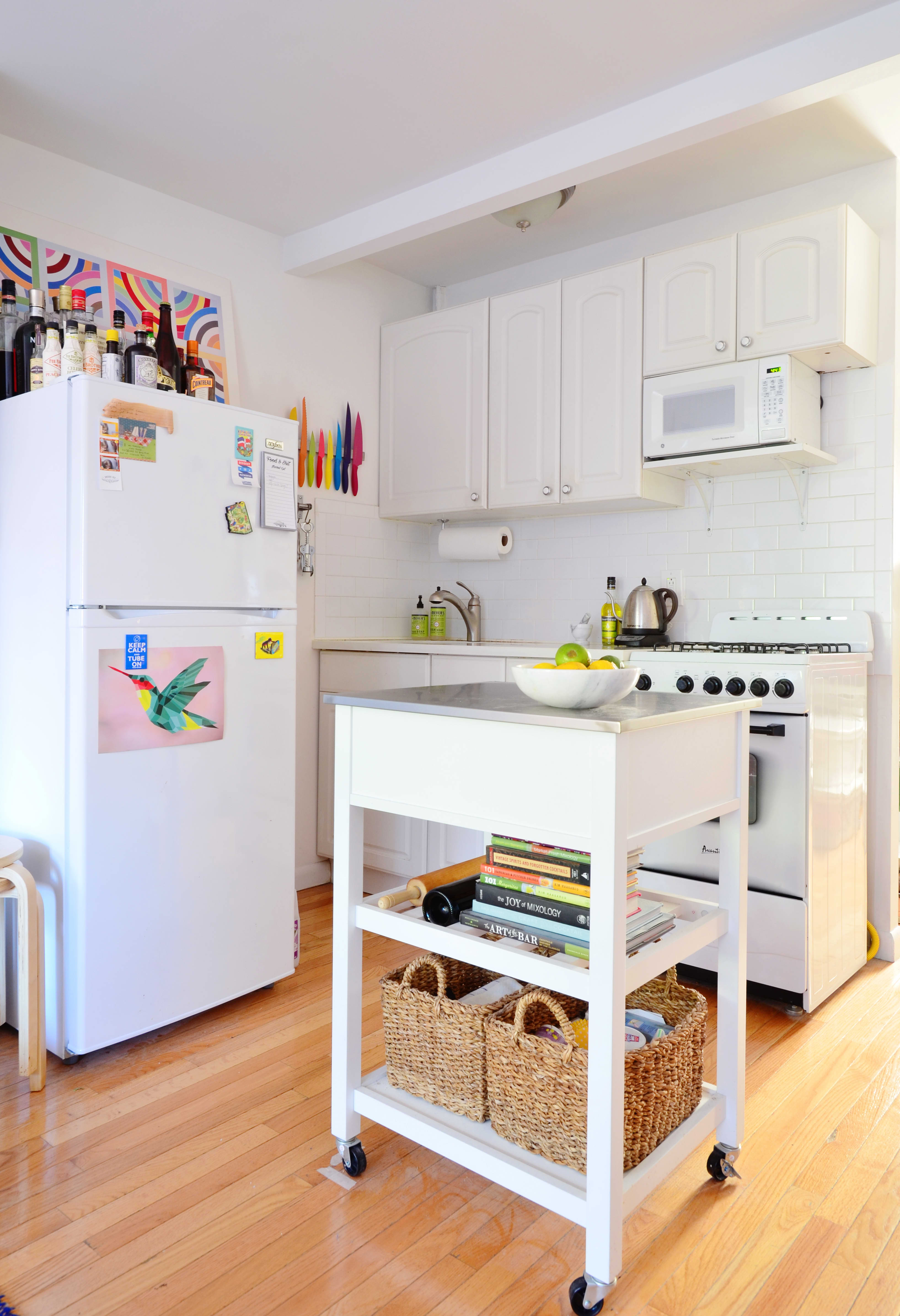
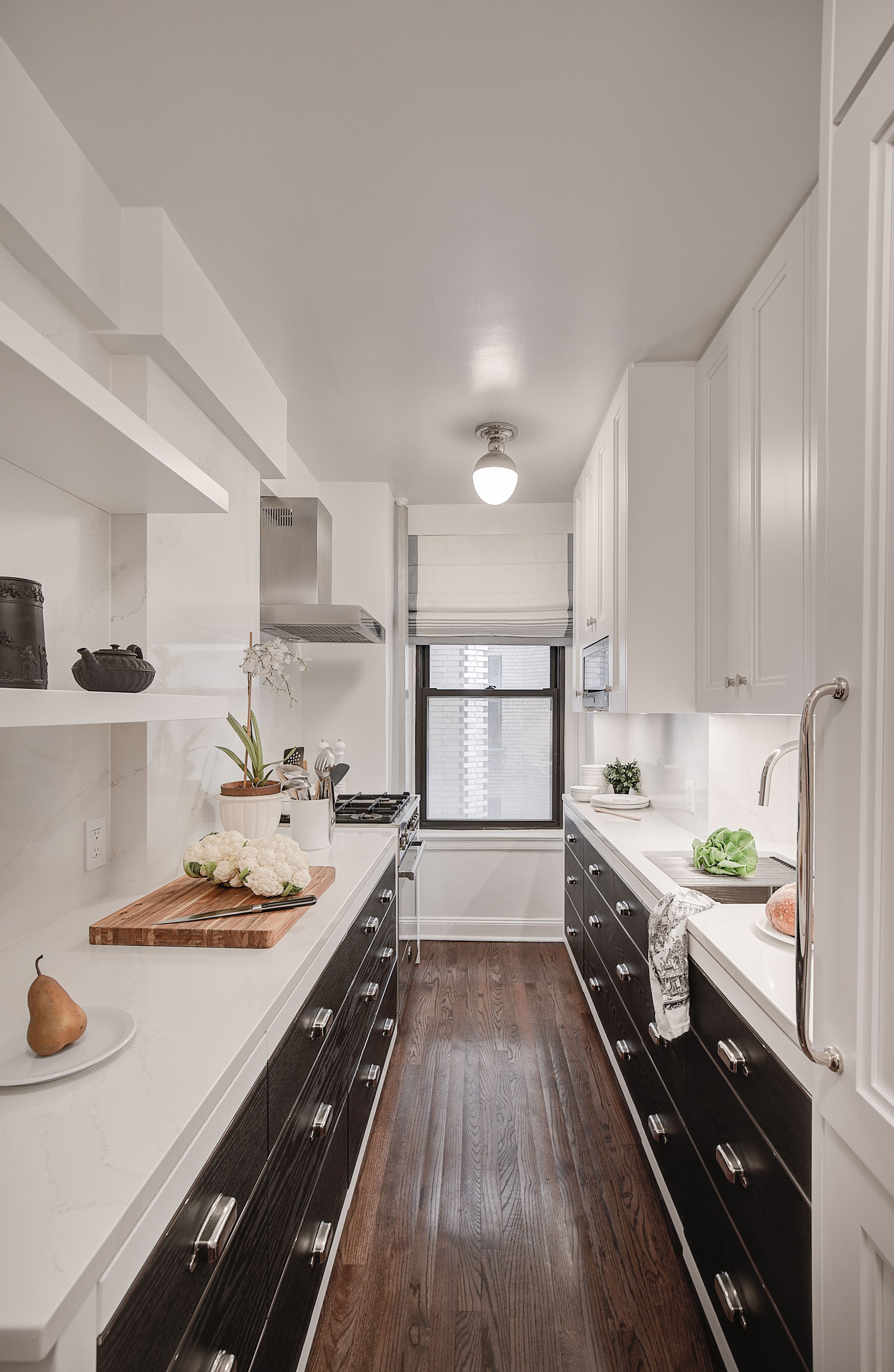
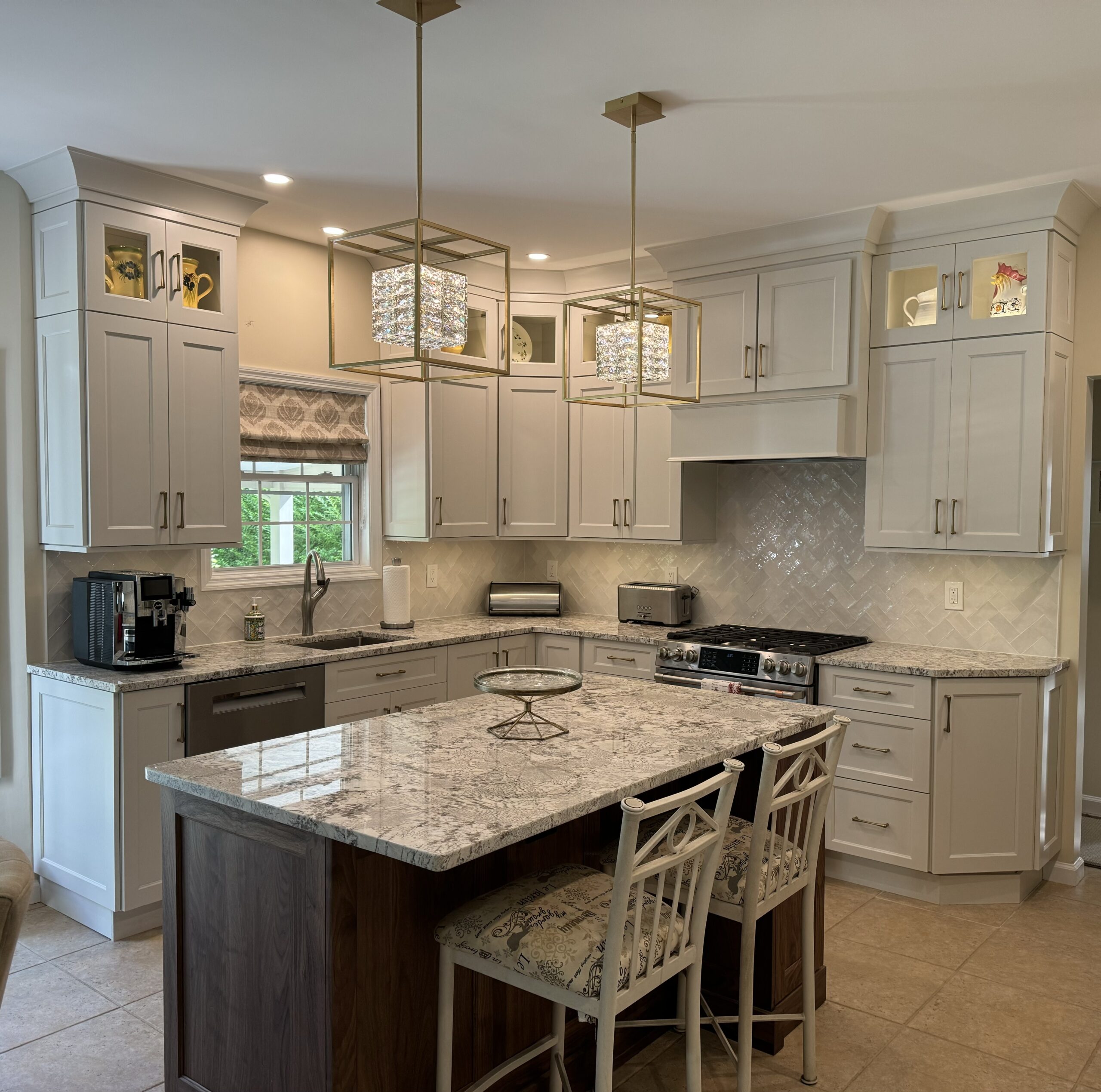
I just moved into a new place, and the kitchen is so tiny! I'm thinking about doing a small kitchen remodel to make it more functional and enjoyable to use. It's amazing how much a simple refresh can transform a space.
All About Your Small Kitchen Remodel
A small kitchen remodel is a great way to enhance your cooking and dining experience without a full-scale renovation. It focuses on improving the layout, storage, and overall functionality while keeping costs and disruption to a minimum. You can achieve a lot with some clever design and thoughtful upgrades.
First, assess your needs and budget. Decide what you want to achieve: more storage, a better workflow, or a brighter, more modern feel. Then, research materials and fixtures to find options that fit your style and price range. For example, new countertops and cabinet fronts can make a big difference, or you could consider a fresh coat of paint and some new hardware for a more affordable refresh.
When it comes to labor, you have a few options. If you're handy, you might be able to tackle some tasks yourself, like painting or installing new fixtures. But for more complex work, like plumbing or electrical, it's best to hire a professional. Look for local contractors or remodeling companies with good reviews and ask for quotes. Compare prices and ask about their experience with similar projects.
Finding the Right Contractor
Hiring a contractor is a crucial step in your small kitchen remodel. Check their licensing and insurance, and ask for references from past clients. A good contractor will listen to your vision and offer suggestions to make it a reality. They should provide a detailed quote outlining the work, materials, and expected timeline.
Get quotes from multiple contractors to compare prices and approaches. Don't just go for the cheapest option; consider their experience, reputation, and how well they understand your needs. A clear, itemized quote will help you spot any potential issues or hidden costs.
Construction and Remodeling Companies
Construction and remodeling companies come in all sizes, from sole proprietors to large firms. Smaller companies often offer more personalized service and may be more flexible with design and budget. Larger firms may have more resources and specialized teams, but they might be more rigid in their processes.
When choosing a company, consider your project's scope and complexity. For a simple refresh, a smaller local company might be ideal. But for a more extensive remodel, a larger firm with specialized departments could provide more comprehensive service.
Naming Your Business
If you're in the construction or remodeling business, your company name is key. It should be memorable, reflect your services, and stand out in a crowded market. Avoid generic names and opt for something unique and catchy. Here are a few ideas:
- Build-It-Better
- Renovate & Revive
- Home Transformation Pros
- Crafted Spaces
- Modern Makeovers
Remember to check name availability and secure the relevant local registrations and domains.
Final Thoughts
A small kitchen remodel is an exciting project that can transform your cooking space. By assessing your needs, researching options, and hiring the right help, you can create a functional and beautiful kitchen. It's a great way to add value to your home and make it a more enjoyable place to be. So, are you ready to get started?