





Colouring Pages Christmas Presents Overview
You've found yourself searching for a lol mastery chart to help you quickly grasp the game's mechanics and strategies. This simple yet effective tool, often in the form of a visual guide, offers a snapshot of the game's mastery system. It's a handy reference for players, providing an overview of the mastery tree, runes, and the path to progression.
Understanding the LOL Mastery Chart
The lol mastery chart is a visual representation of a player's progress and skill development in the game League of Legends. It provides an overview of a player's mastery points, ranks, and their journey through the game's mastery system. This chart is a valuable tool for players to track their growth and understand their standing among other players.
Key Details and Categories
The chart typically displays mastery points, which are earned through playing and achieving certain milestones. These points are represented on a scale, often with different colors or levels to indicate progress. The categories or ranks on the chart are usually divided into tiers, with each tier representing a higher level of mastery. These tiers may have names or numerical values associated with them, indicating the player's overall skill level.
Reading Mastery Levels and Progression
To read the lol mastery chart, start by identifying your current mastery rank or tier. This is often displayed prominently on the chart. Next, look at the mastery points associated with your rank. These points indicate the progress you've made and the skills you've acquired. The chart may also provide insights into the next steps for progression. It might suggest specific champions or roles to focus on to advance to the next tier.
Here's a step-by-step guide:
- Locate your current rank or tier.
- Note the mastery points and any associated achievements.
- Identify the requirements or suggestions for advancing to the next tier.
- Plan your gameplay to fulfill these requirements, whether it's mastering a new champion or improving your strategy.
Common Mastery Paths and Variations
The lol mastery chart can vary based on several factors. Firstly, different regions or servers may have slightly different mastery systems and charts. Additionally, the game itself evolves, introducing new champions and updates, which can impact the mastery path. Players' preferences and playstyles also contribute to variations. Some players might focus on a specific role or champion, resulting in unique mastery paths.
- Regional differences
- Game updates and new champions
- Player preferences and playstyles
Remember, the lol mastery chart is a guide, and while it provides a structured overview, it's important to adapt and tailor your gameplay to your strengths and interests. It's a tool to help you understand your progress and set goals, but the beauty of League of Legends lies in its diverse strategies and the freedom to explore different paths.
The LOL Mastery Chart is a handy tool, offering a clear and concise reference point for your LOL journey. By understanding the key elements, you can navigate and apply this chart with ease.
Remember, when utilizing any reference guide, it's essential to consider your unique context and requirements. Exact values and standards may vary, so a quick double-check ensures you're on the right path. Feel free to bookmark this page for future LOL adventures; it's a simple yet effective resource to have at your fingertips!
Related: How to use the Lulus size chart?
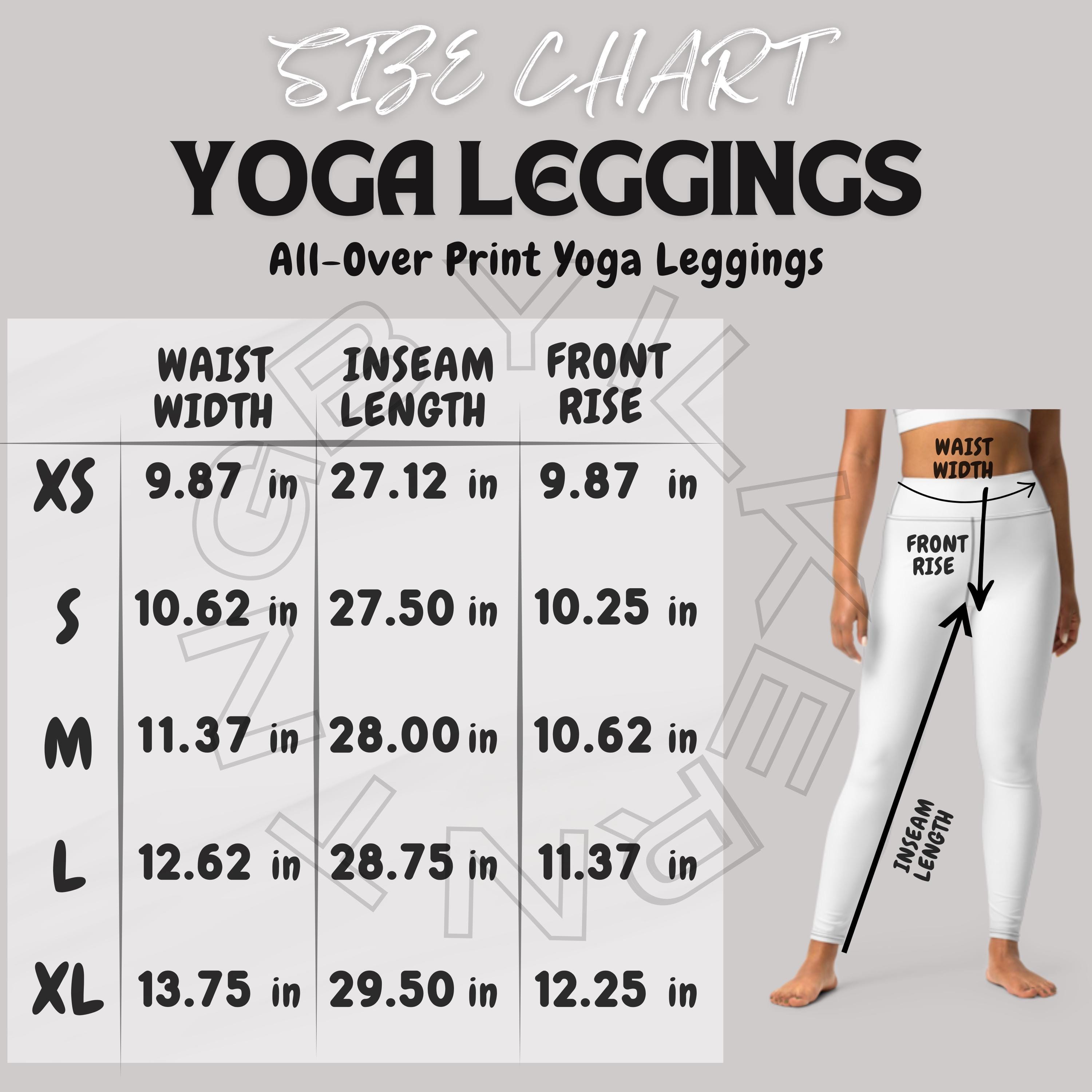
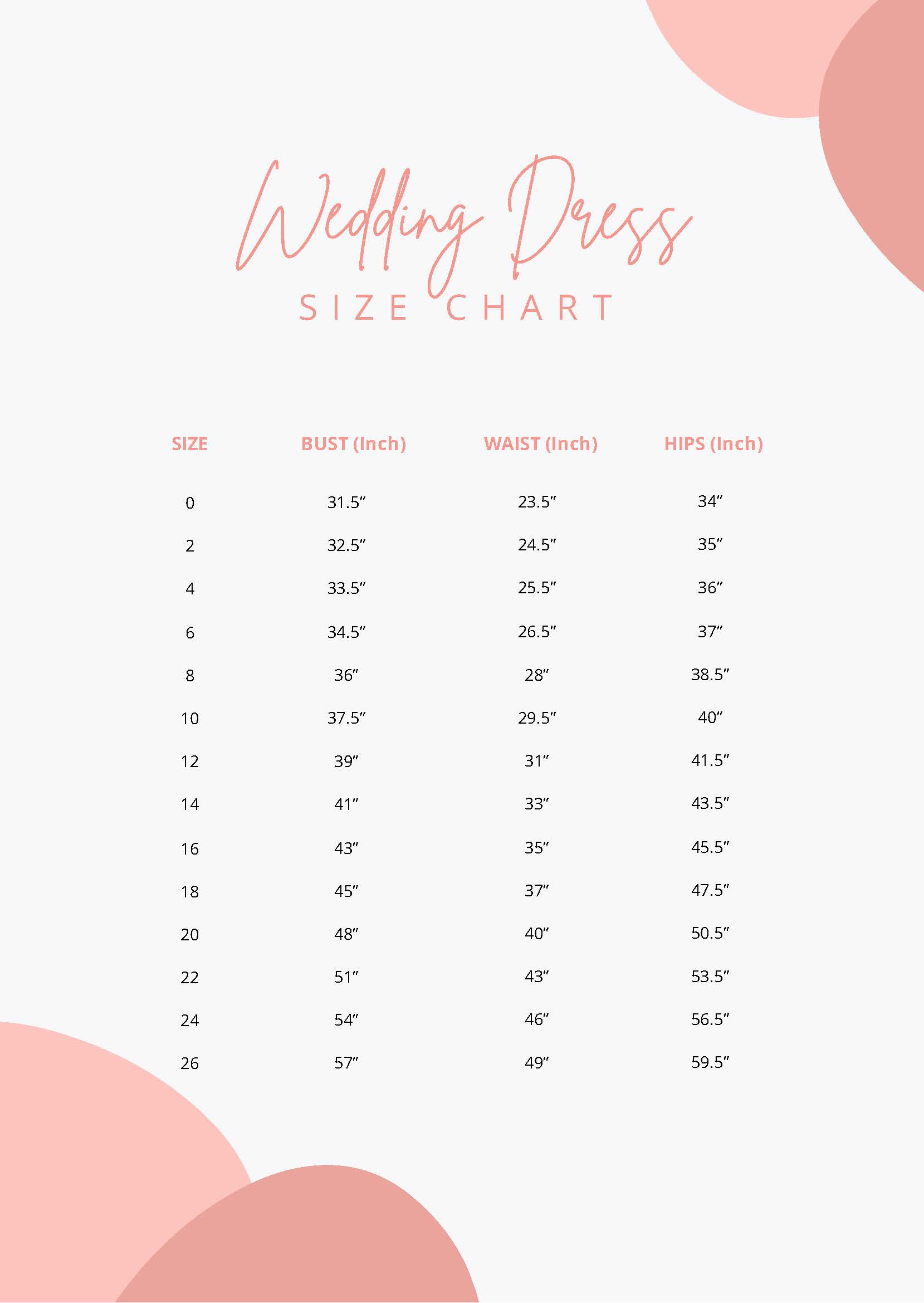
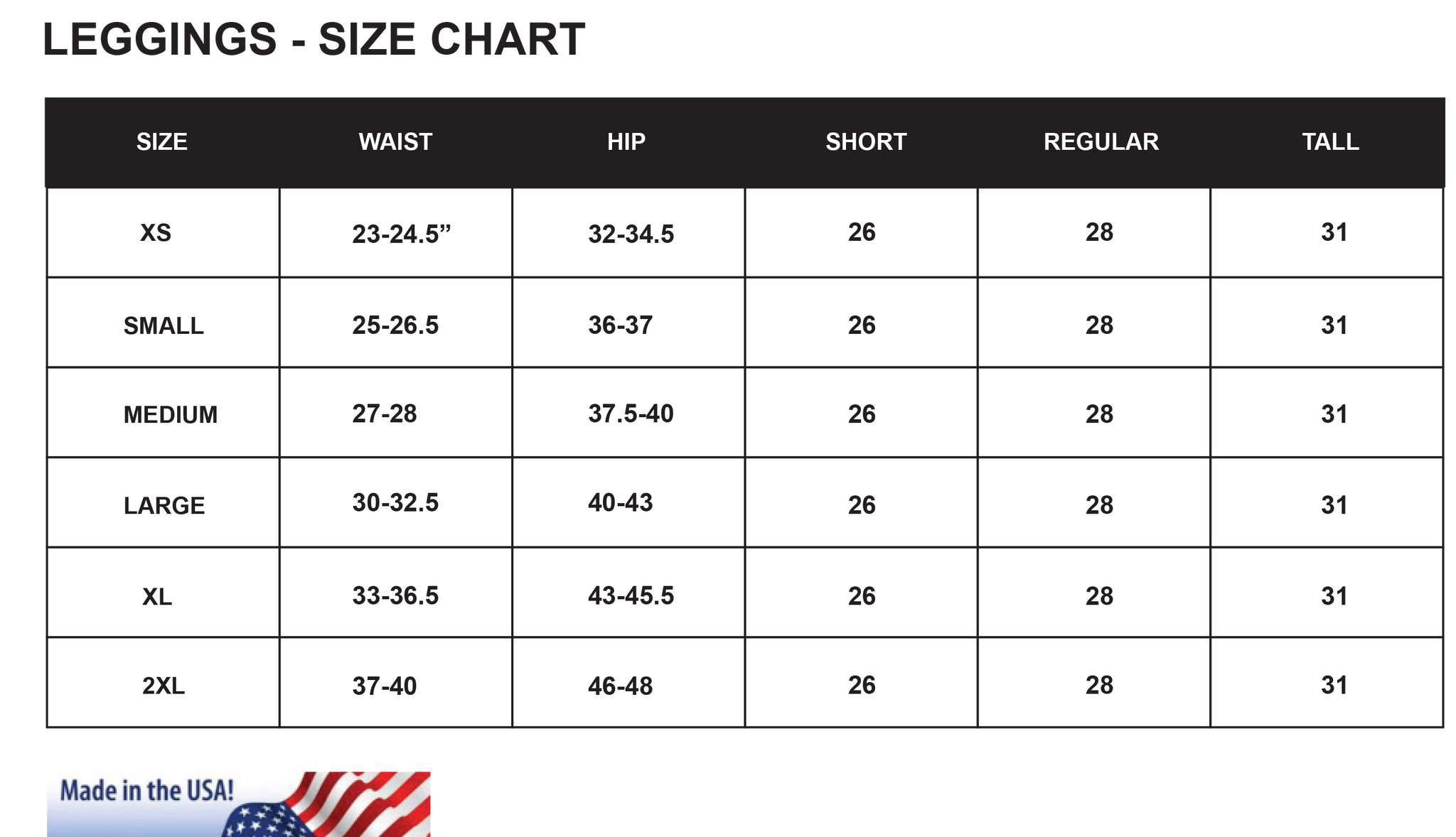
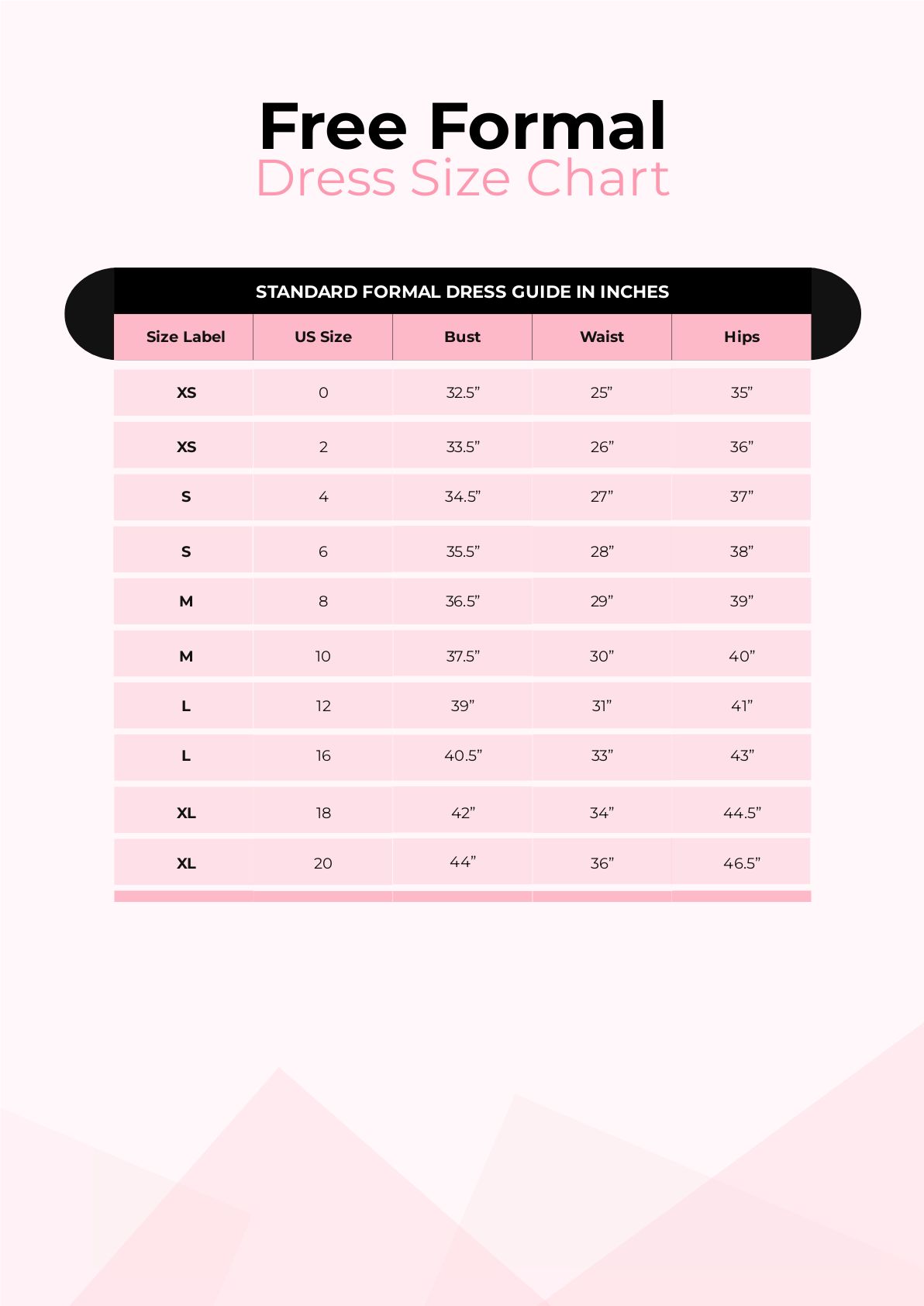
The lulus size chart is a handy tool for anyone who wants to ensure they're getting the perfect fit when shopping. This guide will take you through the ins and outs of reading and using this chart effectively. From understanding the different measurements to knowing how to convert sizes, we'll cover it all, making sizing a breeze!
Understanding the Lulus Size Chart
The lulus size chart is a handy tool that helps you find your perfect fit when shopping for clothing. It provides a standardized guide to help you match your body measurements with the corresponding size options. This chart is a great reference, especially when shopping online, as it ensures you make an informed choice and avoid any sizing surprises.
Comparing Size Chart Standards
Size charts can vary depending on the brand and region. Lulus, being a popular fashion brand, follows a specific sizing standard. Their chart typically includes measurements for bust, waist, and hip, which are crucial for finding the right fit. It's essential to note that these measurements are in inches, following the US standard. Other brands or international charts might use different units, so always check the chart's legend or key.
Step-by-Step Guide to Using the Chart
Using the lulus size chart is straightforward. First, measure your bust, waist, and hip accurately. You can do this by using a measuring tape and following a few simple tips: stand straight, measure at the fullest part of your bust, and ensure the tape is parallel to the floor. Once you have these measurements, find the closest match on the chart. For example, if your bust measurement is 36 inches, look for the size that corresponds to this range. The chart will provide a recommended size, usually in the form of numerical values or standard dress sizes (e.g., small, medium, large).
Avoiding Common Misreadings
One common mistake is not considering the entire body when referring to the chart. The lulus size chart provides a general guide, but your specific body shape might require some adjustments. For instance, if you have a curvier figure, you might need to size up for a more comfortable fit. Another pitfall is ignoring the brand's unique fit. Some brands have a reputation for running small or large, so always check the brand's sizing guide or reviews for any specific fit notes.
Factors Affecting Size Variations
Several factors can cause size variations, and understanding these is key to accurate sizing. Firstly, body measurements can fluctuate, especially if you're between sizes. In such cases, it's best to choose the larger size for a more comfortable fit. Secondly, different fabric types and styles can affect the fit. For instance, a stretchy fabric might provide a more forgiving fit, while structured fabrics might require a more precise size match. Lastly, personal preference plays a role. If you prefer a looser or tighter fit, you might need to adjust your size choice accordingly.
Adapting the Chart for Your Needs
The lulus size chart is a versatile tool, and you can adapt it to suit your specific needs. If you're shopping for a particular style, such as a fitted dress or a relaxed-fit top, refer to the brand's size guide for any style-specific measurements or recommendations. Additionally, if you're between sizes, consider the fabric and style of the garment. A looser-fit top might allow for more flexibility, while a structured blazer might require a more precise size match.
Keeping Your Sizing Reliable
To ensure reliable sizing, it's crucial to measure accurately and consistently. Invest in a good-quality measuring tape and follow a standardized measuring technique. Take your measurements at the same time of day, as slight variations can occur due to water retention or other factors. If you're shopping for multiple items, consider creating a personal sizing profile. Note down your key measurements and the corresponding sizes for easy reference. This way, you can quickly refer to your profile and make informed choices, ensuring a consistent and reliable fit.
Hey there! I hope this guide has been helpful in navigating the world of size charts. Remember, when it comes to Lulus' size chart, the specifics might differ slightly based on the item and your unique body. So, keep an eye out for those little variations!
If you found this guide useful, why not bookmark this page for future reference? It's always handy to have a quick reminder, especially when you're shopping online and need to make those important size decisions. Check out our other guides for more practical tips and tricks!
Related: What is the Lund Browder Chart and How to Use It?
So, you're here, searching for information on the Lund Browder chart, probably wanting a quick guide to understanding this essential tool. It's a handy reference, often used to assess burn injuries, and it's important to know how to interpret it correctly. The chart provides a visual representation, usually as a diagram or table, detailing the body's surface area and the percentage burned, which is crucial for medical professionals when treating burn victims.
The Lund Browder Chart: A Burn Assessment Tool
The Lund Browder chart is an essential tool for healthcare professionals, particularly those working in burn care. It provides a visual representation of the human body, divided into various regions, to help assess and calculate the extent of burns on a patient's body. This chart is widely used due to its accuracy and ability to provide a detailed analysis.
Understanding the Chart's Details
The Lund Browder chart displays the body as a series of regions, each with a specific percentage value. These values represent the proportion of the total body surface area (TBSA) that each region covers. The chart considers age-specific variations, as the body surface area distribution changes as we grow. You'll find different charts for adults and children, ensuring accurate assessments. The units used are percentages, and the chart provides a comprehensive guide to help healthcare professionals quickly estimate burn surface areas.
Reading and Applying the Lund Browder Chart
Using the Lund Browder chart involves a systematic approach. First, identify the burned areas on the patient's body and locate the corresponding regions on the chart. Then, estimate the percentage of each region affected by the burn. Add up these percentages to calculate the total burn surface area. For example, if a patient has a burn on their arm (9% of TBSA) and leg (18% of TBSA), the total burn surface area would be 27%. This calculation is crucial for determining the severity of the burn and the required treatment.
Variations and Differences
It's important to note that there can be variations in Lund Browder charts depending on the standard used. Different regions or organizations may have slight differences in the percentage values or the way the body is divided. These variations are usually minor and don't impact the overall assessment significantly. However, it's essential to use the appropriate chart for your region or follow the guidelines set by your healthcare facility.
Common Mistakes and How to Avoid Them
One common mistake is misinterpreting the chart's values. Remember, the percentages represent the relative size of each body region, not the absolute size. Another pitfall is neglecting to consider age-specific charts. Adults and children have different charts due to their varying body proportions. Using the wrong chart can lead to inaccurate assessments. Always ensure you're using the correct chart for the patient's age group.
Practical Tips for Accurate Results
To ensure accuracy, it's crucial to have a good understanding of the human body's anatomy and how it relates to the chart. Familiarize yourself with the different body regions and their corresponding percentages. Practice estimating burn surface areas using the chart to improve your skills. Additionally, consider using other burn assessment tools, like the rule of nines or the parkland formula, to cross-reference your calculations and enhance accuracy.
Handling Edge Cases and Exceptions
While the Lund Browder chart is a valuable tool, it's not without its limitations. In certain cases, such as burns affecting multiple body regions or unusual body proportions, the chart may not provide an accurate representation. In such situations, it's essential to consult with experienced burn care specialists or use advanced imaging techniques to get a more precise assessment. Always prioritize accuracy and seek expert advice when needed.
Hey there, we've covered a lot of ground with the Lund Browder Chart and its applications. Remember, while the fundamentals remain the same, the exact details can vary slightly depending on the specific context and standards you're working with.
Feel free to explore our other guides and resources to dive deeper into related topics and discover more practical tools and insights. Keep learning, keep growing, and stay curious!