





Colouring Pages Easter Bunny Overview
The alo size chart is a valuable tool for anyone seeking a reliable guide to sizing, especially for activewear enthusiasts. This comprehensive guide covers the essential aspects of understanding and utilizing the alo size chart effectively. It provides a clear and concise reference for navigating the world of clothing sizes, ensuring a perfect fit for your activewear needs.
Understanding the Alo Yoga Size Chart
The alo yoga size chart is a valuable tool for anyone looking to purchase alo yoga apparel, ensuring a perfect fit. This guide will help you navigate the chart, understand its categories, and make informed size choices.
Comparing Size Chart Standards
Size charts can vary depending on the brand and region. Alo yoga size charts typically follow US standard sizing, but it's essential to check the specific chart for any variations. These charts provide a range of sizes, often in small, medium, and large categories, with corresponding numerical values for bust, waist, hip, and inseam measurements.
Step-by-Step Guide to Using the Alo Size Chart
Here's a simple process to ensure you choose the right size:
Measure yourself accurately. Use a flexible tape measure to record your bust, waist, hip, and inseam dimensions. Ensure the tape is parallel to the floor and not too tight.
Refer to the alo yoga size chart. Find your closest match for each measurement. For instance, if your bust measurement is 34 inches, look for the size that corresponds to this value on the chart.
Consider the garment's intended use. If you're buying alo yoga pants, you might want a snug fit for better movement. In this case, choose the size that aligns with your smallest measurement.
Check the size guide notes. Some charts provide additional information, such as whether a garment runs small or large. This can help you make a more precise choice.
Convert if necessary. If you're more familiar with metric measurements, use a conversion tool to ensure accuracy.
Avoiding Common Misreadings
It's easy to misinterpret size charts, especially if you're not used to them. Here are some tips to avoid mistakes:
Don't assume all brands use the same sizing. Always refer to the specific brand's chart.
Be aware of the size categories. Some charts use letters (S, M, L), while others use numbers (e.g., 4, 6, 8). Ensure you're reading the right column or row.
Consider the garment's style. Fitted styles might require more precise measurements, while loose-fit garments offer more flexibility.
Factors Affecting Size Accuracy
Several factors can influence the accuracy of your size choice:
Body composition: Muscle mass and body fat distribution can affect your measurements.
Garment design: Different alo yoga styles might have varying fits, so always check the product description.
Personal preference: Some might prefer a looser fit, while others go for a more tailored look.
Material stretch: The fabric's stretchability can impact the final fit.
Manufacturing variations: Even within the same size, there can be slight differences between garments.
Remember, the alo size chart is a guide, and individual variations are normal. It's always a good idea to refer to the brand's return policy if you're unsure.
Remember, while this chart is a fantastic tool, it's always wise to double-check your specific needs and requirements. Exact values can vary, so a quick verification ensures you get the perfect fit.
Consider bookmarking this page for future reference. It's a handy guide to have on hand, and you'll be glad you did when you need it again!
Related: What's the bit size chart I need?
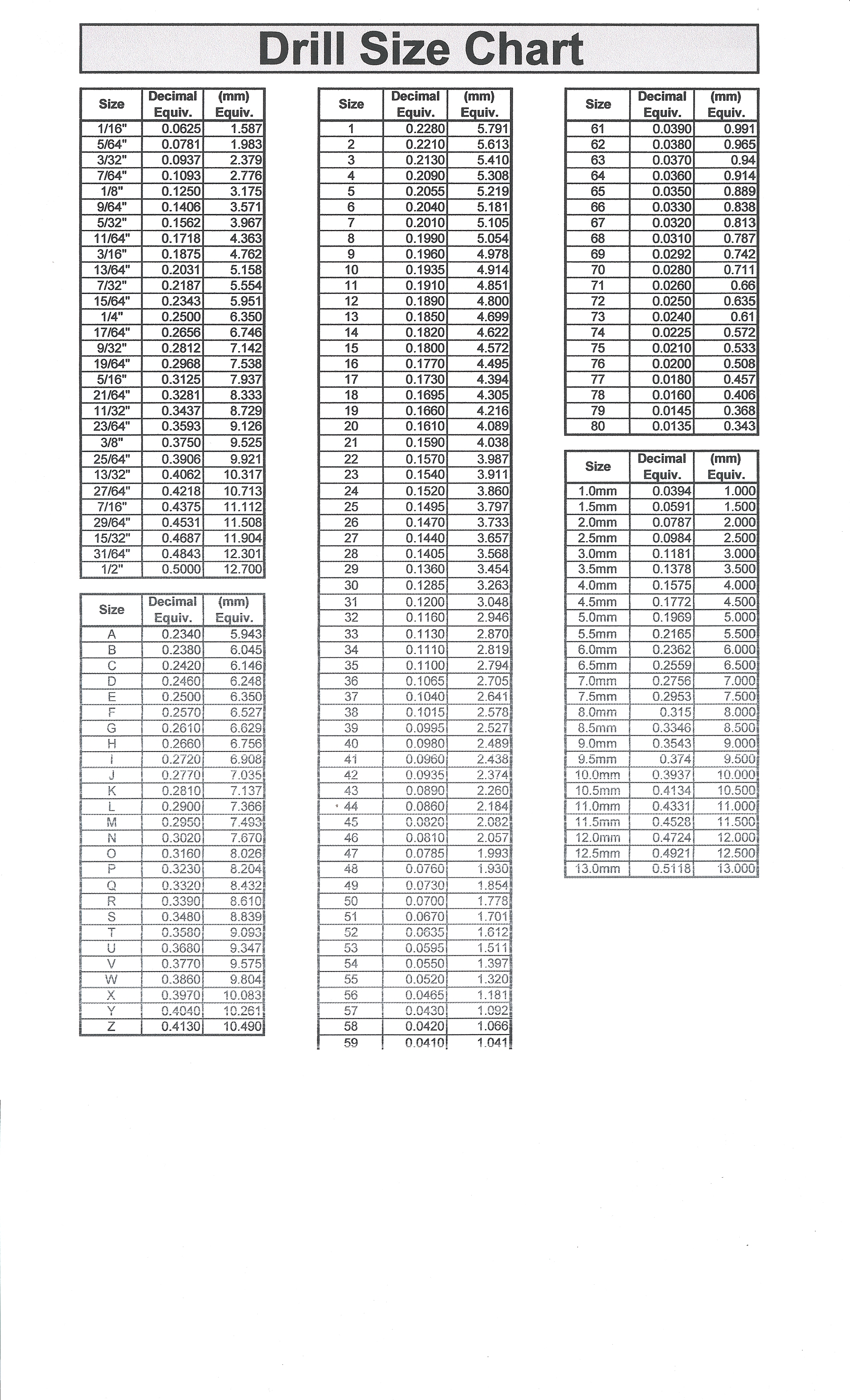
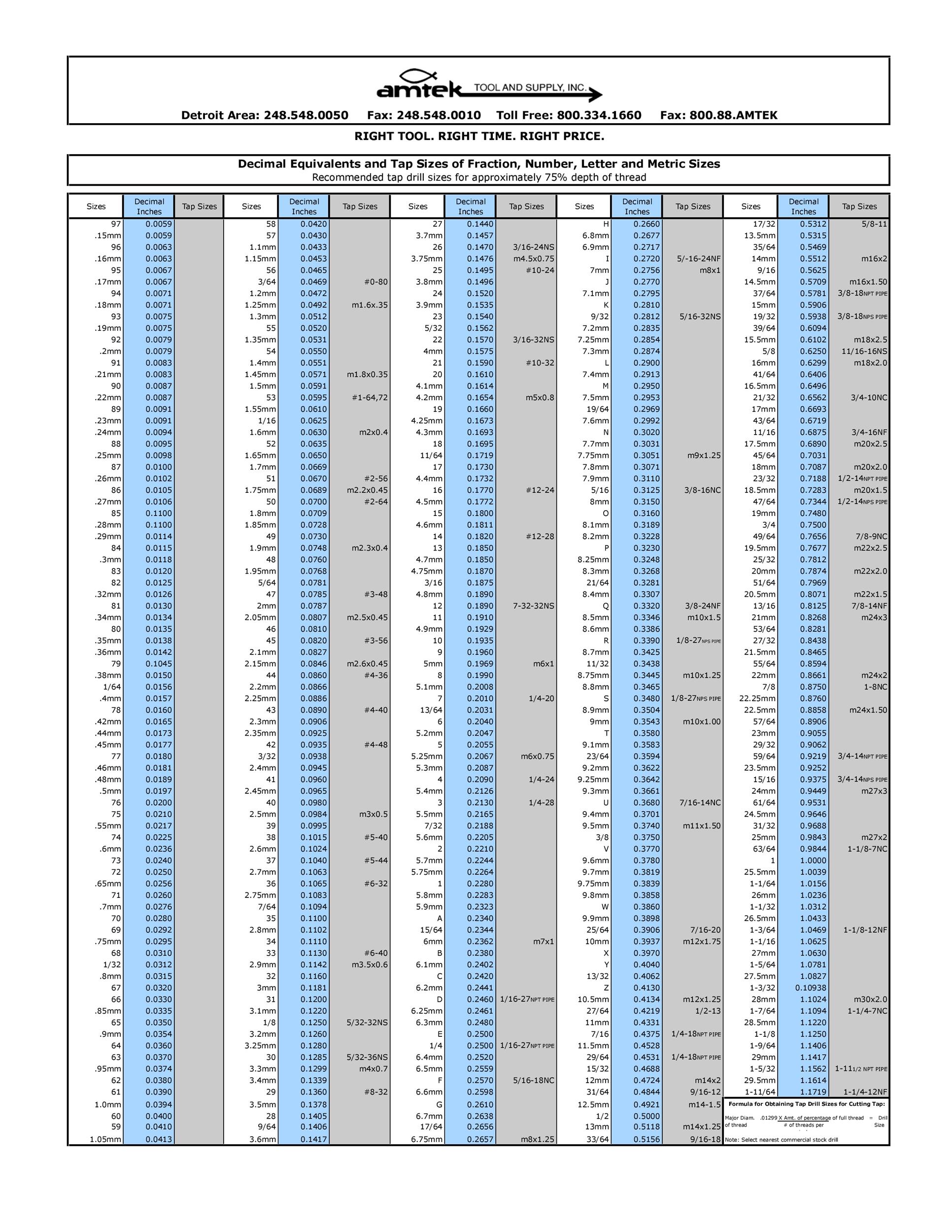
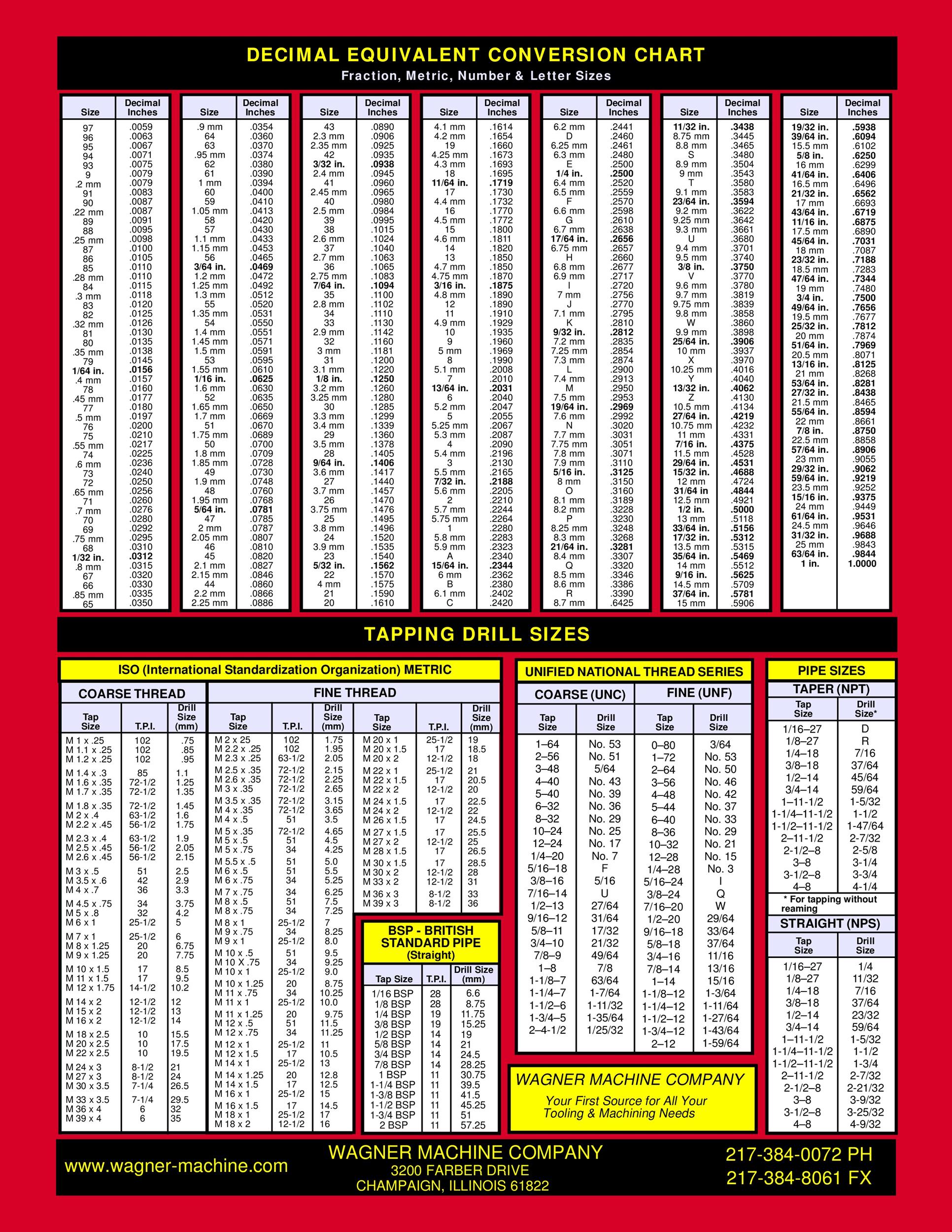
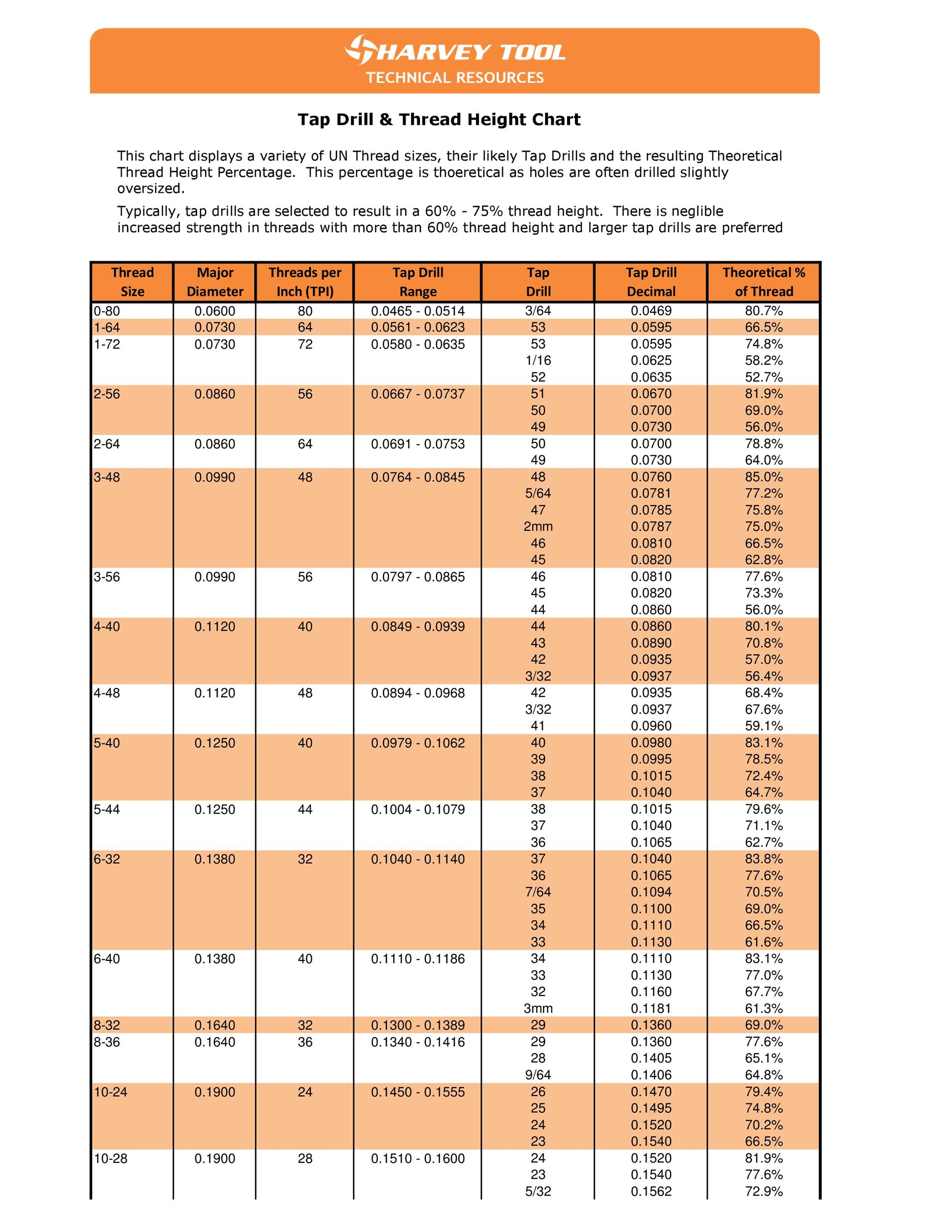
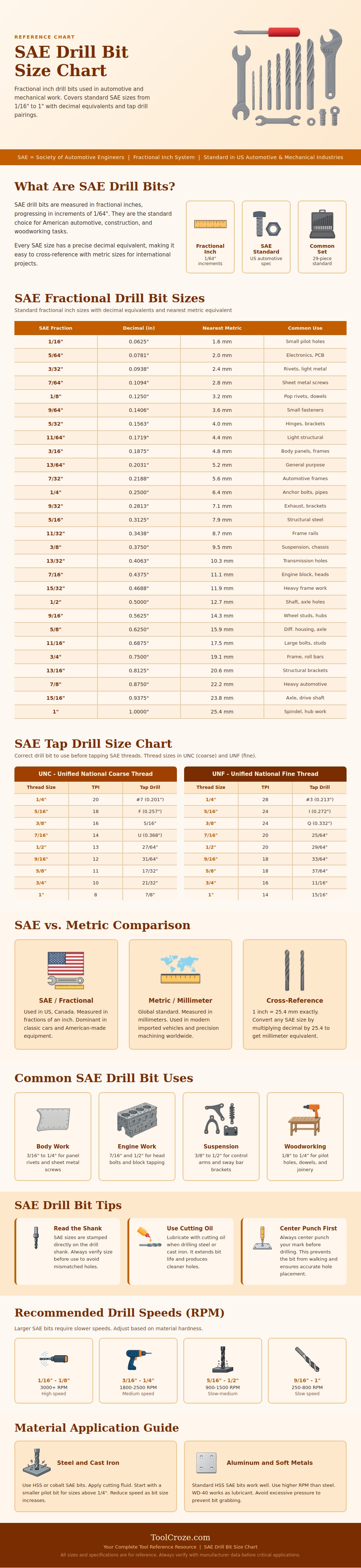
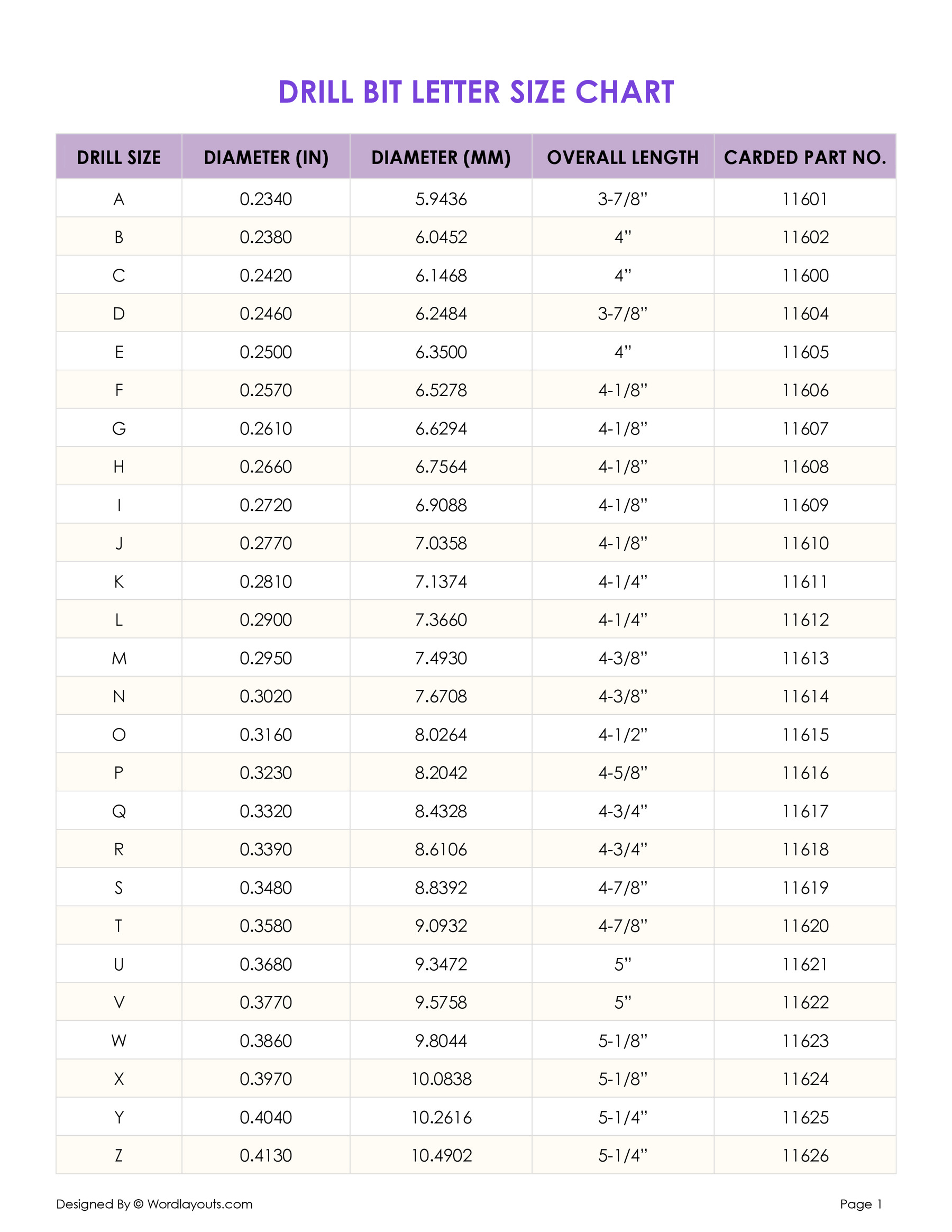
Many people approach the bit size chart with some confusion, often mistaking it for a complex and intimidating tool. In reality, it is a simple and incredibly useful reference guide, designed to provide clarity and precision. This chart, a trusted companion for many, offers a straightforward way to determine and compare various bit sizes, be it for drill bits, screws, or other applications. While the values and formats may vary depending on the context, the bit size chart remains a reliable starting point, ensuring you choose the right size for your specific needs.
Understanding the Bit Size Chart
The bit size chart is a practical tool that provides a visual reference for various bit sizes used in drilling and fastening applications. It offers a quick and easy way to identify and select the appropriate bit for your project, ensuring precision and efficiency.
Key Details and Categories
The chart typically includes two main categories: fractional and metric bit sizes. Fractional sizes are commonly used in the US and are expressed in fractions of an inch, such as 1/4" or 3/8". Metric sizes, on the other hand, use millimeters and are more prevalent internationally. These categories further break down into specific sizes, each with its unique measurements and applications.
Reading the Measurements: A Step-by-Step Guide
- Identify the Type: Determine whether you need a fractional or metric bit size. This depends on your location and the standard used in your region.
- Locate the Chart: Find a reliable bit size chart that covers both fractional and metric sizes. Ensure it includes the specific range of sizes you require.
- Match the Size: Compare the size of the fastener or hole you are working with to the chart. Look for the closest match, keeping in mind that some sizes may have slight variations.
- Select the Bit: Once you've identified the size, choose the corresponding bit from your collection or purchase one if needed. Ensure it is designed for the material you are working with, such as wood, metal, or concrete.
- Double-Check: Always verify the bit size with the actual fastener or hole to avoid errors.
Common Size Variations and Their Causes
Size variations can occur due to several factors:
- Screw Head Size: Different screw head types, like Phillips or flat head, may require specific bit sizes.
- Material: The hardness and type of material can influence the bit size needed. For instance, drilling into hardwood may require a different bit than for softwood.
- Standard Screw Sizes: While the bit size chart covers a wide range, some projects may use non-standard screw sizes, requiring additional research or custom bits.
- Drill Bit Conversion: In cases where you need to convert between fractional and metric sizes, a drill bit conversion chart can be helpful.
- Tolerances: Manufacturing tolerances can lead to slight variations in bit sizes, so always refer to the specific tolerances for your application.
- Bit Size for Wood Screws: When working with wood screws, the chart may provide guidance, but it's essential to consider the screw's thread pitch and material.
So, with your new understanding of bit sizes and their applications, you're well-equipped to tackle any project that comes your way. Remember, while this guide provides a solid foundation, it's always wise to verify the specific requirements for your task, as exact values may differ slightly across standards.
Feel free to explore our other resources on the site; we've got plenty of practical guides to enhance your skills and knowledge. Happy learning, and keep those projects rolling!
Related: Bond Angle Chart: A Quick Reference Guide
A bond angle chart is a handy tool for anyone delving into the world of molecular geometry. It's a simple yet powerful visual guide, offering a quick reference to those crucial bond angles.
This guide will show you how to read and interpret these charts, ensuring you can apply the information accurately. While there may be some variation in values and formats, depending on the context, the core principles remain the same. So, let's explore the world of bond angle charts and unlock their potential!
Bond Angle Chart: A Quick Overview
The bond angle chart is a valuable tool for anyone working with molecular structures and chemical bonds. It provides a visual representation of the typical bond angles found in various molecular geometries. This chart serves as a quick reference guide, offering a snapshot of the expected angles between atoms in different molecules. By using this chart, you can easily compare and identify the bond angles in your molecular models or diagrams.
Comparing Chart Formats and Standards
There are a few variations in the presentation of bond angle charts, primarily due to different standards and conventions. Some charts use degrees (°) as the unit of measurement, while others may opt for radians. Additionally, the layout and organization of the charts can differ. Common formats include tables with columns for bond types and their corresponding angles, or diagrams with visual representations of molecular structures and their associated angles. It's essential to ensure you are using the correct chart for your specific needs and region.
Step-by-Step Guide: Using the Bond Angle Chart
Here's a simple process to utilize the bond angle chart:
Identify the type of bond you are working with. This could be a single bond, double bond, or a specific functional group.
Locate the relevant section on the chart that corresponds to your bond type.
Find the specific molecule or compound you are interested in. Charts often organize molecules by their molecular formula or common name.
Read the bond angle value associated with the molecule. This value represents the typical angle between the atoms in that bond.
Use this information to verify or estimate the bond angle in your molecular models or calculations.
Common Misreadings and How to Avoid Them
While the bond angle chart is a useful tool, it's important to be aware of potential pitfalls. One common mistake is assuming that the chart provides exact values for every molecule. In reality, bond angles can vary slightly due to factors like molecular environment and specific conditions. Treat the chart as a general guide, and be prepared to make adjustments based on your specific scenario. Another pitfall is using the wrong chart for your region or standard. Always double-check the units and ensure you are using a chart that aligns with your measurement system.
Factors Affecting Accuracy and Real-World Use
Several factors can influence the accuracy of the bond angle chart and its practical application:
Molecular Environment: The surrounding atoms and their arrangement can impact bond angles. For instance, a molecule in a crowded environment may have slightly different bond angles compared to an isolated molecule.
Bond Type and Hybridization: Different bond types, such as single, double, or triple bonds, often exhibit distinct bond angles. Additionally, the hybridization of the central atom (e.g., sp, sp2, sp3) can affect the overall molecular geometry and, consequently, the bond angles.
Standard Deviation: While the chart provides typical bond angles, there can be variations. Standard deviation represents the range of values within which most bond angles fall. Understanding this deviation is crucial for interpreting the data accurately.
Choosing the Right Format for Your Needs
When selecting a bond angle chart, consider your specific requirements and preferences:
Visual vs. Tabular: Some individuals may find visual diagrams more intuitive, while others prefer the simplicity of a tabular format. Choose the style that best suits your learning style and the nature of your work.
Level of Detail: Depending on your expertise and the complexity of your work, you might opt for a more detailed chart that includes a wider range of molecules and bond types. Beginners may benefit from a simpler chart focused on common molecules and basic bond angles.
Standard and Region: Ensure the chart you choose aligns with the standard and region you are working in. This ensures the units and values are consistent with your measurements and calculations.
Well, that's a wrap on our bond angle chart adventure! We've covered a lot of ground, from understanding the basics to mastering the art of accurate readings. Remember, it's always a good idea to double-check your specific needs and context. The exact values might differ slightly, so stay alert and adapt to your unique situation.
Feel free to explore our other guides and resources. We've got a bunch of practical tips and tricks to offer, so take a look and keep learning! It's all about finding the right tools for the job, and we're here to help you on that path.