








Confuse Crossword Clue Overview
I was standing in my bathroom, staring at the dated tiles and worn-out fixtures, when it hit me: it's time for a renovation! I started thinking about finding a bathroom remodeling contractor and all the possibilities that come with it. So, here's a little guide to help you navigate this exciting process.
What's a Bathroom Remodeling Contractor?
A bathroom remodeling contractor is your go-to expert for transforming your bathroom into a stylish and functional space. They handle everything from design to construction, ensuring your vision becomes a reality. It's like having a personal bathroom makeover team!
The Cost Factor
When it comes to costs, it's a bit of a wild card. Prices can vary widely depending on the scope of your project. A simple update might be more affordable, while a full-scale renovation could be a bigger investment. It's all about balancing your dream bathroom with your budget.
Finding the Right Contractor
Hiring a bathroom remodeling contractor is a big decision. You want someone reliable, experienced, and aligned with your vision. Check their past projects, ask for references, and ensure they have the necessary licenses and insurance. It's also a good idea to get multiple quotes to compare prices and services.
Naming Your Business
If you're in the construction business, choosing a catchy name is crucial. It should be memorable and reflect your services. Some ideas could be:
- Build-it-Right Construction
- Renovate & Revive
- Home Transformation Team
- Modern Bath Solutions
Remember to check name availability and secure your domain and local registration.
Construction Jobs and Salaries
The construction industry offers a range of roles, from estimators to project managers. Salaries can vary based on experience and the specific job. If you're looking for opportunities, check online job boards and local construction companies. It's a great field with plenty of growth potential.
Tools of the Trade
In the world of construction, tools like RSMeans can be a game-changer. It's a cost database that helps contractors estimate project expenses accurately. It's a valuable resource for both small and large-scale projects.
The Big Picture
The construction industry is diverse, with companies of all sizes. Larger firms often have more resources and can take on bigger projects, while smaller companies might offer more personalized service. It's all about finding the right fit for your needs.
Local Connections
When it comes to bathroom remodeling contractors, local knowledge can be a plus. They understand the unique challenges and regulations of your area. For example, in Atlanta, you might need to consider specific building codes. It's always a good idea to check with your local building department for any specific requirements.
So, there you have it! A little insight into the world of bathroom remodeling contractors. It's an exciting process, and with the right team, you can create a bathroom that's truly yours.
Related: Uncover Seaside Tide Chart Secrets
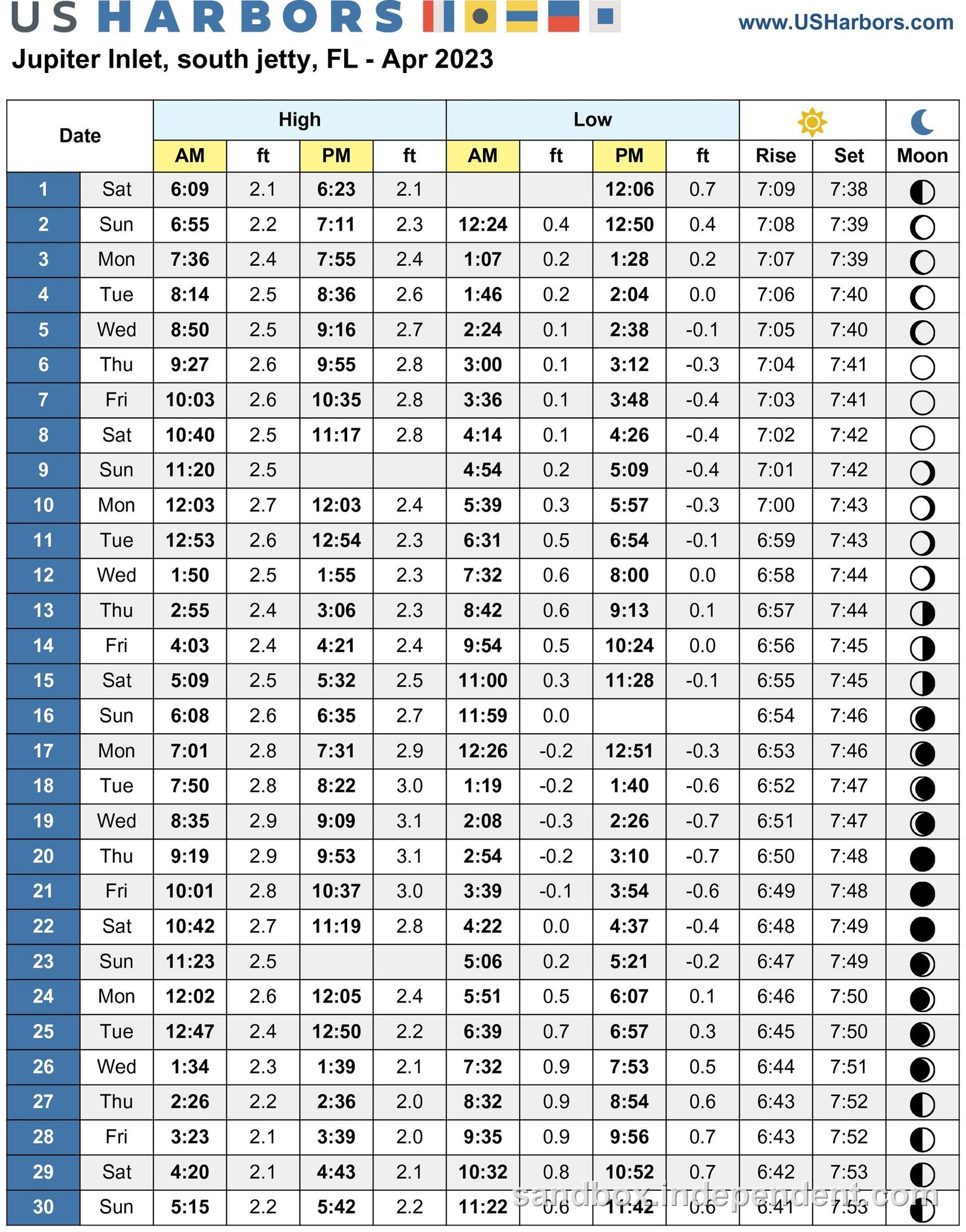
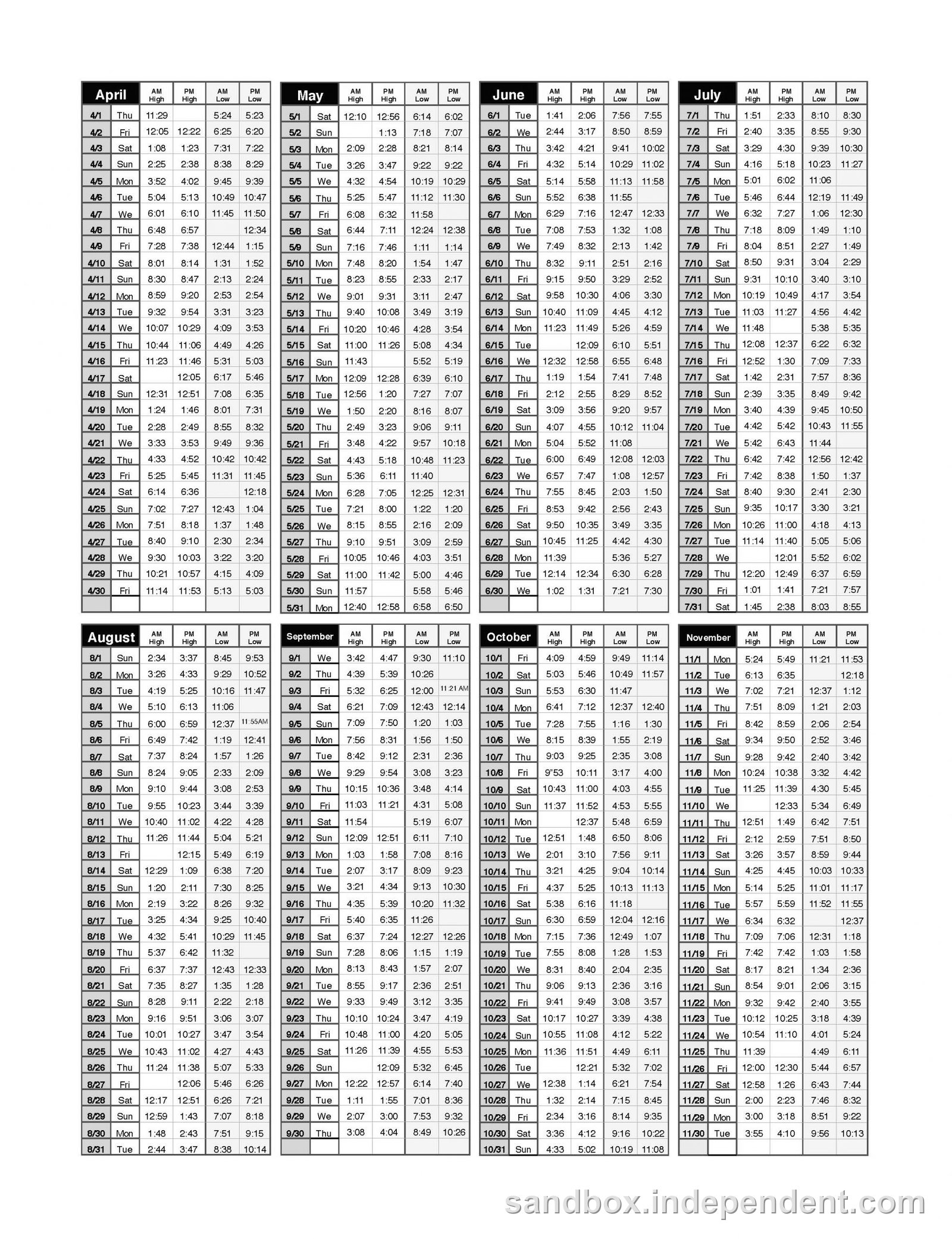
Many people assume that a seaside tide chart is a complex, intimidating tool, but it's actually a simple and incredibly useful reference for anyone spending time by the coast. While it may look like a mysterious code at first glance, with its unique symbols and data, the tide chart is a straightforward guide to understanding the ocean's movements. This chart provides essential information, like tide times and the tidal range, which is crucial for coastal navigation and understanding sea level changes.
Understanding Tides: A Seaside Guide
A seaside tide chart is a handy tool for anyone planning coastal activities or simply curious about the ocean's rhythms. It's a visual representation of the tides, showing the predicted water levels at specific times. This guide will help you decipher the chart and understand its practical applications.
Reading Tide Graphs: Standard Formats and Symbols
The tide chart typically displays a graph with time on the horizontal axis and water level on the vertical. You'll see two main categories: high tide and low tide, often marked with distinct colors or symbols. The values represent the height of the tide, usually in feet or meters, depending on the standard used. Some charts may also include additional information like tidal currents or moon phases.
Step-by-Step: Interpreting a Tide Chart
- Start by identifying the time of day you're interested in. This is crucial for coastal navigation and water depth considerations.
- Locate the corresponding point on the graph. The height at that time indicates the tide level.
- Consider the tidal range, which is the difference between high and low tide. This range can vary, so be mindful of the specific location's characteristics.
- If you're planning activities like fishing or boating, ensure you have the necessary equipment for the predicted water depth.
Common Misunderstandings and How to Avoid Them
One common mistake is assuming that tide charts are universally accurate. While they provide valuable predictions, local variations can occur due to factors like weather and geographical features. Always double-check the specific conditions for your location, especially if you're relying on the chart for safety-critical tasks like coastal navigation.
Factors Affecting Accuracy and Real-World Use
Several elements influence the accuracy of a seaside tide chart. Weather conditions, such as strong winds or storms, can cause deviations from the predicted tide times and heights. Additionally, the chart's accuracy may vary depending on the data source and the frequency of updates. It's essential to use the most recent and reliable data for your specific location. Understanding these factors will help you interpret the chart effectively and make informed decisions.
Well, there you have it! A handy guide to understanding and using tide charts like a pro. Remember, these charts are a valuable tool, but it's always wise to check the specific conditions and requirements for your location and activity.
Don't forget to explore our other guides and resources. We've got plenty of practical tips and insights to help you make the most of your seaside adventures. Happy charting, and we hope to see you back here soon!
Related: How to Read a Cap Size Chart?
You're probably here because you need a quick fix, a simple solution to a sizing dilemma. Well, you've come to the right place! The cap size chart is your handy tool, a quick reference guide to ensure you get the perfect fit every time. It's a straightforward way to measure and match your head size to the right cap, and it's a lifesaver when you're in a rush or shopping online. This chart offers a simple solution, and it's worth familiarizing yourself with, especially if you want to avoid those pesky sizing mistakes!
Understanding the Chart: A Quick Overview
The cap size chart is a handy tool that helps you find the perfect fit for your headwear. It's a simple guide, often presented as a table or diagram, that matches your head measurements to the right cap size. This chart ensures your caps are neither too tight nor too loose, providing a comfortable and secure fit.
Comparing Common Cap Sizes and Standards
Cap size charts typically use two main standards: metric and imperial measurements. The metric system is widely used internationally and offers precise measurements in centimeters. On the other hand, the imperial system, common in the US, uses inches. These standards determine the cap circumference, which is the key measurement for finding your ideal cap size.
Step-by-Step Guide to Using the Cap Size Chart
Measure your head circumference: Take a flexible tape measure and wrap it around your head, just above your ears and across your forehead. Ensure it's not too tight or too loose. Note down the measurement in either centimeters or inches, depending on your preference or the chart's standard.
Refer to the cap size chart: Look for the column or row that corresponds to your head circumference measurement. The chart will provide you with a recommended cap size based on this measurement.
Adjust for comfort: While the chart offers a guide, personal preference plays a role. If you prefer a looser fit, consider going up a size. For a snugger fit, especially for activewear, you might want to choose a slightly smaller size.
Check the hat sizing chart: Some charts provide additional information, such as hat sizing. This can be useful if you're looking for a specific hat style and want to ensure it fits well.
Avoiding Common Misreadings and Pitfalls
It's important to remember that the cap size chart is a guide, and individual preferences may vary. While it provides a reliable starting point, you might need to make slight adjustments to find your perfect fit. Always double-check the chart's measurements and ensure they align with your head size guide. If you're between sizes, consider trying both and choosing the one that feels most comfortable.
Key Factors Affecting Accuracy and Real-World Use
Several factors can influence the accuracy of the cap size chart. Firstly, the chart's measurements may vary slightly depending on the manufacturer and the intended use of the cap. For instance, a baseball cap might have different sizing standards compared to a beanie. Additionally, personal factors like hair volume and style can impact the fit. If you have thick hair or a hairstyle that adds volume, you might need to adjust the size accordingly. Always consider these factors and refer to the specific cap's instructions or sizing guidelines for the most accurate fit.
Well, that's a wrap on our cap size chart adventure! We've covered a lot of ground, from understanding the different options to nailing down the key steps for accurate measurements.
Remember, when it comes to getting the right fit, always double-check your specific needs and the guidelines for your chosen standard or source. Exact values can vary slightly, so it's good to be aware of that.
Consider bookmarking this page for future reference; it's a handy tool to have at your fingertips when you need it most!