




Contoh Invoice Hotel Word Overview
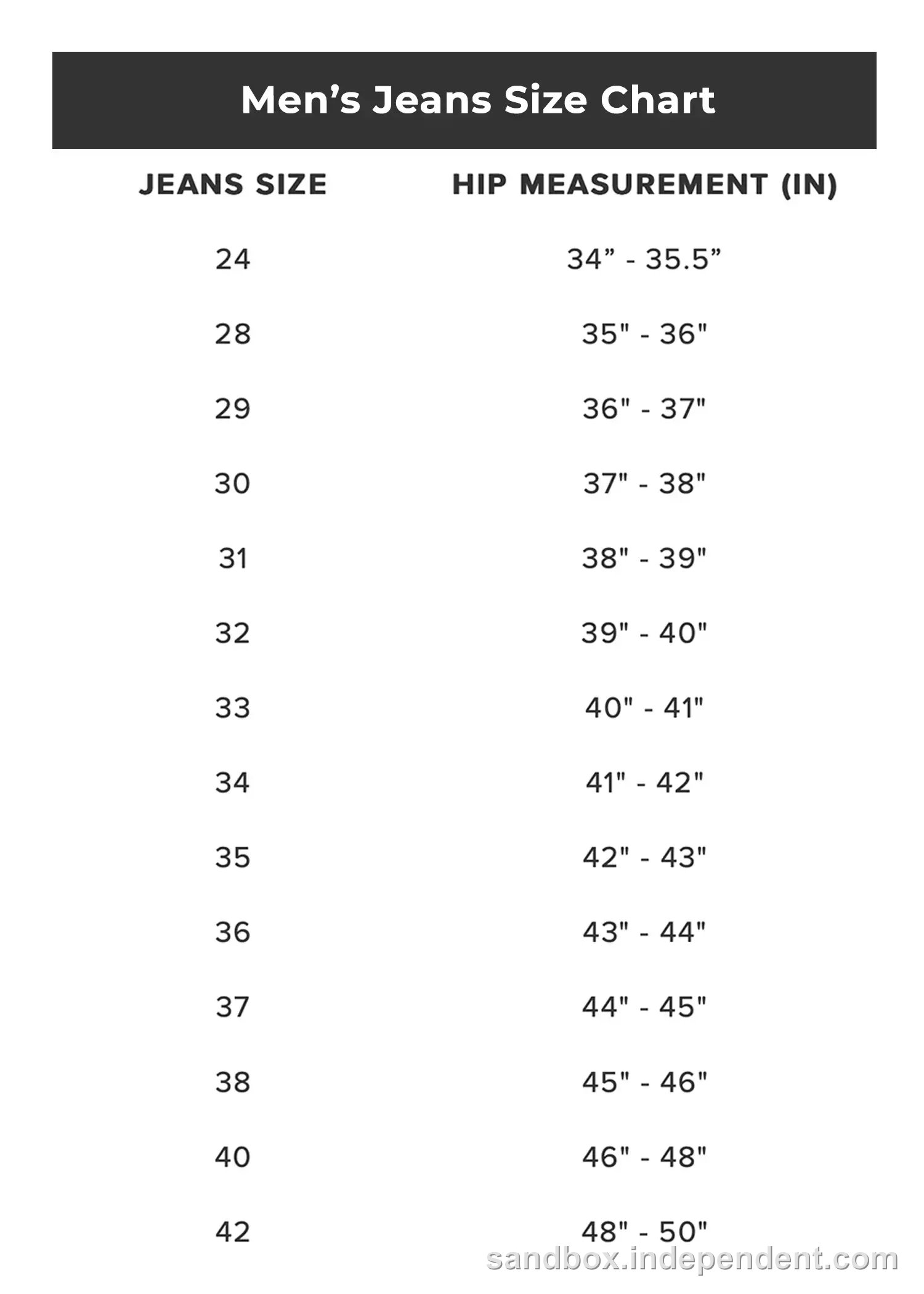
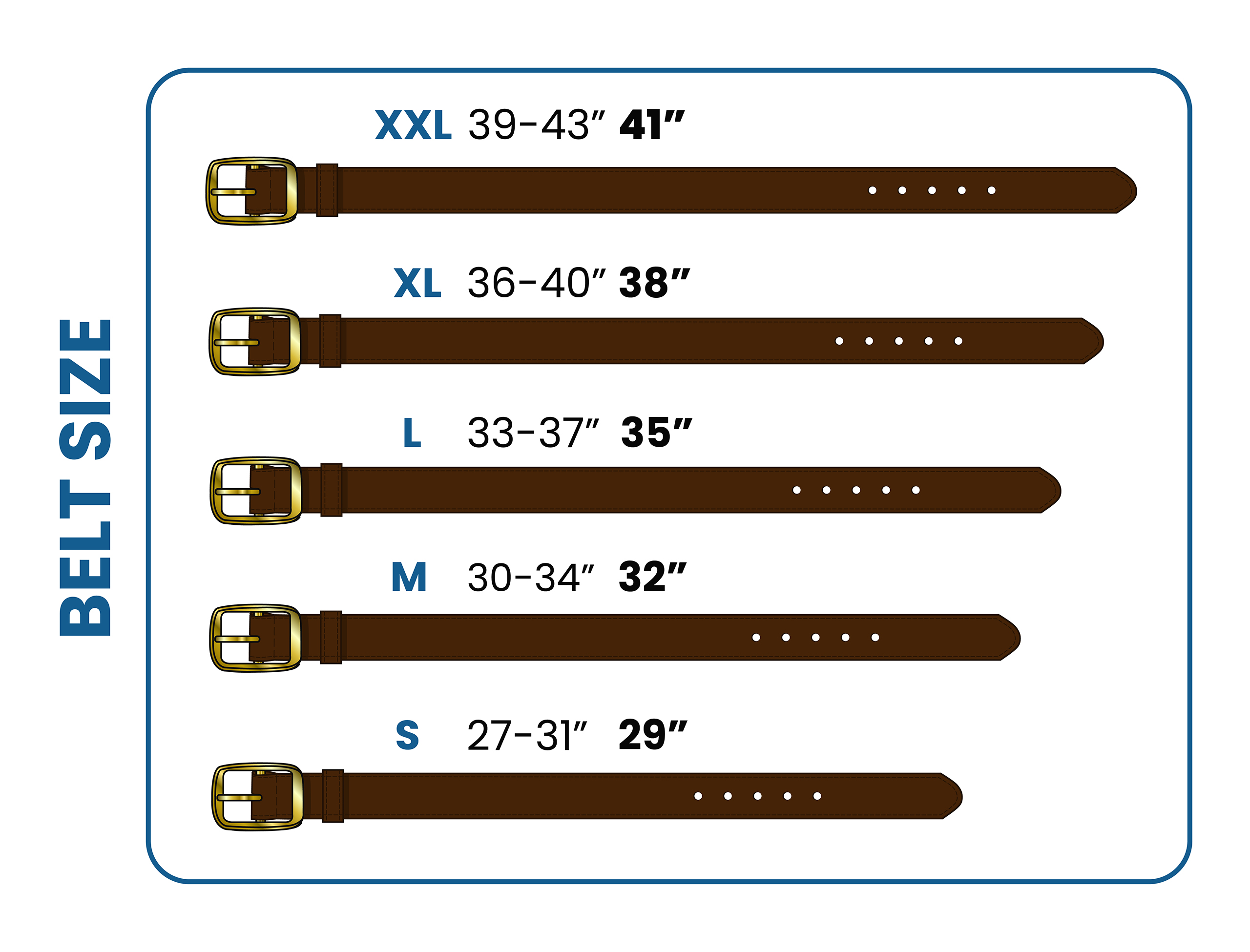
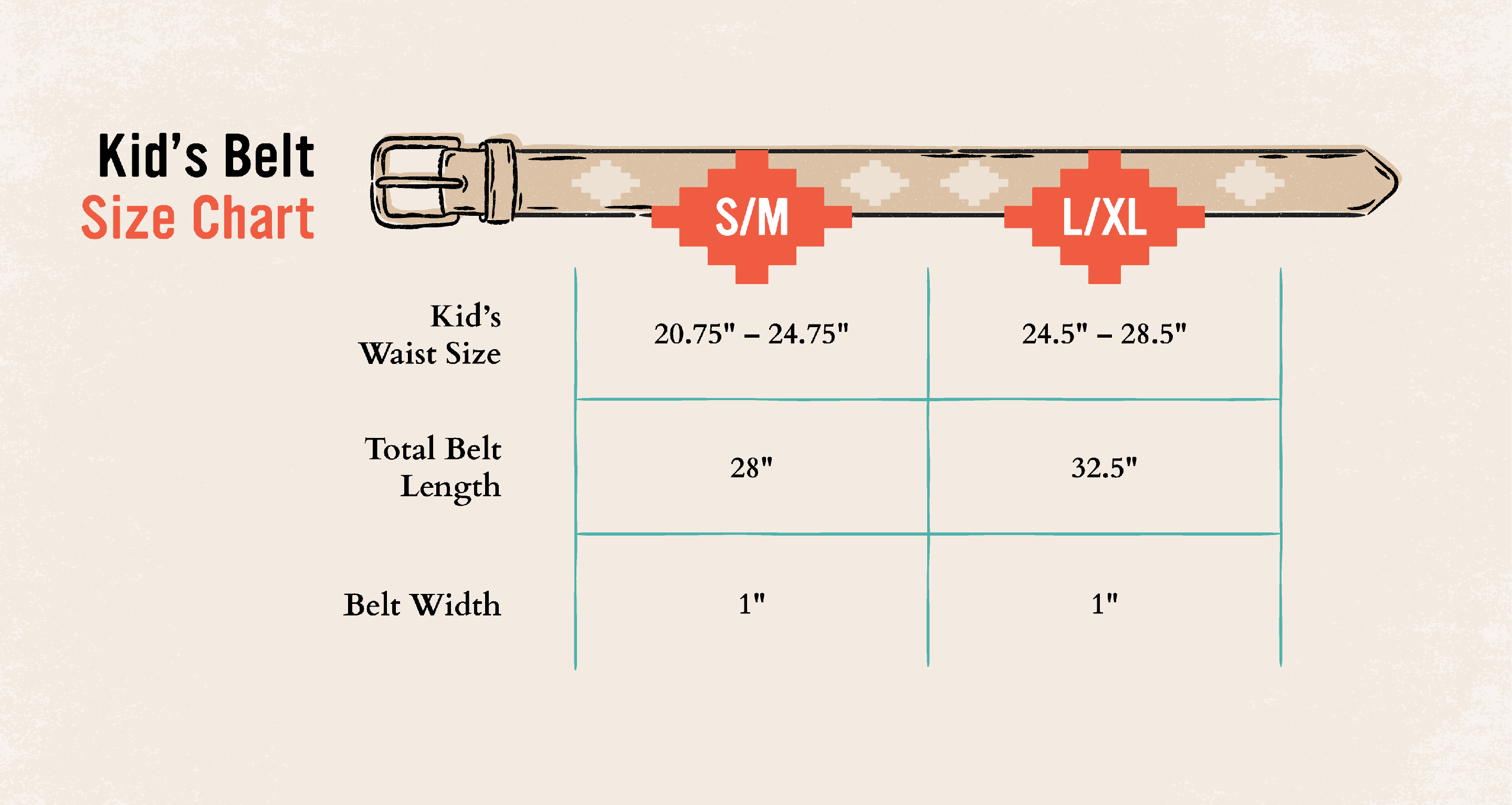
A common misconception about belt size charts is that they are one-size-fits-all, but this couldn't be further from the truth. While these charts provide a valuable reference, they can vary depending on various factors. So, it's essential to understand how to interpret them accurately. A belt size chart is a handy tool, offering a simple guide to finding the right belt length and size. It can include different measurements, such as waist size and pant size conversion, ensuring a perfect fit.
Understanding the Belt Size Chart
The belt size chart is a valuable tool for anyone looking to find the perfect belt fit. It provides a standardized way to determine your belt size, ensuring a comfortable and secure fit for your waist. This chart is an essential guide, especially when shopping for belts, as it simplifies the sizing process and helps you make an informed choice.
Key Details and Categories
The belt size chart typically displays two main categories: waist size and belt length. Waist size is measured in inches or centimeters, depending on the standard used. It represents the circumference of your waist, which is a critical factor in belt sizing. Belt length, on the other hand, is the actual length of the belt, excluding the buckle. This measurement is crucial as it determines how much the belt can be adjusted to fit your waist comfortably.
Reading and Applying the Chart
To use the belt size chart, follow these steps:
- Measure your waist: Use a flexible tape measure to find your waist size. Place the tape measure around your waist, ensuring it sits comfortably above your hip bones. Take the measurement in inches or centimeters, depending on the standard you're using.
- Find your waist size on the chart: Look for the column or row that corresponds to your waist size. This will give you a range of belt lengths suitable for your waist circumference.
- Consider your belt style: Different belt styles have varying levels of adjustment. For example, a casual leather belt with a simple buckle may offer more adjustment than a dress belt with a fixed, decorative buckle. Ensure you choose a belt length that provides enough flexibility for your preferred style.
- Adjust for comfort: The belt should fit comfortably around your waist, allowing for a couple of inches of adjustment. This ensures you can wear the belt with different outfits and still have a secure fit.
Variations and Differences
It's important to note that belt size charts may vary slightly depending on the standard used. For instance, the metric belt sizing system, often used internationally, may have slightly different measurements compared to the standard belt dimensions in the US. Additionally, manufacturers may have their own variations, so it's always a good idea to refer to the specific brand's sizing guide or consult their customer support for accurate information.
- Key factors that can cause variations include:
- Different measurement units (inches vs. centimeters)
- Brand-specific sizing standards
- Belt style and design (e.g., decorative buckles)
- Personal preference for a looser or tighter fit
Common Mistakes and How to Avoid Them
When using a belt size chart, avoid these common mistakes:
- Relying solely on pant size: Your pant size is not always an accurate indicator of your belt size. It's best to measure your waist directly for an accurate fit.
- Ignoring the belt style: Different belt styles offer varying levels of adjustment. Ensure you consider the belt's design and your personal preference for a comfortable fit.
- Overlooking the chart's limitations: While the chart provides a great starting point, it may not account for all body types or unique situations. If you have a unique waist shape or size, it's wise to double-check with the brand's specific sizing guide or seek advice from a professional.
Hey there! We hope this belt size chart and guide has been helpful in your quest for the perfect fit. Remember, while we've covered the basics, the exact details can vary slightly, so it's always a good idea to double-check with your preferred brand or standard for the most accurate information.
Feel free to bookmark this page for future reference; it's always handy to have a quick guide like this at your fingertips. We've got more practical guides like this one, so be sure to check them out if you're interested in learning more about similar topics. Happy measuring!
Related: Uncover the Hair Levels Chart: Your Styling Guide
You're here, searching for a hair levels chart, a handy tool to help you understand your hair's characteristics. This chart is a simple yet effective way to visualize and assess your hair's thickness, density, and overall volume. It provides a quick reference, offering a snapshot of your hair's current state and a guide to track any changes over time. With various formats and standards, these charts offer a standardized way to measure and compare hair, ensuring an accurate and reliable assessment.
Understanding the Hair Levels Chart: Your Guide to Hair Volume
The hair levels chart is a handy tool to understand and categorize your hair's volume and thickness. It provides a simple, visual way to assess your hair's characteristics, which can be useful for styling, product selection, and even tracking hair growth progress. This chart typically uses a scale or a set of categories to describe hair volume, offering a quick reference for everyday use.
Comparing Hair Volume Standards: A Range of Options
There are various ways to categorize hair volume, and different charts may use different standards. Some common scales include a simple 1 to 10 scale, with 1 being the finest hair and 10 the thickest. Others might use a more detailed system, like a 1 to 20 scale, offering a broader range of options. Additionally, some charts might categorize hair into broad types, like "thin," "medium," and "thick," providing a more general overview.
Step-by-Step Guide: Using the Hair Levels Chart
- Start by gathering a small section of clean, dry hair, preferably from the top of your head.
- Hold the hair between your fingers and assess its thickness. Compare it to the visual representations or descriptions on your chosen hair levels chart.
- Match the thickness of your hair to the corresponding category or number on the chart. This will give you an idea of your hair's volume level.
- For a more precise assessment, you can count the number of hairs in the section you've gathered. This follicle count guide can provide additional insight into your hair's density.
Common Misconceptions and How to Avoid Them
One common mistake is assuming that the hair levels chart is a universal standard. While it provides a useful framework, it's important to note that hair characteristics can vary widely, and individual differences may not always fit neatly into these categories. Additionally, hair can change over time due to various factors, so regular assessments are beneficial. Always refer to the specific chart's instructions and consider any additional notes or explanations provided.
Factors Affecting Accuracy: Real-World Considerations
Several factors can influence the accuracy of your hair levels chart assessment. These include your hair's natural texture, whether it's curly, straight, or somewhere in between, as well as its overall health and condition. Environmental factors, such as humidity, can also temporarily affect your hair's volume and texture. It's essential to consider these variables when using the chart and to be aware that your hair's level may fluctuate. Regular assessments and a consistent approach will provide the most accurate results over time.
Hey there! We've covered a lot of ground in this post, and I hope it's given you a clear idea of how to navigate the hair levels chart and its various aspects. Remember, while the basics remain the same, there might be slight variations in the details, so always refer to the most relevant and up-to-date sources for your specific needs.
If you found this guide helpful, why not explore some of our other practical articles? We've got a range of topics that might just simplify your life, from organizing tips to handy reference guides. So, feel free to browse and discover more ways to make your daily routines a breeze!
Related: Understand Your Hair Level Chart Easily
You're probably here because you need a quick solution, right? Well, if you're looking for a simple guide to understanding hair length, the hair level chart is a handy tool. It's like having a secret code to deciphering those tricky hair measurements. This chart, a simple yet effective reference, can help you determine your hair's growth and length accurately. From there, you can explore various hair growth charts, length guides, and even styling tips tailored to your hair's level.
Understanding the Hair Level Chart: A Quick Overview
The hair level chart is a useful tool for anyone interested in hair care and styling. It provides a visual representation of hair length, offering a standardized way to measure and communicate hair length. This chart is especially handy for professionals in the hair industry, ensuring consistency in haircuts and styles.
Comparing Hair Level Chart Standards and Formats
There are a few different standards and formats for hair level charts. The most common one is based on the hair growth chart, which typically uses a numerical scale. This scale ranges from 1 to 10, with each number representing a specific hair length. For example, level 1 might indicate very short hair, while level 10 represents extremely long hair.
Another format uses descriptive terms, such as "short," "medium," and "long," to categorize hair lengths. This method is often used in everyday conversations and provides a more general idea of hair length. However, it lacks the precision of numerical scales.
Measuring Hair Accurately: A Step-by-Step Guide
To use the hair level chart accurately, follow these simple steps:
- Start by determining your current hair length. You can do this by measuring your hair from the scalp to the tip.
- Compare your measurement to the chart. Look for the closest match on the numerical scale or find the descriptive term that best describes your hair length.
- If you're using a numerical scale, you might find your hair length falls between two levels. In such cases, you can estimate or round up to the nearest level.
- Once you've identified your hair level, you can communicate it to your hairstylist or use it as a reference for styling and product choices.
Common Misconceptions and Pitfalls to Avoid
While the hair level chart is a practical tool, there are a few things to keep in mind:
- Hair length can vary depending on factors like hair type, texture, and individual growth rates. So, while the chart provides a standard, your personal hair characteristics may influence the accuracy of the measurement.
- The chart might not cover all hair types and styles. For instance, some hairstyles, like dreadlocks or extensions, may require additional considerations.
- It's essential to measure your hair accurately. Ensure you measure from the scalp and consider the natural fall of your hair.
- Remember, the chart is a guide, and individual preferences may vary. Feel free to adjust the level based on your desired style and comfort.
By understanding these factors, you can use the hair level chart effectively and make informed decisions about your hair care and styling.
Well, there you have it! A handy hair level chart can be a great tool to ensure you're getting the right products and services for your hair type. It's always a good idea to refer to these charts and guides, but remember, every head of hair is unique, so make sure to consider your specific needs and goals.
Feel free to explore our other guides and resources; we've got plenty of practical tips and tricks to help you navigate the world of hair care and styling. Happy hair adventures!