




Cookie Monster Coloring Page Overview
"Wow, that construction site looks busy! I wonder how they plan and cost all these projects. It must be a lot of work, and someone has to do it. I'm curious about junior estimator salaries and what that job entails."
Estimating: The Foundation of Construction
As a building project begins, someone has to estimate the costs. That's where junior estimators come in. They play a crucial role in the early stages, helping to shape the financial plan. It's a detailed process, and their work affects the entire project. So, what does a junior estimator do, and what can you expect from this role?
Estimators gather data, analyze costs, and create detailed reports. They consider materials, labor, and any specific requirements. It's a precise job, and estimators must be accurate to avoid costly mistakes. They work with contractors, architects, and clients to ensure everyone is on the same page. The role is an important one, and it's a great starting point for a career in construction.
A Day in the Life of a Junior Estimator
A typical day might involve researching and comparing prices for materials. Estimators need to find the best deals without compromising quality. They also calculate labor costs, considering the scope of the project and the required skills. It's a balancing act, ensuring the estimate is competitive while also being realistic. Junior estimators often work with more experienced colleagues, learning the trade and developing their skills.
Finding a Junior Estimator Role
If you're interested in this field, you'll likely find opportunities with construction companies, remodeling firms, and even larger building organizations. It's a role often filled by recent graduates or those with some relevant experience. When looking for jobs, check online job boards and company websites. You might also find openings through industry connections or by approaching companies directly.
What to Expect from the Salary
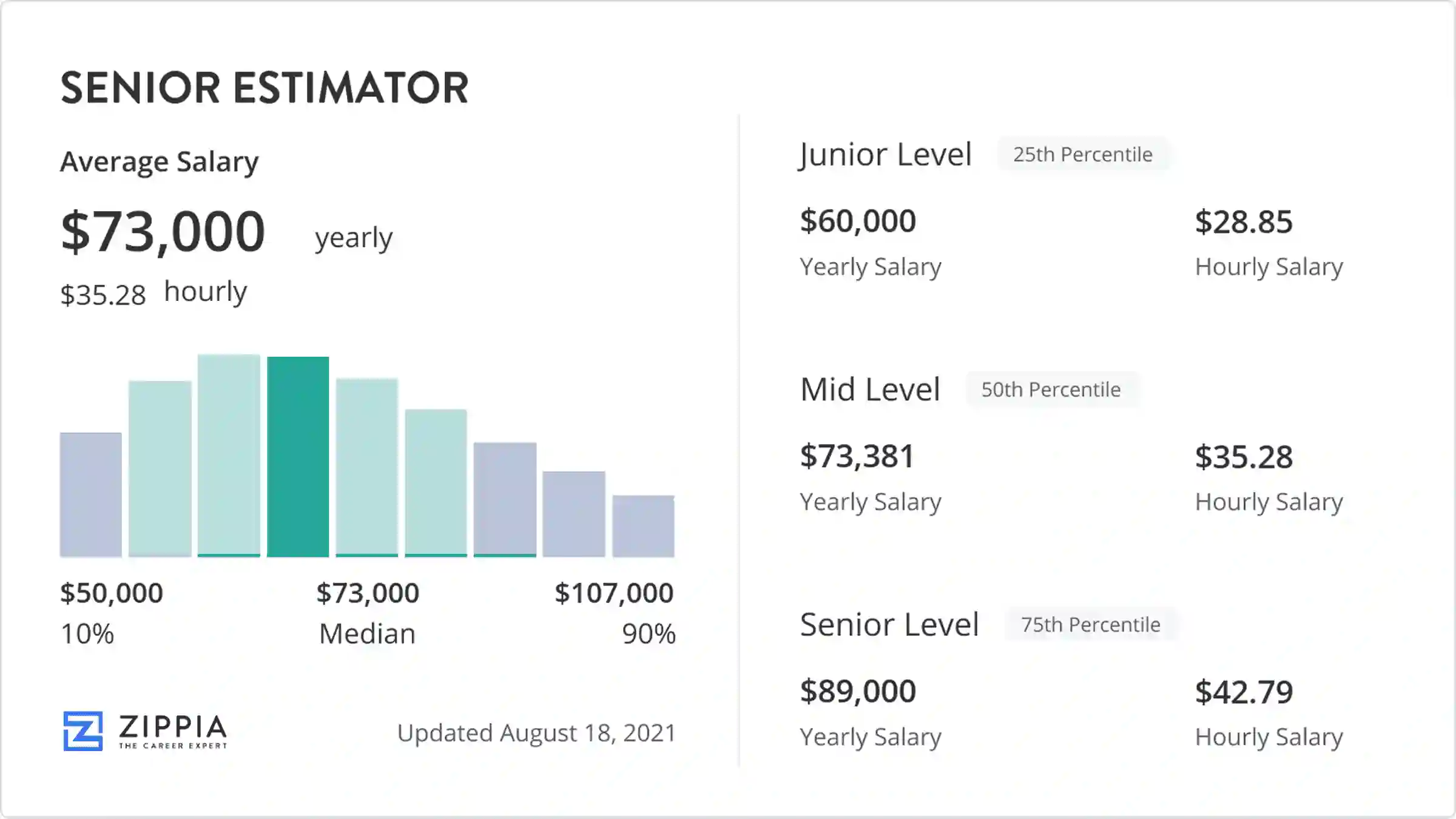
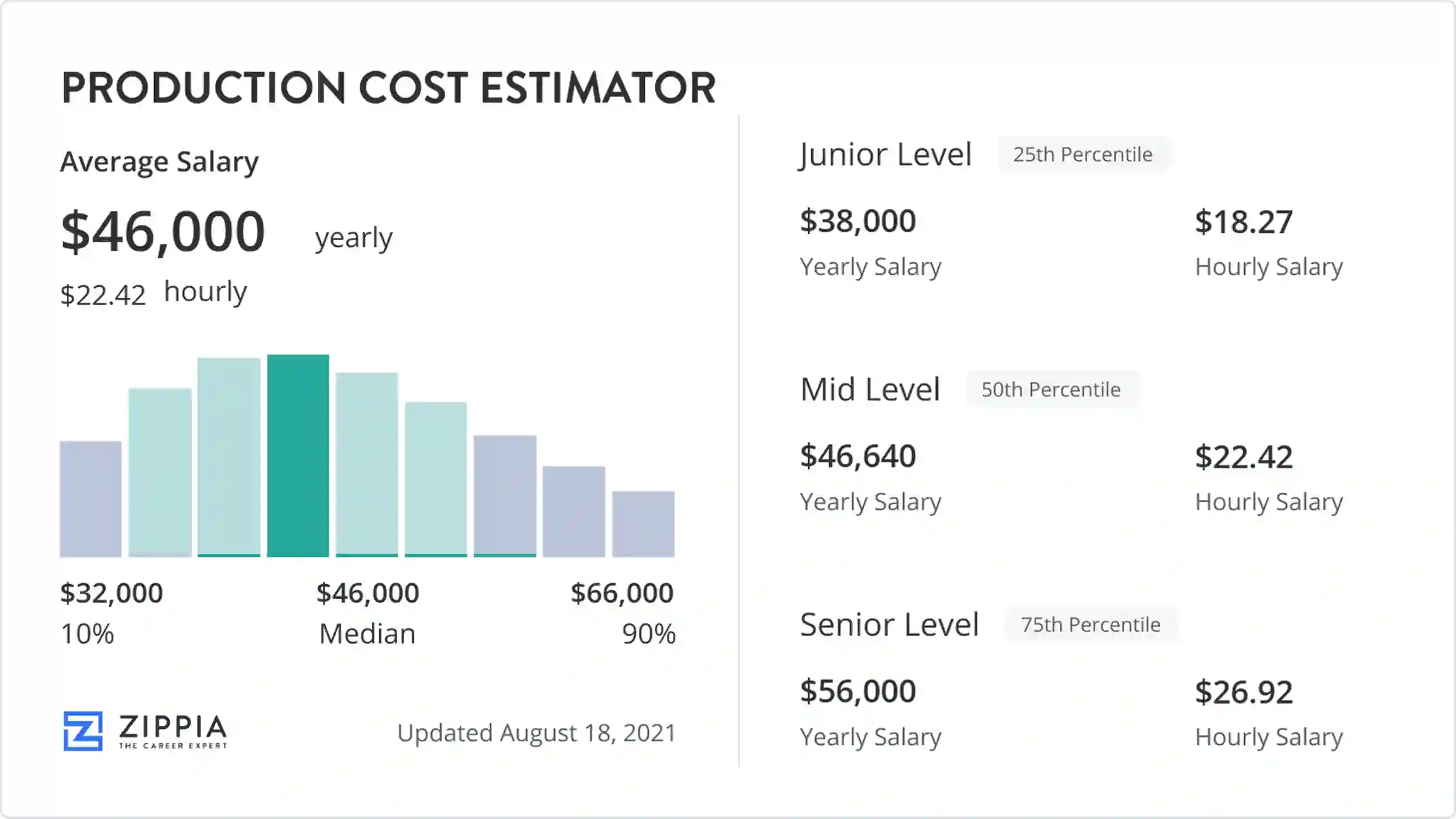
Junior estimator salaries can vary depending on the company, location, and your experience. It's a role that often comes with a set salary, rather than an hourly rate. As you gain experience, your salary is likely to increase. It's a great starting point, offering a stable income and the chance to develop valuable skills.
Building a Career in Estimating
Estimating is a specialized field, and with experience, you can progress to more senior roles. These roles often involve managing a team and taking on larger, more complex projects. You might also specialize in a particular area, such as commercial or residential construction. The skills you develop as an estimator are highly valued and can open doors to other roles in the industry.
Wrapping Up
So, there you have it! A glimpse into the world of junior estimators and their important role in construction. It's a fascinating field, and one that offers a great career path. If you're considering a role in estimating, I'd encourage you to research further and explore the opportunities. It's a rewarding career with plenty of room to grow and develop.
Related: A Simple Piano Notes Chart Guide
You've landed here because you're seeking a piano notes chart to help you out, right? Maybe you're a musician looking for a quick reference, or a music enthusiast wanting to understand the notes better. Either way, these charts are a handy tool to have.
The great thing about piano notes chart is that they provide a visual overview, making it easier to grasp the layout and understand note frequencies. While there are different formats and variations, the core information remains the same, offering a simple and effective way to navigate the piano's vast range of notes.
What is a Piano Notes Chart?
A piano notes chart is a visual representation that helps musicians and music enthusiasts understand the relationship between piano keys and the corresponding musical notes. It serves as a handy reference tool, especially for beginners, to grasp the layout of the piano keyboard and the notes it produces.
Key Details and Categories
The chart typically displays the piano keyboard's layout, with each key labeled according to its note. It covers the entire range of notes, from the lowest to the highest, and often includes multiple octaves. The notes are usually represented by their standard musical notation, such as C, D, E, F, G, A, and B, along with their respective sharps and flats. Additionally, some charts may include the frequency of each note, which is a numerical value indicating the pitch.
How to Read and Apply the Chart
Reading a piano notes chart is straightforward. Here's a step-by-step guide:
- Identify the Keyboard: The chart will display a visual representation of the piano keyboard, typically showing the white and black keys.
- Note Labels: Each key on the chart is labeled with its corresponding note. Look for the notes you need, whether it's a specific scale, chord, or a single note.
- Octaves and Range: Understand the octaves displayed on the chart. Octaves are indicated by numbers, and each octave contains a complete set of notes. The chart will usually cover multiple octaves to provide a comprehensive view.
- Sharps and Flats: Pay attention to the sharps (#) and flats (b) on the keys. These indicate the raised or lowered pitch of a note. For example, Cis a semitone higher than C, and Db is a semitone lower.
- Frequency (Optional): If the chart includes frequency values, these represent the pitch of each note in hertz (Hz). This information is useful for understanding the scientific aspect of pitch.
Variations and Differences
Piano notes charts may vary depending on the standard used. Different regions and music education systems might have slight variations in notation or labeling. For example, some charts might use scientific pitch notation, while others prefer the traditional letter names. Additionally, the range of notes covered can differ, especially when dealing with specialized keyboards or digital pianos with extended ranges.
Common Mistakes and How to Avoid Them
One common mistake is confusing the placement of sharps and flats. Remember, sharps raise the pitch, while flats lower it. Another pitfall is assuming all pianos have the same note distribution. While most standard pianos have 88 keys, some keyboards or digital pianos might have fewer keys, affecting the range of notes. Always double-check the specific keyboard you are using to ensure accuracy.
Practical Tips for Accurate Results
When using a piano notes chart, it's essential to familiarize yourself with the layout and understand the note names and their positions. Practice identifying notes by sight and sound. Start with the basic notes and gradually expand your knowledge to include sharps, flats, and different octaves. Additionally, consider using color-coded charts or stickers on your piano keys as a visual aid, especially if you are a beginner.
Double-Checking and Edge Cases
While piano notes charts provide a valuable reference, it's crucial to double-check specific note frequencies or tolerances for professional or precise applications. Some charts might not cover every possible note variation or custom keyboard setup. In such cases, consult specialized resources or seek guidance from music experts to ensure accuracy, especially when dealing with unique instruments or specific musical requirements.
Well, there you have it! You now possess a handy piano notes chart and the knowledge to use it effectively. Remember, when it comes to music and instruments, there's always room for variation and personal preference. So, ensure you check any specific requirements or standards relevant to your context.
Consider bookmarking this page for future reference. It's a quick and easy way to refresh your memory on those piano notes and their corresponding keys. Happy playing, and keep those fingers dancing!
Related: Bedroom Renovation Cost Essential Guide
"Wow, this bedroom is looking a bit tired. I wonder what a bedroom renovation cost would be..."
Understanding Bedroom Renovation Costs
So, you're thinking about giving your bedroom a makeover, but you're curious about the costs involved. Bedroom renovation costs can vary widely, and it's important to have a good idea of what you're getting into before you start. The price tag depends on a few key factors, and understanding these will help you plan and budget effectively.
The first thing to consider is the size of your bedroom. A larger room will naturally cost more to renovate than a smaller one, as it will require more materials and labor. The materials you choose also play a big role. Opting for higher-end finishes and fixtures will push the price up, while more budget-friendly options will keep costs down.
Another significant factor is the scope of the renovation. Are you just looking to freshen up the room with a new coat of paint and some updated furniture, or do you want to completely overhaul the space, including electrical and plumbing work? The more extensive the work, the higher the costs will be.
Hiring a Contractor
If your renovation involves structural changes or complex work, you'll likely need to hire a professional contractor. When looking for a contractor, it's important to do your research and check their credentials. Ask for references and examples of their previous work. Get several quotes to compare prices and ensure you're getting a fair deal.
A good quote will break down the costs clearly, so you can see exactly where your money is going. It should cover materials, labor, and any permits or inspections required. Don't be afraid to ask questions and seek clarification if something isn't clear.
Construction Company Names
If you're in the construction business or thinking of starting a company, choosing the right name is important. It should be memorable, reflect the nature of your work, and stand out from the competition. Some construction company name ideas could include:
- Build-It-Right
- HomeCrafters
- Solid Foundations
- Modern Makeovers
Remember to check the availability of the name you choose, both as a business registration and a domain name, to ensure you can establish an online presence too.
Industry Insights
The construction industry has its own language and tools. One commonly used resource is RSMeans, which provides cost data and estimates for various construction projects. It's a valuable tool for contractors and estimators to ensure accurate pricing.
The industry also has its own cost indexes, which track the costs of materials and labor over time. These indexes help construction professionals stay informed about market trends and make informed decisions about pricing and budgeting.
Large vs. Small Firms
The construction industry is diverse, with both large, established firms and smaller, local businesses. Large firms often have the resources to take on bigger projects and may have a wider reach, but they can also be more expensive. Smaller firms might offer more personalized service and competitive pricing, but may have a more limited scope of work.
When choosing a firm, consider your specific needs and the scale of your project. It's always a good idea to get quotes from a few different companies to compare and find the best fit for your bedroom renovation.
Final Thoughts
Renovating your bedroom can be an exciting project, and understanding the costs involved is a crucial step. By considering factors like size, materials, and scope, you can get a good estimate and plan accordingly. Remember, it's always a good idea to get multiple quotes and do your research to ensure a successful renovation.