

Corolla Tide Chart Free Printable Overview
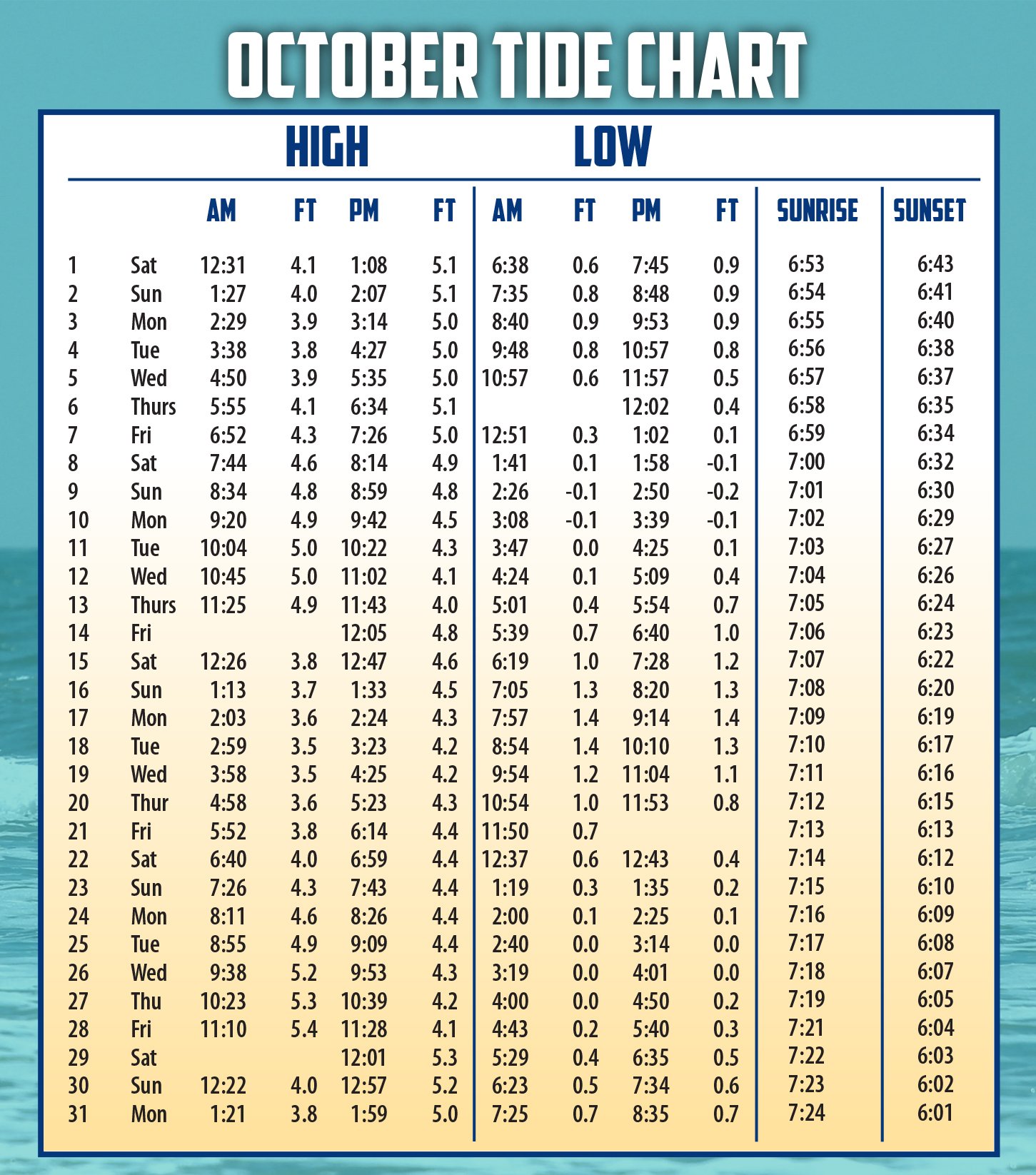
Many assume that reading a Tybee tide chart is complex, but it's a straightforward process once you know the basics. This chart, often found in coastal regions like Tybee Island, provides essential information for various activities and safety measures. Understanding its simple layout and key elements ensures you can quickly reference and utilize it effectively.
Understanding the Tybee Tide Chart: A Quick Overview
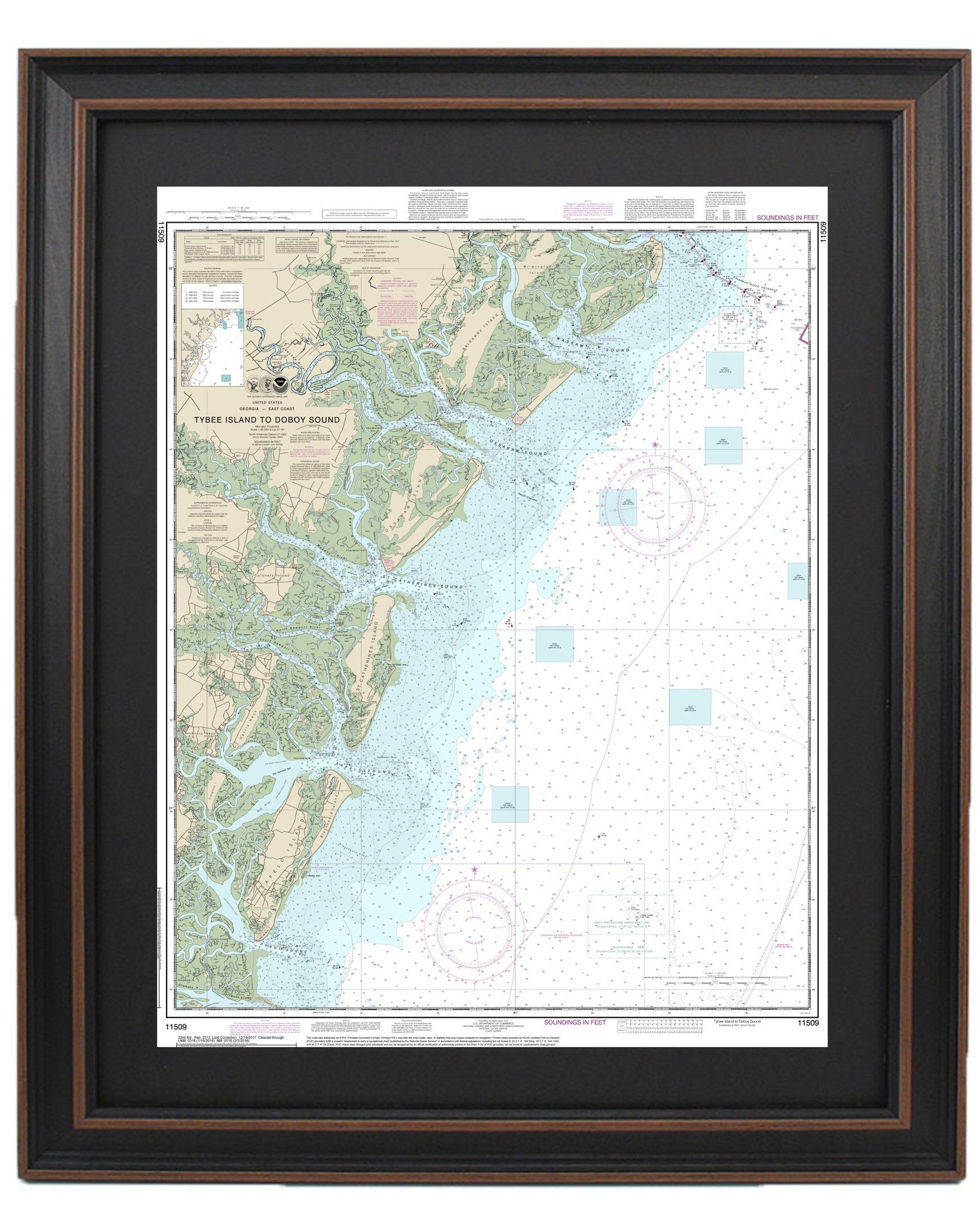
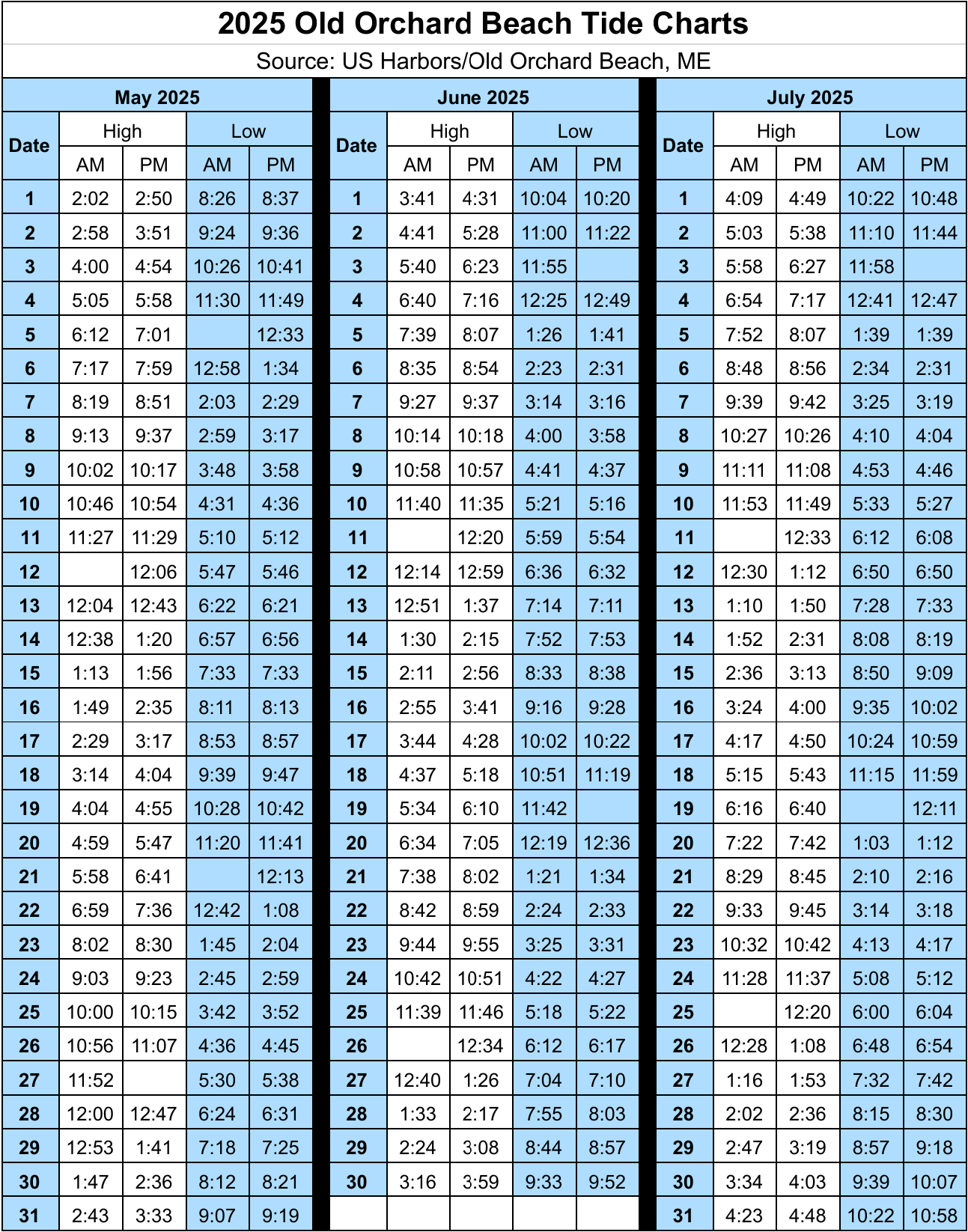
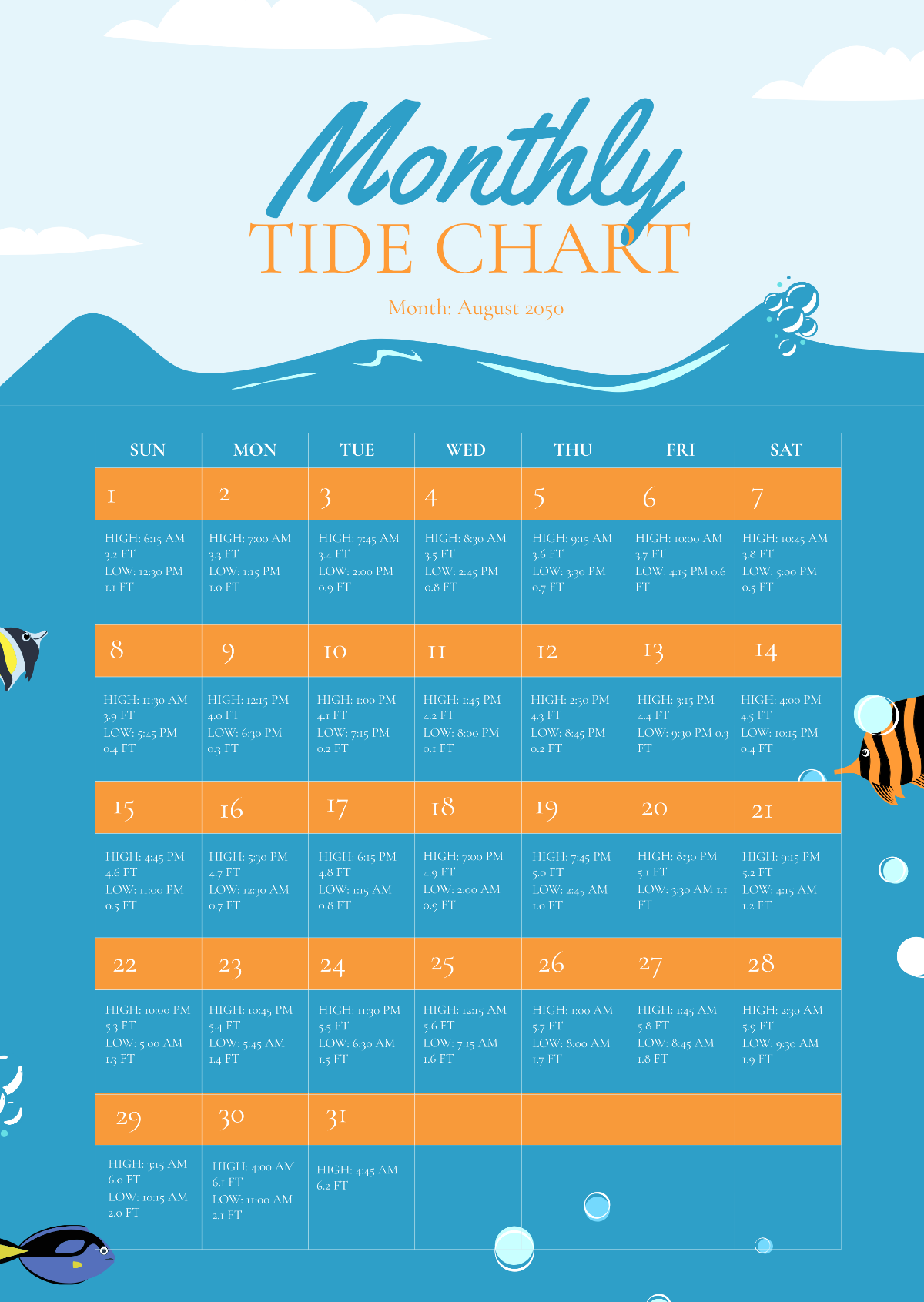
The tybee tide chart is a valuable tool for anyone planning activities along the Tybee Island coastline. It provides a visual representation of the daily tide fluctuations, offering insights into the rise and fall of the Atlantic Ocean's waters. This chart is an essential reference for coastal enthusiasts, helping them navigate the dynamic nature of the sea.
Comparing Tide Chart Formats: Standard vs. Regional Variations
Tide charts can vary based on the standards and regions they represent. While the basic concept remains consistent, the specific measurements and categories may differ. For instance, the tybee tide chart follows the standard used along the Georgia coastline, which might differ from international or metric systems. It's crucial to ensure you're using the correct chart for your location to avoid any discrepancies.
Step-by-Step Guide: Reading the Tybee Tide Chart
To read the tybee tide chart, follow these simple steps:
- Identify the date and time of your planned activity.
- Locate the corresponding time on the chart's horizontal axis.
- Read the tide height indicated by the vertical line at that time.
- Interpret the height as the sea level relative to a standard reference point.
- Plan your activities accordingly, considering the tide's impact on your chosen location.
Common Misconceptions and How to Avoid Them
A common misconception is assuming the tide chart provides an exact prediction of the water's behavior. While the chart offers a reliable guide, it's essential to understand that natural phenomena can cause variations. Always consider weather conditions, seasonal changes, and other factors that might influence the tide's behavior. Double-check the latest information and be prepared for minor deviations from the predicted tide times.
Factors Affecting Accuracy: Nature's Influence on Tide Charts
The accuracy of the tybee tide chart can be influenced by various natural factors. Wind patterns, atmospheric pressure, and even lunar cycles can cause the tides to fluctuate beyond the predicted norms. Additionally, extreme weather events like storms or hurricanes can significantly impact the water levels. It's crucial to stay updated with the latest weather forecasts and consider these factors when relying on the tide chart for planning.
Adapting the Tybee Tide Chart: Choosing the Right Format
The tybee tide chart is designed to provide a general overview of the tide's behavior. However, for more specific activities or locations, a customized chart might be beneficial. Consider your unique needs and the level of detail required. If you're planning an event or activity that relies on precise tide times, consult with local experts or nautical specialists to ensure you have the most accurate information.
Keeping Your Reference Reliable: Maintaining Chart Accuracy
To ensure the continued reliability of your tybee tide chart, it's essential to keep it updated. Regularly check for the latest versions or updates, especially if there have been significant weather events or seasonal changes. Consider investing in a reputable source for your charts, ensuring they are regularly maintained and reflect the most current conditions. By staying proactive, you can trust your chart to provide accurate guidance for your coastal adventures.
Well, there you have it! We've covered a lot of ground, ensuring you're equipped with the knowledge to navigate the Tybee tide chart like a pro. From understanding the different formats to avoiding common pitfalls, you're now ready to tackle the tides with confidence.
Remember, each situation is unique, so be sure to consider your specific needs and adapt the information accordingly. With this guide, you're well-prepared for your next adventure. So, until next time, happy charting! And don't forget to bookmark this page for a quick refresh whenever you need it.
Related: Understand Chicos Size Charts Easily
Many folks assume that chicos size charts are a one-size-fits-all deal, but that's a common misconception. These charts are actually tailored to the brand's unique sizing system, which can vary from other standard measurements.
So, while it's a simple reference tool, understanding how to read and interpret chicos size charts accurately is key to getting the perfect fit. It's all about knowing your measurements and finding the right correlation on the chart.
Understanding the Chicos Size Chart
The chicos size chart is a handy tool to help you find your perfect fit when shopping for clothing. It provides a clear guide to the standard measurements used by Chicos, ensuring you can easily navigate their sizing system. This chart is a great reference, especially when shopping online, as it gives you an accurate idea of the sizes available and how they correspond to your own measurements.
Comparing Size Chart Standards
Chicos' size chart follows a standard format, typically based on US sizing, which is widely used in North America. This chart provides measurements for various body parts, including bust, waist, hips, and inseam, to ensure a precise fit. It's important to note that while US sizing is common, other regions may use different standards, such as metric or European sizing. So, if you're used to a different system, it's a good idea to double-check the specific measurements and conversions.
Measuring Yourself for Accurate Sizing
To use the chicos size chart effectively, you'll need to take some key measurements. Here's a step-by-step guide:
- Bust: Measure around the fullest part of your bust, keeping the tape measure parallel to the floor.
- Waist: Measure your natural waistline, usually just above the belly button.
- Hips: Find the widest part of your hips and measure around, ensuring the tape is level with the floor.
- Inseam: For pants and jeans, measure from your crotch to the desired pant length.
Once you have these measurements, you can refer to the size chart and find the closest match. The chart will provide a range of measurements for each size, so you can choose the one that best fits your body.
Common Misreadings and How to Avoid Them
One common mistake is assuming that all clothing brands use the same size standards. While Chicos' size chart is a great guide, it's always a good idea to check the specific brand's size guide, especially if you're a regular customer. Another pitfall is measuring yourself incorrectly. Ensure you're measuring the right body parts and following the guidelines accurately. Finally, don't forget that sizing can vary slightly between different styles and fabrics, so always check the product details for any specific size notes.
Hey there, we hope you found this guide helpful and that it's now easier to navigate the world of Chicos size charts. Remember, while we've covered the basics, exact details might differ slightly, so always double-check with the brand's guidelines or consult our other guides for more specific info.
Consider bookmarking this page for future reference; it's a handy tool to have at your fingertips when you need to quickly look up those size charts!
Related: Find the Perfect Fit: Gildan Size Chart
You're likely here because you need to find the right size for a Gildan garment, and the Gildan size chart is your trusted tool for this task. This simple yet effective chart provides a quick and accurate way to determine the perfect fit, whether you're shopping for yourself or others. With various sizes and measurements, the chart offers a clear guide, ensuring you can make an informed choice. It's a handy reference, especially when considering the brand's popular unisex fit and the potential variations in sizing standards.
Understanding the Gildan Size Chart
The gildan size chart is a valuable tool for anyone looking to purchase Gildan apparel, providing a clear guide to help you choose the right size for a perfect fit. This chart is designed to offer a standardized sizing reference, ensuring consistency across their range of clothing.
Key Details and Categories
The chart typically displays a range of sizes, from extra-small to 5XL, and sometimes even larger. Each size is represented by a numerical value, such as 'S' for small or '3XL' for triple extra-large. These sizes are further categorized into specific measurements for various body parts, including chest, waist, and height. The measurements are provided in both inches and centimeters, offering a versatile reference for international customers.
Step-by-Step Guide to Reading the Chart
- Identify the type of garment you're interested in, as different apparel may have slightly different measurements. For instance, t-shirts and hoodies might have distinct fit specifications.
- Locate your body measurements on the chart. You'll typically find columns for chest, waist, and height, with corresponding rows for different sizes.
- Compare your measurements to the values on the chart. If your chest measurement falls within the range specified for a particular size, that's a good indication of the right fit.
- Consider the overall fit you prefer. If you like a looser fit, you might opt for a size larger than your exact measurements suggest. Conversely, for a more tailored look, you might choose a size slightly smaller.
Size Variations and Differences
It's important to note that size charts can vary between manufacturers and even between different Gildan product lines. This is because clothing is designed to fit differently, whether it's a relaxed, regular, or slim fit. Additionally, the intended use of the garment can influence the sizing. For example, a t-shirt designed for athletic wear might have a different fit than a casual t-shirt.
Common Mistakes and How to Avoid Them
One of the most common mistakes is assuming that all clothing brands use the same size standards. Always refer to the specific size chart for the brand and product you're interested in. Another pitfall is relying solely on your usual size without considering the fit you desire or the unique specifications of the garment. It's always a good idea to measure yourself and compare those measurements to the chart.
Practical Tips for Accurate Fitting
- When measuring yourself, ensure you're using a flexible tape measure for accurate results.
- Take measurements at the appropriate points on your body, such as the fullest part of your chest or the natural waistline.
- If you're between sizes, consider the fabric and style of the garment. Stretchy fabrics might allow for a slightly looser fit, while structured garments may require a more precise measurement.
- Don't forget to check the size chart for the specific product you're interested in, as sizing can vary even within the same brand.
- If you're still unsure, many online retailers offer size guides or customer reviews that can provide additional insights into the fit of a particular item.
Remember, while this guide provides a comprehensive overview, the specifics may shift slightly based on your unique context. Every brand and standard has its nuances, so it's essential to double-check the source for the most accurate information.
We have a range of other practical guides and resources on our site to help you navigate similar topics. Feel free to explore and discover more tips and tricks to make your sizing and fitting processes a breeze!