








Coye Love Island Overview
A glove size chart is a handy tool to ensure you get the perfect fit for your hands. This guide will show you how to navigate these charts and find your ideal glove size with ease.
Glove sizing can vary depending on the type and purpose of the glove, so having a reliable chart is key. It's a simple process to measure your hand and find your size, and we'll cover the steps to ensure you get it right. With a glove size chart, you'll be able to choose the right gloves for any task, from gardening to safety gear.
Glove Size Chart: A Quick Overview
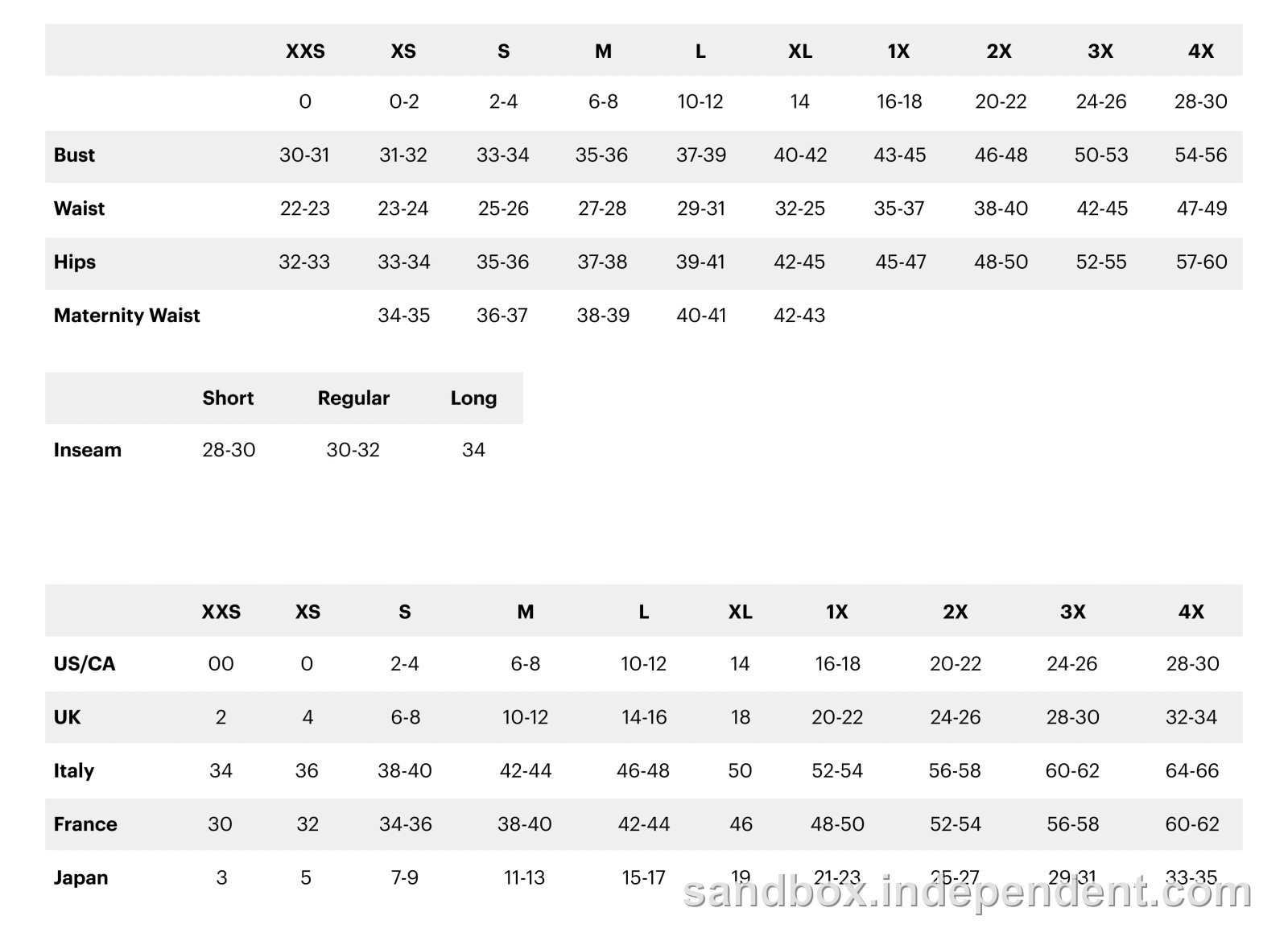
A glove size chart is your handy guide to finding the perfect fit for your hands. It's a simple yet effective tool that ensures your gloves are neither too loose nor too tight, offering comfort and functionality. This chart typically includes measurements for hand length and width, helping you choose the right size for various glove types.
Comparing Standards and Formats
Glove size charts can vary depending on the standard used. Common standards include the US sizing system and the international glove size standards. These standards provide different measurement categories and ranges. For instance, the US system often uses letter sizes like S, M, L, while international standards may employ numerical sizes with more precise measurements. It's essential to know which standard your chart follows to ensure accurate sizing.
Step-by-Step Guide to Using the Chart
Using a glove size chart is straightforward. First, measure your hand length from the tip of your middle finger to the base of your palm. Then, measure your hand width across your palm at its widest point. These measurements will guide you to the right size on the chart. For instance, if your hand length is 7.5 inches and your hand width is 3.5 inches, you'd likely need a medium-sized glove according to the US standard. Always refer to the chart's legend or key to understand the measurements and categories.
- Measure your hand length and width accurately.
- Locate these measurements on the chart.
- Identify the corresponding glove size.
- Cross-check with the glove's product description or packaging for any specific sizing details or recommendations.
- Try on the gloves to ensure a comfortable fit.
Common Misreadings and Pitfalls
Misreading a glove size chart can lead to an inaccurate fit. One common mistake is assuming all glove types follow the same sizing standards. For example, safety gloves might have different measurements than regular gloves. Always check the chart's specific use case or purpose. Another pitfall is neglecting to measure both hand length and width. Both measurements are crucial for an accurate fit. Lastly, remember that hand shapes can vary, so a size that fits one hand perfectly might not fit the other.
Factors Affecting Accuracy
Several factors can influence the accuracy of a glove size chart. Here are some key considerations:
- Hand Shape: Hands come in various shapes, and some gloves might fit certain shapes better than others.
- Material Stretch: The material of the glove can affect its stretch and fit. For instance, leather gloves might have less give than fabric gloves.
- Safety Features: Gloves with extra padding or safety features might have a different fit compared to standard gloves.
- Personal Preferences: Some people prefer a tighter or looser fit, so personal preference plays a role in sizing.
- Manufacturing Tolerances: Gloves from different manufacturers might have slight variations in sizing, so always check the brand's specific measurements.
Always refer to the glove sizing guide provided by the manufacturer for the most accurate fit.
So, there you have it, a handy guide to glove sizing. Remember, it's always a good idea to double-check your specific needs and consider any unique factors that might impact your glove choice.
We've covered a lot of ground, but there's always more to explore. If you found this helpful, why not check out some of our other practical guides? We've got a range of topics to keep you informed and ensure you're always making the right choices. Happy reading!
Related: Need a PT Chart for R-22?
You've likely arrived here with a specific goal: to understand and utilize the pt chart for r-22 efficiently. This chart is a handy tool, offering a quick reference for those seeking precise information on R-22 refrigerant. Whether you're a technician, an engineer, or simply someone needing accurate data, the R-22 pressure-temperature chart provides a clear visual representation of refrigerant properties. It's a go-to resource, offering insights into the relationship between pressure and temperature, and can guide you in various applications, from HVAC systems to refrigeration.
Understanding the PT Chart for R-22
The pt chart for r-22 is a valuable tool for anyone working with this refrigerant, providing a visual representation of its pressure-temperature relationship. This chart serves as a quick reference guide, offering insights into the refrigerant's behaviour under different conditions. By understanding this chart, you can make informed decisions when dealing with R-22 systems.
Comparing Pressure-Temperature Standards and Formats
There are various standards and formats for pt charts, each designed for specific purposes and regions. The chart for R-22 typically follows industry-standard pressure-temperature units, such as psi (pounds per square inch) and degrees Fahrenheit. These units are commonly used in the United States and are familiar to many technicians. However, it's important to note that other regions may use different units, such as bar and degrees Celsius, so always check the chart's legend or key to ensure you're interpreting the data correctly.
Step-by-Step Guide to Reading the PT Chart for R-22
Identify the Pressure and Temperature Axes: The pt chart will have two axes, one representing pressure and the other temperature. These axes are typically labelled clearly, but if you're unsure, refer to the chart's key or legend.
Locate the Operating Point: Determine the pressure and temperature values you need to read. These values will correspond to the refrigerant's state at a specific point in the system. For example, you might be interested in the pressure and temperature at the condenser outlet.
Find the Intersection: Locate the intersection of the pressure and temperature values on the chart. This point represents the refrigerant's state at that specific condition. The chart will provide information about the refrigerant's properties, such as its density, specific volume, and enthalpy, at that point.
Interpret the Data: The chart will often include additional lines or curves representing important parameters. For instance, you might see lines indicating the saturation pressure-temperature relationship, which helps determine if the refrigerant is in a saturated or superheated state. Understanding these lines and their meanings is crucial for accurate interpretation.
Common Misreadings and How to Avoid Them
One common mistake is assuming that the pt chart provides absolute values. While it offers valuable insights, it's essential to remember that the chart represents a generalised relationship. Actual system conditions may vary due to factors like system design, load, and ambient temperature. Always cross-reference the chart with real-time measurements and consider the specific context of your application.
Key Factors Affecting Accuracy and Real-World Use
Several factors can influence the accuracy of the pt chart for r-22. Firstly, the chart assumes ideal conditions, so deviations from these conditions can lead to variations in real-world performance. Factors like system efficiency, refrigerant charge, and component quality can impact the refrigerant's behaviour. Additionally, the chart may not account for all possible scenarios, such as extreme temperatures or specific system configurations. In such cases, it's crucial to consult the manufacturer's specifications or seek expert advice.
Choosing the Right Format for Specific Needs
The pt chart for r-22 comes in various formats, each tailored to different applications and preferences. Some charts provide a comprehensive overview, including multiple curves and lines, while others focus on specific parameters. When selecting a chart, consider your primary needs. If you're primarily interested in saturation properties, choose a chart that emphasises those. Alternatively, if you require a quick reference for superheat and subcooling calculations, opt for a chart designed for that purpose. Customising your chart selection ensures you have the most relevant and useful information at hand.
Well, there you have it! A handy PT chart for R-22 is a great tool to have in your arsenal, offering a quick and practical reference for your needs. Remember, while this guide provides a solid framework, your specific circumstances may require some adjustments.
So, before you put this knowledge into action, take a moment to ensure you've considered all the unique factors relevant to your situation. And don't forget, this page is here for you whenever you need a refresher, so feel free to bookmark it for future use!
Related: Stadium Builders License Essential Guide
I'm thinking about doing some home renovations, and the other day I stumbled across the term "stadium builders license." It got me curious: what's the deal with that? So, I did some digging and here's what I found out.
Decoding the Stadium Builders License
The stadium builders license is essentially a permit or authorization required for major construction projects, like building a stadium or a large-scale commercial structure. It's a crucial step to ensure the project complies with local regulations and safety standards. Think of it as a green light from the authorities to proceed with your build.
The process involves submitting detailed plans, getting them approved, and often paying a fee. It's a necessary step to avoid legal issues and ensure your project goes smoothly. You'll need to work with professionals who understand the local requirements and can guide you through the process.
Finding the Right Contractors
When it comes to getting your stadium builders license, you'll want to hire experienced contractors or construction companies. Look for firms with a proven track record in similar projects. Check their past work, ask for references, and ensure they're licensed and insured.
Interview potential contractors and ask about their experience with stadium builders license applications. A good contractor will guide you through the process, help with the paperwork, and ensure your project meets all the necessary criteria.
Naming Your Construction Business
If you're in the construction business or thinking of starting one, choosing a name is a big deal. It's your brand, your identity. A good name should be memorable, unique, and reflect your business values and services.
Here are a few name ideas to get you started:
- BuildMaster Construction
- Skyrise Builders
- Solid Foundations
- Renova Home Remodeling
- Constructive Solutions
Remember to check name availability and secure your domain and local registration before committing to a name.
The World of Construction Jobs
The construction industry offers a wide range of roles, from general contractors and estimators to project managers and specialized tradespeople. If you're looking for a job in this field, you'll find opportunities across the board.
Construction jobs often involve a mix of office and on-site work. You might start by checking job boards, local newspapers, or reaching out to construction companies directly. Don't forget to network and attend industry events to stay connected and informed about job openings.
Tools of the Trade: RSMeans and More
RSMeans is a popular resource in the construction industry. It's a comprehensive cost database that provides accurate estimates for various construction projects. From labor and materials to equipment and escalation costs, RSMeans covers it all.
Estimators and contractors use tools like RSMeans to create precise budgets and bids. It helps ensure projects stay on track financially and provides a valuable reference for the entire construction process.
Big Construction Companies: How They Differ
Large construction companies often have a broader scope and take on more complex projects. They have the resources and expertise to handle large-scale builds and can manage multiple projects simultaneously.
These companies typically have specialized departments for different aspects of construction, from design and engineering to project management and safety. They also have the financial backing to invest in the latest technology and equipment.
Wrapping Up
So, there you have it—a quick guide to the stadium builders license and some related topics. Whether you're renovating your home, starting a construction business, or looking for a job in the industry, understanding these basics is a great starting point.
Remember, when it comes to construction, it's always a good idea to do your research, ask questions, and work with professionals who know their stuff.