



Crayola 50 Colored Pencils Overview
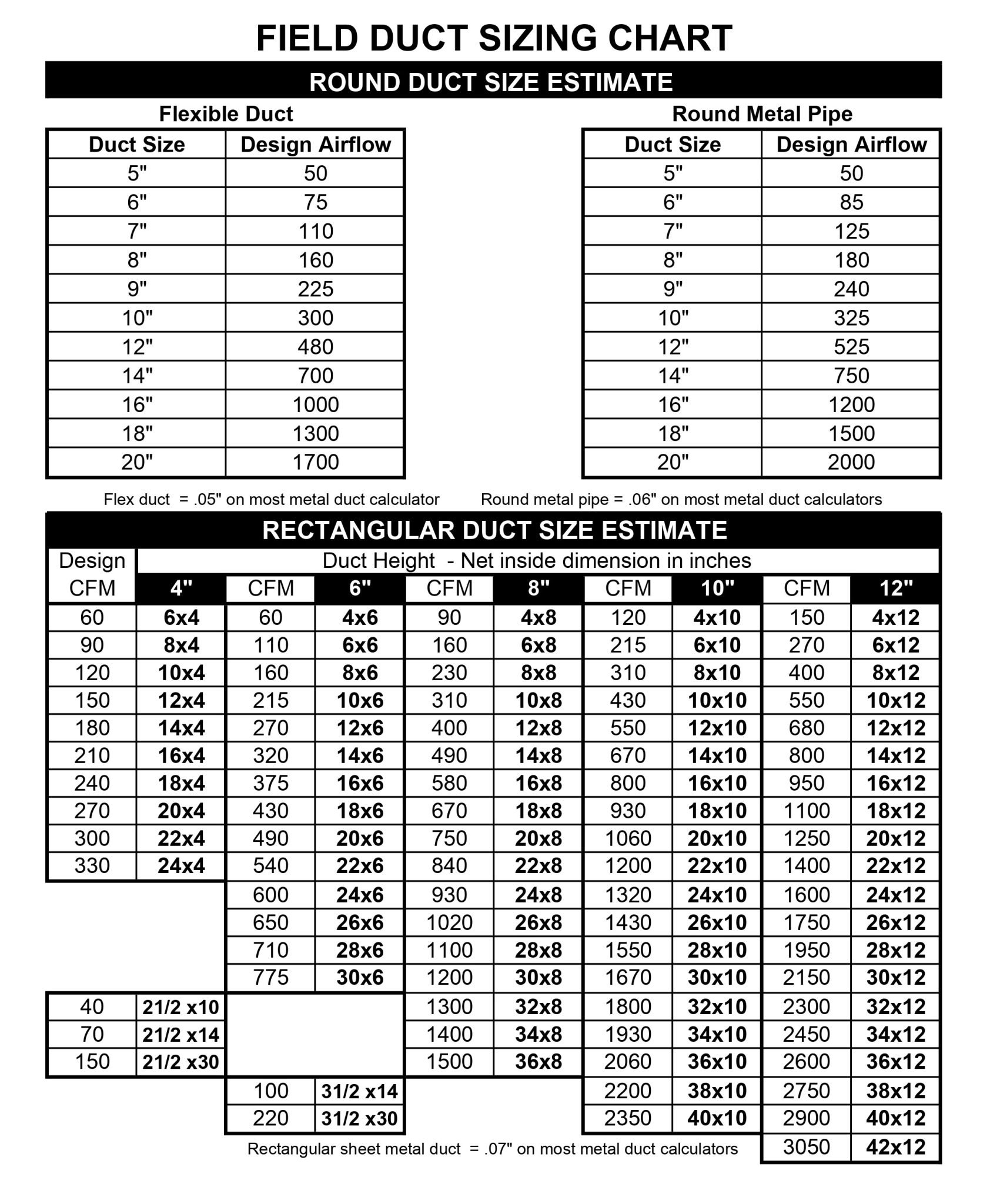
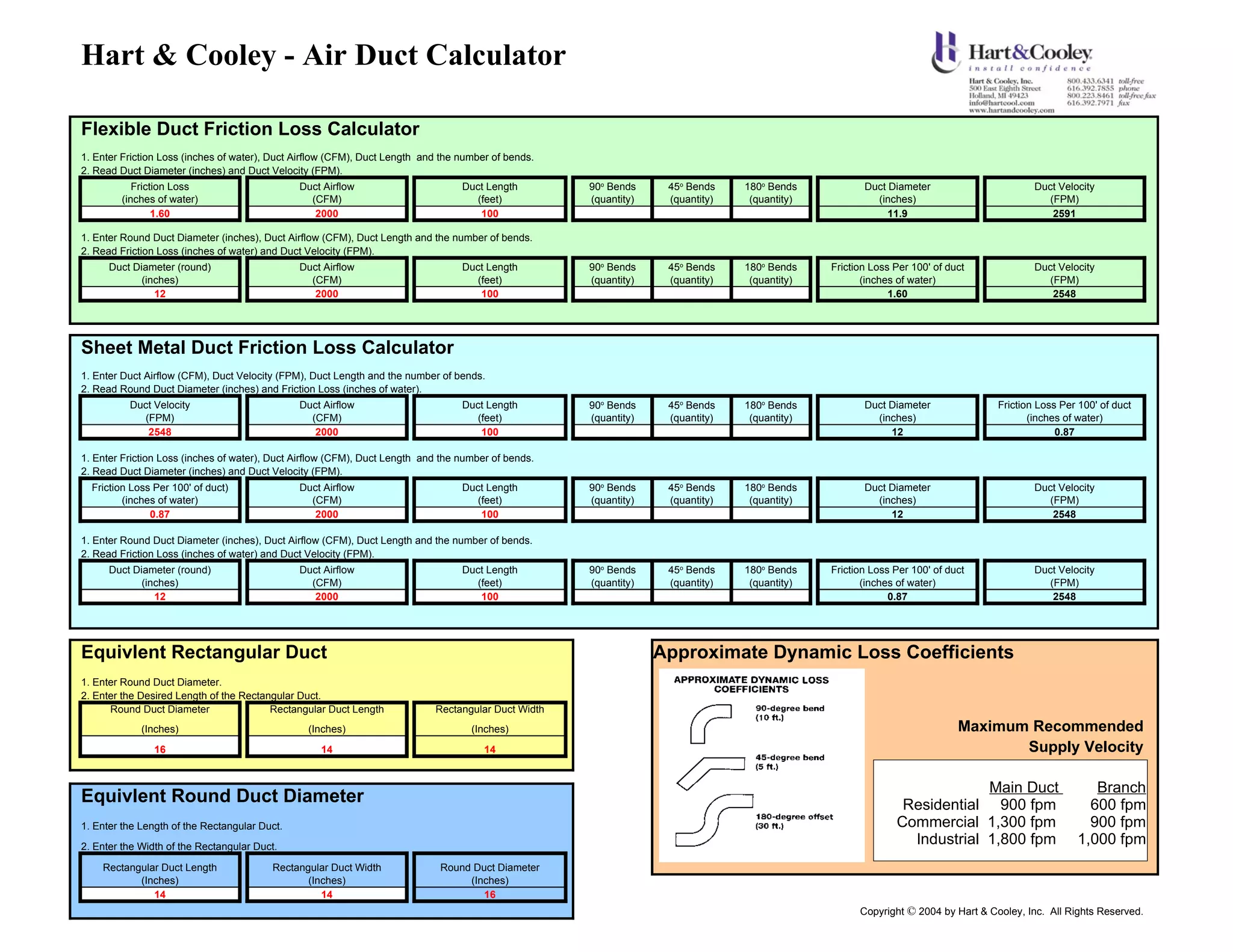
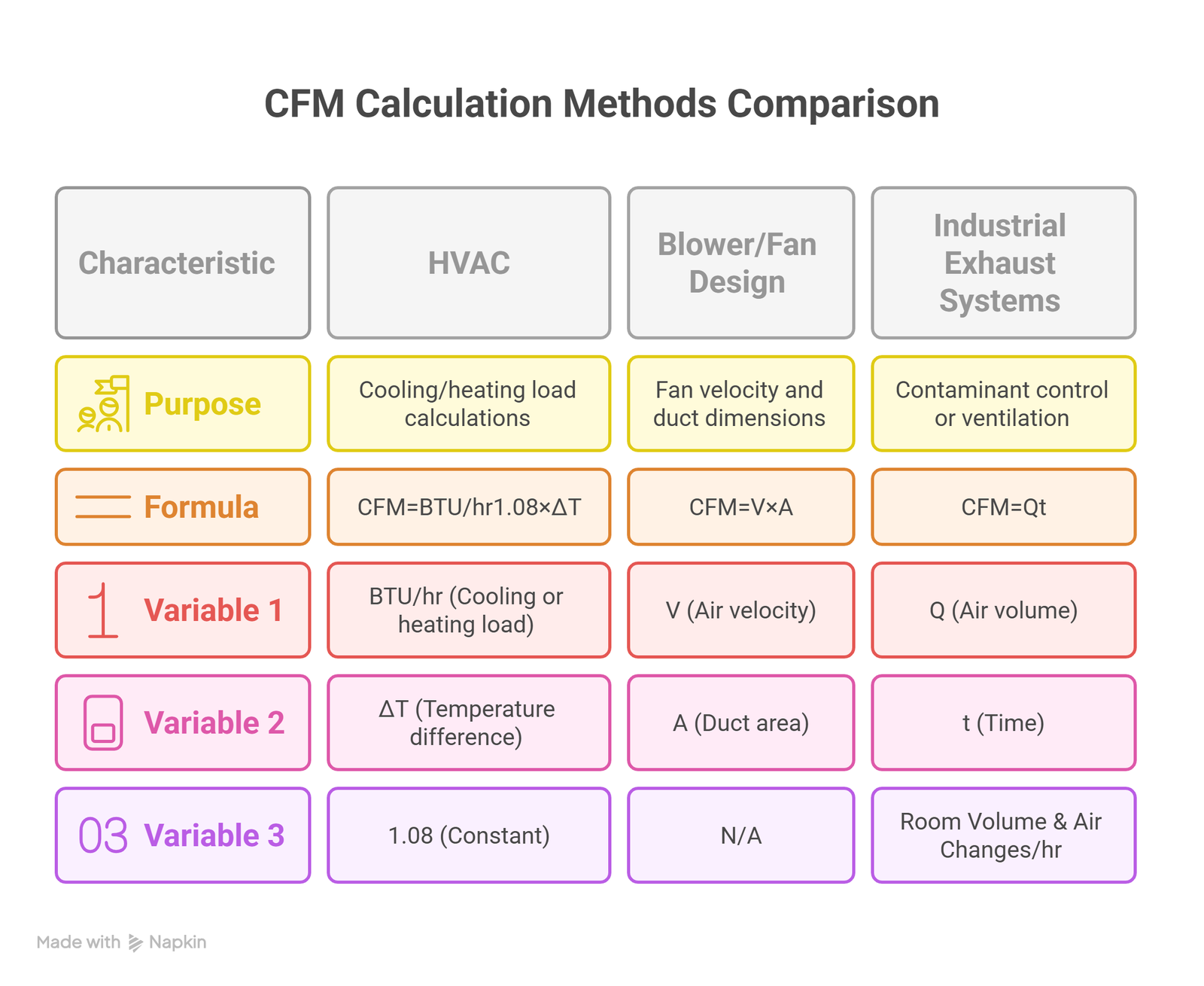
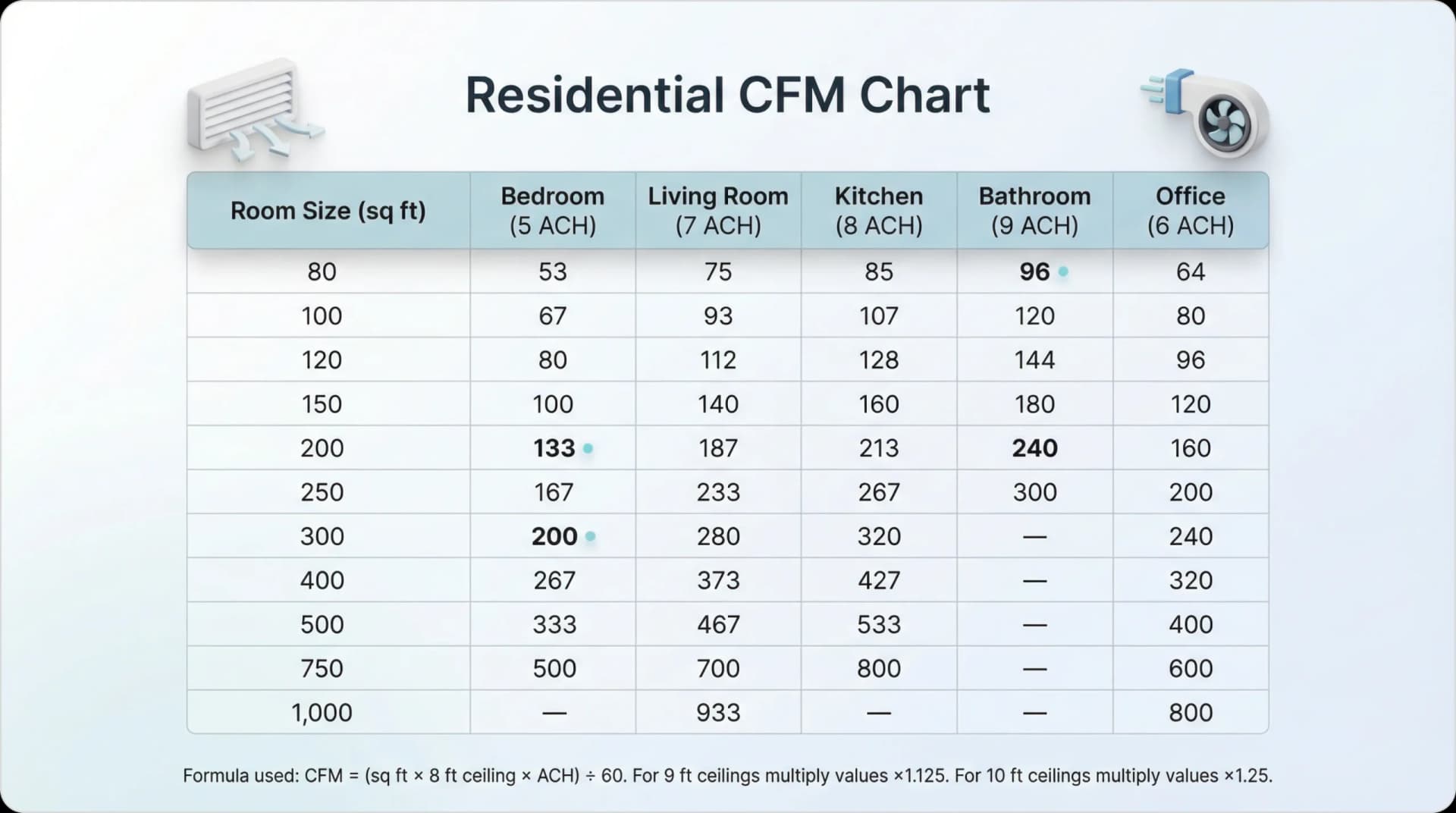
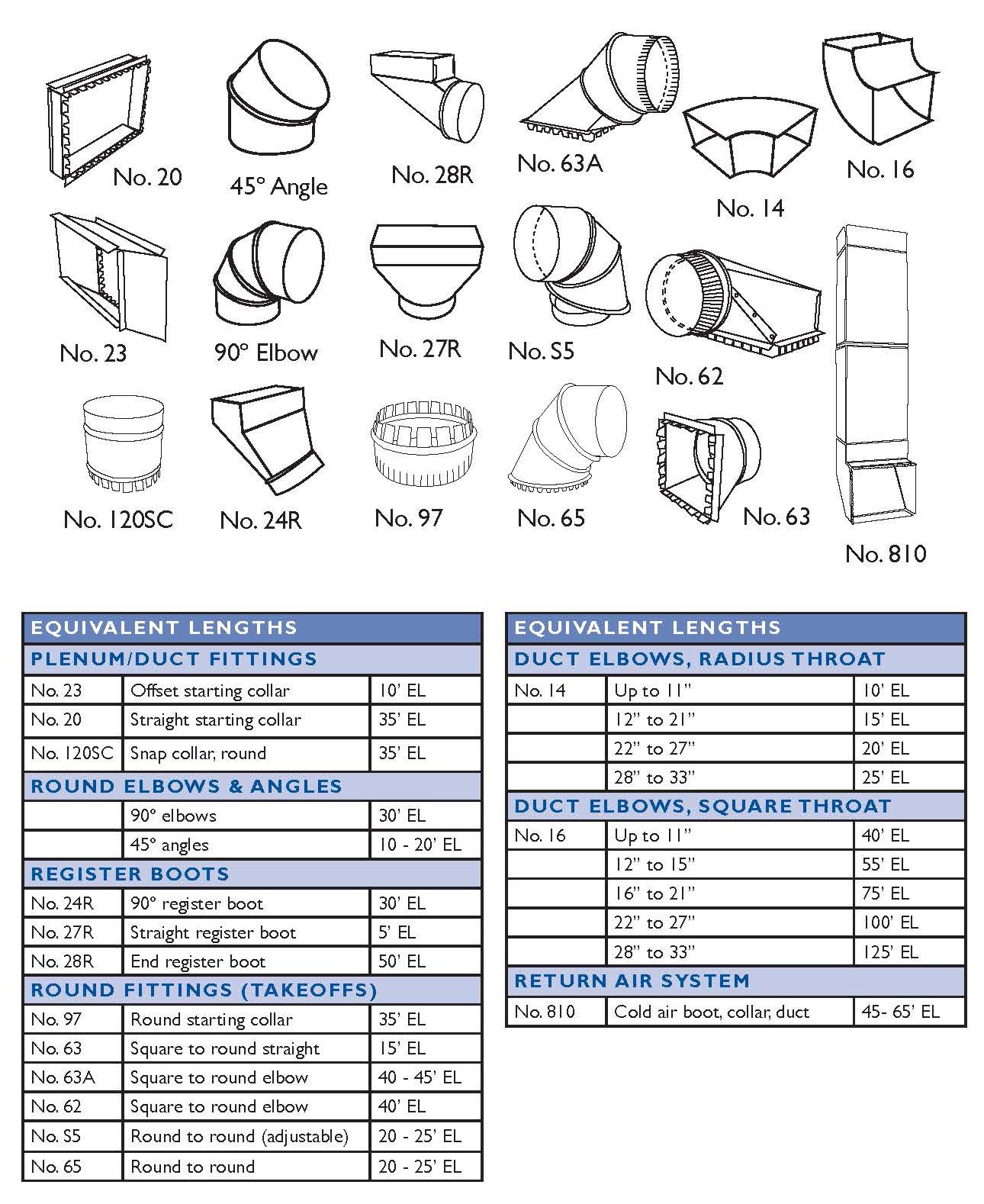
A cfm duct chart is a handy tool, a simple yet effective guide, that can make your life easier when dealing with air flow and ductwork. This chart is your go-to reference, offering a quick and clear way to understand and calculate air flow rates and duct sizes.
In this guide, we'll explore how to read and utilize the cfm duct chart effectively. You'll learn about the key values and their variations, ensuring you can apply this chart accurately for your projects. It's a practical skill, and we'll keep it simple!
Understanding the CFM Duct Chart
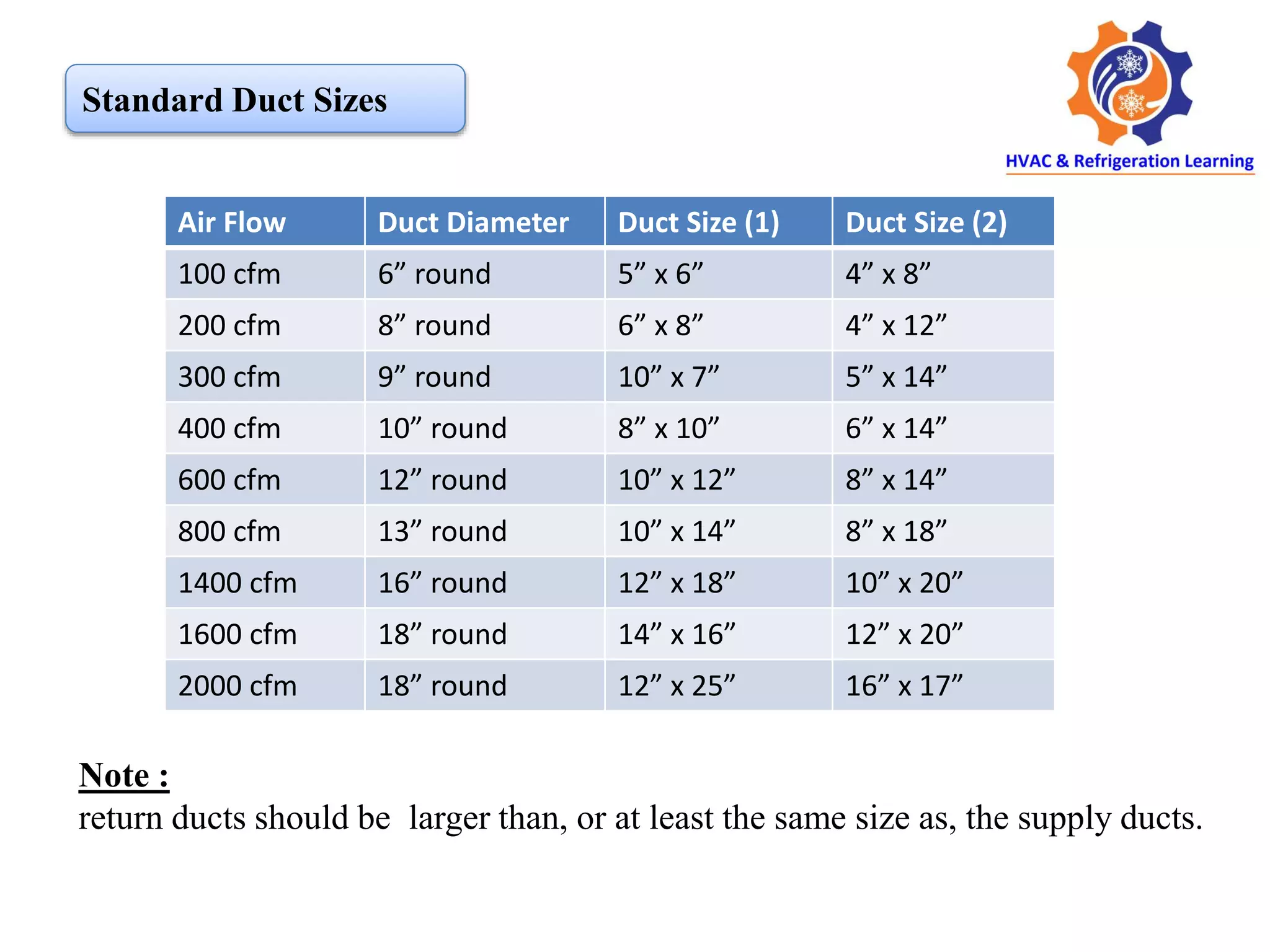
A CFM duct chart is a valuable tool for anyone working with air flow and duct systems. It provides a visual representation of the relationship between duct sizes and the air flow rate, measured in cubic feet per minute (CFM). This chart simplifies the process of selecting the right duct size for a specific air flow requirement.
Key Details and Units
Before diving into the chart, it's essential to understand the basics. The CFM duct chart typically displays two key categories: duct sizes, often given in inches, and the corresponding CFM values. These values indicate the volume of air that can pass through a duct of a particular size. The chart usually covers a range of standard duct sizes and their respective CFM ratings.
Practical Applications: Reading and Using the Chart
Using the CFM duct chart is straightforward. Here's a step-by-step guide:
- Identify the desired air flow rate (CFM) for your application. This could be based on the equipment you're using or the specific needs of your project.
- Locate the CFM value on the chart.
- Follow the row or column to find the corresponding duct size. This size ensures the duct can handle the required air flow.
- If your specific CFM value isn't listed, you can interpolate between the values provided.
Variations and Differences
It's important to note that CFM duct charts may vary depending on the standard or region. Different countries and industries might have their own specific charts and guidelines. Additionally, factors like duct material, shape, and installation can influence the actual air flow. While the chart provides a useful reference, it's always a good idea to double-check with the manufacturer's specifications for precise tolerances and recommendations.
Hey there! I hope this duct chart guide has been helpful. Remember, while the fundamentals stay the same, exact details can vary slightly depending on the context. So, keep an eye out for those little nuances!
If you're keen to explore more practical guides like this, feel free to check out our other resources. And don't forget to bookmark this page for a quick refresher whenever you need it. Happy charting!
Related: Find Your Perfect Fit: vuori size chart guide
"Vuori size chart" is your trusted companion when shopping for the perfect fit. This guide will walk you through the essentials, ensuring you understand how to navigate and utilize this valuable tool effectively.
The Vuori size chart is a simple yet powerful resource, offering a clear and concise overview of sizing options. It's a quick reference, ensuring you find the right fit for Vuori's activewear and apparel. While standards can vary, this chart provides a reliable starting point for your sizing journey.
Understanding the Vuori Size Chart
The Vuori size chart is a handy tool that helps you find the perfect fit for your activewear. It's a simple guide that ensures you get the right size for your body and the style you want. This chart is a great way to shop with confidence, especially when buying online.
Key Details and Categories
The Vuori size chart covers a range of sizes, typically from extra small to extra large, and sometimes even beyond. It provides measurements for key body parts, such as chest, waist, hips, and inseam length. These measurements are crucial for a comfortable and flattering fit. The chart also includes specific size categories, like small, medium, and large, which are standard across many clothing brands.
Reading and Applying the Chart
Using the Vuori size chart is straightforward. First, locate your usual size based on your height and weight. Then, check the corresponding measurements for chest, waist, and other relevant body parts. Compare these measurements with your own body's dimensions. If you're between sizes, consider going for the larger size for a more relaxed fit, or the smaller size for a more fitted look. It's all about personal preference and the style of the garment.
Size Variations and Differences
It's important to note that size charts can vary slightly between brands and even within a brand's different product lines. Vuori apparel sizing guide may have slight variations depending on the fabric and design of the garment. For instance, a relaxed-fit top might have a looser fit than a more structured jacket, even if they are the same size. Additionally, personal preferences and body types can also influence the fit. Some people prefer a snug fit, while others like a looser, more comfortable feel.
Common Mistakes and How to Avoid Them
One common mistake is relying solely on your usual size without considering the specific measurements. Every brand's size chart can differ, so always refer to the Vuori size chart for accurate sizing. Another pitfall is not measuring yourself correctly. Ensure you measure your body accurately, following the guide's instructions. Lastly, don't forget to consider the style and fit of the garment. Some items are designed to be more fitted, while others are meant to be loose and relaxed.
Tips for a Perfect Fit
To ensure the best fit, always measure yourself before ordering. Use a flexible tape measure and follow the guide's instructions for accurate measurements. If you're unsure, it's a good idea to measure a garment you already own and love the fit of. Compare these measurements with the Vuori size chart to find your ideal size. Remember, the chart is a guide, and personal preferences play a role. If you prefer a looser fit, choose a size up; for a more tailored look, go for a size down.
By following these tips and understanding the Vuori size chart, you'll be able to shop with confidence and enjoy the perfect fit for your activewear. Happy shopping!
Well, there you have it! A size chart can be a handy tool, but it's important to remember that these are general guides, and your personal fit may vary. Always consider your own preferences and the specific garment's style when choosing a size.
So, before you hit the checkout, take a moment to ensure you've got the right measurements and context covered. It's a simple step that can save you time and ensure a perfect fit. And hey, if you need a quick reference in the future, just bookmark this page for easy access!
Related: Find Your Perfect Quilt Size with This Easy Chart
A quilt size chart is a handy tool for quilters and crafters, offering a quick guide to standard quilt dimensions. This simple reference ensures your projects turn out perfectly sized, every time.
The chart covers a range of common quilt sizes, from crib quilts to king-size creations. It's a useful resource, especially when you're working with different quilt patterns and want consistent results. Keep in mind that quilt sizes can vary slightly between regions and standards, so it's a good idea to check the chart's source for any specific details.
Quilt Size Chart: A Guide to Standard Sizes
Quilt size charts are a handy tool for quilters and crafters, providing a quick reference for the standard dimensions of quilts. These charts offer a practical guide to ensure your quilts fit the intended purpose, whether it's a cozy bed cover or a baby crib quilt. Let's dive into understanding this chart and how to use it effectively.
Key Details and Units
The quilt size chart typically includes a range of common quilt sizes, from crib quilts to king-size bed quilts. It provides the length and width measurements in inches, which are standard units for quilt sizes. Some charts may also include metric measurements for international use. The chart categories often cover crib, twin, full, queen, and king sizes, along with their respective dimensions.
Reading the Chart: A Step-by-Step Guide
Using the quilt size chart is straightforward. First, identify the purpose of your quilt. Are you making a baby quilt, a bed cover, or a unique size for a specific project? Once you know the intended use, locate the corresponding category on the chart. For instance, if you're making a queen-size bed quilt, find the "Queen" category. The chart will provide the recommended length and width measurements for that size. Simply follow these dimensions when cutting and assembling your quilt top, backing, and batting.
Variations and Differences
While the quilt size chart offers standard measurements, variations can occur due to different standards and contexts. For example, some regions may use metric measurements, leading to slight differences in dimensions. Additionally, quilt sizes can vary based on the intended use. A crib quilt for a baby might have different dimensions compared to a decorative wall hanging quilt. It's essential to consider the purpose and any specific requirements when using the chart.
Common Mistakes and How to Avoid Them
One common mistake is assuming that all quilts must adhere strictly to the chart's measurements. Remember, the quilt size chart provides guidelines, but your personal preferences and the project's needs may vary. Another mistake is overlooking the intended use. Always consider whether you're making a bed quilt, a throw, or a unique size for a specific purpose. Misinterpreting the chart's categories can also lead to errors. Ensure you understand the difference between crib, twin, and other sizes before selecting your measurements.
Practical Tips for Accurate Sizing
To ensure accurate sizing, double-check the specific requirements for your project. If you're making a quilt for a bed, measure the bed's dimensions and consider the desired overhang. For unique projects, measure the intended space and adjust the quilt size accordingly. It's also beneficial to have a basic understanding of fabric widths and yardage requirements. This knowledge will help you calculate the fabric needed for your quilt size accurately. Lastly, consider the quilt's purpose and any personal preferences for thickness or design elements that might impact the overall size.
By following these practical tips and understanding the quilt size chart, you'll be well-equipped to create quilts that fit perfectly for their intended use. Happy quilting!
Hey there, quilter! Now that we've covered the ins and outs of quilt sizes, remember that these details can shift a bit depending on your specific project and the resources you're using. So, keep an eye out for any variations and adapt as needed.
If you're new to quilting or just want a handy reference guide, be sure to bookmark this page for future use. It's a great way to ensure your quilts turn out perfectly sized every time!