


Crayola Marker Spray Brush Overview
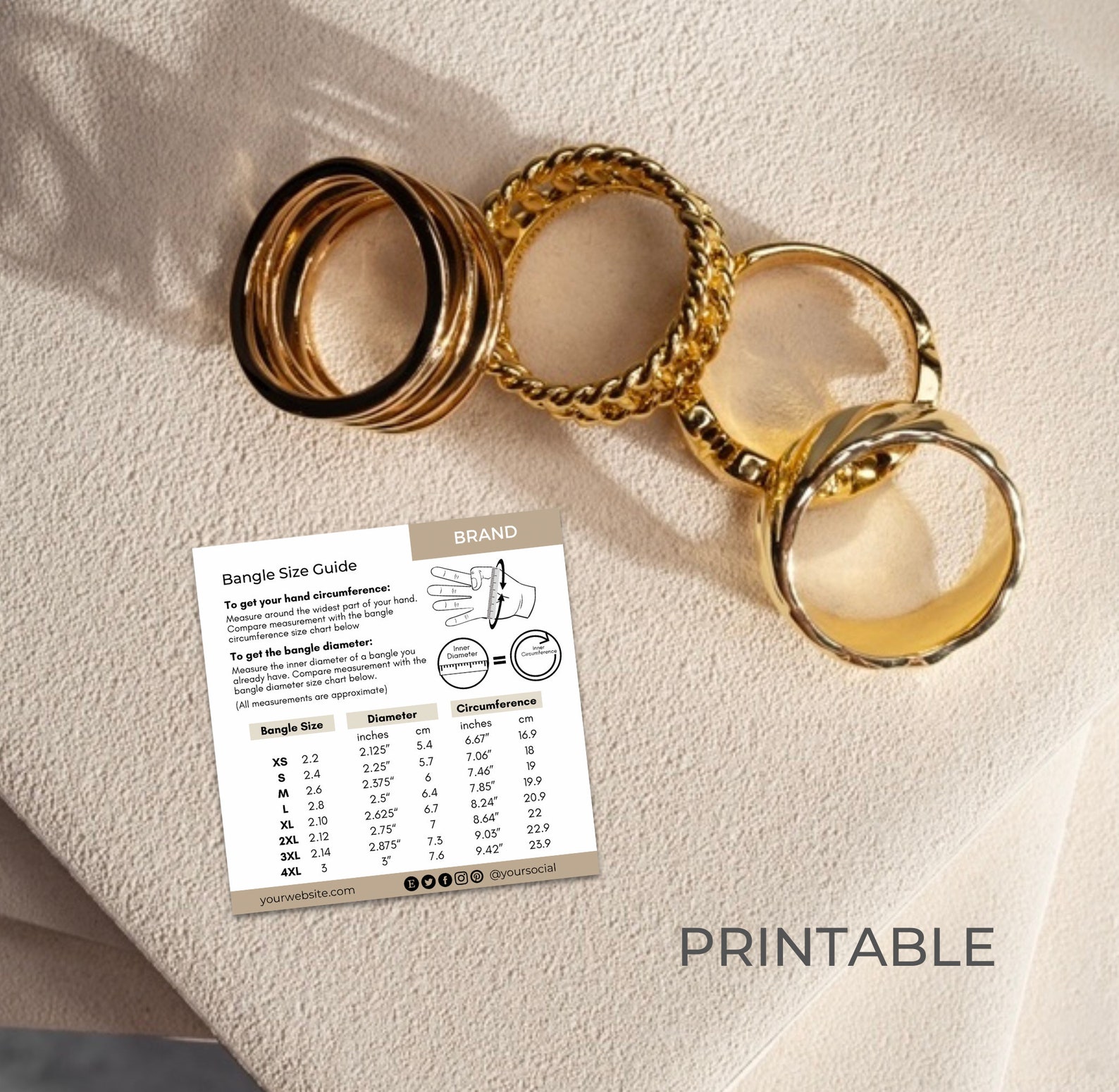
You're here because you need a simple solution, and the bangle size chart is your answer. This handy tool, whether a visual guide or a reference table, is a quick way to get the right bangle size. It's a straightforward process, but with so many options, it's easy to get confused. So, let's keep it simple and ensure you find the perfect fit. The chart may vary, offering different measurements and standards, but we'll navigate that together, ensuring you understand the key details.
Bangle Size Chart: A Simple Guide
The bangle size chart is a handy tool that helps you find the perfect fit for your bangles or bracelets. It's a reference guide that provides measurements and sizes to ensure you get the right size every time. This chart is especially useful when shopping online or if you're unsure about your wrist size.
Key Details and Measurements
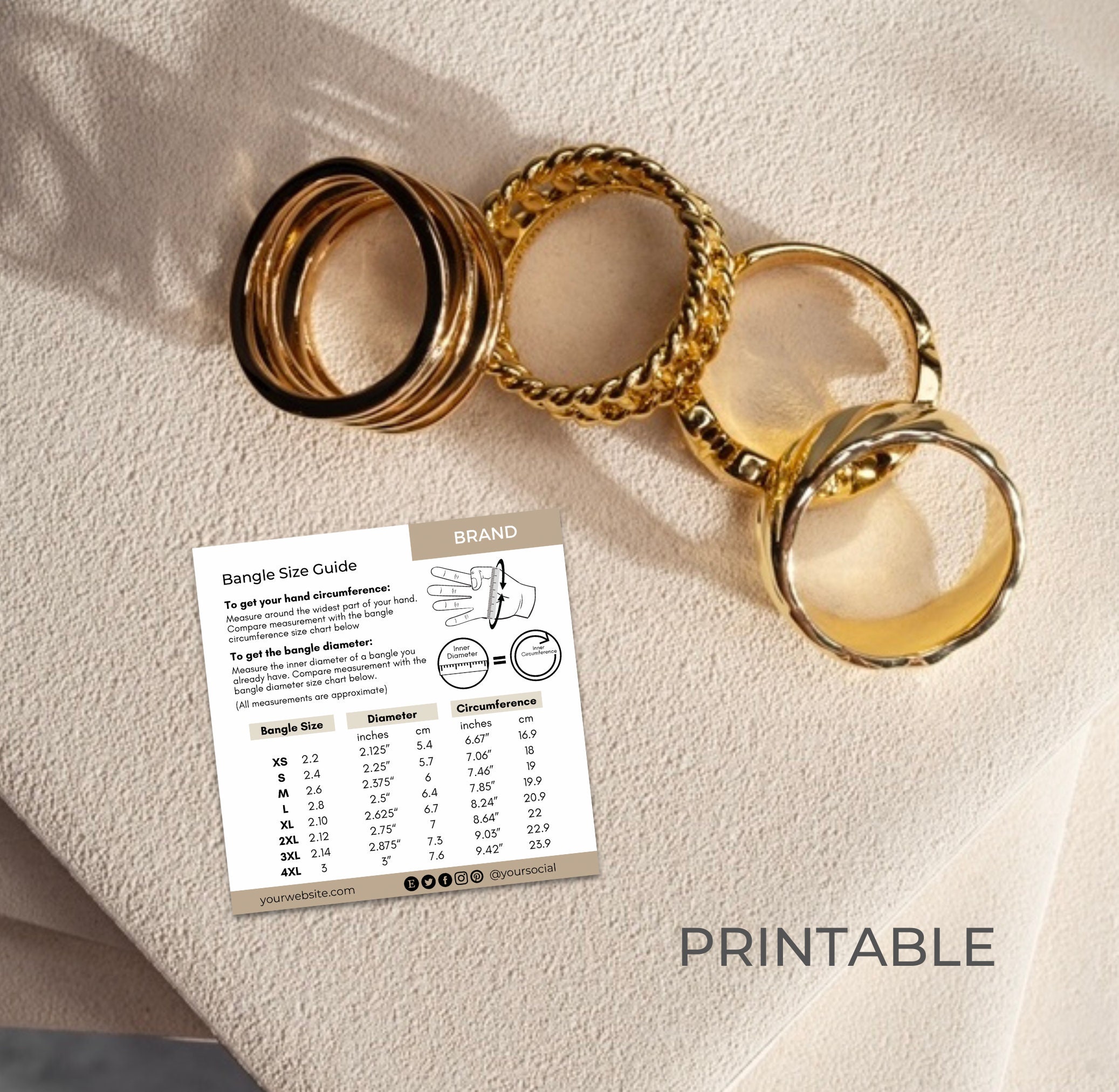
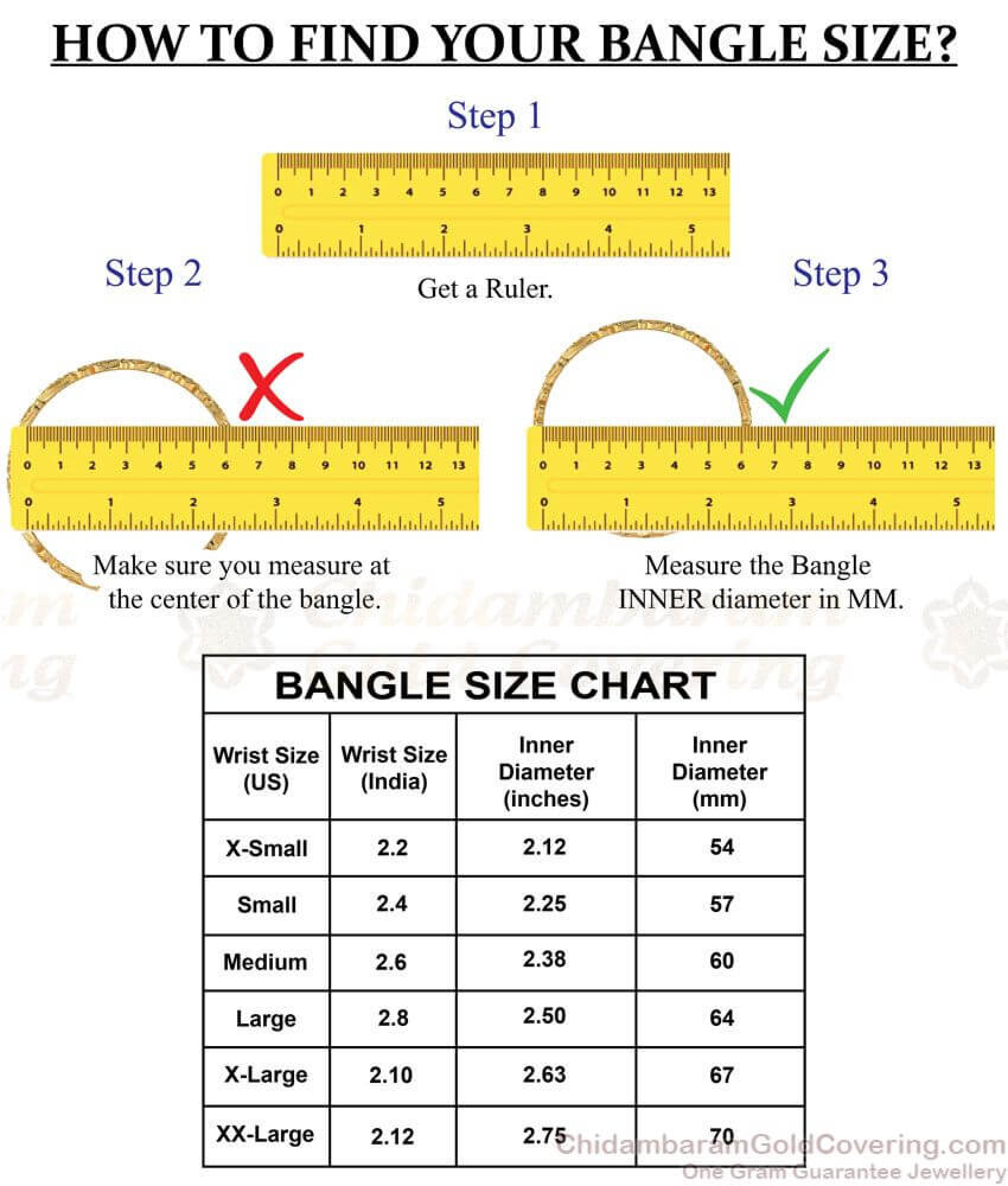
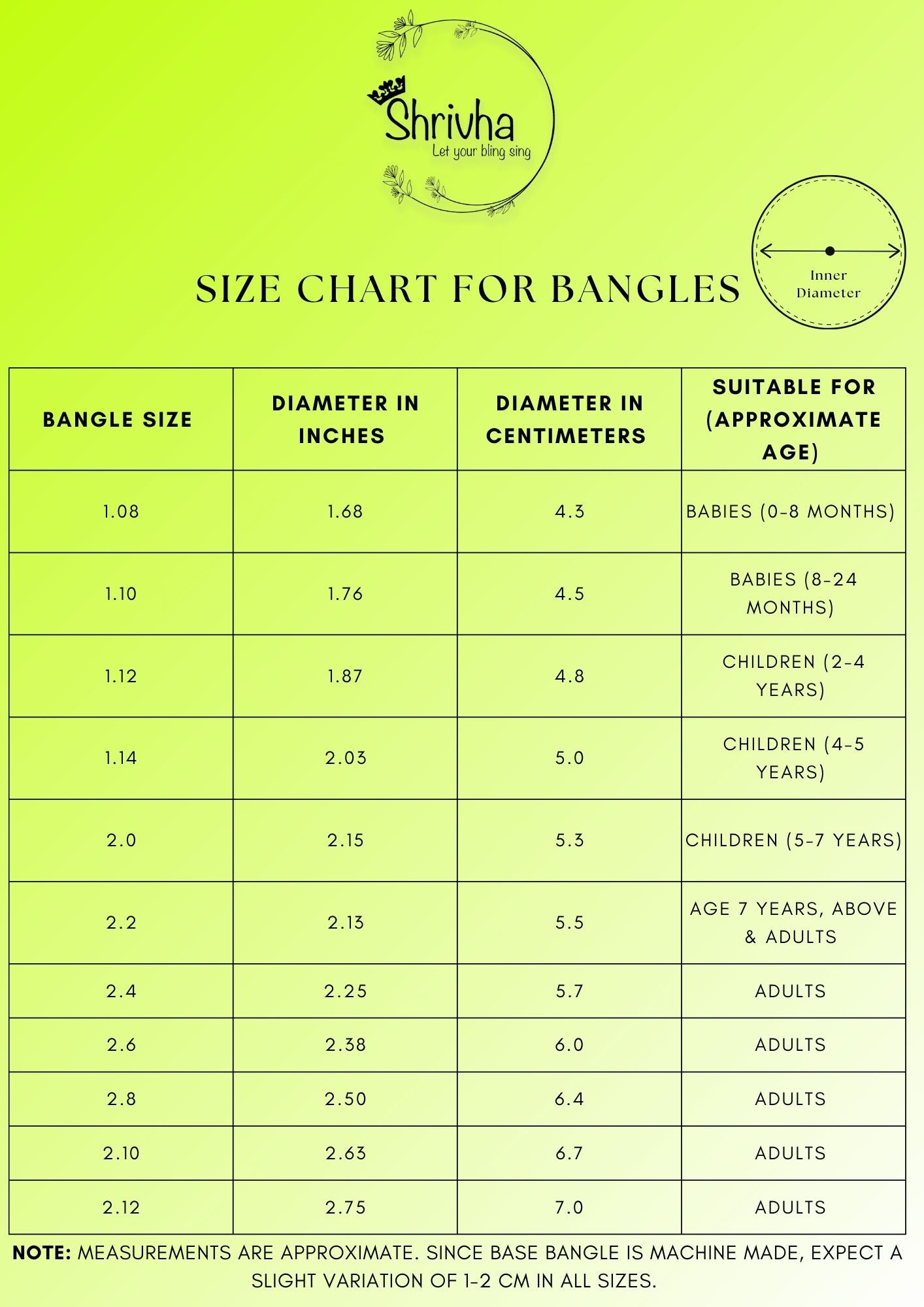
Before we dive in, let's understand the basics. The bangle size chart typically includes two main measurements: the inner circumference and the diameter. The inner circumference is the distance around the inside of the bangle, while the diameter is the width across the opening. These measurements are usually provided in inches or centimeters, depending on the standard used. It's important to note that different regions and manufacturers may have slight variations in their charts, so always check the specific guidelines.
Reading the Chart and Sizing Your Bangles
Using the bangle size chart is straightforward. Here's a step-by-step guide:
Measure your wrist: Take a flexible measuring tape and wrap it around your wrist at the point where you'd like to wear the bangle. Ensure it's snug but not too tight. Note down the measurement in inches or centimeters.
Find your size: Refer to the bangle size chart. Look for the column or section that matches your wrist measurement. The chart will provide you with the corresponding bangle size, often labeled with letters or numbers.
Choose the right size: Select the bangle size that aligns with your wrist measurement. If your wrist measurement falls between two sizes, it's generally recommended to go for the larger size for a comfortable fit.
Consider the bangle style: Some bangles are designed to be worn loosely, while others are meant to fit snugly. Adjust your choice based on the style and your personal preference.
Double-check: If you're ordering online, ensure the retailer provides accurate size guides and specifications. It's always a good idea to cross-reference with multiple sources to ensure an accurate fit.
Variations and Differences to Consider
While bangle size charts are a great starting point, there can be variations across different standards and contexts. Here are some factors to keep in mind:
- Wrist circumference: The size of your wrist can vary based on factors like bone structure, muscle tone, and personal preferences for a snug or loose fit.
- Bangle style: Different bangle designs may have unique sizing requirements. For example, hinged bangles often have a different fit compared to open-ended styles.
- Material: The flexibility and stretch of the bangle material can impact the sizing. Some materials, like resin or plastic, may have more give, while metals like silver or gold may be more rigid.
- Personal comfort: Ultimately, the right size is the one that feels comfortable to you. Trust your instincts and choose a size that allows for easy wear and removal.
Remember, the bangle size chart is a practical tool to guide you, but it's always a good idea to check specific brand guidelines and consider your personal preferences for a perfect fit.
Hey there, I hope this bangle size chart has been a helpful tool for you! Remember, when it comes to these charts, the exact values might differ slightly depending on the source or standard you're using. It's always a good idea to double-check and ensure you're using the right measurements for your specific needs.
Feel free to explore our other guides and resources on similar topics. We've got plenty of practical tips and tricks to share, so make sure to check them out and keep learning!
Related: Decoding the Navy Ribbon Chart: A Simple Guide
A navy ribbon chart is a handy tool for anyone working with ribbons, especially those in the navy blue shade. This guide will give you a quick rundown on what these charts are and how they can be useful.
Ribbon charts are a simple yet effective way to visualize and understand ribbon measurements. They provide a clear overview of ribbon width, length, and size, ensuring accuracy and consistency. While the values may vary depending on the context and region, these charts offer a reliable reference point.
Understanding the Navy Ribbon Chart: A Quick Overview
The navy ribbon chart is a handy tool for anyone working with navy blue ribbons, whether for crafting, sewing, or other projects. It provides a visual guide to help you choose the right ribbon size and understand its dimensions. This chart is especially useful when you need precise measurements and want to avoid any guesswork.
Comparing Ribbon Sizes and Formats
Ribbon sizes can vary, and the navy ribbon chart typically covers a range of standard widths and lengths. You'll find ribbon widths expressed in inches or centimeters, depending on the chart's standard. Common widths include 1/4", 1/2", 1", and 2" for inch-based charts, and 0.6 cm, 1.2 cm, 2.5 cm, and 5 cm for metric charts. Lengths can vary greatly, often offered in standard rolls of 10, 25, or 50 yards, or sold by the yard.
Step-by-Step Guide: Using the Navy Ribbon Chart Accurately
To use the navy ribbon chart effectively:
Identify the ribbon width you need for your project. This is crucial as it determines the ribbon's visual impact and functionality.
Refer to the chart to find the corresponding length options for that width. The chart will show you the standard roll lengths available for that width.
Consider the quantity you require. If you need a large quantity, it's often more cost-effective to opt for longer roll lengths, even if it exceeds your immediate needs.
Double-check the ribbon's intended use. Some ribbons, while similar in appearance, may have different purposes, such as gift wrapping or crafting. Ensure you choose the right type for your project.
Take note of any special features or finishes, such as wired edges or specialty prints, as these can impact the ribbon's behavior and appearance.
Avoiding Common Misreadings and Pitfalls
It's easy to misinterpret the navy ribbon chart if you're not familiar with ribbon terminology. Here are some common mistakes and how to avoid them:
Ribbon Width: Always clarify if the width is measured flat or folded. Some charts specify this, but others assume you know. Flat width is the full width, while folded width is half of that.
Ribbon Length: Be aware that some charts may list length in yards, while others use meters. Always check the units to ensure accuracy.
Special Features: Certain ribbons have unique features, like wired edges or printed patterns. These may not be immediately obvious on the chart, so always read the fine print or product description.
Color Variation: While the focus is on navy blue, different manufacturers may have slight variations in color shade. If color match is critical, request a sample or check reviews for consistency.
Factors Affecting Accuracy and Real-World Use
While the navy ribbon chart is a valuable tool, it's important to remember that real-world applications can vary. Here are some key factors to consider:
Manufacturing Tolerances: Ribbon dimensions can have slight variations due to manufacturing processes. Always allow for a small margin of error, especially for critical projects.
Material Stretch: Some ribbon materials, like satin or grosgrain, have more stretch than others. Consider this when choosing the ribbon, especially if precise measurements are essential.
Environmental Factors: Heat, humidity, and storage conditions can affect ribbon dimensions over time. Store your ribbons properly to minimize these effects.
Project Requirements: Different projects have unique demands. Always review your specific needs and consider factors like durability, ease of use, and visual appeal.
The navy ribbon chart is a practical guide, but it's just the starting point. By understanding these factors and using the chart accurately, you'll be well-equipped to choose the perfect ribbon for your projects.
Hey there! I hope this guide has given you a clear understanding of navy ribbon charts and their practical use. Remember, while the basics remain the same, the exact details might differ slightly based on your specific situation and the standards you're working with.
Feel free to explore other guides on our site for more detailed insights and variations. We've got a range of topics covered, so you can dive deeper into any area that piques your interest. Happy learning!
Related: Square Roots Chart: A Quick Reference Guide
Many folks assume that a square roots chart is only for advanced math whizzes, but it's actually a super useful tool for all kinds of calculations and quick references. While it might look a bit intimidating at first, with its rows and columns of numbers, it's a simple and efficient way to find square roots without the need for complex calculations. Think of it as a handy cheat sheet! The square roots chart is your go-to resource, offering an easy-to-read format that can vary depending on your needs and preferences.
Understanding the Square Roots Chart
The square roots chart is a handy reference tool that simplifies the process of finding the square root of a number. It's like having a quick guide to uncover the values hidden beneath the radical sign. This chart is a visual representation, often in table form, that displays the square roots of various numbers, making it easier to grasp and apply this mathematical concept.
Key Details and Categories
Before diving into the chart, let's clarify some basics. The square root of a number is the value that, when multiplied by itself, gives you the original number. For example, the square root of 9 is 3, because 3 x 3 = 9. The square roots chart typically covers a range of numbers, usually starting from 0 and going up to a certain limit, depending on the chart's scope. It's important to note that the chart usually focuses on positive square roots, as negative numbers have two square roots, and the chart aims to provide a concise reference.
Reading Square Roots: A Step-by-Step Guide
Using the square roots chart is straightforward. Here's a simple guide:
- Identify the number for which you need to find the square root. Let's say you want to find the square root of 16.
- Locate the number on the chart. Square root charts are often organized with numbers increasing from left to right and top to bottom.
- Read the corresponding value in the chart. For our example, you'll find that the square root of 16 is 4.
- Verify the result by squaring the value you found. In this case, 4 x 4 = 16, confirming that the chart provided the correct square root.
Variations and Differences
While the square roots chart is a valuable tool, it's essential to understand that variations exist. Different charts may have slight differences in formatting, especially when considering international standards or specific mathematical contexts. For instance, some charts might include negative numbers or provide additional information like decimal approximations. It's always a good practice to refer to the specific chart's guidelines and ensure you're using the right one for your needs. Additionally, for precise calculations, especially in advanced mathematics or engineering, a square root calculator might be more suitable, offering a higher level of accuracy and flexibility.
So, there you have it! A square roots chart is a handy tool, offering a quick reference for those tricky square roots. Remember, it's always a good idea to check the specific guidelines or standards relevant to your context, as exact values may differ slightly.
Feel free to explore more of our practical guides and resources. We've got a whole collection of tips and tricks to make your work easier and more efficient. Happy learning and stay curious!