



Crayola Washable Sidewalk Chalk Overview
You're here because you need to find the right size for your BJJ gi, and you want a quick, accurate solution. The BJJ gi size chart is your go-to resource, a simple yet effective tool to ensure you get the perfect fit. This chart, a sizing guide, provides a straightforward way to navigate the world of Brazilian jiu-jitsu gi sizes, offering standard measurements and recommendations. While values may vary slightly depending on the brand or region, the chart is a reliable starting point for your sizing journey.
Understanding the BJJ Gi Size Chart
The bjj gi size chart is your handy guide to finding the perfect fit for your Brazilian Jiu-Jitsu gi. It's a reference tool that simplifies the sizing process, ensuring you get a gi that's comfortable and functional for your training sessions.
Comparing Size Standards and Formats
Size charts for BJJ gis typically follow standard measurements based on body height and weight. These charts often provide a range of sizes, from extra small to extra large, with some brands offering even more specific sizing options like A1, A2, and so on. The key is to find the right balance between a gi that's not too baggy or too tight, allowing for freedom of movement and comfort during rolls.
Step-by-Step Guide to Using the Chart
Using the bjj gi size chart is straightforward. First, measure your height and weight accurately. Then, refer to the chart, which will typically have height and weight categories. Find the intersection of your height and weight categories to determine your gi size. For instance, if you're 5'10" and weigh 170 lbs, you might fall into the A2 size category.
Here's a simple step-by-step process:
- Measure your height and weight.
- Refer to the size chart and identify your height and weight categories.
- Determine the size that corresponds to the intersection of these categories.
- If you're between sizes, consider the fit you prefer. A tighter fit might be better for competition, while a looser fit could be more comfortable for training.
- Always double-check the brand's specific size guide, as some may have slight variations.
Avoiding Common Misreadings and Pitfalls
One common mistake is relying solely on your usual clothing size when choosing a BJJ gi. Bjj gi sizes often differ from regular clothing sizes, so it's crucial to refer to the specific gi size chart. Another pitfall is assuming all brands use the same size standards. While many follow similar guidelines, slight variations exist, so always check the brand's size guide.
Factors Affecting Accuracy and Real-World Use
Several factors can influence the accuracy of the bjj gi size chart. Firstly, the chart is a general guide, and individual body types can vary. For instance, someone with a broader chest or longer arms may need to consider these specific measurements when choosing a gi. Secondly, the fit preference can vary between practitioners. Some prefer a more tailored fit, while others opt for a looser, more traditional look.
Choosing the Right Format for Your Needs
When it comes to bjj gi size charts, you'll find various formats and standards. Some brands provide detailed charts with precise measurements for each size, while others offer a more simplified guide. If you're new to BJJ or unsure about your size, a detailed chart with measurements can be extremely helpful. However, experienced practitioners who know their preferred fit may find a simpler chart sufficient. It's essential to consider your needs and the brand's reputation when choosing a size chart.
Well, there you have it! A comprehensive guide to BJJ gi sizing charts, covering all the bases. We've compared the options, walked you through the process, and highlighted some potential pitfalls. Remember, when it comes to finding the perfect fit, context is key.
So, before you finalize your choice, take a moment to consider your personal preferences and the specific requirements of your practice. It's always a good idea to have this guide bookmarked for future reference, just in case you need a quick sizing reminder. Happy rolling!
Related: Understand Ammo Chart Tarkov's Practical Reference
Many newcomers to the world of Tarkov might find themselves overwhelmed by the sheer variety of ammo options, often leading to some costly trial and error. Rest assured, the ammo chart Tarkov is here to save the day! It's a simple yet powerful tool, offering a quick glance at the vital stats of each bullet. From penetration to damage, this chart ensures you're making informed choices, avoiding those expensive learning curves.
Understanding the Ammo Chart Tarkov
The ammo chart Tarkov is your go-to reference for navigating the world of ammunition in the game. It's a comprehensive guide, but it's not just a static table; it's a dynamic tool to help you make informed decisions about your ammo choices. This chart provides an overview of various ammo types, their attributes, and how they perform in-game.
Comparing Ammo Types and Formats
When you look at the chart, you'll see a range of ammo options, each with its own unique characteristics. These include bullet caliber, damage potential, penetration capabilities, and even price. The chart compares these factors, giving you a side-by-side view to help you choose the right ammo for your playstyle and situation. For instance, you might opt for higher-damage rounds for close-quarters combat or prioritize penetration for long-range engagements.
Step-by-Step: Using the Ammo Chart Tarkov
Using the chart is straightforward:
Identify the ammo type you're interested in. This could be based on the weapon you're using or the specific situation you're facing in-game.
Look up the ammo's details on the chart. You'll find key stats like damage, penetration, and velocity. These values are standardized, so you can easily compare different ammo types.
Consider the context. The chart provides a general guide, but real-world factors like distance, armor, and environmental conditions can affect ammo performance. Adjust your strategy accordingly.
Make an informed decision. Choose the ammo that best suits your needs, considering both the chart's data and your in-game experience.
Avoiding Misreadings and Pitfalls
While the chart is a valuable tool, it's important to be aware of potential pitfalls. Here are some tips to ensure accurate interpretation:
Always double-check the ammo type and its attributes. Mistakes can happen, so verify the details, especially if you're using a less common ammo type.
Understand the chart's limitations. It provides a general overview, but real-world performance can vary. Consider factors like weapon modifications and enemy armor when making your choice.
Keep an eye on updates. The ammo chart Tarkov may evolve as new ammo types are introduced or existing ones are adjusted. Stay informed to ensure you're using the most up-to-date information.
Factors Affecting Accuracy and Real-World Use
Several factors can influence the accuracy and effectiveness of your ammo choices:
Distance: Ammo performance can degrade over long distances, especially with lower-velocity rounds. Consider the range at which you'll be engaging targets.
Armor Penetration: The chart provides a general guide, but enemy armor can significantly reduce ammo effectiveness. Choose ammo with higher penetration values for better results against well-armored opponents.
Environmental Conditions: Weather and terrain can affect ammo performance. For instance, wet conditions may impact bullet velocity and accuracy.
Weapon Modifications: Attachments like suppressors or muzzle brakes can alter ammo performance. Consider the impact of these modifications on your ammo choice.
Choosing the Right Ammo Format for Your Needs
The ammo chart Tarkov offers a standardized format, but you can adapt it to your specific needs:
Customize Your Chart: If you frequently use certain ammo types, create a personalized chart with only the relevant details. This can make decision-making quicker and easier.
Digital vs. Physical: Consider using a digital version for easy access in-game, or print a physical copy for quick reference during gameplay.
Standardize Your Ammo: If you prefer a more simplified approach, choose a standard ammo type for most situations and only switch for specific scenarios. This can reduce the need for constant reference checks.
Remember, when it comes to ammo charts in Tarkov, the specifics might differ slightly based on your setup and the game's updates. It's always a good idea to double-check and adapt to ensure you're using the most accurate and relevant information for your needs.
Our guides cover a wide range of topics, so feel free to explore and discover more about the game. You might find some hidden gems and useful tips to enhance your Tarkov experience. Happy hunting!
Related: Jacket Size Chart: A Simple Guide to Perfect Fit
A jacket size chart is a handy tool to ensure you get the perfect fit when shopping for outerwear. This guide will navigate you through the process of understanding and utilizing these charts effectively. Whether you're seeking a coat size chart or a jacket sizing guide, this reference covers the basics to help you find your ideal size. While values may vary across different brands and standards, a clear jacket size chart can provide a reliable starting point for your measurements.
Understanding Jacket Size Charts
A jacket size chart is a valuable tool for anyone looking to purchase a jacket that fits perfectly. It provides a standardized guide to help you determine your ideal size based on various measurements. This chart is an essential reference, ensuring you make an informed choice and avoid common sizing pitfalls.
Key Details and Categories
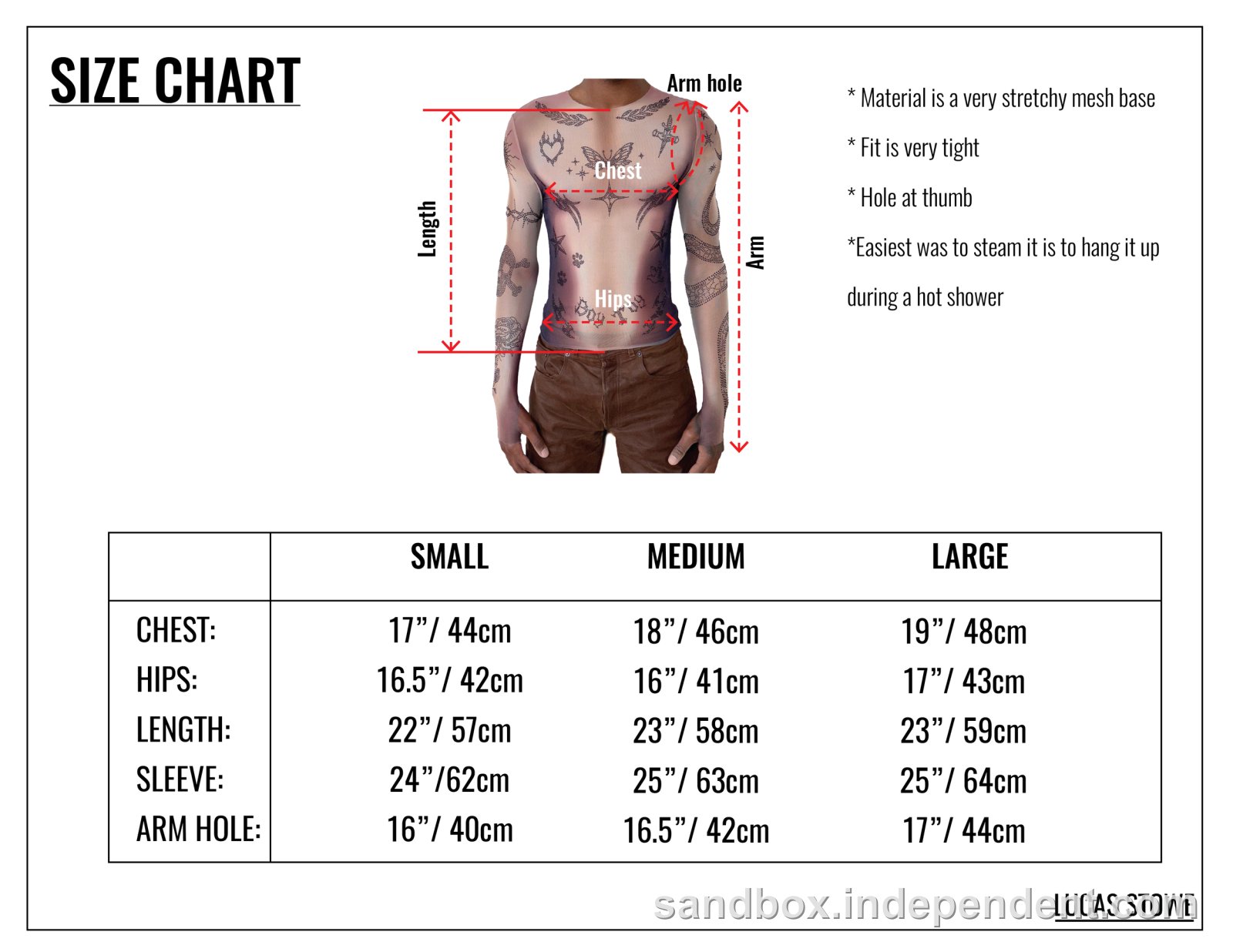
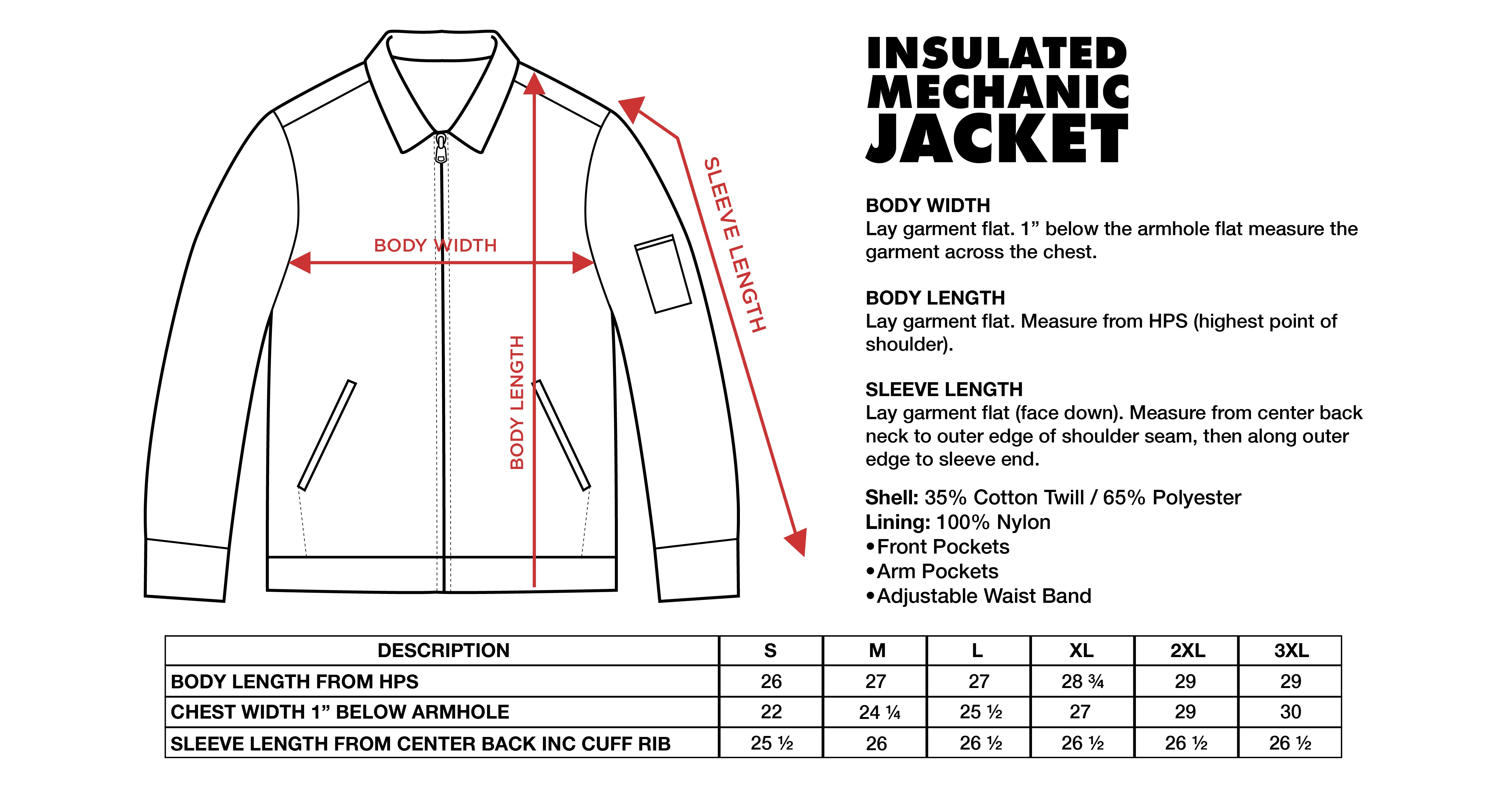
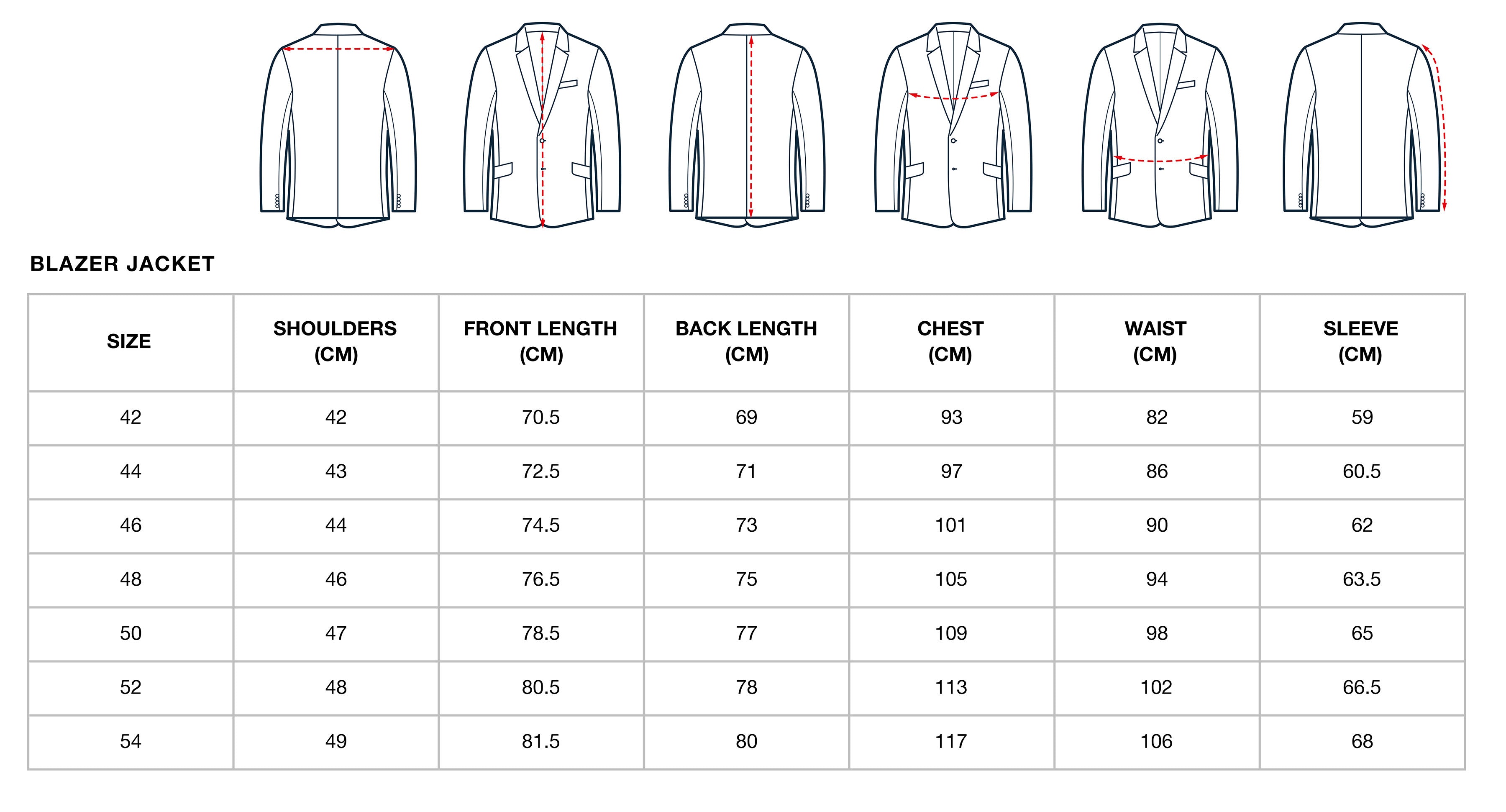
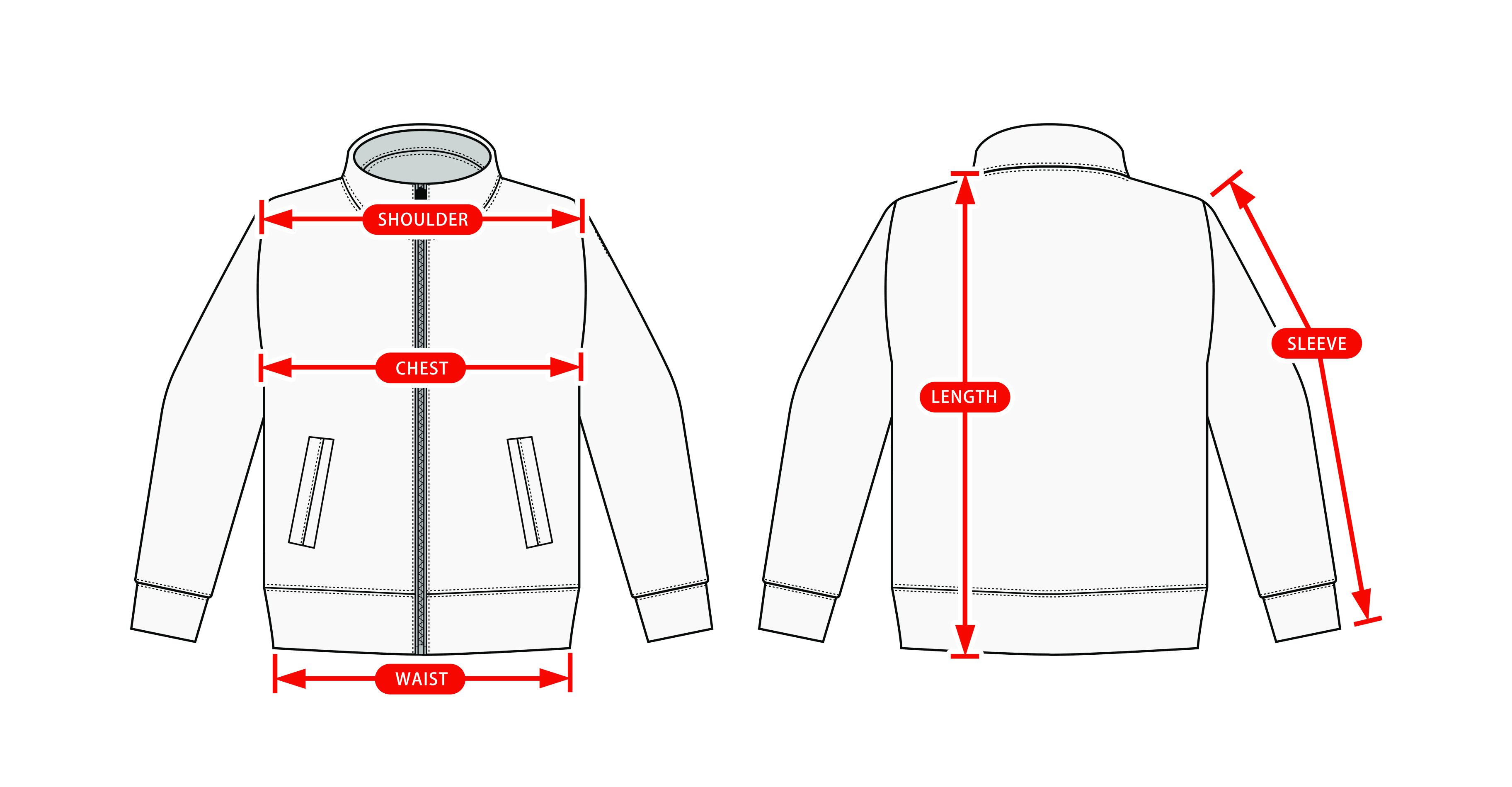
The jacket size chart typically includes measurements such as chest circumference, sleeve length, and sometimes waist or hip measurements, depending on the style of the jacket. These measurements are presented in a clear, tabular format, often with columns indicating different sizes and rows for each measurement type. The chart may also provide guidance on how to measure these body parts accurately. It's important to note that the units of measurement can vary; some charts use inches, while others use centimeters. Always check the units before taking measurements.
Step-by-Step Guide: Reading and Applying the Chart
To use a jacket size chart effectively, follow these steps:
- Gather the necessary measuring tools, such as a flexible tape measure. Ensure it's suitable for measuring both your body and the jacket.
- Take accurate measurements of your body. Measure your chest circumference at the fullest part of your chest, ensuring the tape is not too tight or too loose. For sleeve length, measure from the center of the back of your neck to the desired sleeve length.
- Refer to the jacket size chart and locate the size that best matches your measurements. Look for the size where your chest circumference and sleeve length (or other relevant measurements) fall within the specified range.
- If your measurements fall between two sizes, consider the fit you prefer. If you want a looser fit, choose the larger size; for a more tailored look, opt for the smaller size.
- Check the jacket's specific sizing guidelines, if available. Some brands or styles may have unique sizing recommendations or variations.
Variations and Differences Across Standards
Jacket size charts can vary depending on several factors. One significant factor is the region or country of origin. International size standards can differ, with variations between the US, Europe, and other regions. For instance, a size 'M' in the US may not correspond to the same size in Europe. Additionally, different manufacturers may have their own sizing systems, which can lead to slight variations even within the same region. It's crucial to be aware of these differences and refer to the specific jacket size chart provided by the brand or retailer.
Common Mistakes and How to Avoid Them
One common mistake is assuming that all jacket size charts are universal. Always check the specific chart for the brand or style you're interested in. Another pitfall is measuring yourself incorrectly. Ensure you follow the guidelines provided on the chart for accurate measurements. Avoid estimating or guessing your size, as this can lead to an ill-fitting jacket. Lastly, be mindful of the style and cut of the jacket. Some jackets, like tailored blazers, may require more precise measurements compared to casual, loose-fitting styles.
Practical Tips for Accurate Results
To ensure an accurate fit, consider the following tips:
- Measure yourself regularly, as your body shape can change over time.
- Take measurements at the same time of day, as body shape can vary slightly throughout the day.
- If you're between sizes, consider the fabric and stretchiness of the jacket material. A more flexible fabric may allow for a slightly looser fit.
- Don't be afraid to try on multiple sizes, especially if you're shopping online. Many retailers offer easy return policies.
- Pay attention to the jacket's intended fit. Some jackets are designed to be oversized or fitted, and this can impact your sizing choice.
Double-Check and Handle Exceptions
While jacket size charts provide a great starting point, there are some exceptions to consider:
- If you have a unique body shape or specific fit preferences, you may need to adjust the standard measurements. For example, if you have a broad chest and narrow shoulders, you might need to choose a size based on your chest measurement, even if it means the sleeve length is slightly longer.
- Certain jacket styles, like puffer jackets or down-filled coats, may have different sizing considerations due to the bulkiness of the insulation. In such cases, it's essential to check the brand's specific sizing guidelines.
- Always refer to the product description and reviews for additional sizing insights. Sometimes, customers provide valuable feedback on the fit and sizing of a particular jacket.
Remember, while this chart provides a comprehensive guide, it's always wise to confirm the specific requirements for your intended use. Exact values can vary, so double-check the standards or guidelines relevant to your context.
Consider bookmarking this page for future reference; it's a handy tool to have at your fingertips when you need a quick reminder on jacket sizing. Stay organized, and happy measuring!