








Curriculum For Special Education Overview
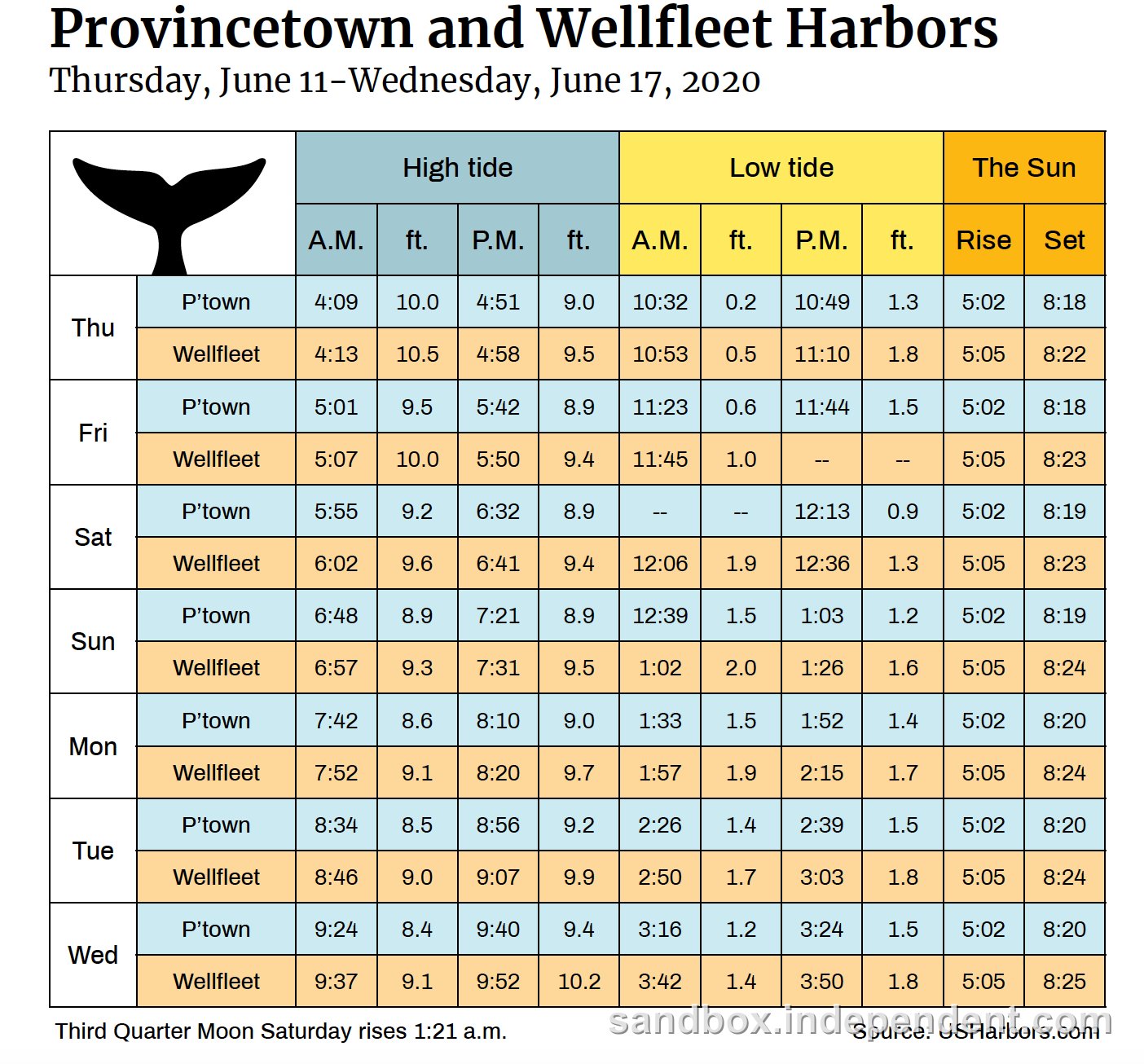
A tide chart Seattle is a handy tool for anyone wanting to explore the city's waterways or plan marine activities. This guide will cover the basics, helping you understand and utilize these charts effectively.
Tide chart Seattle and similar resources provide essential information on tide times, water levels, and sea conditions. They offer a quick reference, ensuring you're prepared for your next adventure on the water. While formats may vary, the core data remains a valuable asset for sailors, anglers, and beachgoers alike.
Understanding the Data: A Quick Overview
The tide chart for Seattle provides a handy reference for predicting water levels and tidal movements in the area. It's an essential tool for anyone interested in marine activities or wanting to understand the city's tide heights. This chart offers a visual representation of how the tide times and water levels will change over a given period, typically a day or a few days.
Comparing Formats: Standard vs. Customized Charts
There are two main types of tide charts: standard and customized. Standard charts are widely available and provide a general overview of tidal patterns. These are great for getting a quick sense of the tide times and water levels in an area. Customized charts, on the other hand, offer a more detailed and specific view. These are tailored to a particular location and can account for local factors that may influence tidal behavior.
Step-by-Step: Reading Your Tide Chart Seattle
To read your tide chart Seattle, follow these simple steps:
Identify the Date and Time: The chart will have a date and time scale. Ensure you're referring to the correct day and time for your planned activity.
Locate the Tide Height Indicator: This is usually a line or curve on the chart. It will show you the predicted tide height at different times throughout the day.
Understand the Scale: The vertical axis represents tide height, often measured in feet or meters. Ensure you're using the correct unit of measurement for your chart.
Read the Tide Times: The horizontal axis shows the time of day. Markings indicate when the tide will be at its highest or lowest points, known as high and low tides.
Plan Your Activities: With the tide times and water levels in mind, you can now plan your marine activities accordingly.
Common Misreadings and How to Avoid Them
It's easy to misinterpret a tide chart if you're not familiar with its format. Here are some common mistakes and how to avoid them:
Confusing High and Low Tides: Ensure you understand which direction the tide is moving. A rising tide means the water level is increasing, while a falling tide indicates a decrease.
Misinterpreting the Scale: Always double-check the units of measurement. A mistake here can lead to significant errors in your planning.
Assuming Accuracy: Tide charts are predictions based on historical data and models. Actual tidal behavior can vary due to weather conditions and other factors. Always check the latest marine forecasts for up-to-date information.
Factors Affecting Accuracy: Weather and More
The accuracy of your tide chart Seattle can be influenced by several factors:
Weather Conditions: Strong winds, storms, and other weather events can cause significant variations in tidal behavior. Always check the latest weather forecasts.
Local Geography: The shape of the coastline and nearby landmasses can affect tidal patterns. This is why customized charts can be more accurate for specific locations.
Moon Phases: The gravitational pull of the moon influences tides. Full and new moon phases often bring higher tide heights and stronger currents.
Choosing the Right Format: Standard or Customized?
When selecting a tide chart Seattle, consider your specific needs:
If you're a casual user or just need a general overview, a standard chart will suffice. These are widely available and easy to interpret.
For more detailed planning, especially if you're engaging in marine activities like boating or fishing, a customized chart is ideal. These account for local factors and can provide more accurate predictions.
Keeping Your Setup Reliable for Next Time
To ensure you have reliable tidal data for future reference:
Save Your Chart: Keep a copy of your tide chart Seattle for future use. This way, you can quickly refer to it without having to search for a new one.
Check for Updates: Tide charts are based on historical data and predictions. For the most accurate information, ensure you're using the latest available data. Check for updates regularly, especially if there have been significant weather events or changes in the local environment.
Learn from Experience: If you notice any significant discrepancies between your chart's predictions and actual tidal behavior, take note. This can help you better understand local factors and improve your future planning.
Well, there you have it! We've covered a lot of ground, from understanding the basics to ensuring accuracy and adapting to your needs. Remember, the key is to find a format that works best for your specific situation, and don't be afraid to make adjustments as you go.
The world of tide charts is an ever-evolving one, so feel free to explore and discover what works best for you. If you're keen to learn more about other practical topics, we've got a whole range of guides waiting for you to dive into. Happy exploring!
Related: What's the Right Bat Size for You?
Many people assume that a bat size chart is solely about the length of a bat, but it's actually a comprehensive guide covering various dimensions and specifications. While length is an essential factor, a bat size chart also provides insights into other critical aspects, ensuring you choose the right equipment. This simple yet effective tool offers a quick reference, guiding you through the process of selecting the perfect bat size, whether for yourself or a young player.
Understanding the Bat Size Chart: A Quick Overview
The bat size chart is an essential tool for anyone involved in baseball or softball, offering a simple yet effective way to determine the appropriate bat size for players of all ages and skill levels. This chart acts as a reference guide, providing measurements and recommendations to ensure players have the right equipment for their physical attributes and playing style.
Comparing Bat Size Standards and Formats
Bat size charts can vary depending on the sport and the specific standards or regulations followed. For instance, baseball and softball often have different size charts, and even within these sports, there might be variations for youth leagues, adult recreational play, or professional leagues. These charts typically cover bat length and weight, with some also including additional factors like drop weight (the difference between bat length and weight) and barrel diameter.
Measuring for the Right Bat Size: A Step-by-Step Guide
To use a bat size chart accurately, follow these steps:
- Identify the relevant chart for your sport and league.
- Measure the player's height and, if applicable, their weight.
- Refer to the chart to find the recommended bat length based on the player's height and weight.
- Consider the player's age and skill level, as these can influence the ideal bat weight and drop.
- Select a bat within the recommended range, keeping in mind that personal preference and comfort are also important factors.
Common Size Variations and How to Avoid Misreadings
While bat size charts provide a great starting point, there can be variations due to several factors:
- Height and weight are just two of many physical attributes that can influence bat size. Hand size, arm length, and overall strength can also play a role.
- Age and skill level are often used as general guidelines, but individual player development and experience can vary widely.
- Manufacturer variations can occur, as different brands might have slightly different size recommendations or use unique sizing systems.
To ensure a perfect fit, it's essential to consider these factors and not solely rely on the chart. Always allow for some flexibility and personal preference, as the ultimate goal is to find a bat that feels comfortable and performs well for the individual player.
Before you put this guide to use, remember to cross-check your specific needs and requirements. While the chart offers a comprehensive overview, exact values can vary, so it's essential to ensure you're referring to the right standard or source for your context.
Consider bookmarking this page for future reference; it's a handy tool to have at your fingertips when you need a quick reminder of bat sizes. Stay organized, and happy batting!
Related: Jobs Hiring Construction Simple Guide for Builders
I've got a friend who's been looking for work in jobs hiring construction, and it got me thinking about how many people are out there searching for these roles. So, I decided to look into it and share what I found.
Construction Jobs: What's Out There?
When you hear jobs hiring construction, you might think of the big-name building companies, but there's a whole lot more to it than that. Construction covers a massive range of roles, from general contractors to specialized trades like plumbing or electrical work. It's not just about building new stuff, either; remodeling and home renovation are huge parts of the industry.
So, what does this mean for job seekers? Well, there are plenty of opportunities, but it's not always easy to know where to look or what to ask. Let's break it down.
Finding the Right Role
First, consider the type of work you want to do. Are you more interested in the hands-on side of construction, like carpentry or bricklaying? Or do you prefer the planning and management side, perhaps as a project coordinator or estimator? The great thing about construction is that there are roles for all kinds of skills and interests.
Once you've got an idea of the type of work you want, it's time to start looking. Online job boards are a good place to start, but don't forget about local companies and smaller businesses. They might not always advertise roles online, so it's worth giving them a call or popping in to see if they're hiring.
Hiring a Contractor: What to Look For
If you're on the other side of the fence and need to hire a contractor for a project, there are a few things to keep in mind. First, get quotes from several companies. This will give you an idea of the going rate and help you spot any outliers.
When comparing quotes, look beyond the price. Check the scope of the work, the materials and labor included, and the timeline. A cheaper quote might not be the best value if it excludes key elements or takes much longer to complete.
Company Names and Branding
For those starting their own construction business, choosing a name is a big deal. It needs to be memorable, reflect your services, and stand out from the competition. Some examples of catchy construction company names include:
- Build-it-Right
- Hammer Down Solutions
- Pro-Fit Renovations
- Crafted Spaces
- Blue Collar Builders
Before settling on a name, check its availability for registration and domain purchase. You don't want to get too far down the line only to find out someone else has already taken the name.
Industry Tools and Data
Construction professionals often use tools like RSMeans to estimate costs and track escalation. These databases provide valuable data on labor and material costs, helping contractors and companies price their services accurately.
While these tools are great, they're just a starting point. Local conditions, permit requirements, and the scope of your project will all impact the final cost. Always get several quotes and compare them carefully.
Wrapping Up
There's a lot to uncover when you start looking into jobs hiring construction. Whether you're seeking work or hiring a contractor, it's a complex but rewarding industry. I hope this has given you some useful insights and ideas to get you started. Happy job hunting, and good luck with those projects!