


Cursive C Worksheet Overview
A cursive abc chart is a valuable tool for anyone wishing to master the art of cursive handwriting. This guide will provide an overview of what these charts offer and how they can improve your penmanship.
The chart is a visual aid, offering a clear and concise reference for the cursive alphabet. It displays the letter formations and connections, allowing users to understand the flow and style of each letter. While there may be variations in certain styles or regional preferences, the cursive abc chart provides a solid foundation for learning and practicing this elegant writing style.
Understanding the Cursive ABC Chart
The cursive abc chart is a valuable tool for mastering cursive handwriting. It serves as a visual guide, providing a reference for the unique forms and connections of each letter in the cursive alphabet. This chart is an essential learning aid, especially for beginners, as it offers a clear overview of the basic strokes and letter formations.
Comparing Cursive Styles and Standards
Cursive writing, much like other writing styles, can vary based on regional standards and personal preferences. While the cursive abc chart typically follows a standard format, it's essential to note that there might be slight variations in letter shapes and connections. For instance, the cursive alphabet used in the United States might differ slightly from that used in the United Kingdom.
Step-by-Step Guide to Using the Chart
To make the most of your cursive abc chart, follow these steps:
- Begin by familiarizing yourself with the chart. Observe the unique shapes and connections of each letter.
- Practice forming the letters, paying attention to the starting and ending points of each stroke.
- Connect the letters to form words, focusing on the natural flow of cursive writing.
- Start with simple words and gradually increase the complexity as you gain confidence.
- Regular practice is key; allocate dedicated time for handwriting exercises.
Common Mistakes and How to Avoid Them
When learning cursive, it's common to encounter challenges. Some letters might be particularly tricky due to their intricate forms. To avoid mistakes, ensure you:
- Pay close attention to the direction and placement of each stroke.
- Practice slowly and deliberately, focusing on accuracy rather than speed.
- Seek guidance from a teacher or use online resources for additional support.
Factors Affecting Accuracy and Real-World Application
The accuracy of your cursive writing depends on various factors, including your handwriting style, practice consistency, and attention to detail. Additionally, the context in which you use cursive writing can influence its application. For instance, formal documents might require a different style or size than personal notes.
Adapting the Chart for Specific Needs
The cursive abc chart is versatile and can be adapted to suit different learning styles and goals. If you're a visual learner, consider using colored pens or markers to highlight specific letters or connections. For a more tactile approach, try tracing the letters with your finger or a stylus on a tablet. Additionally, you can create your own practice sheets based on the chart to focus on specific letters or word formations.
Hey there! I hope this guide has been a helpful resource for you. Remember, when it comes to cursive ABC charts, the specifics can differ slightly based on your unique circumstances.
Feel free to explore other guides on this topic, as well, to find the one that best suits your needs. And don't forget to bookmark this page for future reference; it's always handy to have a quick go-to resource for those moments when you need a refresher on cursive writing.
Related: Understand the Dual Type Chart Easily
A dual type chart is a handy tool, a simple yet powerful resource for anyone seeking a quick glance at type advantages and disadvantages. This guide aims to demystify and clarify the purpose and use of such charts, ensuring you can navigate and understand them effortlessly.
The beauty of a dual type chart lies in its ability to visually represent type effectiveness, offering a clear overview of strengths and weaknesses. While the specific values and formats may vary depending on the context or region, the core concept remains consistent, providing a reliable reference for strategic decisions.
Understanding Type Advantages
The dual type chart is a powerful tool that reveals the strengths and weaknesses of different type combinations. It offers a strategic insight into how various types interact, providing an edge in decision-making and planning. This chart is a valuable resource for anyone seeking to optimize their choices based on type effectiveness.
Key Details and Categories
The dual type chart presents a comprehensive overview of type interactions. It categorizes types into distinct groups, each with its own unique properties and relationships. These categories include common types like Fire, Water, and Grass, as well as more specialized types such as Electric, Ghost, and Fairy. The chart assigns each type a value or rating, indicating its effectiveness against other types. These values range from 0.25x (not very effective) to 4x (super effective), with 1x representing neutral effectiveness.
Reading the Effectiveness Scale
To read the dual type chart, follow these steps:
- Identify the two types you want to compare. Let's say you're interested in the interaction between Fire and Water types.
- Locate the intersection of the row and column corresponding to the two types. In this case, find where the Fire row meets the Water column.
- The value at this intersection represents the effectiveness of one type against the other. A value of 4x means Fire is super effective against Water, while a value of 0.25x indicates Water is not very effective against Fire.
- Repeat this process for different type combinations to understand their strengths and weaknesses.
Common Type Combinations and Practical Strategy Tips
While the dual type chart provides a comprehensive guide, it's important to note that variations can occur due to specific circumstances or game mechanics. Here are some key factors to consider:
- Pokemon type chart variations: Different Pokemon games may have slight differences in type effectiveness. Always refer to the specific game's chart for accuracy.
- Type advantage chart exceptions: Some Pokemon have unique abilities or moves that alter type effectiveness. These exceptions can provide strategic advantages or disadvantages.
- Type match-up chart context: The effectiveness of types can depend on the specific context or situation. Environmental factors, such as terrain or weather, may influence type interactions.
- Pokemon type effectiveness tolerances: Certain types may have slight variations in effectiveness depending on the region or standard being used. Always check the relevant standard for accurate values.
Remember, while this dual-type chart offers a comprehensive guide, it's always wise to verify your specific needs and context. Exact values may vary slightly across different standards and sources, so a quick check ensures you're on the right track.
Feel free to explore our other resources and guides. We've got a range of practical tools and references to help you navigate various topics. Happy browsing!
Related: What's the Right Bolt Size? A Quick Chart Guide
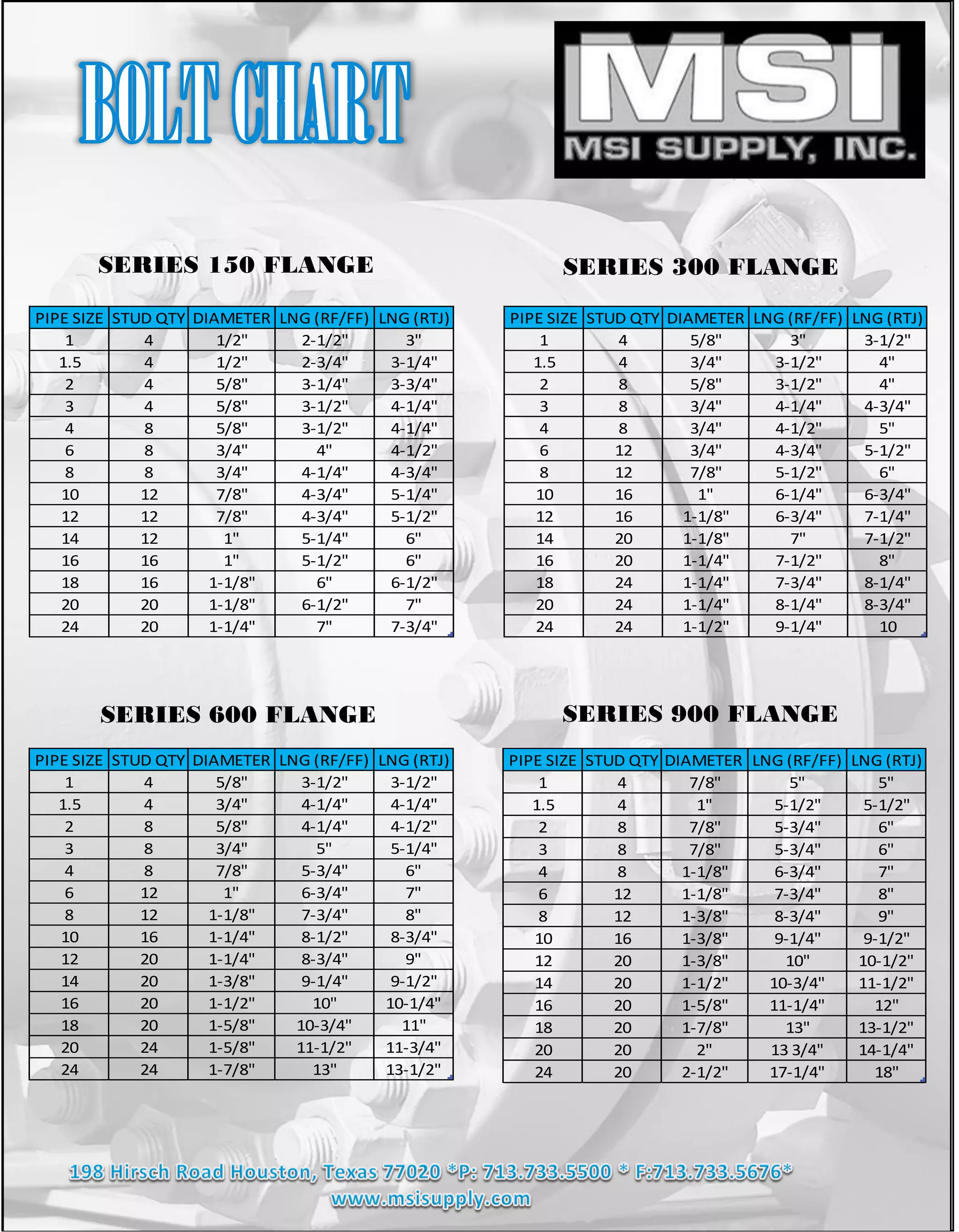
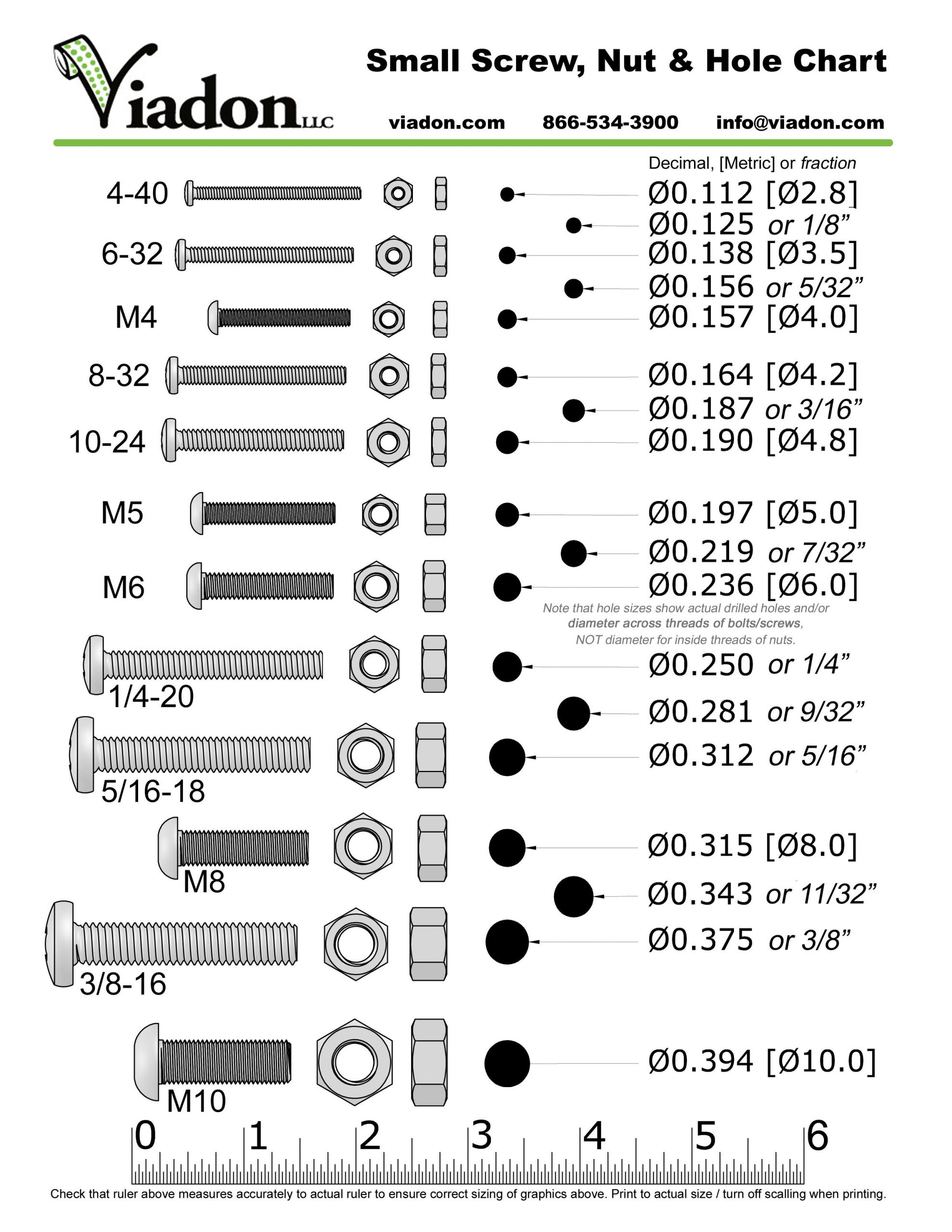
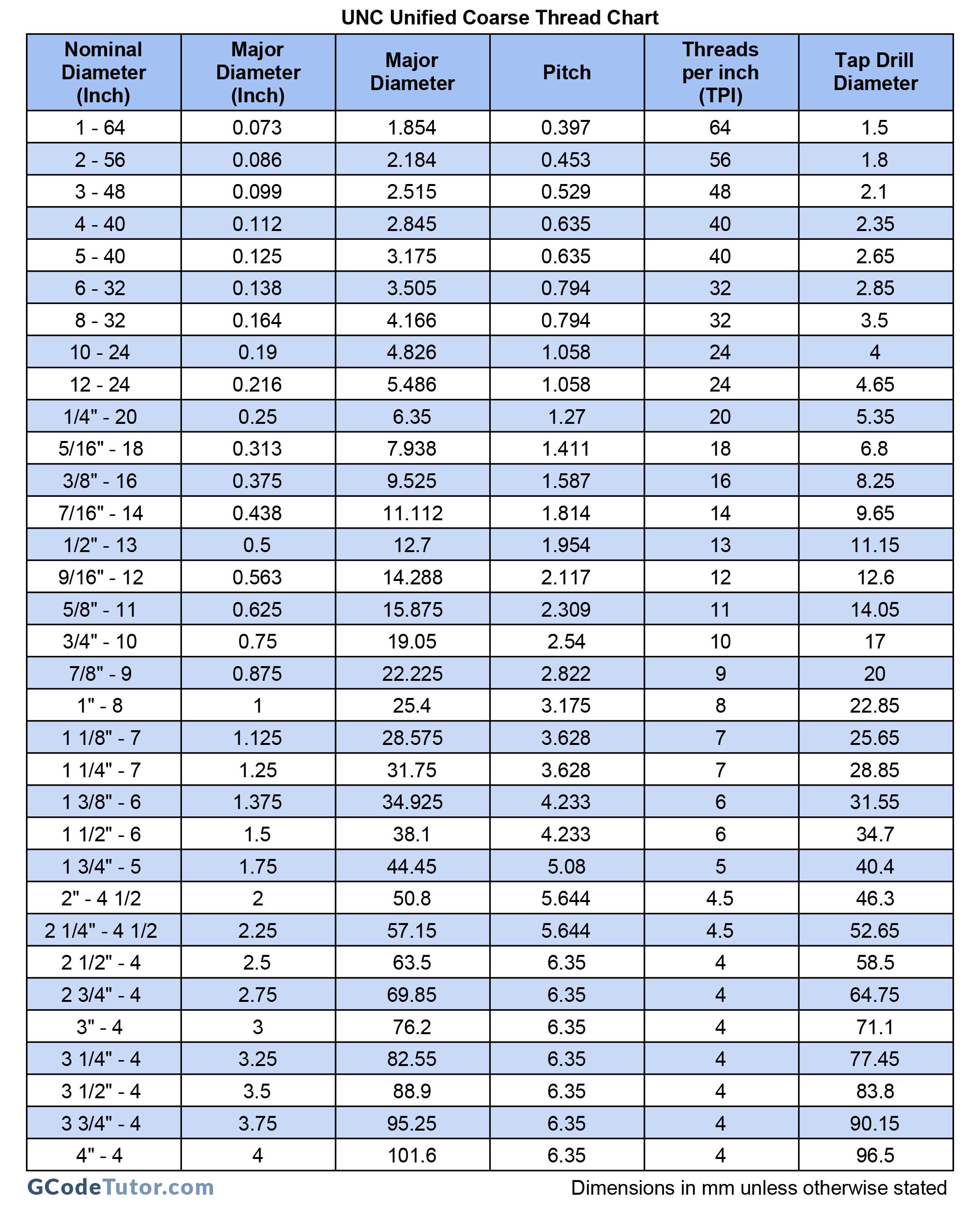
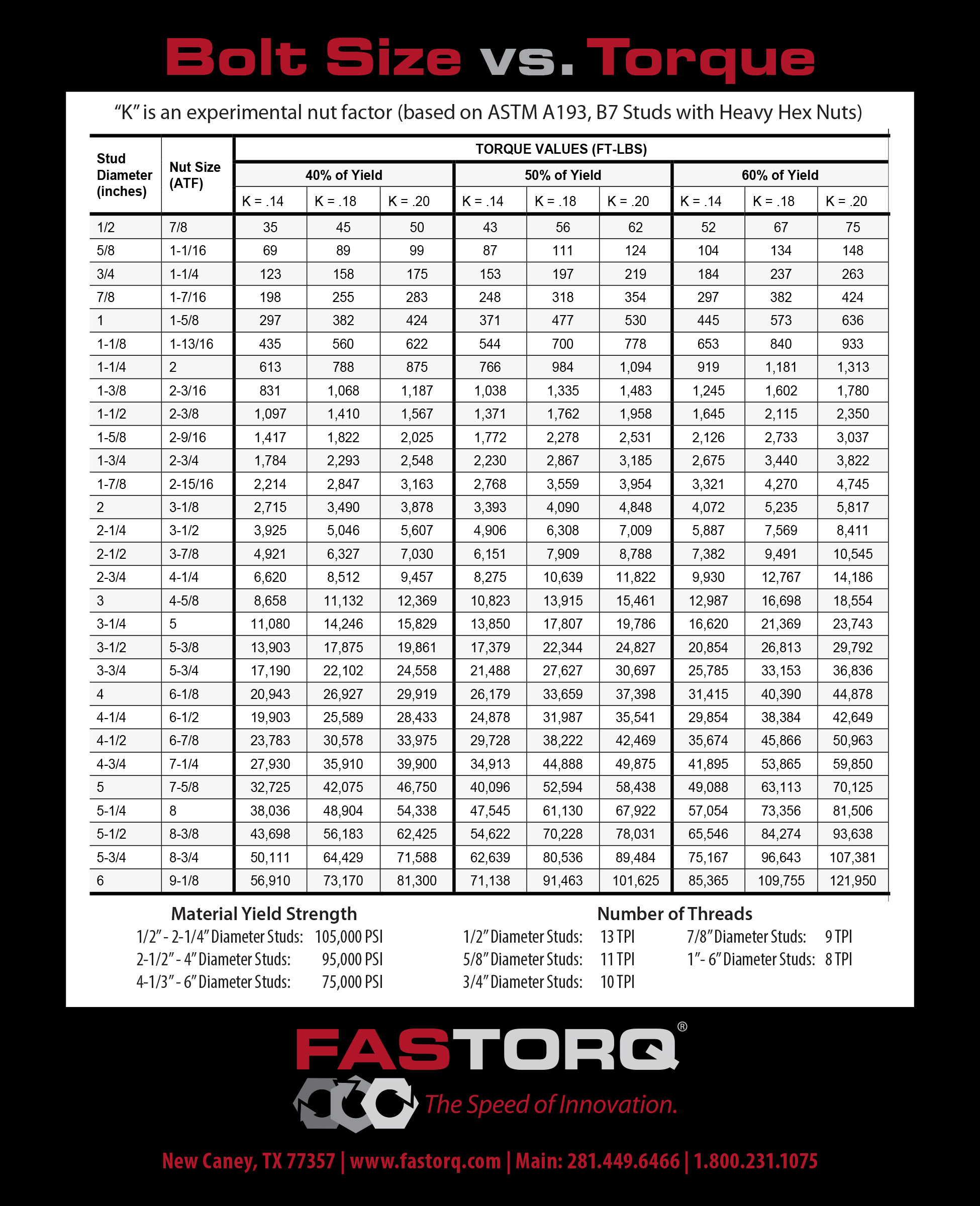
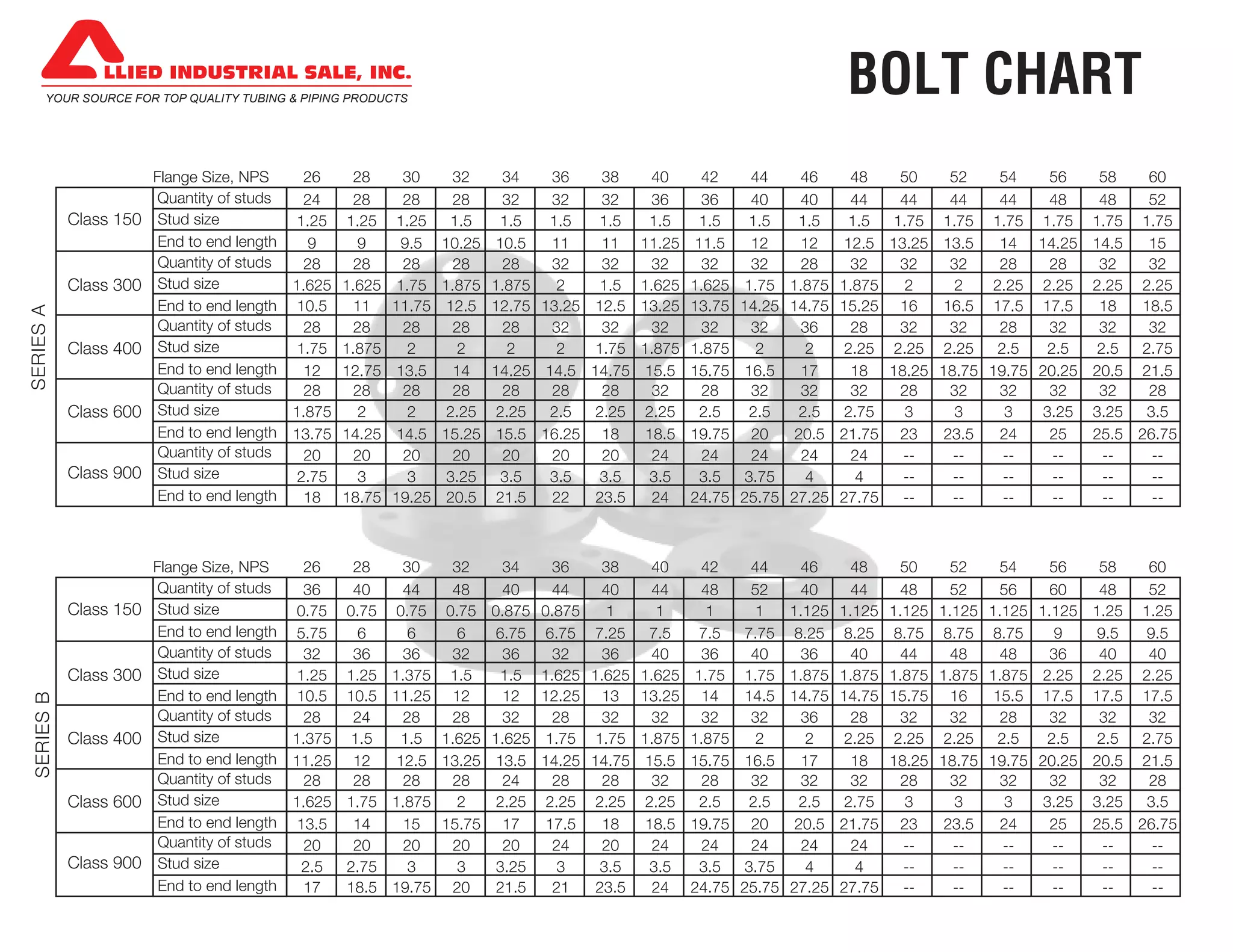
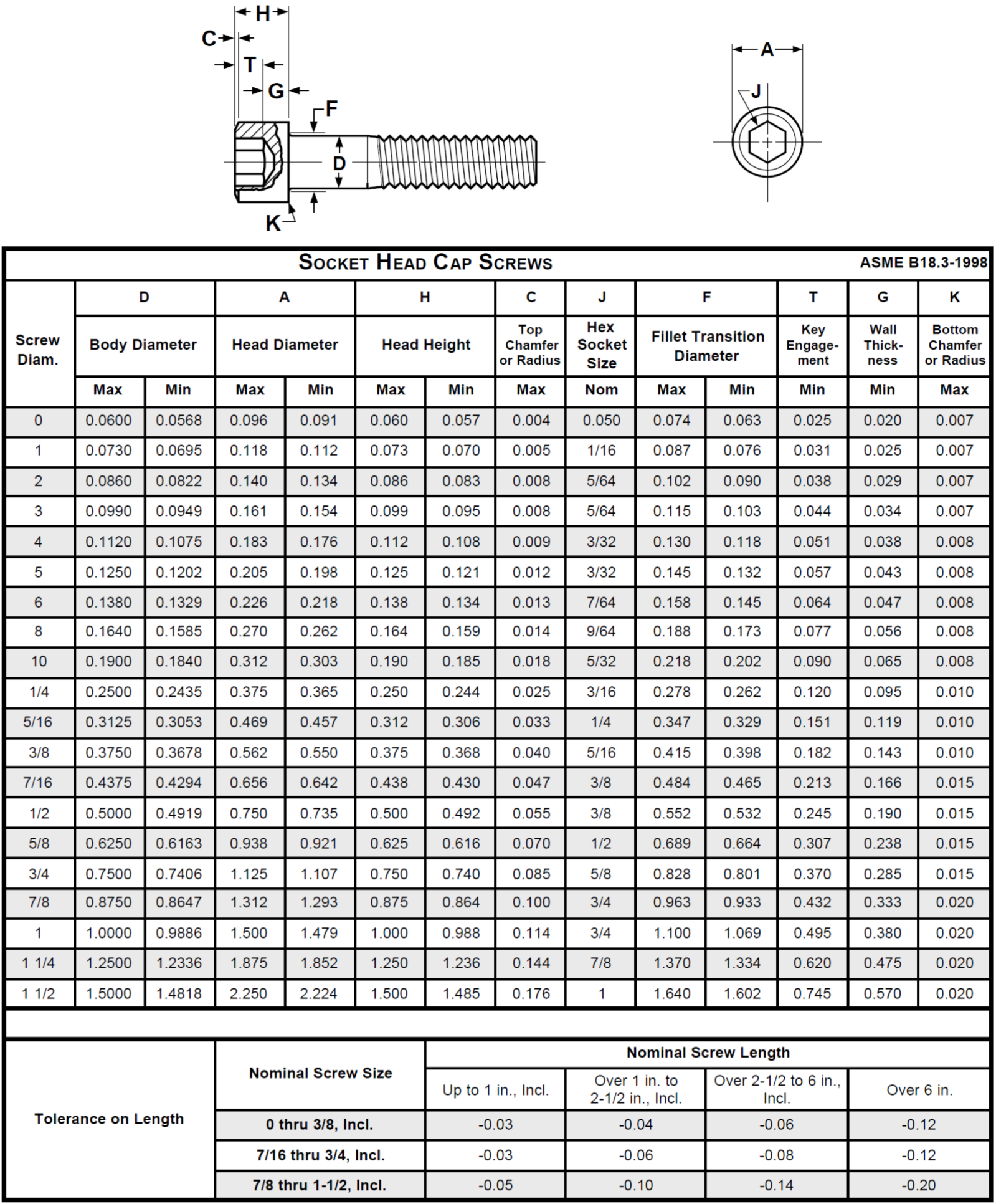
A bolt size chart is a handy tool for anyone working with bolts and fasteners. It's a simple yet effective way to ensure you're using the right size and type of bolt for your project. This guide will cover the basics of reading and using a bolt size chart, so you can tackle any fastening task with confidence.
These charts provide a quick reference for bolt dimensions, including length, diameter, and thread pitch. While the values may vary depending on the standard and region, a good chart will offer a clear and organized layout, making it easy to identify the bolt you need.
Understanding Bolt Size Charts
Bolt size charts are your practical guide to choosing the right bolt for any project. These charts provide a quick reference to help you match the bolt's size and specifications to your needs. It's like having a map to navigate the world of fasteners!
Key Details and Units
A bolt size chart typically includes essential information such as the bolt's diameter, length, thread pitch, and head type. These charts often follow specific standards, like the metric or imperial systems, so you'll find different charts for different regions and industries. The units used can vary, so it's crucial to know whether you're dealing with millimeters or inches.
Reading and Applying the Chart: A Step-by-Step Guide
- Start by identifying the bolt's primary purpose and the material it will fasten. This helps narrow down the options.
- Locate the diameter column on the chart. This is usually the first critical factor. Match the required diameter with the chart's values.
- Next, consider the length. The chart will provide a range of lengths for each diameter. Choose the length that best suits your project's needs.
- Thread pitch is the distance between threads. Different materials and applications may require specific thread pitches. Refer to the chart to select the appropriate pitch.
- Finally, identify the head type. Common head types include hex, socket cap, and flat. The chart will guide you on the available head types for your chosen diameter and length.
Variations and Differences
Bolt size charts can vary depending on the standard and the intended use. For instance, metric bolt sizes may have different thread pitches compared to imperial bolt standards. Additionally, specialized bolts for unique applications might have custom dimensions not found on standard charts. Always refer to the specific chart relevant to your project's needs.
Common Mistakes and How to Avoid Them
One common mistake is assuming all bolts are created equal. Different materials and applications require specific bolt dimensions. Always refer to the bolt size chart for the correct specifications. Another pitfall is ignoring the thread pitch. Using the wrong thread pitch can lead to stripped threads or poor fastening. Take the time to understand and select the right pitch.
Practical Tips for Accurate Results
When using a bolt size chart, always double-check the units. Mistakes can happen when converting between metric and imperial systems. Additionally, pay attention to the thread class, which indicates the thread's tolerance and fit. Using the wrong class can impact the bolt's performance and durability.
Double-Checking and Handling Exceptions
While bolt size charts are incredibly useful, they might not cover every edge case. For unique or specialized applications, it's best to consult the manufacturer's specifications. These can provide precise details and tolerances to ensure the bolt's performance and safety. Always err on the side of caution and double-check when dealing with critical applications.
Hey there! We've covered a lot of ground with this bolt size chart, and I hope it's given you a clear understanding of the basics. Remember, while the fundamentals remain the same, exact details might shift a little based on your specific situation or the standard you're working with.
So, the next time you're tackling a project and need a quick reference, feel free to bookmark this page. It's a handy tool to have in your back pocket, and you never know when you might need to size up those bolts!