



Cursive Tracing Worksheet Generator Overview
A cursive abc chart is a valuable tool for anyone wishing to master the art of cursive handwriting. This guide will provide an overview of what these charts offer and how they can improve your penmanship.
The chart is a visual aid, offering a clear and concise reference for the cursive alphabet. It displays the letter formations and connections, allowing users to understand the flow and style of each letter. While there may be variations in certain styles or regional preferences, the cursive abc chart provides a solid foundation for learning and practicing this elegant writing style.
Understanding the Cursive ABC Chart
The cursive abc chart is a valuable tool for mastering cursive handwriting. It serves as a visual guide, providing a reference for the unique forms and connections of each letter in the cursive alphabet. This chart is an essential learning aid, especially for beginners, as it offers a clear overview of the basic strokes and letter formations.
Comparing Cursive Styles and Standards
Cursive writing, much like other writing styles, can vary based on regional standards and personal preferences. While the cursive abc chart typically follows a standard format, it's essential to note that there might be slight variations in letter shapes and connections. For instance, the cursive alphabet used in the United States might differ slightly from that used in the United Kingdom.
Step-by-Step Guide to Using the Chart
To make the most of your cursive abc chart, follow these steps:
- Begin by familiarizing yourself with the chart. Observe the unique shapes and connections of each letter.
- Practice forming the letters, paying attention to the starting and ending points of each stroke.
- Connect the letters to form words, focusing on the natural flow of cursive writing.
- Start with simple words and gradually increase the complexity as you gain confidence.
- Regular practice is key; allocate dedicated time for handwriting exercises.
Common Mistakes and How to Avoid Them
When learning cursive, it's common to encounter challenges. Some letters might be particularly tricky due to their intricate forms. To avoid mistakes, ensure you:
- Pay close attention to the direction and placement of each stroke.
- Practice slowly and deliberately, focusing on accuracy rather than speed.
- Seek guidance from a teacher or use online resources for additional support.
Factors Affecting Accuracy and Real-World Application
The accuracy of your cursive writing depends on various factors, including your handwriting style, practice consistency, and attention to detail. Additionally, the context in which you use cursive writing can influence its application. For instance, formal documents might require a different style or size than personal notes.
Adapting the Chart for Specific Needs
The cursive abc chart is versatile and can be adapted to suit different learning styles and goals. If you're a visual learner, consider using colored pens or markers to highlight specific letters or connections. For a more tactile approach, try tracing the letters with your finger or a stylus on a tablet. Additionally, you can create your own practice sheets based on the chart to focus on specific letters or word formations.
Hey there! I hope this guide has been a helpful resource for you. Remember, when it comes to cursive ABC charts, the specifics can differ slightly based on your unique circumstances.
Feel free to explore other guides on this topic, as well, to find the one that best suits your needs. And don't forget to bookmark this page for future reference; it's always handy to have a quick go-to resource for those moments when you need a refresher on cursive writing.
Related: RSMeans Estimating Essential Guide For Builders
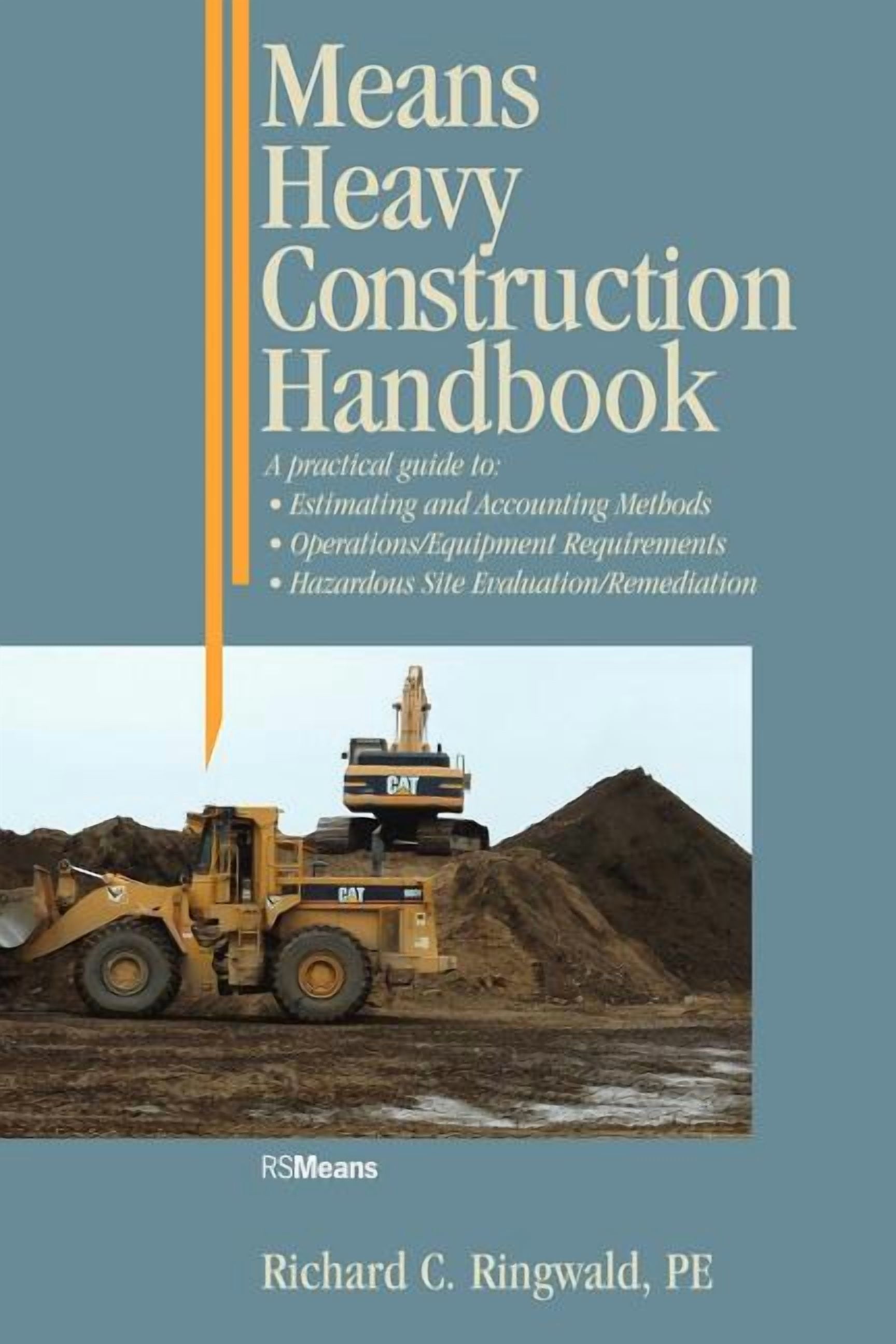
RSMeans estimating... it's a term I've come across recently, and I was curious to know more. As someone who's dabbled in home renovations and heard about construction projects, I wanted to understand what this phrase means and how it relates to the world of building and remodeling. So, let's dive in and uncover the secrets behind RSMeans estimating!
Unraveling the Mystery: What is RSMeans Estimating?
RSMeans estimating is a tool, a resource, and a method used by construction professionals to estimate the costs and pricing of various projects. It's like a handy guide that helps builders, contractors, and even homeowners like me make informed decisions. This estimating process considers factors like labor, materials, and the overall scope of the work to provide an accurate cost estimate.
For those of us considering a home renovation, understanding RSMeans estimating can be a game-changer. It empowers us to compare quotes, ensure we're getting a fair deal, and make smart choices about our projects. Whether it's a bathroom renovation or a full-scale house addition, having a reliable estimate is crucial.
Hiring the Right Contractor: A Guide
When it comes to hiring a contractor for your project, RSMeans estimating can be a valuable tool. It helps you evaluate quotes and understand the breakdown of costs. Here's a simple guide:
- Check the contractor's experience and reputation.
- Ask for references and read reviews.
- Get multiple quotes and compare them.
- Ensure the quote covers all aspects of the job.
- Look for transparency and clear communication.
A good quote should detail the work, materials, and labor costs. It should also include any potential additional expenses, like permits or unexpected issues. Remember, it's not just about the lowest price; it's about finding a reliable and skilled contractor who understands your vision.
Construction Business Names: A Creative Challenge
Naming a construction business is an art! It's a chance to be creative and leave a lasting impression. A great name should be memorable, reflect your company's values, and stand out in a competitive market. Here are a few ideas:
- BuildCraft
- HomeWorkz
- SkyRise Solutions
- EarthMovers
- Brick & Mortar Pros
- BuildTech Innovations
Before settling on a name, check its availability for domains and local registration. You want to ensure your business name is unique and can be easily found online.
The World of Construction Jobs
The construction industry offers a wide range of roles, from estimators to project managers and skilled laborers. Estimator jobs, for instance, involve using tools like RSMeans to calculate costs accurately. These professionals are in demand and play a crucial role in the success of projects.
If you're interested in construction jobs, explore online job boards, local newspapers, and industry-specific websites. Many construction companies also advertise directly on their websites, so it's worth keeping an eye out for openings.
RSMeans: A Powerful Tool for Professionals
RSMeans is a trusted resource in the construction industry. It provides cost databases, escalation data, and cost indexes, helping professionals make informed decisions. Whether you're a general contractor or a remodeling company, RSMeans estimating offers valuable insights.
This tool is especially useful when planning projects, as it helps anticipate costs and stay within budget. It's a go-to resource for many in the industry, providing accurate and up-to-date information.
Big vs. Small: The Construction Industry Landscape
The construction industry is diverse, with both large corporations and small, local businesses. Large firms often have the resources to take on major projects and offer a wide range of services. They may have a broader reach and access to more specialized skills.
Small businesses, on the other hand, can provide a more personalized experience. They often have a strong local presence and can offer competitive pricing. When choosing a company, consider your project's scope and your preferences for size and expertise.
In conclusion, RSMeans estimating is a valuable tool for anyone involved in construction, remodeling, or building projects. It empowers us to make informed decisions, compare costs, and ensure a successful outcome. So, whether you're in Atlanta, Baltimore, or San Francisco, RSMeans estimating is a resource worth exploring!
Related: What is the CBS Trade Chart All About?
A CBS trade chart is a valuable tool for anyone seeking a quick and accurate overview of trade-related information. This guide aims to provide a straightforward understanding of these charts, ensuring you can navigate and utilize them effectively.
The CBS trade chart, whether presented as a table, diagram, or guide, offers a standardized format with potential variations depending on the context. It serves as a reference point, allowing users to quickly interpret trade values and units, making it an essential resource for efficient decision-making.
Understanding the CBS Trade Chart: An Overview
The CBS trade chart is a valuable tool for anyone involved in commerce and trade. It provides a standardized way to represent and understand various trade-related values and categories. This chart is a reference guide that simplifies complex trade data, making it accessible and practical for everyday use.
Comparing CBS Trade Chart Standards and Formats
There are different versions of the CBS trade chart, each tailored to specific regions and industries. The most common formats include the US standard and the international metric system. These charts may vary slightly in their units and categories but serve the same purpose: to provide a consistent framework for trade calculations and decisions.
Step-by-Step Guide to Using the CBS Trade Chart
Using the CBS trade chart is straightforward and can greatly simplify your trade-related tasks. Here's a simple guide:
Identify the Type of Trade: Determine whether you are dealing with import, export, or domestic trade. This initial step helps you choose the right chart for your specific trade scenario.
Select the Appropriate Chart: Different charts exist for various trade types and regions. Ensure you have the correct chart for your needs. For instance, if you are an importer, choose the import-specific CBS trade chart.
Locate the Relevant Values: The chart is organized with clear categories and units. Find the values you need, such as trade value, volume, or weight, and ensure you are using the correct units.
Perform Calculations: With the values located, you can now perform any necessary calculations. The chart provides a structured format to ensure accuracy and consistency in your trade-related computations.
Double-Check for Accuracy: Always verify the values and calculations with the specific trade guidelines and regulations. While the CBS trade chart is a reliable tool, it is essential to cross-reference with official sources for precise results.
Common Misreadings and How to Avoid Them
Misinterpreting the CBS trade chart can lead to errors. Here are some common pitfalls:
Unit Confusion: Ensure you understand the units used in the chart. Different charts may use various units, so always double-check.
Category Misidentification: Each chart has distinct categories. Take time to familiarize yourself with the specific categories and their meanings to avoid confusion.
Regional Variations: Be aware of regional differences. For instance, the US and metric charts may have slight variations in categories or units. Always use the appropriate chart for your region.
Factors Affecting Accuracy and Real-World Use
The accuracy of the CBS trade chart depends on several factors:
Trade Regulations: Trade rules and guidelines can change, so staying updated is crucial. Always refer to the latest regulations to ensure your calculations are precise.
Industry-Specific Considerations: Different industries may have unique trade practices and requirements. Ensure you are using a chart tailored to your specific industry to avoid discrepancies.
Chart Updates: CBS trade charts are periodically updated to reflect changes in trade practices and regulations. Regularly check for the latest version to maintain accuracy.
Choosing the Right CBS Trade Chart Format
Selecting the appropriate CBS trade chart format is essential for accurate results:
Standard CBS Units: If you are working within a specific industry or region, choose the chart designed for that context. For example, the standard CBS units for the US market may differ from those used internationally.
Common CBS Variations: Be aware of common variations in trade practices. Some industries may have unique trade flows or categories. Ensure your chart accommodates these variations to provide accurate representations.
Practical CBS Tips: Consider your specific trade needs and choose a chart that offers the most relevant and practical information for your daily tasks.
Keeping Your Reference Reliable for Future Use
To ensure the CBS trade chart remains a reliable reference:
Regular Updates: Stay informed about any updates or revisions to the chart. Subscribe to relevant industry newsletters or follow reputable sources for the latest information.
Organize and Store: Keep your charts organized and easily accessible. Consider digital storage for quick retrieval and sharing.
Cross-Reference: Always verify the chart's accuracy by cross-referencing with official sources and industry experts. This practice ensures you have the most up-to-date and reliable information.
Hey there! I hope this guide has given you a clear understanding of the CBS trade chart and its practical applications. Remember, while the fundamentals remain consistent, exact details may differ slightly based on your specific context.
Feel free to revisit this page whenever you need a quick refresh on CBS trade charts. It's a handy tool to have bookmarked for future reference!