

Cursive Worksheets Grade 3 Overview
A cursive abc chart is a valuable tool for anyone wishing to master the art of cursive handwriting. This guide will provide an overview of what these charts offer and how they can improve your penmanship.
The chart is a visual aid, offering a clear and concise reference for the cursive alphabet. It displays the letter formations and connections, allowing users to understand the flow and style of each letter. While there may be variations in certain styles or regional preferences, the cursive abc chart provides a solid foundation for learning and practicing this elegant writing style.
Understanding the Cursive ABC Chart
The cursive abc chart is a valuable tool for mastering cursive handwriting. It serves as a visual guide, providing a reference for the unique forms and connections of each letter in the cursive alphabet. This chart is an essential learning aid, especially for beginners, as it offers a clear overview of the basic strokes and letter formations.
Comparing Cursive Styles and Standards
Cursive writing, much like other writing styles, can vary based on regional standards and personal preferences. While the cursive abc chart typically follows a standard format, it's essential to note that there might be slight variations in letter shapes and connections. For instance, the cursive alphabet used in the United States might differ slightly from that used in the United Kingdom.
Step-by-Step Guide to Using the Chart
To make the most of your cursive abc chart, follow these steps:
- Begin by familiarizing yourself with the chart. Observe the unique shapes and connections of each letter.
- Practice forming the letters, paying attention to the starting and ending points of each stroke.
- Connect the letters to form words, focusing on the natural flow of cursive writing.
- Start with simple words and gradually increase the complexity as you gain confidence.
- Regular practice is key; allocate dedicated time for handwriting exercises.
Common Mistakes and How to Avoid Them
When learning cursive, it's common to encounter challenges. Some letters might be particularly tricky due to their intricate forms. To avoid mistakes, ensure you:
- Pay close attention to the direction and placement of each stroke.
- Practice slowly and deliberately, focusing on accuracy rather than speed.
- Seek guidance from a teacher or use online resources for additional support.
Factors Affecting Accuracy and Real-World Application
The accuracy of your cursive writing depends on various factors, including your handwriting style, practice consistency, and attention to detail. Additionally, the context in which you use cursive writing can influence its application. For instance, formal documents might require a different style or size than personal notes.
Adapting the Chart for Specific Needs
The cursive abc chart is versatile and can be adapted to suit different learning styles and goals. If you're a visual learner, consider using colored pens or markers to highlight specific letters or connections. For a more tactile approach, try tracing the letters with your finger or a stylus on a tablet. Additionally, you can create your own practice sheets based on the chart to focus on specific letters or word formations.
Hey there! I hope this guide has been a helpful resource for you. Remember, when it comes to cursive ABC charts, the specifics can differ slightly based on your unique circumstances.
Feel free to explore other guides on this topic, as well, to find the one that best suits your needs. And don't forget to bookmark this page for future reference; it's always handy to have a quick go-to resource for those moments when you need a refresher on cursive writing.
Related: Unraveling the Bolt Grade Chart: A Clear Guide
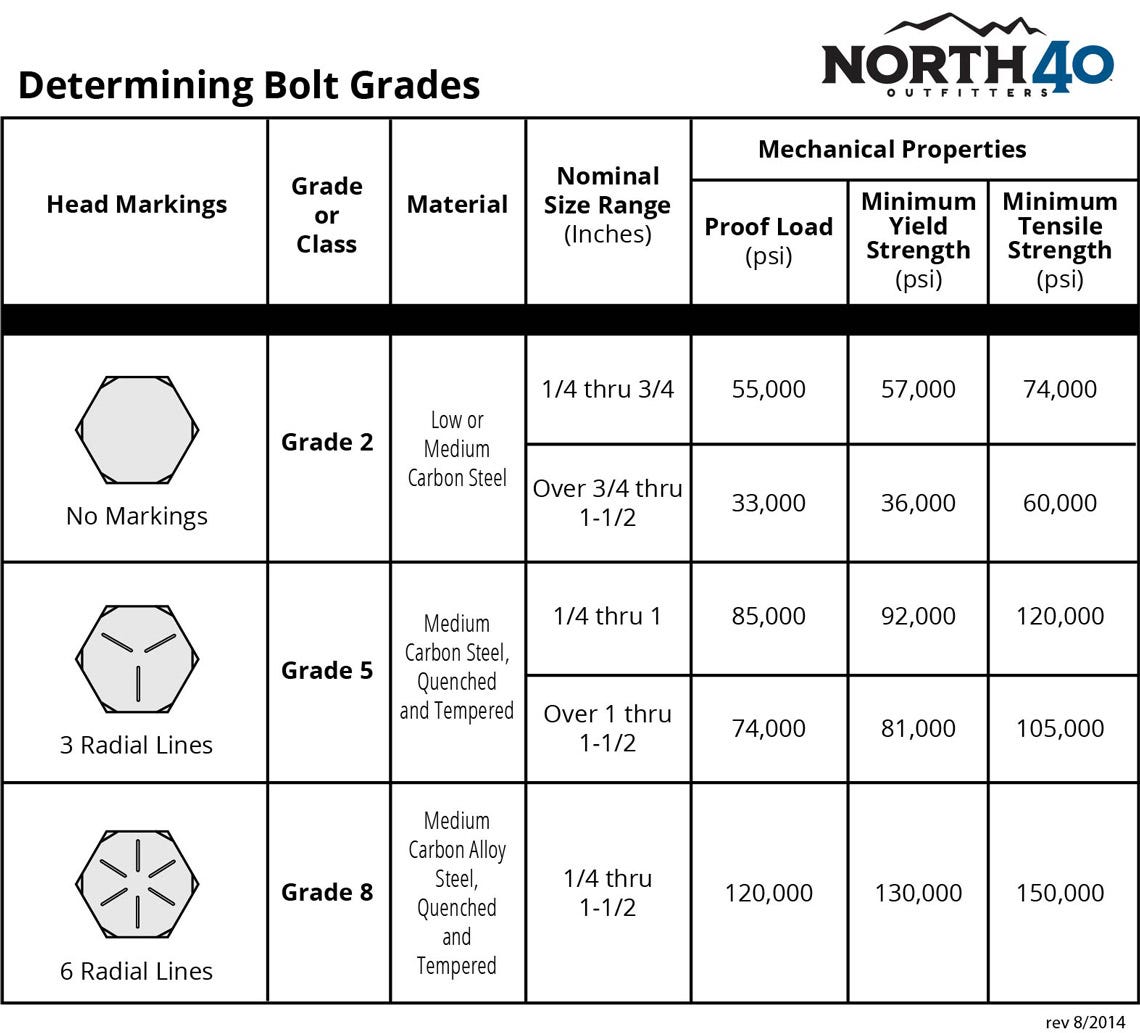
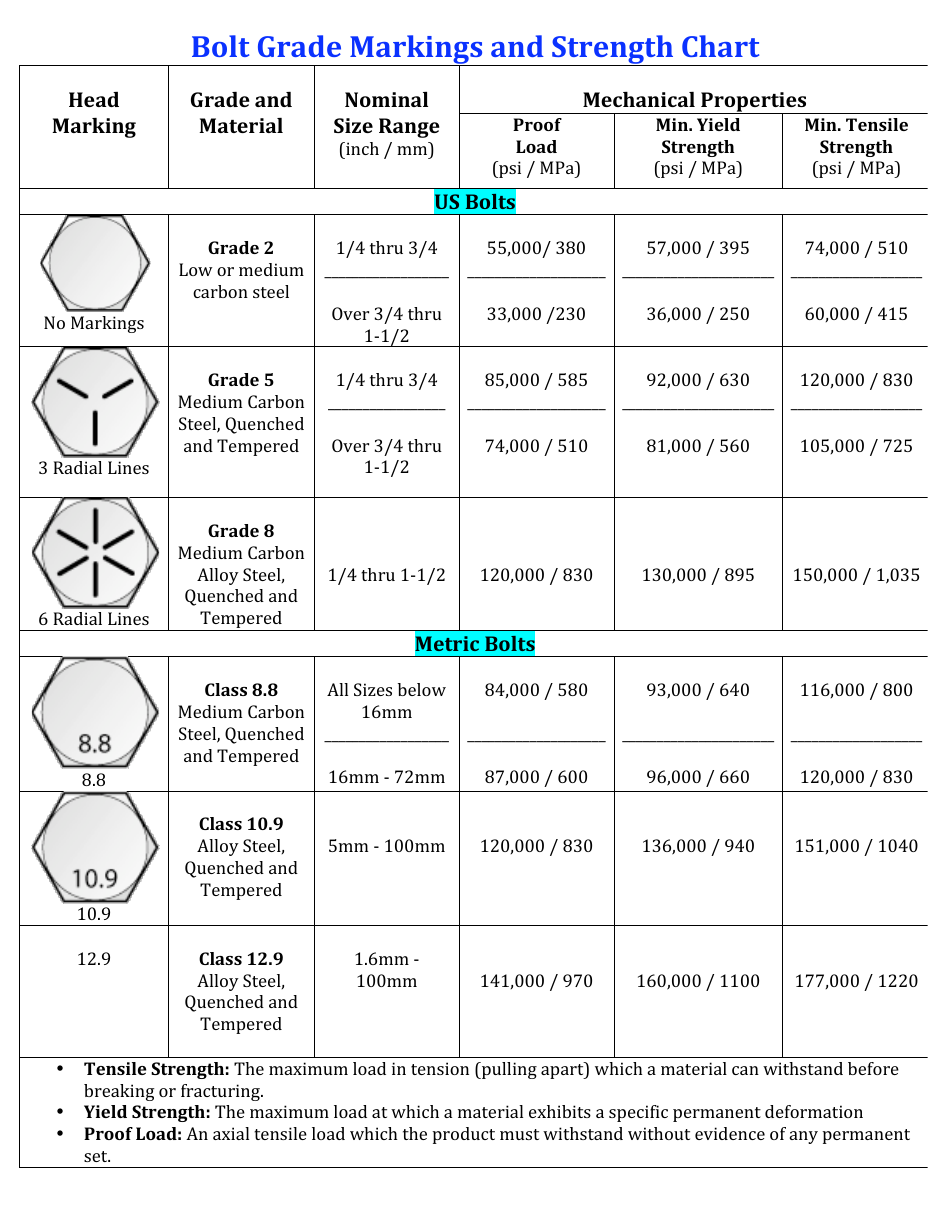
Many folks assume the bolt grade chart is a complex, intimidating beast, but it's actually a simple, handy tool. This chart is your friend, offering a quick glance at bolt strength and properties. It's not as scary as it seems!
Think of it as a reference guide, a visual aid, with values that may vary slightly depending on the standard or region. It's a practical way to understand bolt head markings and specifications, like ASTM or SAE grades, and it's a must-have for any project.
Understanding Grade Markings
The bolt grade chart is a handy reference tool that provides essential information about bolt grades and their properties. It offers a quick and easy way to understand the strength and characteristics of different bolts, which is crucial for any fastening project. This chart is a visual guide, often presented as a table or diagram, that simplifies the process of selecting the right bolt for your needs.
Common Grade Standards
When it comes to bolt grades, there are several standards and systems used globally. The most common ones include the ASTM bolt specifications and the SAE bolt grades in the US, as well as the metric bolt grades used internationally. These standards define the grade based on factors like tensile strength, yield strength, and hardness. The bolt grade chart typically covers these different standards, allowing you to compare and understand the variations.
Interpreting the Chart: A Step-by-Step Guide
Start by identifying the standard you are working with. As mentioned, there are US and metric systems, so ensure you are referring to the right one for your project.
Locate the grade you need. Bolt grades are often represented by numbers or letters, such as Grade 2, Grade 5, or Grade 8. These grades indicate the bolt's strength and are crucial for ensuring a secure fastening.
Check the corresponding properties. The chart will provide information on the bolt's tensile strength, yield strength, and hardness. These values are essential for determining the bolt's ability to withstand forces and stresses.
Consider the application. Different projects require varying levels of bolt strength. For instance, automotive applications often use higher-grade bolts compared to general construction. Ensure you choose a grade suitable for your specific needs.
Don't forget the head markings. Bolt head markings, often in the form of lines or symbols, provide additional information. These markings can indicate the bolt's grade, material, and even the manufacturer.
Common Misreadings and How to Avoid Them
One common mistake is assuming that all bolt grade charts are universal. Remember, charts may vary based on the standard and region. Always double-check the specific chart you are using and ensure it aligns with your project's requirements.
Another pitfall is ignoring the bolt's material. The bolt grade chart often focuses on the grade, but the material (e.g., steel, stainless steel) also plays a significant role in the bolt's performance. Ensure you select a material suitable for your application's environment and conditions.
Bolt Strength Variations: Key Factors
Several factors can influence a bolt's strength and, consequently, its grade. These include the bolt's material, heat treatment, and manufacturing process. For instance, a bolt made from high-strength steel will have a higher grade compared to one made from regular steel. Additionally, the thread type and pitch can also impact the bolt's performance and suitability for certain applications.
Adapting the Chart for Specific Needs
While the bolt grade chart provides a comprehensive overview, it's essential to note that it may not cover every unique application. If you have specific requirements or are working with specialized bolts, you may need to consult additional resources or seek expert advice. In such cases, referring to bolt torque charts or hardness charts can provide more detailed information tailored to your needs.
Keeping Your Reference Reliable
To ensure the accuracy and reliability of your bolt grade chart, it's crucial to keep it updated. Standards and specifications can evolve over time, so regularly check for any updates or revisions. Additionally, if you frequently work with bolts, consider creating a personalized chart or reference guide that suits your specific projects and needs. This way, you'll always have a reliable and tailored resource at your fingertips.
Hey there! I hope this guide has given you a clear understanding of bolt grade charts and their practical uses. Remember, these charts are a handy tool, but the exact details can vary, so always double-check the standards and sources relevant to your project.
There's always more to learn, so feel free to explore our other guides on related topics. We've got a whole range of practical tips and tricks to help make your projects a success. Happy learning, and happy bolting!