



Cursive Worksheets Online Overview
A cursive abc chart is a valuable tool for anyone wishing to master the art of cursive handwriting. This guide will provide an overview of what these charts offer and how they can improve your penmanship.
The chart is a visual aid, offering a clear and concise reference for the cursive alphabet. It displays the letter formations and connections, allowing users to understand the flow and style of each letter. While there may be variations in certain styles or regional preferences, the cursive abc chart provides a solid foundation for learning and practicing this elegant writing style.
Understanding the Cursive ABC Chart
The cursive abc chart is a valuable tool for mastering cursive handwriting. It serves as a visual guide, providing a reference for the unique forms and connections of each letter in the cursive alphabet. This chart is an essential learning aid, especially for beginners, as it offers a clear overview of the basic strokes and letter formations.
Comparing Cursive Styles and Standards
Cursive writing, much like other writing styles, can vary based on regional standards and personal preferences. While the cursive abc chart typically follows a standard format, it's essential to note that there might be slight variations in letter shapes and connections. For instance, the cursive alphabet used in the United States might differ slightly from that used in the United Kingdom.
Step-by-Step Guide to Using the Chart
To make the most of your cursive abc chart, follow these steps:
- Begin by familiarizing yourself with the chart. Observe the unique shapes and connections of each letter.
- Practice forming the letters, paying attention to the starting and ending points of each stroke.
- Connect the letters to form words, focusing on the natural flow of cursive writing.
- Start with simple words and gradually increase the complexity as you gain confidence.
- Regular practice is key; allocate dedicated time for handwriting exercises.
Common Mistakes and How to Avoid Them
When learning cursive, it's common to encounter challenges. Some letters might be particularly tricky due to their intricate forms. To avoid mistakes, ensure you:
- Pay close attention to the direction and placement of each stroke.
- Practice slowly and deliberately, focusing on accuracy rather than speed.
- Seek guidance from a teacher or use online resources for additional support.
Factors Affecting Accuracy and Real-World Application
The accuracy of your cursive writing depends on various factors, including your handwriting style, practice consistency, and attention to detail. Additionally, the context in which you use cursive writing can influence its application. For instance, formal documents might require a different style or size than personal notes.
Adapting the Chart for Specific Needs
The cursive abc chart is versatile and can be adapted to suit different learning styles and goals. If you're a visual learner, consider using colored pens or markers to highlight specific letters or connections. For a more tactile approach, try tracing the letters with your finger or a stylus on a tablet. Additionally, you can create your own practice sheets based on the chart to focus on specific letters or word formations.
Hey there! I hope this guide has been a helpful resource for you. Remember, when it comes to cursive ABC charts, the specifics can differ slightly based on your unique circumstances.
Feel free to explore other guides on this topic, as well, to find the one that best suits your needs. And don't forget to bookmark this page for future reference; it's always handy to have a quick go-to resource for those moments when you need a refresher on cursive writing.
Related: Unraveling the CFM Duct Chart: A Quick Guide
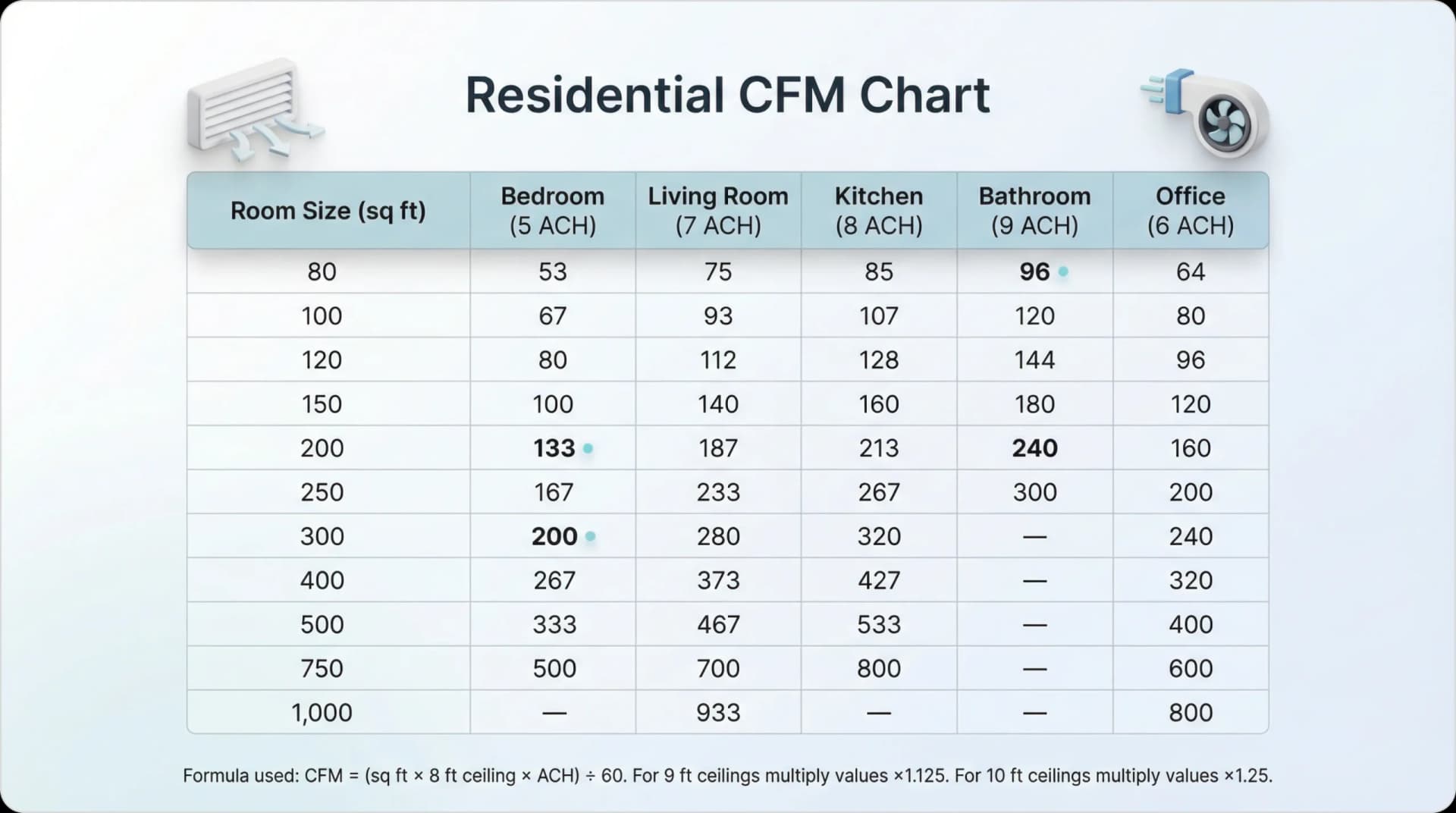
A cfm duct chart is a handy tool, a simple yet effective guide, that can make your life easier when dealing with air flow and ductwork. This chart is your go-to reference, offering a quick and clear way to understand and calculate air flow rates and duct sizes.
In this guide, we'll explore how to read and utilize the cfm duct chart effectively. You'll learn about the key values and their variations, ensuring you can apply this chart accurately for your projects. It's a practical skill, and we'll keep it simple!
Understanding the CFM Duct Chart
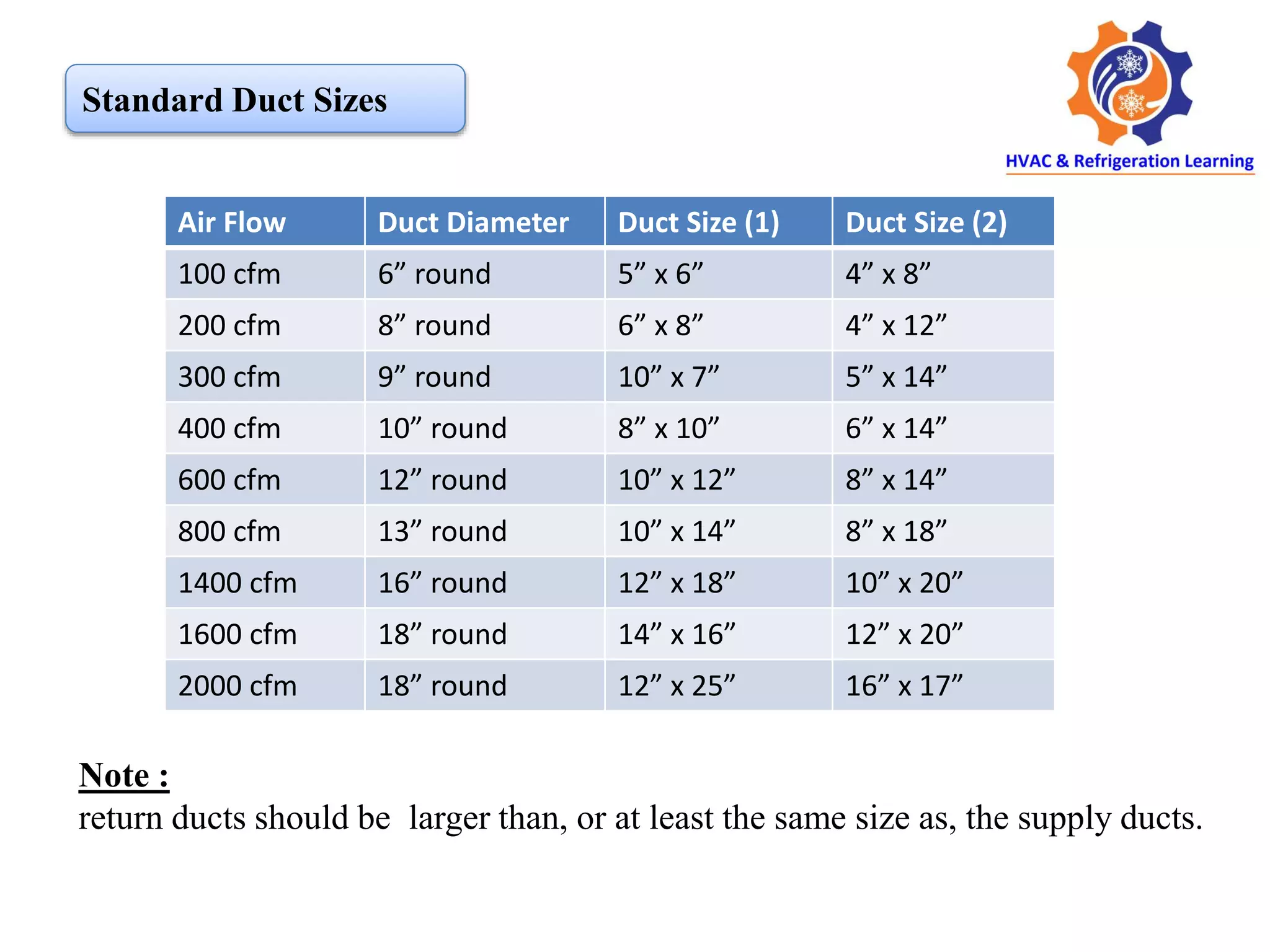
A CFM duct chart is a valuable tool for anyone working with air flow and duct systems. It provides a visual representation of the relationship between duct sizes and the air flow rate, measured in cubic feet per minute (CFM). This chart simplifies the process of selecting the right duct size for a specific air flow requirement.
Key Details and Units
Before diving into the chart, it's essential to understand the basics. The CFM duct chart typically displays two key categories: duct sizes, often given in inches, and the corresponding CFM values. These values indicate the volume of air that can pass through a duct of a particular size. The chart usually covers a range of standard duct sizes and their respective CFM ratings.
Practical Applications: Reading and Using the Chart
Using the CFM duct chart is straightforward. Here's a step-by-step guide:
- Identify the desired air flow rate (CFM) for your application. This could be based on the equipment you're using or the specific needs of your project.
- Locate the CFM value on the chart.
- Follow the row or column to find the corresponding duct size. This size ensures the duct can handle the required air flow.
- If your specific CFM value isn't listed, you can interpolate between the values provided.
Variations and Differences
It's important to note that CFM duct charts may vary depending on the standard or region. Different countries and industries might have their own specific charts and guidelines. Additionally, factors like duct material, shape, and installation can influence the actual air flow. While the chart provides a useful reference, it's always a good idea to double-check with the manufacturer's specifications for precise tolerances and recommendations.
Hey there! I hope this duct chart guide has been helpful. Remember, while the fundamentals stay the same, exact details can vary slightly depending on the context. So, keep an eye out for those little nuances!
If you're keen to explore more practical guides like this, feel free to check out our other resources. And don't forget to bookmark this page for a quick refresher whenever you need it. Happy charting!
Related: Understand Duct Sizing Chart: A Quick Guide
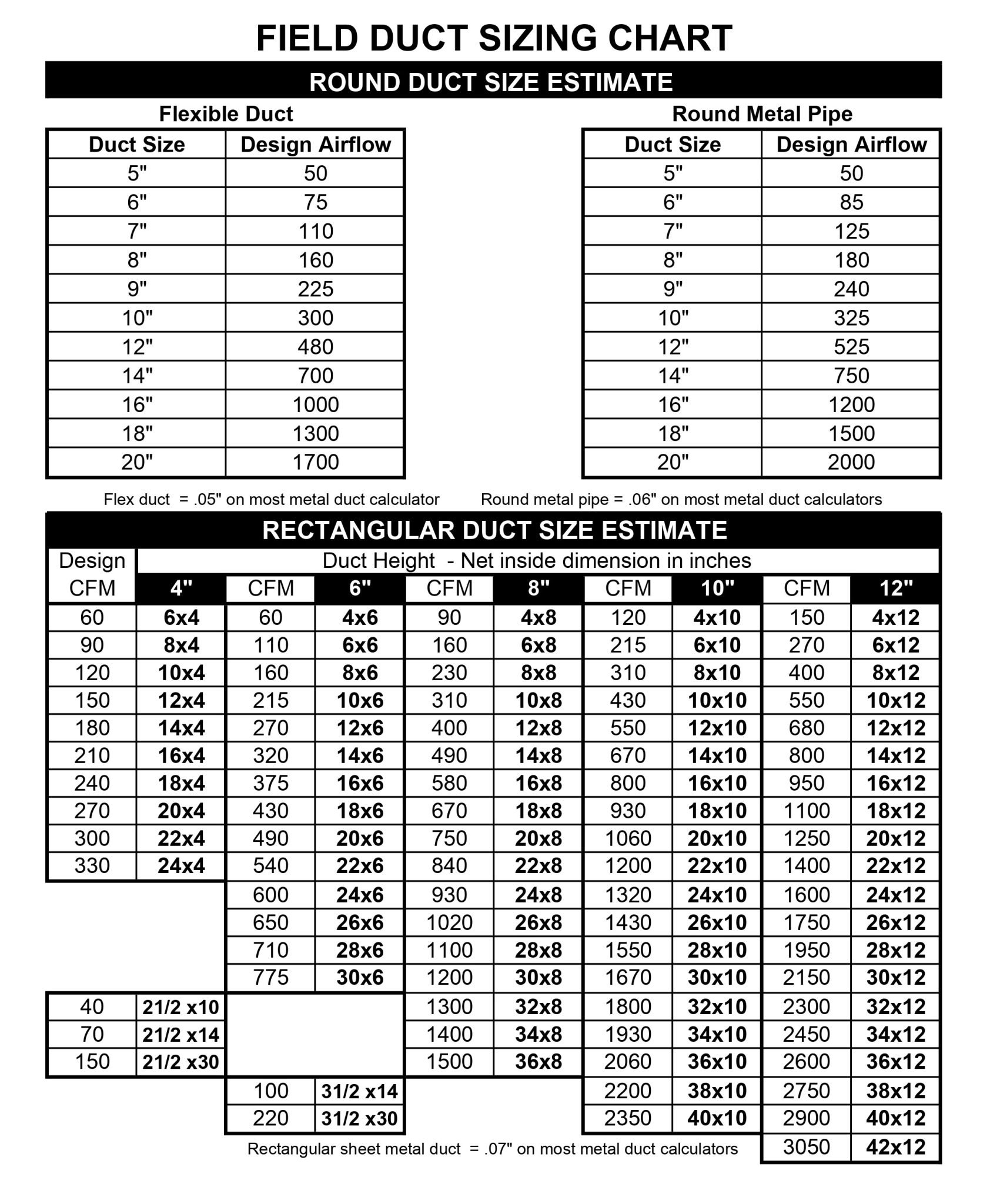
Many folks get tripped up by thinking a duct sizing chart is some kind of complex, mysterious tool, but it's actually a straightforward, handy reference. It's like a map to help you navigate the world of ductwork dimensions.
The chart provides a visual guide, often with easy-to-read tables, to ensure you select the right size duct for your HVAC system. While the values might vary slightly depending on your region or the specific standards you follow, the duct sizing chart is a reliable starting point, offering a simple, quick solution to a potentially confusing task.
Duct Sizing: Understanding the Chart
The duct sizing chart is your practical guide to selecting the right size ducts for your HVAC system. It's a simple yet effective tool that helps you match the duct dimensions to your specific needs, ensuring efficient airflow and a comfortable indoor environment.
Key Details and Categories
Before diving into the chart, it's essential to understand the basic units and categories. Duct sizes are typically measured in inches and represented by rectangular dimensions, such as 8x12 or 10x14. These dimensions refer to the height and width of the duct, respectively. The chart provides a range of standard sizes, covering various common duct types. You'll find sizes from small, like 4x6, to larger ones, such as 20x24, catering to different HVAC system requirements.
Interpreting the Chart: A Step-by-Step Guide
Using the duct sizing chart is straightforward. First, identify the type of duct you need, whether it's for supply, return, or exhaust airflow. Then, locate the relevant section on the chart. Each section will provide a range of sizes, along with their corresponding dimensions. For example, you might see a column with sizes like 10, 12, and 14, indicating the width, and a row with heights like 8, 10, and 12. Simply find the intersection of the desired width and height to get your duct size. Remember, the chart offers a standard range, so you may need to adjust slightly based on your specific system and installation constraints.
Variations and Differences
While the duct sizing chart provides a solid foundation, variations can occur due to several factors. Different standards and regions may have slightly different sizing guidelines, so it's crucial to refer to the appropriate standard for your location. Additionally, the type of HVAC system and its unique requirements can influence duct size. For instance, high-efficiency systems might need larger ducts to handle increased airflow. Installation constraints, such as limited space, can also impact the final duct size choice. It's always a good idea to consult with an HVAC professional to ensure you're selecting the right size for your specific situation.
In summary, the duct sizing chart is a valuable tool, offering a quick and easy way to determine duct sizes. By understanding the basic categories and following a simple step-by-step process, you can accurately select the right size ducts for your HVAC system. Remember, while the chart provides a great starting point, consulting experts and considering your unique circumstances is essential for optimal results.
Hey there, duct sizing enthusiasts! We hope this guide has given you a clear understanding of the process and the key factors to consider. Remember, while the basics remain the same, the exact values and specifications can differ slightly, so always double-check the relevant standards and sources for your specific project.
Consider bookmarking this page for future reference; it's a handy tool to have at your fingertips when you're in the middle of a project and need a quick reminder. We've got more practical guides like this one, so feel free to explore and discover other helpful resources. Happy sizing!