



Cursive Worksheets Reddit Overview
A cursive abc chart is a valuable tool for anyone wishing to master the art of cursive handwriting. This guide will provide an overview of what these charts offer and how they can improve your penmanship.
The chart is a visual aid, offering a clear and concise reference for the cursive alphabet. It displays the letter formations and connections, allowing users to understand the flow and style of each letter. While there may be variations in certain styles or regional preferences, the cursive abc chart provides a solid foundation for learning and practicing this elegant writing style.
Understanding the Cursive ABC Chart
The cursive abc chart is a valuable tool for mastering cursive handwriting. It serves as a visual guide, providing a reference for the unique forms and connections of each letter in the cursive alphabet. This chart is an essential learning aid, especially for beginners, as it offers a clear overview of the basic strokes and letter formations.
Comparing Cursive Styles and Standards
Cursive writing, much like other writing styles, can vary based on regional standards and personal preferences. While the cursive abc chart typically follows a standard format, it's essential to note that there might be slight variations in letter shapes and connections. For instance, the cursive alphabet used in the United States might differ slightly from that used in the United Kingdom.
Step-by-Step Guide to Using the Chart
To make the most of your cursive abc chart, follow these steps:
- Begin by familiarizing yourself with the chart. Observe the unique shapes and connections of each letter.
- Practice forming the letters, paying attention to the starting and ending points of each stroke.
- Connect the letters to form words, focusing on the natural flow of cursive writing.
- Start with simple words and gradually increase the complexity as you gain confidence.
- Regular practice is key; allocate dedicated time for handwriting exercises.
Common Mistakes and How to Avoid Them
When learning cursive, it's common to encounter challenges. Some letters might be particularly tricky due to their intricate forms. To avoid mistakes, ensure you:
- Pay close attention to the direction and placement of each stroke.
- Practice slowly and deliberately, focusing on accuracy rather than speed.
- Seek guidance from a teacher or use online resources for additional support.
Factors Affecting Accuracy and Real-World Application
The accuracy of your cursive writing depends on various factors, including your handwriting style, practice consistency, and attention to detail. Additionally, the context in which you use cursive writing can influence its application. For instance, formal documents might require a different style or size than personal notes.
Adapting the Chart for Specific Needs
The cursive abc chart is versatile and can be adapted to suit different learning styles and goals. If you're a visual learner, consider using colored pens or markers to highlight specific letters or connections. For a more tactile approach, try tracing the letters with your finger or a stylus on a tablet. Additionally, you can create your own practice sheets based on the chart to focus on specific letters or word formations.
Hey there! I hope this guide has been a helpful resource for you. Remember, when it comes to cursive ABC charts, the specifics can differ slightly based on your unique circumstances.
Feel free to explore other guides on this topic, as well, to find the one that best suits your needs. And don't forget to bookmark this page for future reference; it's always handy to have a quick go-to resource for those moments when you need a refresher on cursive writing.
Related: Unravel the Mystery: Hook Size Chart
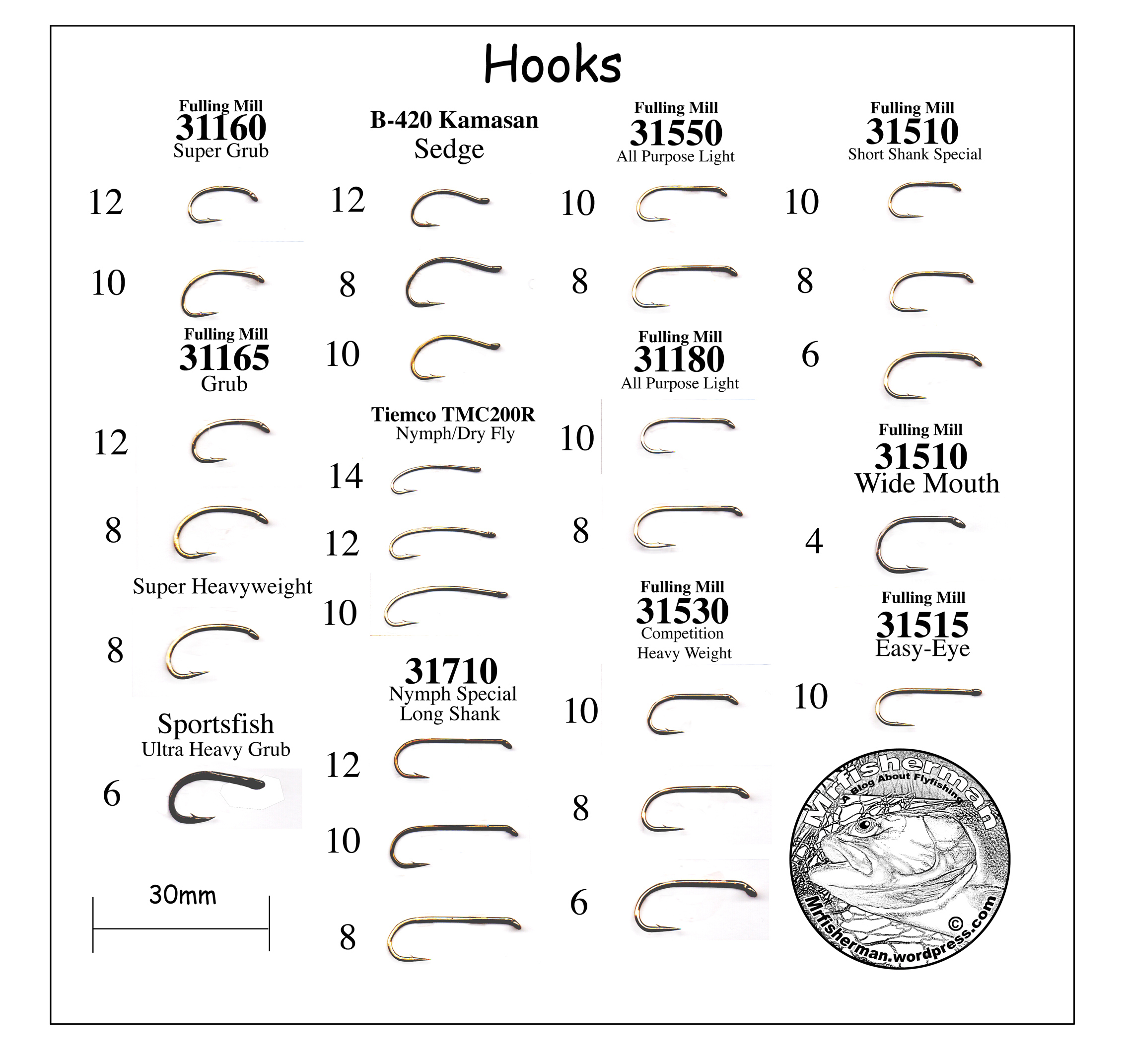
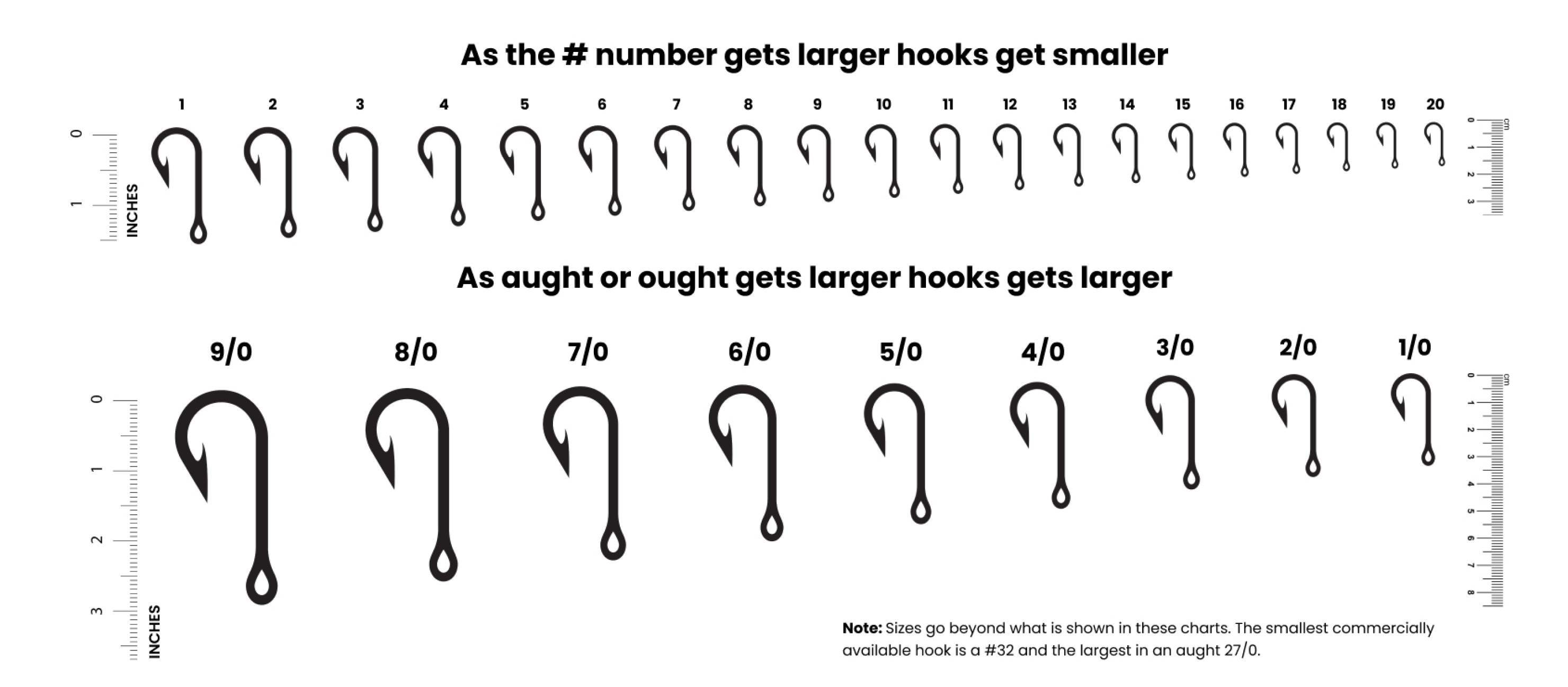
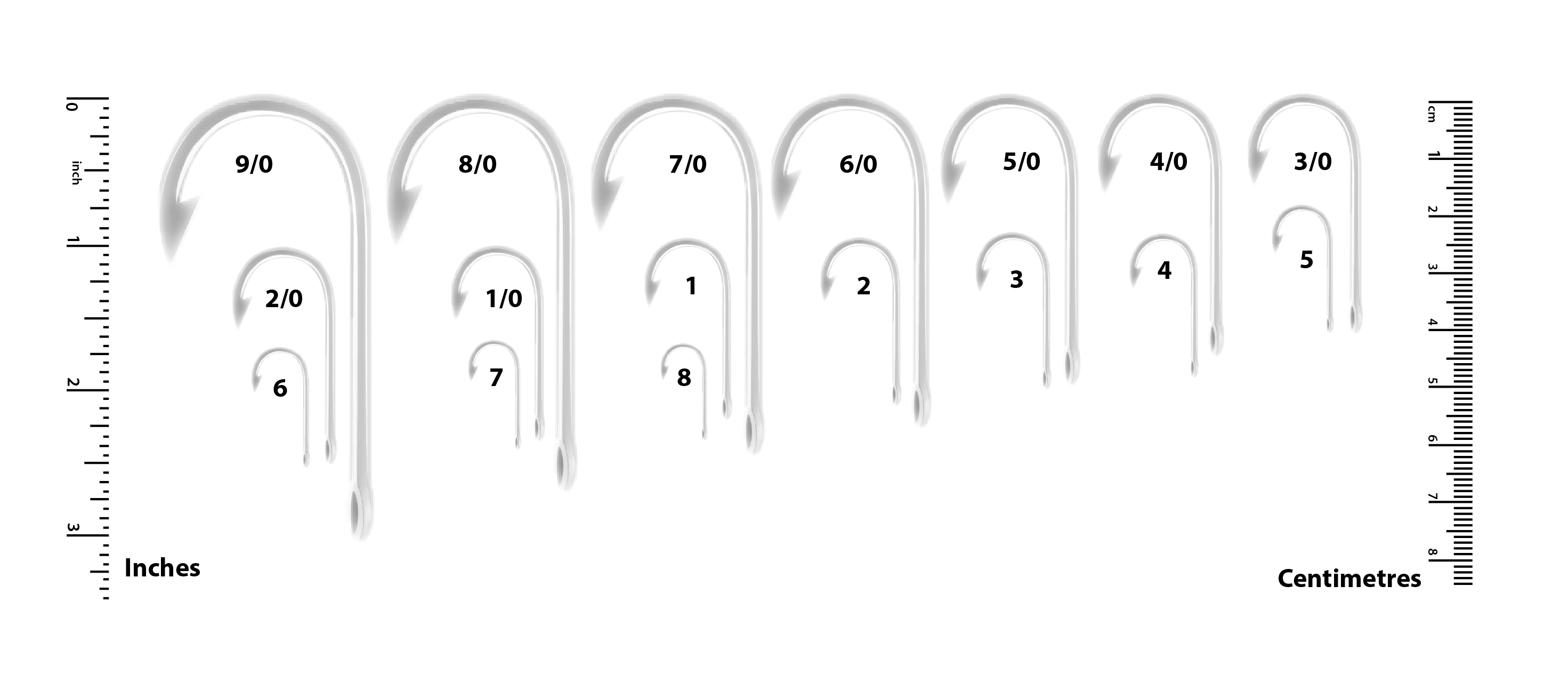
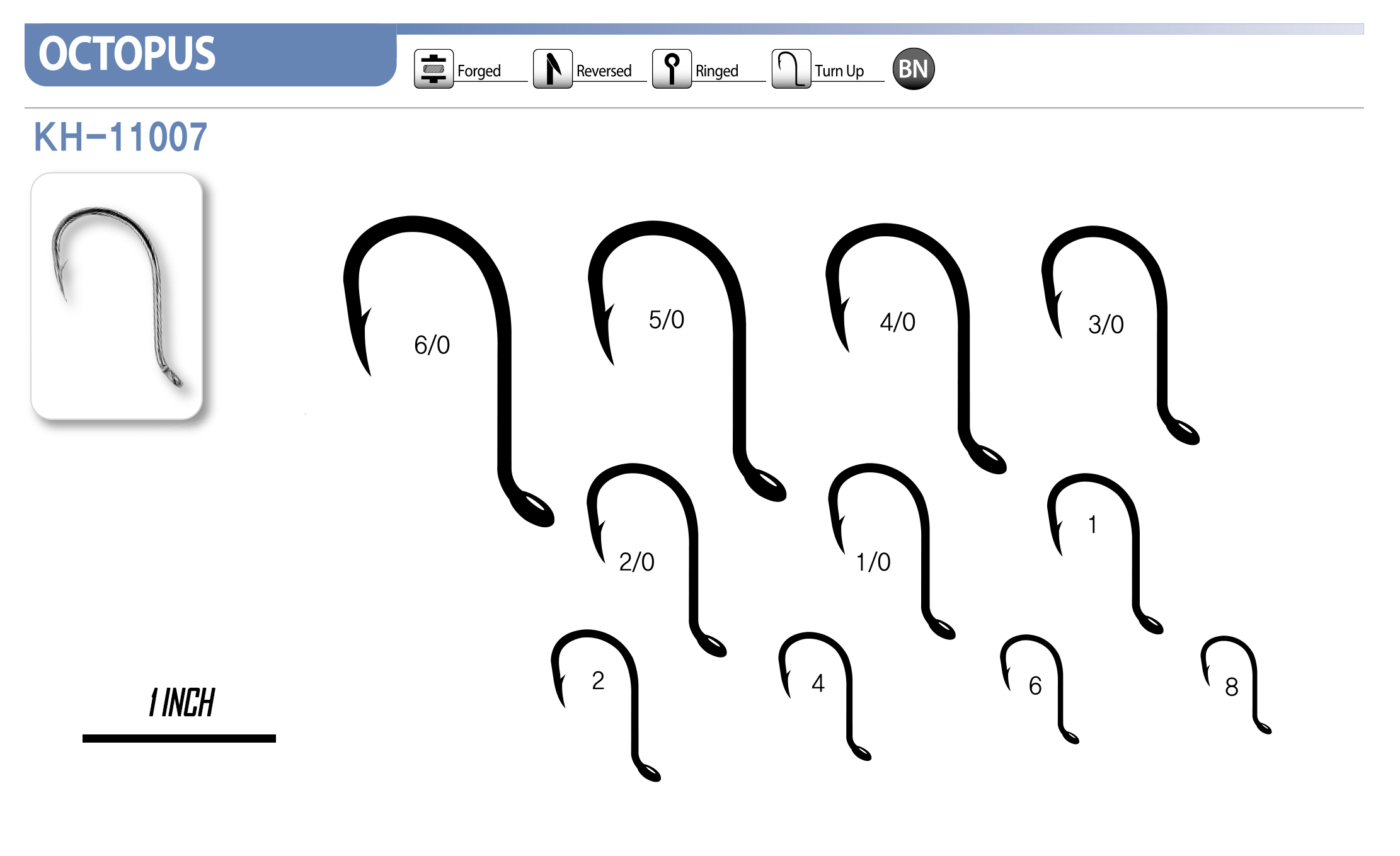
You're here, searching for a hook size chart, probably for your next fishing adventure or a craft project. These charts are a handy tool, offering a quick and easy way to find the right hook size for your needs. Whether you're a seasoned angler or a beginner, having a reliable reference like this is essential. The great thing about hook size charts is their simplicity; they provide a clear guide, and while the values may vary slightly depending on your location or the brand you use, they offer a consistent framework to work with.
Understanding the Chart: A Quick Overview
The hook size chart is a handy tool for anglers, providing a simple visual guide to choosing the right hook size for your fishing needs. It's a reference tool that displays hook sizes, often in a table format, to help you select the appropriate hook for your fishing line, bait, and target fish.
Comparing Hook Size Standards and Formats
Hook size charts can vary depending on the standard or region. For instance, the American system uses numbers, while the European system employs letters. These charts typically show hook sizes in a range, such as 2/0, 1/0, 1, 2, 4, 6, and so on, with smaller numbers indicating larger hooks. Some charts may also include additional information like hook type and recommended line strength.
Choosing the Right Hook: A Step-by-Step Guide
To use a hook size chart effectively:
- Identify your target fish species. Different fish require different hook sizes.
- Determine your fishing method: fly fishing, bait fishing, or other techniques.
- Check the chart for the recommended hook size based on your fish and technique.
- Consider the bait you're using; larger baits may require bigger hooks.
- Select a hook size that aligns with the chart's recommendations.
- Always double-check the exact specifications, especially for specialized fishing techniques.
Common Misreadings and How to Avoid Them
It's important to note that hook size charts provide general guidelines. Factors like hook brand, bait size, and personal preference can influence your choice. Misreading the chart might lead to selecting a hook that's too small or too large for your needs. Always consider the context and adjust accordingly.
Factors Affecting Accuracy: Key Considerations
Hook size and fish: Different fish species have varying mouth sizes and feeding habits, influencing the hook size required.
Hook size and line: The strength of your fishing line should match the hook size to ensure a secure connection.
Hook size and bait: The size of your bait plays a role; larger baits may need bigger hooks to support them.
Personal preference: Anglers may have their own preferences based on experience, so the chart serves as a guide, not a strict rule.
Some key factors that can cause variations include:
- Water conditions: Turbulent waters might require larger hooks to handle the current.
- Fish behavior: Active fish may need smaller, more subtle hooks.
- Hook material: Different hook materials can affect the hook's strength and size.
Adapting the Chart for Specific Needs
While the hook size chart provides a standard guide, anglers can adapt it for their unique situations. If you prefer a specific hook brand, you might need to adjust the size based on its unique characteristics. Specialized fishing techniques, like ice fishing or deep-sea fishing, may require custom hook size charts. Always consider the context and adjust the chart to fit your specific fishing needs.
Well, there you have it! A handy hook size chart is a simple yet effective tool to ensure your hook choices are spot on. Remember, while this guide offers a comprehensive overview, it's always wise to double-check the specific requirements of your project. Exact values can vary, so it's best to be prepared and ensure you're using the right reference for your needs.
Feel free to explore our other guides and resources; we've got plenty of practical tips and tricks to offer. Happy hook-choosing, and we hope you find the perfect fit for your next adventure!
Related: Understanding Auburn's Depth Chart
If you're here, you're likely seeking a quick reference or a straightforward guide to understanding the depth chart Auburn. This practical tool, often used in sports, provides a visual representation of a team's roster, offering a clear view of player positions and roles. "Depth chart Auburn" can vary in format and detail, but its core purpose remains the same: to provide an at-a-glance overview of the Auburn Tigers roster and starting lineup.
What is a Depth Chart?
A depth chart is a valuable tool used in sports, particularly in American football, to visually represent a team's roster and the hierarchy of players at each position. For Auburn University's football team, the depth chart is an essential reference for coaches, players, and fans alike, offering a clear snapshot of the team's current lineup and player rankings.
Key Details and Categories
The depth chart auburn typically features two main columns: player positions and player names. Positions are organized by offensive and defensive roles, with special teams roles sometimes included. Each position is further divided into tiers, indicating the player's status within that position group. Common tiers include starters, backups, and reserves, with some charts also featuring developmental players or walk-ons.
Reading and Applying the Depth Chart
To read and understand the depth chart auburn, follow these steps:
Start by identifying the position groups. These are typically organized by offense (e.g., quarterback, running back, wide receiver) and defense (e.g., defensive line, linebackers, defensive backs).
Within each position group, look for the players listed under the "Starters" tier. These are the players who are currently expected to start the game.
Below the starters, you'll find the backups and reserves. Backups are often the next in line to replace a starter if needed, while reserves are typically further down the depth chart but still part of the team's roster.
Pay attention to any notes or additional information provided alongside the player names. These notes might indicate injuries, eligibility issues, or other factors that could impact a player's status.
Use the depth chart as a reference when discussing the team's strategy, analyzing player performance, or predicting game outcomes. It provides a snapshot of the team's current strengths and weaknesses at each position.
Variations and Differences
While the basic structure of a depth chart remains consistent, variations can occur across different teams and leagues. For instance, some depth charts may include more detailed information, such as player heights, weights, and jersey numbers. Additionally, the specific position groups and their organization can vary depending on the team's offensive or defensive schemes. It's important to note that depth charts are dynamic and can change frequently due to injuries, player performance, or coaching decisions.
Common Mistakes and How to Avoid Them
One common mistake is assuming that the depth chart is set in stone. It's essential to remember that depth charts are subject to change, especially in the fast-paced world of college football. Coaches may make last-minute adjustments based on game plans or player availability. Therefore, it's crucial to regularly update your knowledge of the depth chart and stay informed about any recent changes.
Practical Tips for Accurate Results
To ensure you're using the depth chart auburn accurately, consider these tips:
Familiarize yourself with the team's roster and player positions. Understanding the basic roles and responsibilities of each position will enhance your ability to interpret the depth chart effectively.
Keep track of any notable injuries or player absences. These factors can significantly impact the depth chart and the team's overall performance.
Stay connected with reliable sources of information, such as official team websites or reputable sports media outlets. These sources often provide the most up-to-date depth charts and player news.
Double-Checking and Handling Exceptions
While the depth chart auburn is a valuable tool, it's important to remember that it represents a snapshot of the team's current lineup. To ensure accuracy, consider the following:
Cross-reference the depth chart with recent game statistics and player performance. This can help you identify any discrepancies or unexpected changes in the lineup.
Be aware of positional flexibility. Some players may be listed at multiple positions on the depth chart, indicating their ability to play different roles. Understanding these flexibilities can provide insights into the team's strategic options.
Stay vigilant for any last-minute changes or surprises. College football games often bring unexpected twists, so it's essential to remain adaptable and informed.
It's always a good idea to familiarize yourself with the depth chart, ensuring you have a solid understanding of the team's structure and dynamics. Remember, while this guide provides a comprehensive overview, every team and context is unique, so be sure to double-check the specifics for your situation.
Consider bookmarking this page for future reference; it's a handy resource to have at your fingertips when you need a quick reminder or a deeper dive into the Auburn depth chart. Happy exploring!