










Cursive Writing Worksheets Uk Overview
A cursive abc chart is a valuable tool for anyone wishing to master the art of cursive handwriting. This guide will provide an overview of what these charts offer and how they can improve your penmanship.
The chart is a visual aid, offering a clear and concise reference for the cursive alphabet. It displays the letter formations and connections, allowing users to understand the flow and style of each letter. While there may be variations in certain styles or regional preferences, the cursive abc chart provides a solid foundation for learning and practicing this elegant writing style.
Understanding the Cursive ABC Chart
The cursive abc chart is a valuable tool for mastering cursive handwriting. It serves as a visual guide, providing a reference for the unique forms and connections of each letter in the cursive alphabet. This chart is an essential learning aid, especially for beginners, as it offers a clear overview of the basic strokes and letter formations.
Comparing Cursive Styles and Standards
Cursive writing, much like other writing styles, can vary based on regional standards and personal preferences. While the cursive abc chart typically follows a standard format, it's essential to note that there might be slight variations in letter shapes and connections. For instance, the cursive alphabet used in the United States might differ slightly from that used in the United Kingdom.
Step-by-Step Guide to Using the Chart
To make the most of your cursive abc chart, follow these steps:
- Begin by familiarizing yourself with the chart. Observe the unique shapes and connections of each letter.
- Practice forming the letters, paying attention to the starting and ending points of each stroke.
- Connect the letters to form words, focusing on the natural flow of cursive writing.
- Start with simple words and gradually increase the complexity as you gain confidence.
- Regular practice is key; allocate dedicated time for handwriting exercises.
Common Mistakes and How to Avoid Them
When learning cursive, it's common to encounter challenges. Some letters might be particularly tricky due to their intricate forms. To avoid mistakes, ensure you:
- Pay close attention to the direction and placement of each stroke.
- Practice slowly and deliberately, focusing on accuracy rather than speed.
- Seek guidance from a teacher or use online resources for additional support.
Factors Affecting Accuracy and Real-World Application
The accuracy of your cursive writing depends on various factors, including your handwriting style, practice consistency, and attention to detail. Additionally, the context in which you use cursive writing can influence its application. For instance, formal documents might require a different style or size than personal notes.
Adapting the Chart for Specific Needs
The cursive abc chart is versatile and can be adapted to suit different learning styles and goals. If you're a visual learner, consider using colored pens or markers to highlight specific letters or connections. For a more tactile approach, try tracing the letters with your finger or a stylus on a tablet. Additionally, you can create your own practice sheets based on the chart to focus on specific letters or word formations.
Hey there! I hope this guide has been a helpful resource for you. Remember, when it comes to cursive ABC charts, the specifics can differ slightly based on your unique circumstances.
Feel free to explore other guides on this topic, as well, to find the one that best suits your needs. And don't forget to bookmark this page for future reference; it's always handy to have a quick go-to resource for those moments when you need a refresher on cursive writing.
Related: How to Read a Hair Color Chart?
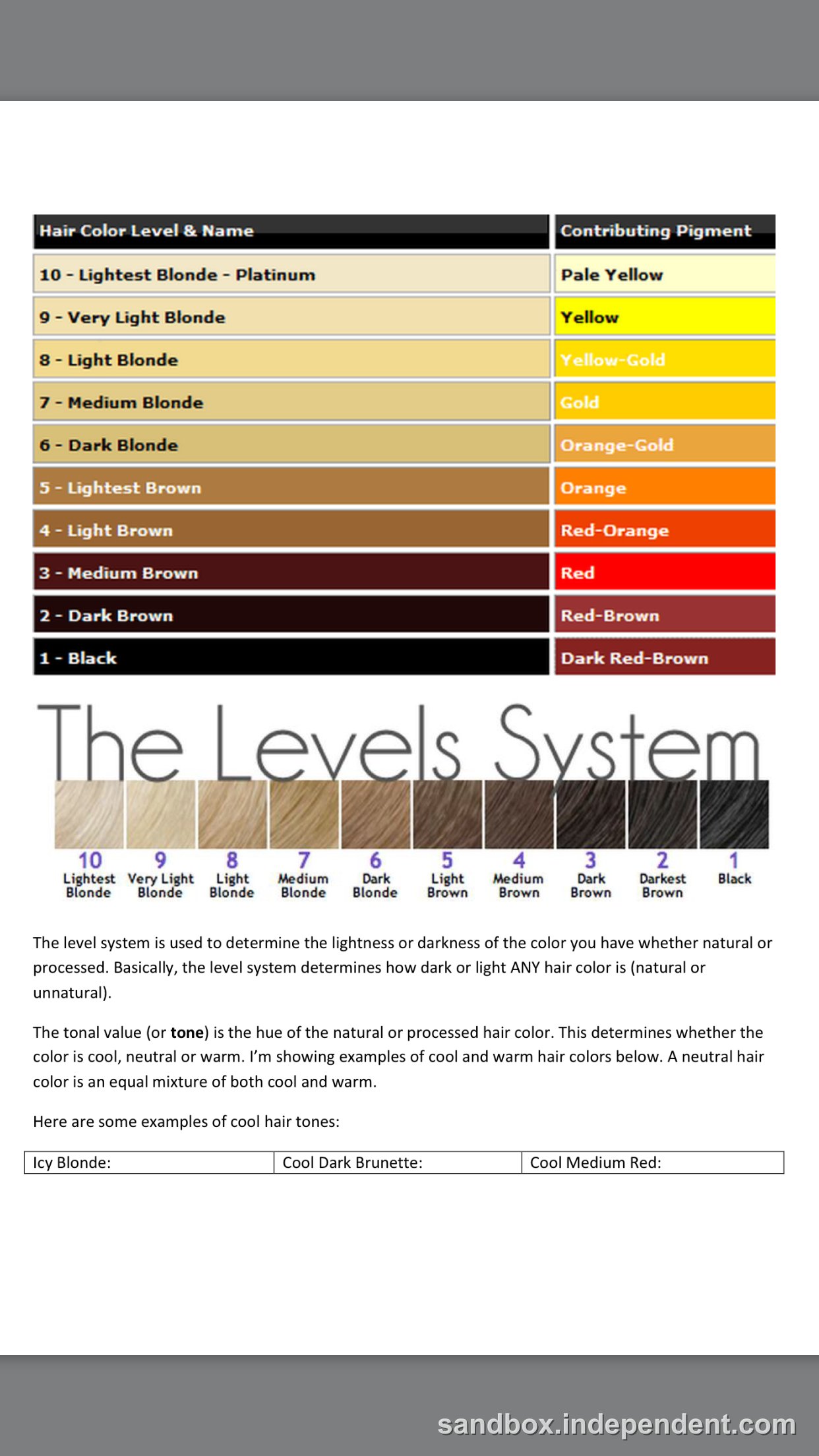
A hair color chart is a valuable tool for anyone seeking to explore the world of hair coloring, offering a visual guide to an array of shades and tones. This simple yet effective reference, often presented as a table or diagram, provides an easy way to navigate and understand the vast options available. In this guide, we'll uncover the key elements of the hair color chart, ensuring you can confidently interpret and utilize it for your hair coloring needs. Whether you're a professional stylist or a home enthusiast, a basic understanding of this chart is essential, as it can vary slightly between brands and regions.
Hair Color Chart: A Visual Guide to Hair Dye
Hair color charts are essential tools for anyone looking to achieve a specific hair color. These charts provide a visual representation of various hair shades, helping individuals choose and understand the desired color outcome.
Key Details and Categories
The hair color chart typically consists of a range of colors, often organized in a grid or palette format. Each color is assigned a unique code or number, indicating its position on the chart. These codes are essential for accurate communication when selecting and purchasing hair dye. The chart may also include additional information, such as tone, level, and intensity, to further describe the color.
Reading and Applying the Chart
To use the hair color chart effectively, follow these steps:
Identify the desired hair color by referring to the chart. Compare the existing hair color to the chart to determine the best match or desired change.
Note the color code or number associated with the chosen shade. This code is crucial for selecting the correct hair dye product.
When purchasing hair dye, check the product label for the color code. Ensure it matches the desired shade to avoid any surprises.
Follow the instructions provided with the hair dye for application. Pay attention to the recommended development time and any specific mixing instructions.
Test the color on a small strand of hair before full application. This step helps ensure the desired result and prevents any unwanted surprises.
Variations and Differences
It's important to note that hair color charts can vary depending on the standard or brand being used. Different manufacturers may have their own unique charts and color codes. Additionally, factors like lighting, hair porosity, and previous hair treatments can influence the final color outcome.
Lighting conditions can affect how the color appears, so consider testing the dye in natural light to get an accurate preview.
Hair porosity, which refers to the hair's ability to absorb moisture, can impact color absorption and intensity.
Previous hair treatments, such as bleaching or using certain shampoos, can also alter the way hair absorbs and displays color.
Common Mistakes and How to Avoid Them
One common mistake is relying solely on the hair color chart without considering individual hair characteristics. Always take into account your hair's natural color, texture, and any previous treatments. Another pitfall is neglecting to test the dye on a small section of hair before full application. This simple step can prevent unwanted color results.
Practical Tips for Accurate Results
To achieve accurate results, consider the following best practices:
Consult with a professional hairdresser or colorist, especially if you're new to hair dye or seeking a dramatic change. They can provide expert advice and ensure a safe, satisfactory outcome.
Understand the hair color levels and their impact on the final result. Levels refer to the lightness or darkness of a hair color, and choosing the right level is crucial for achieving the desired shade.
Be aware of the color wheel and how colors interact. Complementary colors can enhance each other, while contrasting colors may create a unique effect.
When mixing colors, start with a small amount and gradually add more to avoid over-saturation or unwanted results.
Remember, hair color charts are valuable guides, but they are not infallible. Always consider individual hair characteristics and consult professionals when needed.
Remember, while this guide provides a solid foundation, the specifics may differ slightly depending on the context and reference you're working with. It's always a good idea to double-check and adapt to your particular situation.
Feel free to explore our other guides for more practical tips and insights. We've got a range of topics covered, so you can find the information you need to navigate any project with confidence. Happy learning and experimenting!
Related: Whole House Remodeling Essential Guide
I just got home from work, and as I walk through my house, I can't help but think about how much I'd love to give it a whole new look. Whole house remodeling is on my mind, and I'm curious about the process and what it entails. It's an exciting prospect, but also a big undertaking, so I want to make sure I understand the ins and outs before diving in.
What Does Whole House Remodeling Mean?
Whole house remodeling is exactly what it sounds like: a complete transformation of your home. It's not just about updating one room or making small changes here and there. This type of project involves a major overhaul, where you can redesign and renovate every aspect of your living space. From the kitchen and bathrooms to the bedrooms and living areas, every room can get a fresh, modern look. It's a chance to create a home that truly reflects your style and meets your functional needs.
When considering whole house remodeling, it's important to think about the scope of the project. Do you want to change the layout and add new features, or is it more about updating the aesthetics and making everything look cohesive? The scale of your project will impact the cost and the length of time it takes to complete.
Finding the Right Contractor
One of the biggest decisions you'll make is choosing a contractor or building company. It's crucial to find someone who understands your vision and can bring it to life. Before hiring, ask for references and examples of their previous work. You want to ensure they have experience with projects similar to yours and that their style aligns with your own.
Get quotes from multiple contractors to compare prices and services. Make sure the quotes are detailed, outlining the work to be done, the materials to be used, and the estimated timeline. This will help you understand the costs and give you a sense of the contractor's organization and attention to detail.
Construction Jobs and Industry Tools
The construction industry offers a range of jobs, from general contractors and project managers to estimators and skilled tradespeople. Estimators, for example, use tools like RSMeans to calculate costs accurately. This data is essential for providing realistic quotes and managing projects effectively.
Large construction companies often have specialized teams and can take on more complex projects. They may have access to advanced tools and technologies, but that doesn't mean smaller companies can't deliver excellent results. It's all about finding the right fit for your whole house remodeling project.
Company Names and Branding
When starting a construction business, choosing a name is an important step. It should be memorable, reflect the nature of your work, and stand out in a crowded market. Some examples of unique and catchy names could be:
- BuildBright
- Crafted Spaces
- HomeRevamp
- Renova
- Constructo
Before finalizing a name, check its availability for domains and local business registration to avoid any legal issues.
Final Thoughts
Whole house remodeling is a significant investment, but it can transform your living space and enhance your daily life. It's an exciting process, and with the right planning and the help of a skilled contractor, you can achieve the home of your dreams. So, if you're thinking about taking on a whole house remodeling project, start by doing your research and getting those quotes!