





Cute Capybara Coloring Pages Overview
A plot anchor chart is a valuable tool for writers and storytellers, offering a visual roadmap to navigate the intricate journey of crafting a narrative. This guide will provide an overview of these charts, their purpose, and how they can enhance your understanding of story structure.
These charts serve as a reference, presenting the key elements of a plot in a clear and concise manner. While the specific format and content may vary, the plot anchor chart's primary goal remains consistent: to provide a snapshot of the narrative's journey, from its initial spark to its satisfying conclusion.
Plot Anchor Chart: A Visual Guide to Storytelling
The plot anchor chart is a valuable tool for writers and storytellers, offering a visual representation of the key elements that drive a narrative. This chart provides a structured overview, helping to identify and organize the essential components of a story's plot. By using this chart, writers can ensure their stories have a solid foundation and a clear direction.
Common Plot Structures and Their Variations
The plot anchor chart typically presents several common plot structures, such as the three-act structure, the hero's journey, and the five-act structure. Each structure has its own unique flow and emphasis, offering different approaches to storytelling. These structures provide a framework for writers to follow, but they can also be adapted and combined to create unique narratives.
Creating Engaging Narratives: A Step-by-Step Guide
- Start by identifying the main plot points: introduction, rising action, climax, falling action, and resolution. These points form the backbone of your story.
- Use the plot anchor chart to visualize and connect these plot points, ensuring a logical flow and building tension.
- Add depth to your narrative by incorporating subplots and character arcs. These elements enrich the story and provide opportunities for character development.
- Consider the pacing and intensity of your story. Adjust the placement and emphasis of plot points to create a balanced and engaging narrative.
- Review and refine your story structure, ensuring it aligns with your chosen plot structure and meets the expectations of your audience.
Avoiding Common Misreadings and Pitfalls
While the plot anchor chart is a powerful tool, it's important to remember that it is a guide, not a strict formula. Misinterpreting the chart can lead to stories that feel formulaic or lack originality. To avoid this, ensure you understand the underlying principles and use the chart as a flexible framework. Adapt it to your story's needs and don't be afraid to deviate from the standard structures if it serves your narrative better.
Factors Affecting Accuracy and Real-World Application
The accuracy of the plot anchor chart depends on several factors. Firstly, the chart's effectiveness varies depending on the complexity of the story and the writer's experience. More intricate stories may require a deeper understanding of narrative techniques. Additionally, the chart's applicability can differ based on the genre and target audience. What works for a thriller might not suit a romantic comedy. It's crucial to consider these factors and tailor your story's structure accordingly. Always refer to established narrative techniques and seek feedback to refine your story's structure and ensure its impact.
While the specifics of your plot anchor chart may differ slightly based on your unique needs and the standards or sources you follow, the key elements and steps outlined in this guide should provide a solid foundation. Remember, having a well-organized reference like this can make a world of difference in your work, ensuring clarity and consistency.
Feel free to bookmark this page for future reference, and explore our other guides for more practical tips and insights. We aim to provide straightforward, helpful resources, so you can always find the information you need, when you need it.
Related: House Remodel Contractors Essential Guide
I've got a bit of a project on my hands, and I'm thinking of hiring some house remodel contractors. I want to freshen up my place, but I've never done this before, so I'm not sure where to start. I've heard some horror stories about dodgy builders, so I want to make sure I get it right.
Understanding House Remodel Contractors
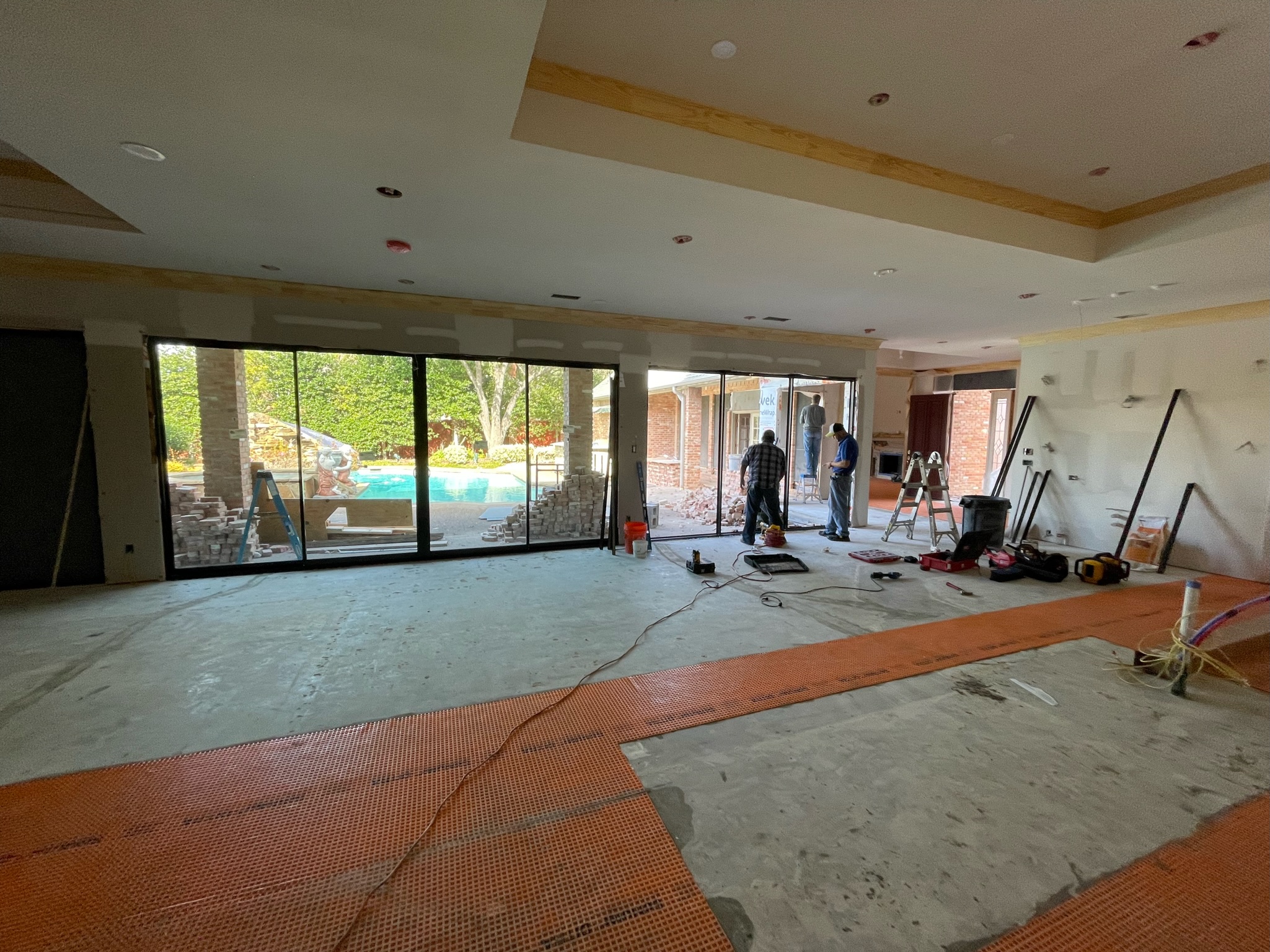
House remodel contractors are the professionals who can bring your home renovation dreams to life. They're the experts who handle everything from planning and design to construction and finishing touches. Whether you want to update your kitchen, add a new room, or give your entire home a makeover, these contractors are the go-to team.
They'll work with you to understand your vision, provide expert advice, and create a plan that fits your budget and timeline. It's a big decision, so it's important to choose the right contractor for your project.
Choosing the Right Contractor
When it comes to hiring a house remodel contractor, there are a few key things to consider. First, check their credentials and experience. Make sure they're licensed and insured, and ask for references from previous clients. You want to ensure they have a good track record and can deliver quality work.
Get detailed quotes from a few different contractors. Compare their proposals, but remember that the cheapest option isn't always the best. Look for a balance between price and the services offered. A good quote should include a clear breakdown of costs, a timeline, and a description of the work to be done.
Construction Company Names
Naming your construction business is an important step. It's your brand, and it needs to be memorable and professional. Avoid generic names and try to choose something unique that reflects your company's personality and services.
Here are a few original name ideas to get you started:
- Build-it-Right Construction
- HomeCrafters
- Renovate & Revive
- Constructive Solutions
- Hammer & Nail Co.
- The Building Blocks
Remember to check name availability and secure your domain and local business registration before you start promoting your business.
The Industry and Its Opportunities
The construction industry offers a range of job roles, from general contractors and estimators to specialized tradespeople. It's a hands-on field, and you'll often find job openings posted on dedicated construction job boards or general job sites.
As for salaries, they can vary widely depending on the role, experience, and location. Estimators, for example, play a crucial role in pricing projects accurately, and their skills are in demand.
Tools of the Trade
In the world of construction, tools like RSMeans can be a big help. It's a cost database that provides accurate estimates for construction projects, helping contractors and clients understand the financial side of renovations.
Tools like these are essential for planning and budgeting, especially when dealing with large-scale projects. They ensure that estimates are fair and accurate, which is a win-win for both contractors and clients.
The Size of the Business
The construction industry is diverse, with businesses of all sizes. Larger companies often have the resources to take on bigger projects and may offer a wider range of services. They might have specialized teams for different aspects of construction, from design to project management.
Smaller companies, on the other hand, can offer a more personalized service. They might be better suited to smaller-scale projects and can provide a closer working relationship with the client.
Final Thoughts
Hiring house remodel contractors is a big step, but with the right research and preparation, you can find the perfect team for your project. Remember, it's all about finding the right fit for your needs and budget. So, take your time, ask around, and you'll be on your way to a successful renovation.
Related: How to use a weight chart for yarn?
Many crafters, especially beginners, often overlook the importance of understanding weight chart yarn and how it can impact their projects. While it may seem like a simple reference, it's a crucial tool to ensure your knitting or crocheting turns out just right.
The weight chart provides a clear indication of yarn thickness, and while the values might vary slightly, it offers a consistent guide to help you choose the right yarn for your pattern. Think of it as a roadmap, guiding you to the perfect yarn weight for your next creation, be it a cozy scarf or a delicate lace shawl.
What is a Weight Chart for Yarn?
A weight chart for yarn is a valuable tool that helps knitters, crocheters, and other yarn crafters understand the thickness or "weight" of different yarn types. It's like a map that guides you through the world of yarn, ensuring you choose the right thickness for your project.
Key Details and Categories
The weight chart typically consists of categories or ranges that describe the thickness of the yarn. These categories are often represented by numbers or symbols, and they provide a standardized way to compare and choose yarns. For example, you might see categories like "Lace," "Fingering," "Sport," "Worsted," and "Bulky." Each category has a specific range of thicknesses, and the chart helps you visualize and understand these differences.
How to Read and Apply the Weight Chart
Reading a weight chart is straightforward. First, identify the category or range that best describes the thickness of your yarn. You can do this by referring to the label on the yarn ball or skein, which often includes the weight category. If you're not sure, you can also measure the thickness of the yarn with a gauge tool or by comparing it to known thicknesses. Once you've identified the category, you can use the chart to understand the yarn's characteristics and choose the appropriate needle or hook size for your project. For instance, if you're working with a worsted-weight yarn, you'll typically use a 4.5-5.5 mm needle or a 5.0-5.5 mm hook.
Variations and Differences
It's important to note that weight charts can vary depending on the standard being used. The most common standards are the Craft Yarn Council (CYC) Standard Yarn Weight System, which is widely used in the US, and the International Standard (metric system). These systems may have slightly different categories and ranges, so it's crucial to know which standard your chart is based on. Additionally, some yarn manufacturers may use their own proprietary systems, so always double-check the specific weight category and its range if you're unsure.
Common Mistakes and How to Avoid Them
One common mistake is assuming that all yarns within a category are exactly the same thickness. While the categories provide a useful guide, there can be variations within each range. Always check the specific gauge or thickness of your yarn, especially if you're substituting one brand or type for another. Another mistake is ignoring the recommended needle or hook size. Using the wrong size can result in a project that's too loose or too tight, affecting the overall look and feel of your work.
Practical Tips for Accurate Results
When choosing yarn, always refer to the weight chart and the specific weight category of your yarn. If you're working from a pattern, ensure the recommended yarn weight matches the weight of the yarn you've chosen. If you're substituting yarn, compare the thickness and weight category of your new yarn to the original yarn specified in the pattern. This ensures your project will turn out as intended. Additionally, always check the gauge or tension of your work early on in the project to ensure you're achieving the desired results. If your gauge is off, adjust your needle or hook size accordingly.
Hey there, I hope this guide has given you a clear understanding of weight chart yarn and its practical uses. Remember, while the basics remain the same, the exact details can differ slightly based on your specific needs and the standards you're working with.
Feel free to explore our other guides; we've got a range of topics covered to help you navigate the world of yarn and crafts with ease. Happy crafting!