






Cute Daily Planner Overview
A common misconception about the blonde hair chart is that it's solely for professionals; however, this handy tool is accessible and beneficial for anyone interested in hair coloring. The chart, a simple yet effective visual aid, offers a clear path to understanding and achieving desired blonde shades. It provides an organized system, often using a level system and tone guide, to navigate the world of blonde hair colors.
Understanding the Blonde Hair Chart
The blonde hair chart is a visual guide that helps you navigate the world of blonde hair colors. It provides a comprehensive overview of various blonde shades, their characteristics, and how they can be achieved. This chart is an essential tool for anyone looking to explore and experiment with blonde hair, whether you're a professional stylist or an individual seeking the perfect blonde.
Key Details and Categories
The blonde hair chart typically consists of a color wheel or a grid-like layout, with each section representing a specific blonde shade. These shades are categorized based on their level of lightness or darkness, often referred to as the "level system." The levels range from 1 to 10, with 1 being the darkest blonde and 10 being the lightest, almost white blonde. Additionally, the chart may include sub-categories to indicate the tone, such as ash, golden, or platinum. Each shade is further described using a combination of numbers and letters, providing a unique code for each color.
Reading and Applying the Blonde Hair Chart
To use the blonde hair chart, follow these steps:
- Identify your current hair color's level and tone. This will help you determine the starting point for your blonde journey.
- Choose your desired blonde shade from the chart. Consider the level and tone that appeal to you and match your personal style.
- Understand the required process. The chart may indicate if a simple tone change is enough or if you need a more extensive color transformation.
- Consult a professional. While the chart provides a guide, a qualified stylist can offer personalized advice and ensure a safe and successful hair color change.
- Maintain your blonde. Follow aftercare instructions and use specialized products to preserve the color and health of your hair.
Variations and Differences
It's important to note that blonde hair charts may vary depending on the standard or brand being used. Different manufacturers may have slightly different level systems or tone guides. Additionally, individual hair types and previous color treatments can affect the final result. Here are some key factors that can cause variations:
- Hair porosity: The ability of hair to absorb and retain moisture can impact color uptake.
- Natural hair color: Starting from a darker base may require multiple processes to achieve a light blonde.
- Previous color history: Hair that has been previously colored may react differently to new color applications.
- Environmental factors: Sun exposure and water quality can affect the longevity of blonde shades.
Remember, while the blonde hair chart is a valuable tool, it's always recommended to seek professional advice for the best results and to ensure the health of your hair.
Before you put this chart into action, remember to tailor it to your specific needs. While we've covered the basics, the exact values and categories may vary slightly between different sources and standards. So, take a moment to ensure you have the right references for your context.
Consider bookmarking this page for future reference. It's a handy tool to have at your fingertips, and with a quick refresh, you'll be ready to navigate the world of blonde hair tones with confidence!
Related: Understanding NHL Depth Charts
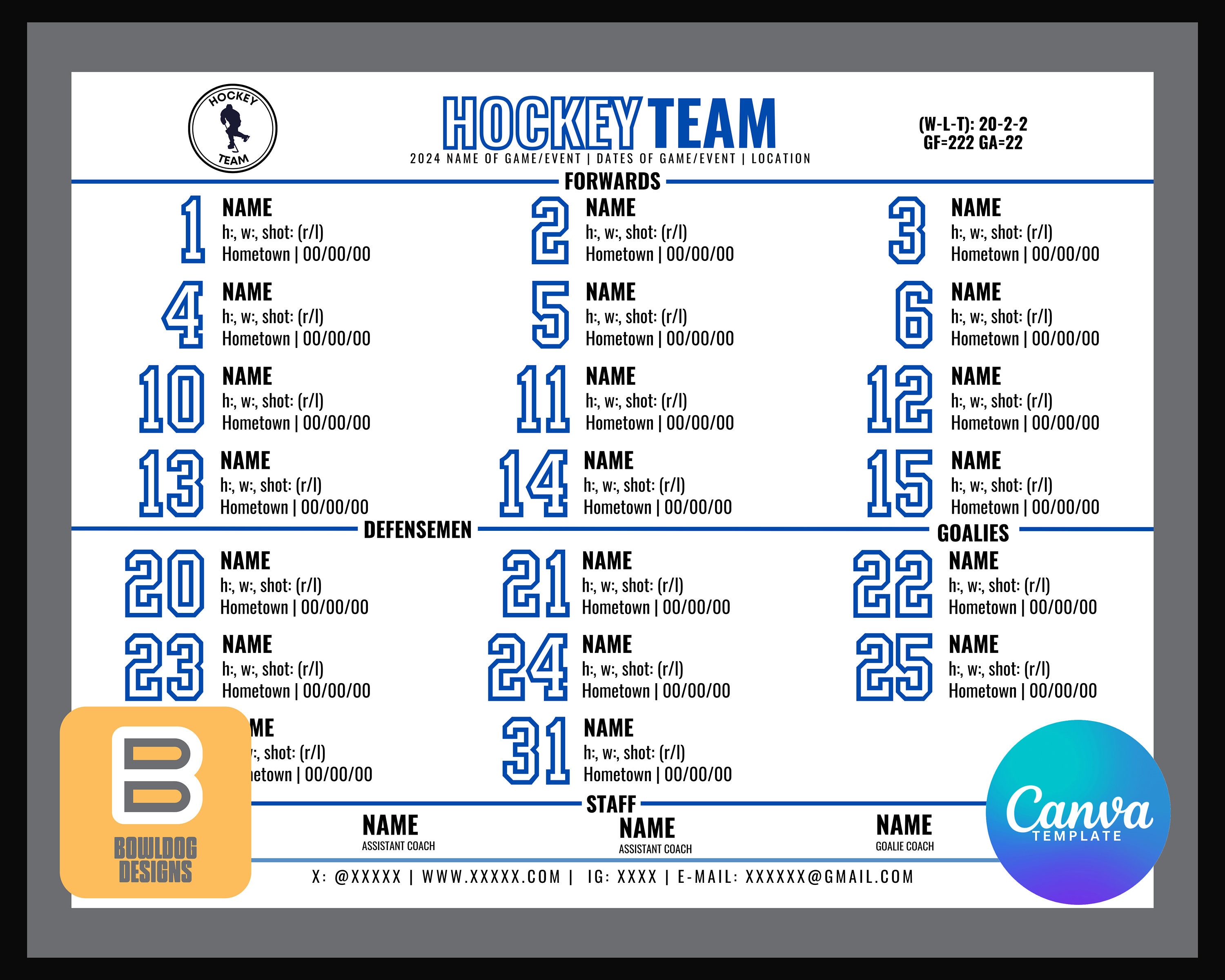
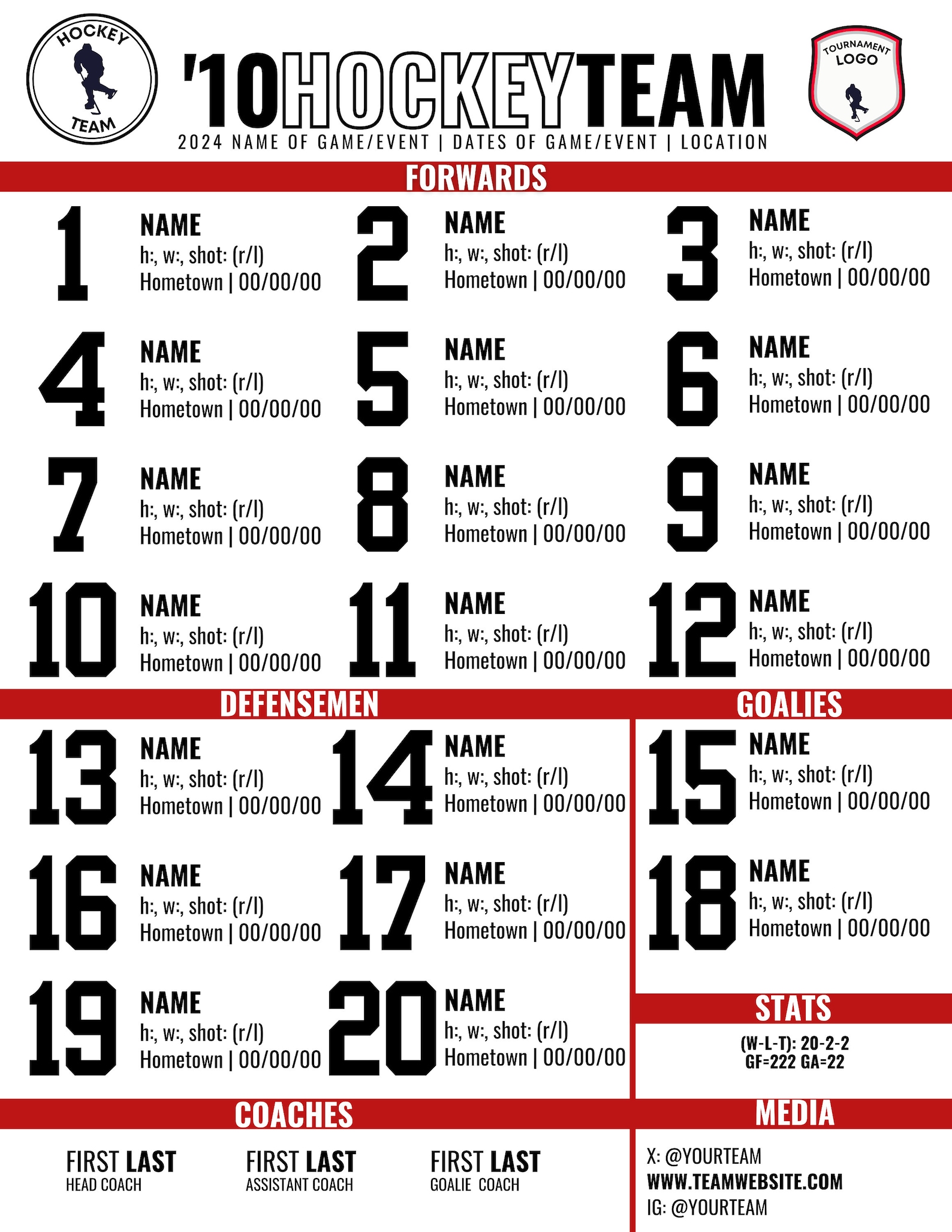
NHL depth charts are an essential tool for any hockey enthusiast or professional, offering a clear and concise visual representation of a team's lineup and player positions. This guide will navigate you through the world of NHL depth charts, covering their purpose, structure, and how to interpret them effectively. With these charts, you'll gain a deeper understanding of ice hockey formations and team strategies, whether you're a casual fan or a coach seeking an edge.
Understanding NHL Depth Charts: A Practical Guide
NHL depth charts are a crucial tool for ice hockey enthusiasts and analysts, offering a visual representation of a team's player lineup and strategy. These charts provide an insightful glimpse into the forward lines, defense pairings, and player positions that define a team's on-ice presence.
Comparing Chart Formats and Standards
NHL depth charts can vary in format and detail, but they typically follow a standard structure. The most common format presents a visual grid or table, with columns representing the different player positions and rows indicating the lines or pairings. Each cell displays the player's name and sometimes additional stats or roles.
Different leagues or regions may have slight variations in the categories or labels used, so it's essential to understand the specific standard being employed. For instance, the NHL roster might be divided into four forward lines and three defense pairings, while other leagues might opt for different configurations.
Reading and Interpreting NHL Depth Charts
To read an NHL depth chart accurately, follow these steps:
Identify the player positions: The chart should clearly label the positions, such as left wing, center, right wing, and defense.
Understand the lines and pairings: Pay attention to the rows or groups of players, indicating the forward lines or defense pairings. Each line or pairing works together as a unit on the ice.
Note the player names: The chart displays the names of the players in each position, often with their jersey numbers. This information helps identify the specific players and their roles.
Consider additional stats (optional): Some charts include extra columns for stats like goals, assists, or ice time. These can provide valuable insights into a player's performance and role within the team.
Common Misreadings and How to Avoid Them
One common pitfall is mistaking a player's position for their role within the lineup. For example, a center listed on the depth chart might not always play as the primary offensive threat; their role could be more defensive-minded, depending on the team's strategy.
To avoid such misreadings, consider the context and the team's overall strategy. Pay attention to any notes or explanations accompanying the depth chart, as they can provide valuable insights into the coach's intentions.
Factors Affecting Depth Chart Accuracy
Injury impact: Injuries can significantly influence a team's lineup, often leading to unexpected changes in the depth chart.
Opponent strategy: The depth chart may vary based on the opponent's playing style and strengths. A team might adjust their lineup to counter specific threats.
Player performance: Consistent underperformance or exceptional play by certain players can prompt coaches to shuffle the depth chart, ensuring the best players are utilized effectively.
Team tactics: Different coaches employ various strategies, which can lead to unique depth chart configurations. Some favor a more balanced approach, while others might load their top line with talent.
Adapting NHL Depth Charts for Specific Needs
While standard NHL depth charts offer a comprehensive overview, they might not suit every analysis or scenario. Here are some variations to consider:
Simplified charts: For a quick glance, a basic depth chart with just player names and positions can be sufficient.
Detailed charts: Analysts might prefer more intricate charts with additional stats, ice time, or special teams assignments.
Customized charts: Coaches and managers can create personalized depth charts, highlighting specific tactics or player roles relevant to their strategy.
Remember, the key is to choose a depth chart format that aligns with your specific needs and provides the most valuable insights for your analysis or decision-making process.
Depth charts are a valuable tool, offering a quick snapshot of the options and their unique strengths. Remember, the key is to find the format that suits your needs and context.
Take some time to review the specific requirements and consider any unique factors that might influence your choice. With a clear understanding, you can ensure the depth chart serves its purpose effectively.
Feel free to explore our other guides and resources; we have a range of practical topics to discover and learn from. Happy reading!
Related: Read the Swing Speed Chart: A Simple Guide
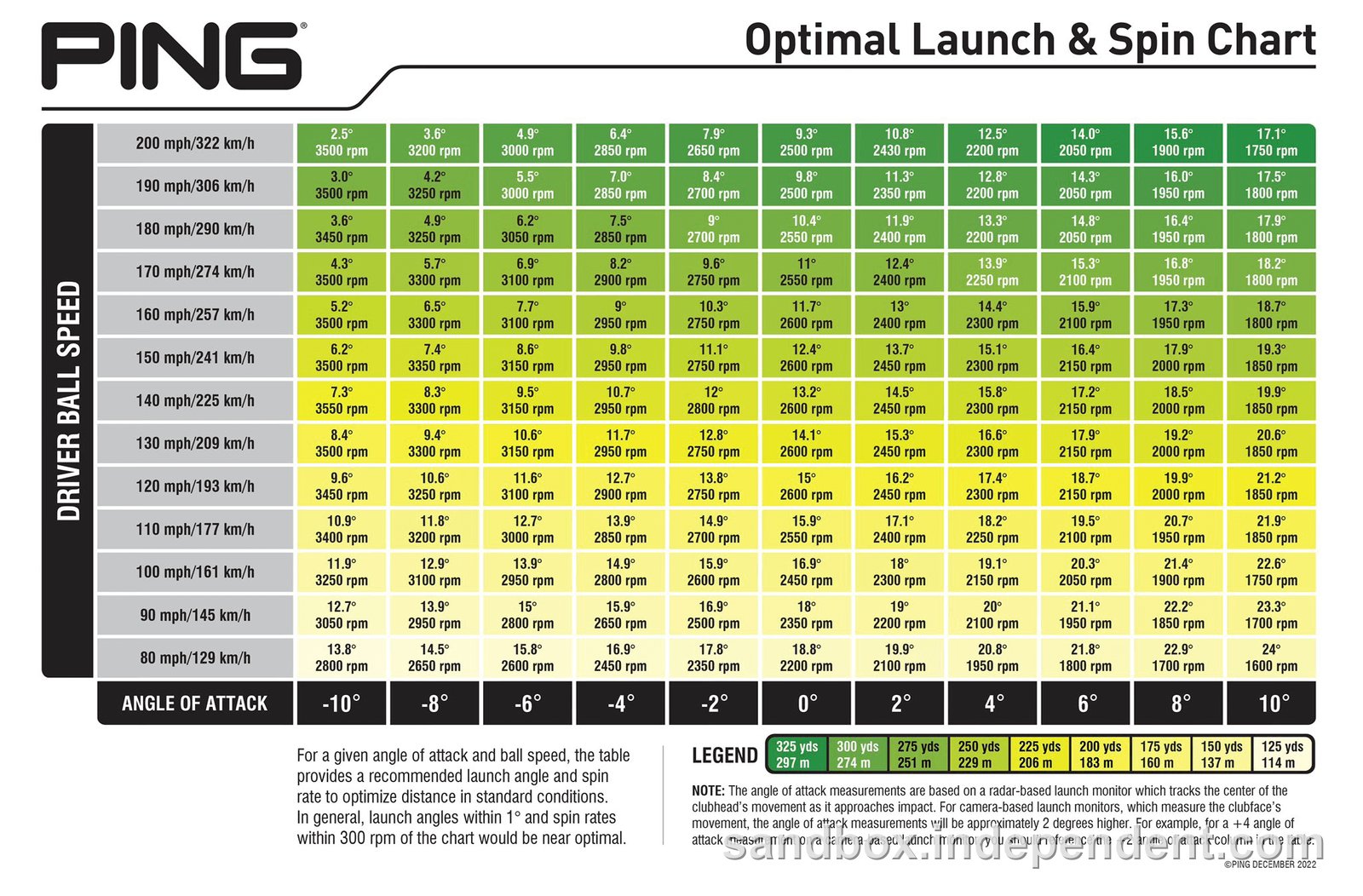
A swing speed chart is a handy tool for golfers and sports enthusiasts, offering a quick glimpse into the world of swing analysis. This guide will walk you through the basics, ensuring you can interpret these charts like a pro.
It's a simple yet effective way to understand swing dynamics, providing insights into club head speed and other key metrics. Whether you're a golfer looking to improve your game or a coach seeking accurate references, these charts can be tailored to various standards and regions.
What is a Swing Speed Chart?
A swing speed chart is a valuable tool for golfers and sports enthusiasts, offering a visual representation of club head speed during a swing. It provides insights into your swing dynamics, helping you understand your performance and potential areas for improvement.
Key Details and Categories
The chart typically displays club head speed in miles per hour (mph) or meters per second (m/s). It categorizes speeds into ranges, often with color-coded sections for easy interpretation. Common categories include slow, moderate, and fast swing speeds. The specific ranges may vary depending on the standard or manufacturer's guidelines, so it's essential to refer to the correct chart for your region or equipment.
How to Read and Apply the Swing Speed Chart
- Identify your club head speed: Use a swing speed calculator or a radar device to measure your swing speed accurately. This value will be your reference point.
- Locate your speed on the chart: Find the range that corresponds to your measured speed. Most charts will have a clear scale or legend to help you identify the right category.
- Interpret the results: The chart will provide insights into your swing's characteristics. For instance, a slow swing speed might indicate a need for more power, while a fast speed could suggest a focus on control and accuracy.
- Adjust your swing: Based on the chart's insights, you can make informed decisions about your swing technique. Consider practicing with different clubs or adjusting your swing dynamics to achieve your desired speed and performance.
Understanding Variations and Differences
Swing speed charts may vary based on the sport or activity. For example, a golf club speed chart will have different ranges and categories compared to a chart for tennis or baseball. Additionally, personal factors like age, gender, and physical attributes can influence swing speeds, leading to variations across individuals. It's essential to use charts specific to your sport and consider your unique characteristics when interpreting the results.
Common Mistakes and How to Avoid Them
- Using the wrong chart: Ensure you select a chart that aligns with your sport and the specific equipment you're using. Misinterpreting charts can lead to incorrect swing adjustments.
- Relying solely on the chart: While the swing speed chart is a valuable tool, it's just one piece of the puzzle. Consider other factors like technique, form, and practice habits to get a comprehensive understanding of your swing.
- Ignoring personal factors: Your age, fitness level, and individual goals can impact your swing speed. Tailor your interpretations and adjustments to your unique circumstances.
- Overlooking conversions: If your chart uses a different unit of measurement than your device, ensure you convert your swing speed accurately. Mistakes in conversion can lead to incorrect interpretations.
Well, there you have it! A swing speed chart is a handy tool to have in your golf bag, offering a quick reference to keep your game on track. Remember, these charts provide a general guide, so it's always wise to check the specific standards and sources relevant to your game.
Don't forget to explore our other golf guides and resources. We've got plenty of tips and tricks to help you improve your swing and overall performance. Happy golfing!