

Cute Dog Coloring Page Overview
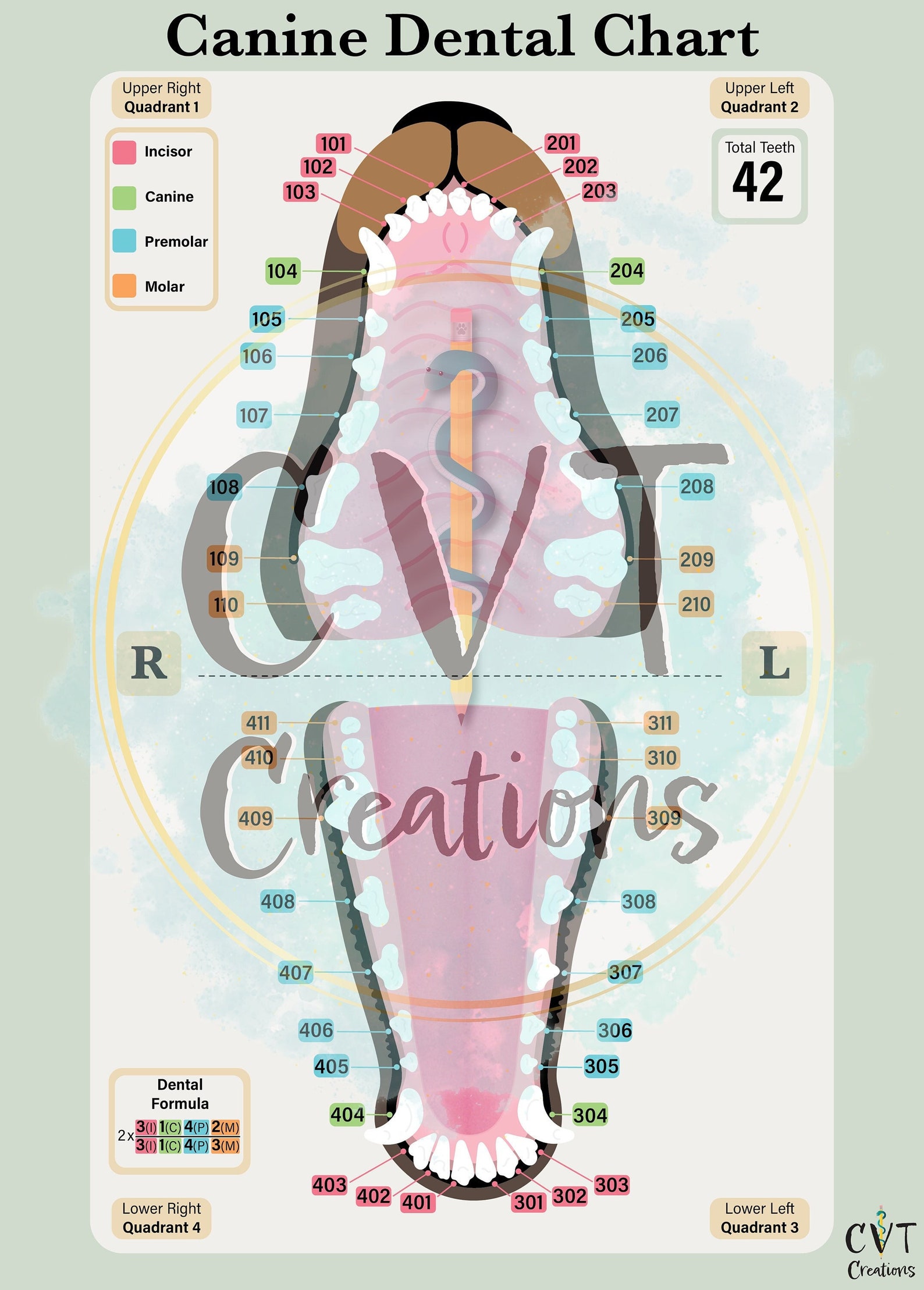
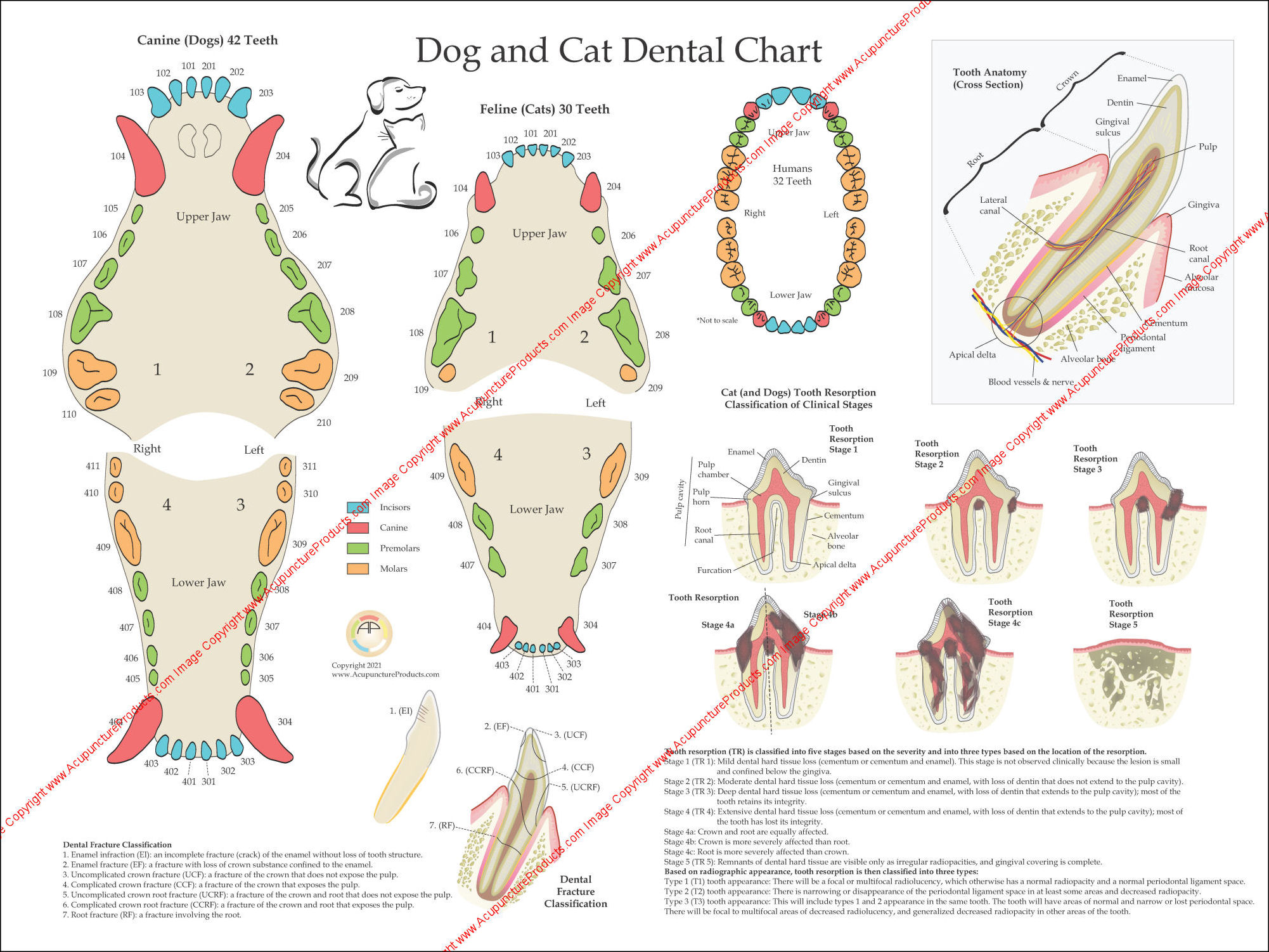
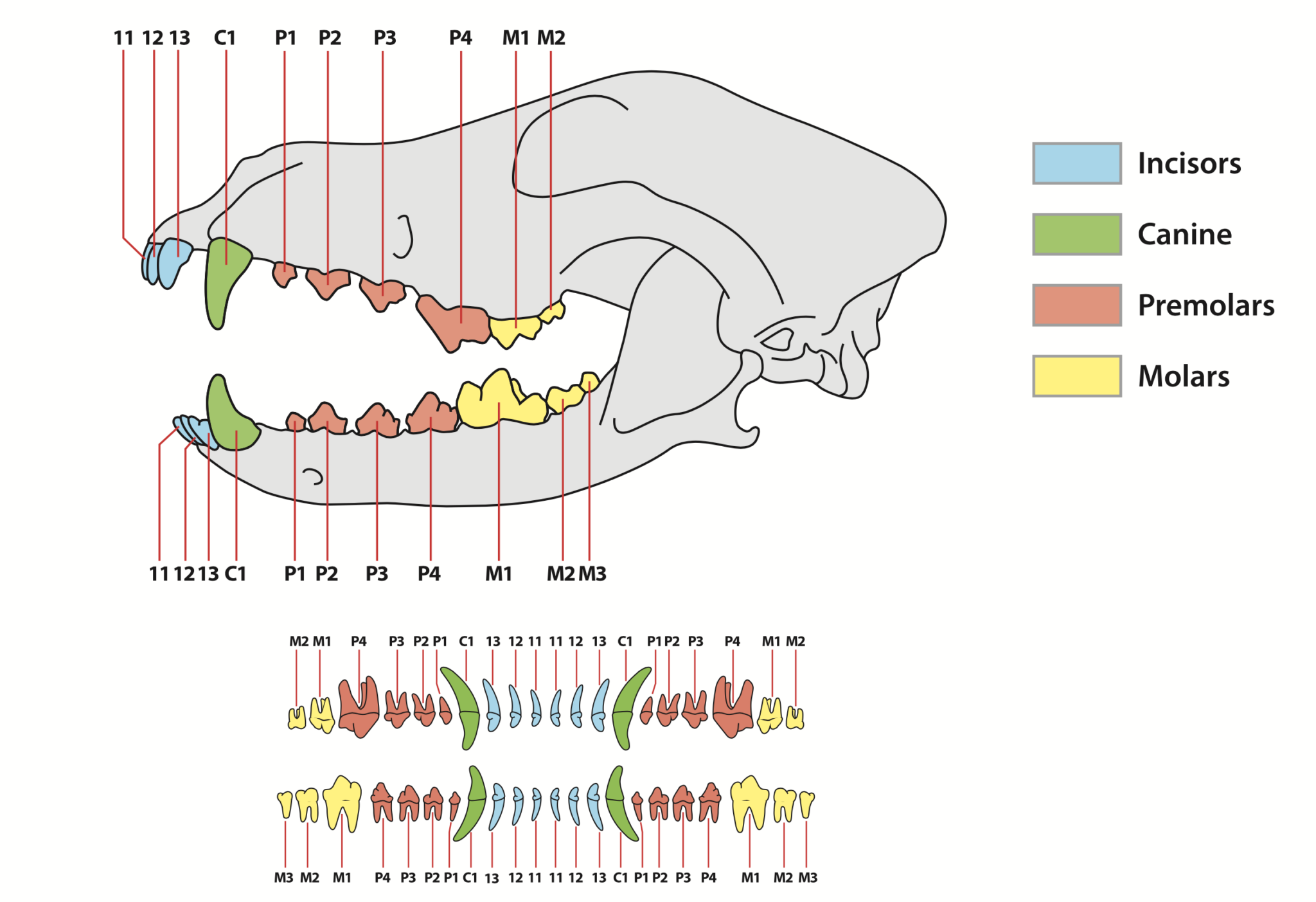
Many dog owners might assume that a dog teeth chart is a complex and intimidating tool, but it's actually a simple and incredibly useful resource. While it may seem like a foreign concept at first, this chart is a straightforward visual guide to understanding your dog's teeth. It's not as scary as it sounds! A dog teeth chart is a handy reference, offering a clear layout of your pup's dental structure, and it can vary slightly depending on the source.
Understanding the Dog Teeth Chart: A Practical Overview
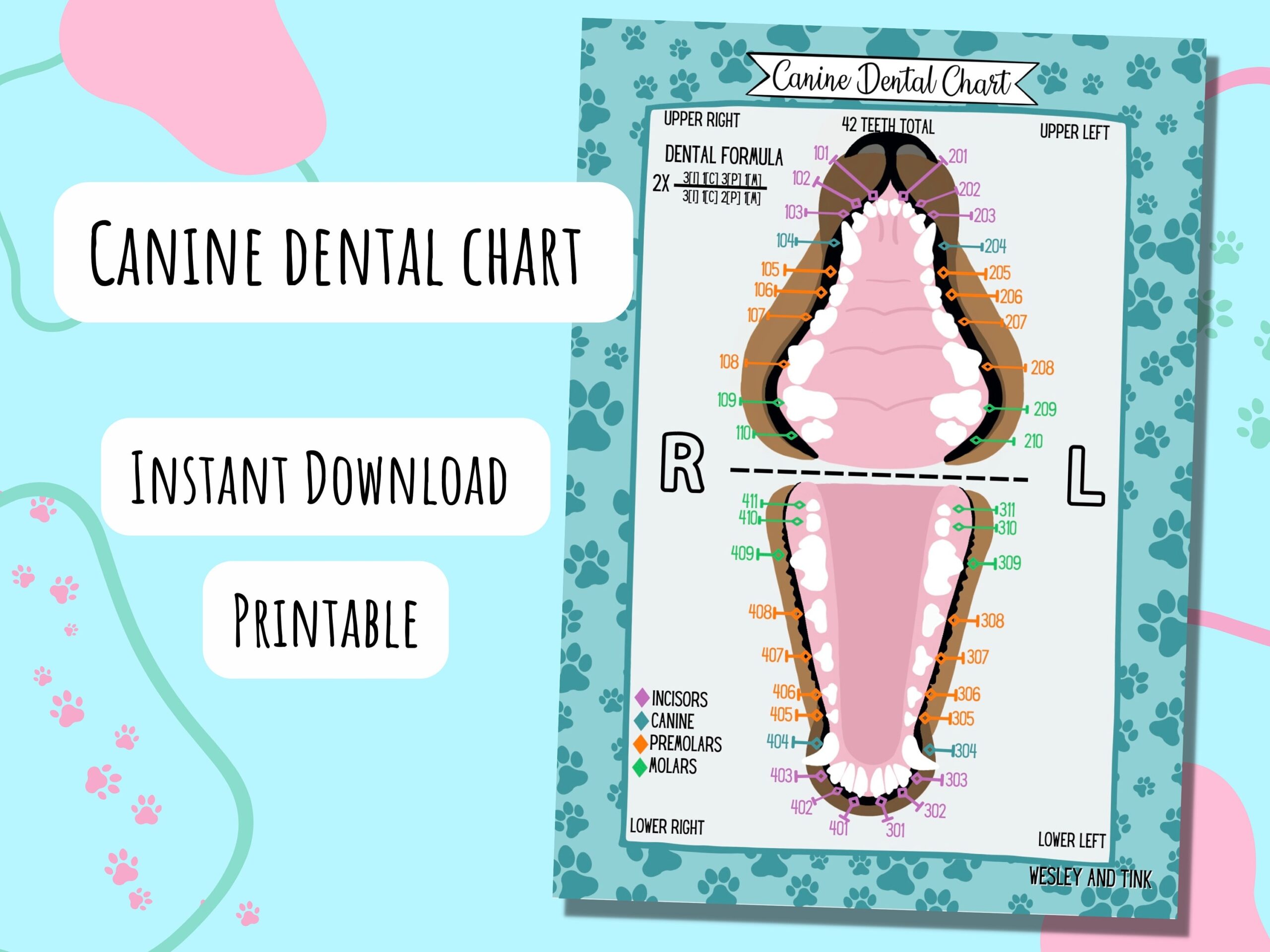
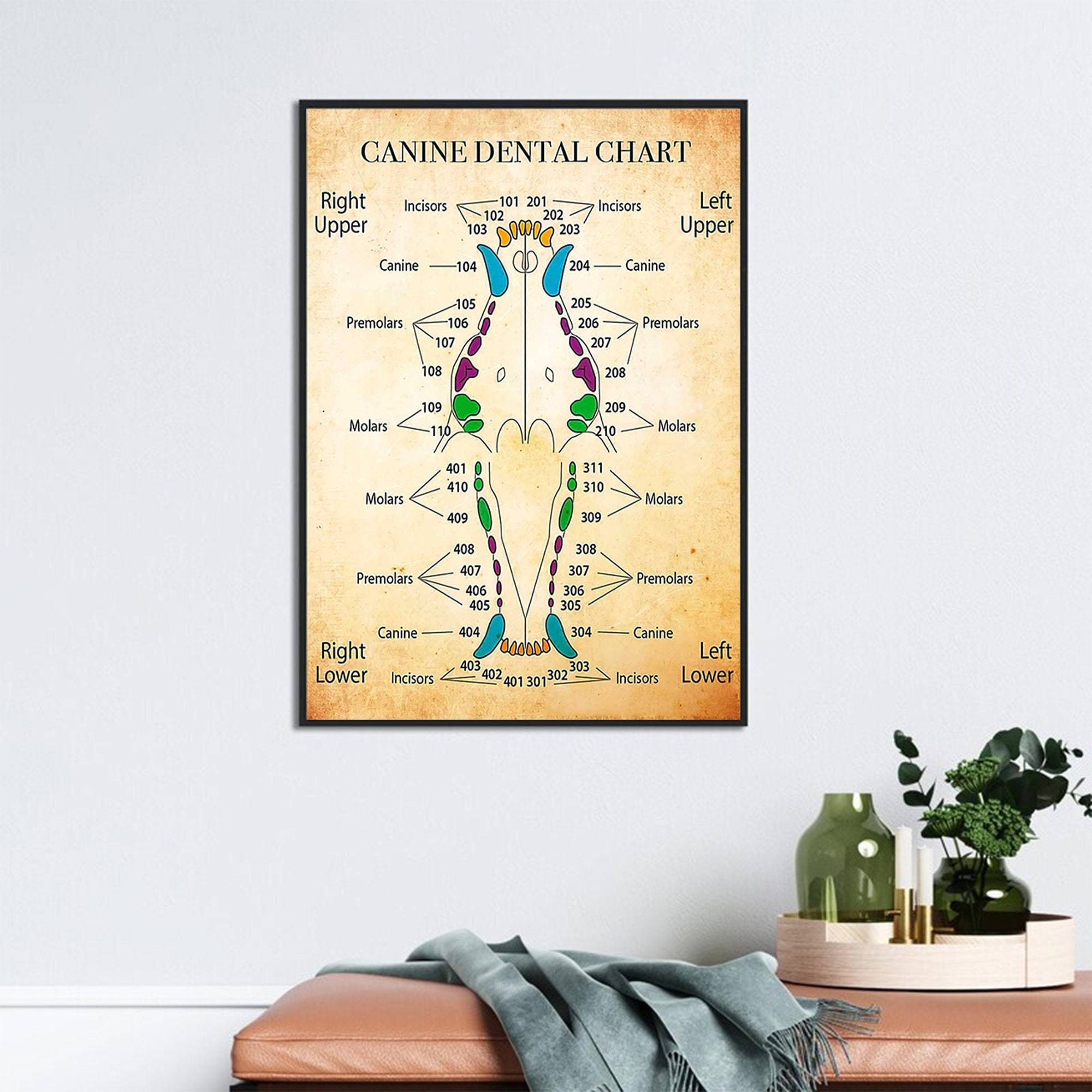
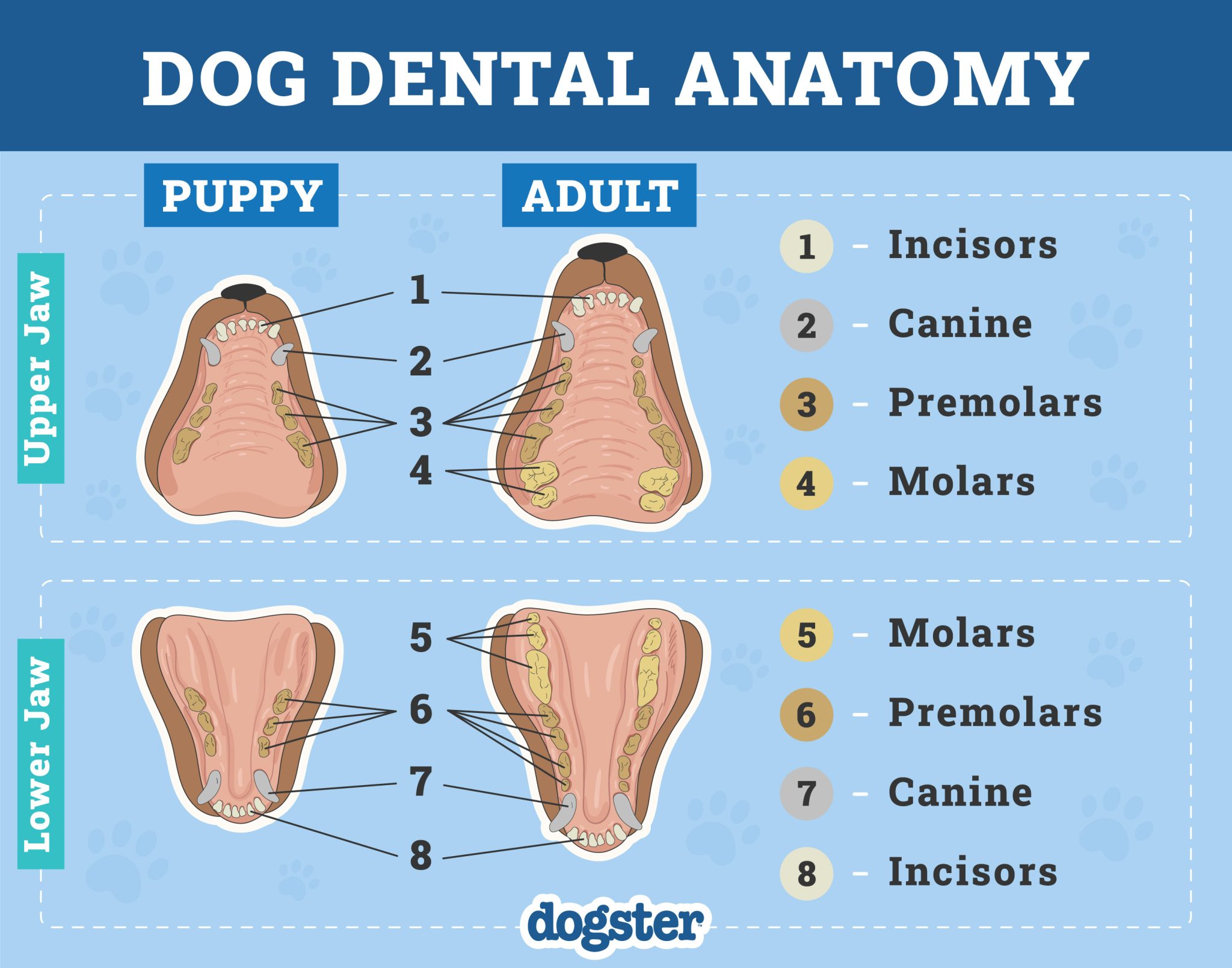
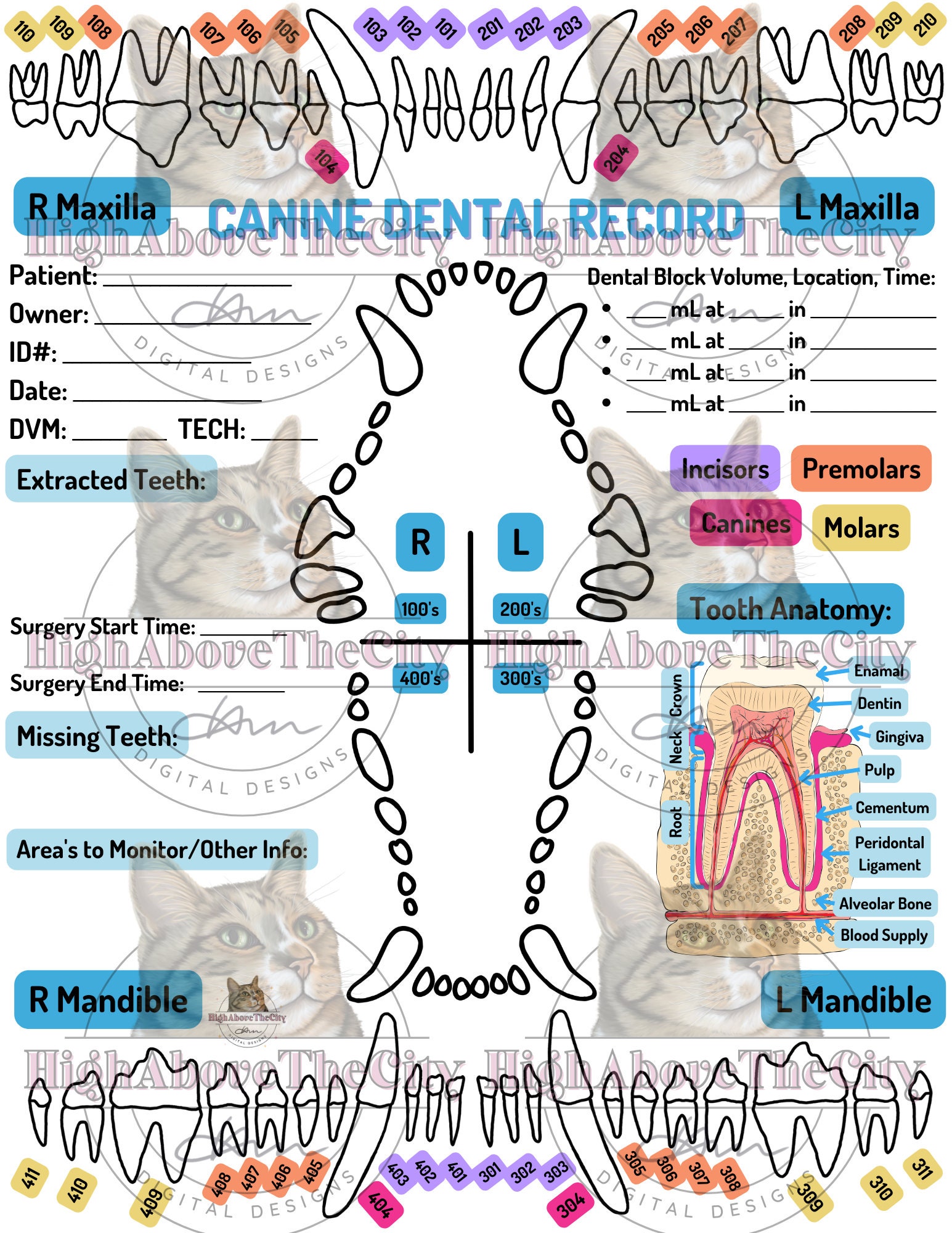
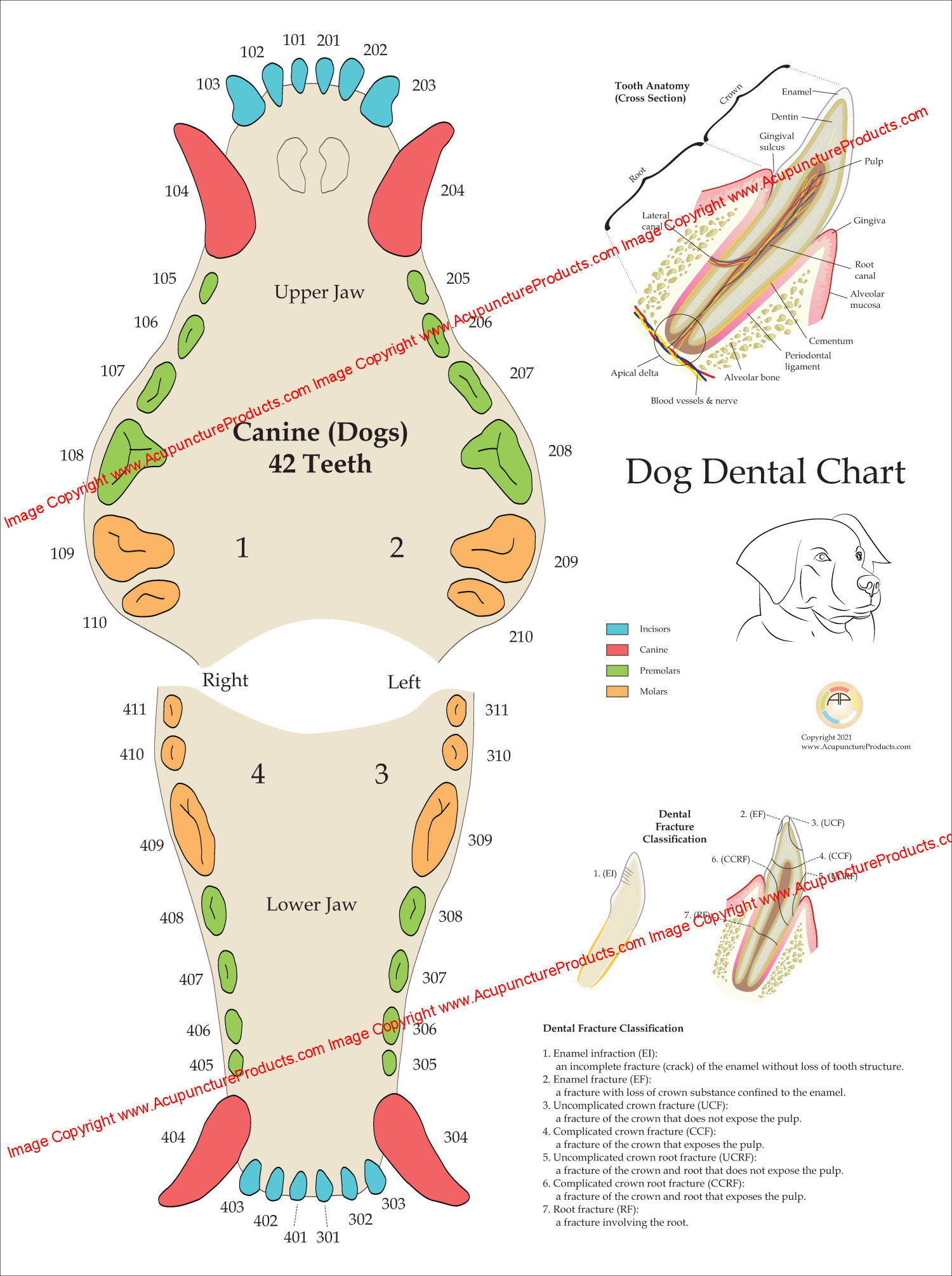
The dog teeth chart is a handy reference tool for dog owners and veterinary professionals. It provides a visual representation of a dog's dental anatomy, offering insights into tooth positions, types, and development. This chart is an essential guide for anyone looking to maintain their furry friend's oral health.
Comparing Chart Formats and Standards
Dog teeth charts come in various formats, but the most common ones follow either the international or US standard. These standards dictate the tooth numbering system, ensuring consistency across veterinary practices. The international standard uses a three-digit system, while the US standard employs a simpler two-digit approach. Both systems have their merits, and it's crucial to know which standard your chart follows to interpret it accurately.
Step-by-Step Guide to Reading the Chart
Reading a dog teeth chart is straightforward once you know the basics. Here's a simple guide:
- Identify the tooth type: The chart typically categorizes teeth into incisors, canines, premolars, and molars. Each tooth type has a unique shape and function.
- Locate the tooth position: The chart displays teeth in their correct positions within the dog's mouth. Understand the left and right sides and the upper and lower jaws.
- Read the tooth notation: Each tooth has a specific notation, following the chosen standard. For instance, the international standard might label an upper right incisor as "101," while the US standard would use "UR1."
- Interpret the tooth's development: The chart often includes information on tooth eruption, showing when permanent teeth replace milk teeth. This is vital for monitoring a dog's dental development.
Avoiding Common Misreadings
Misinterpreting a dog teeth chart can lead to incorrect dental care. Here are some common pitfalls:
- Mixing up left and right sides: Always double-check the chart's orientation to ensure you're treating the correct side.
- Confusing tooth types: Incisors, canines, and premolars can look similar. Pay attention to their unique characteristics and positions.
- Ignoring the standard: Different standards use different notations. Ensure you're familiar with the one your chart follows.
- Assuming universal applicability: While charts provide a general guide, some breeds may have unique dental characteristics. Always consult a veterinarian for breed-specific advice.
Factors Affecting Accuracy
Several factors can influence the accuracy of a dog teeth chart:
- Breed variations: Different dog breeds have distinct dental anatomies. For instance, a Chihuahua's teeth may be smaller and more delicate than a German Shepherd's.
- Age: A dog's dental development changes over time. Puppies have milk teeth, which are replaced by permanent ones as they grow.
- Dental anomalies: Some dogs may have extra or missing teeth, impacted teeth, or other dental abnormalities. These cases require specialized attention.
- Standard variations: As mentioned, different standards exist. Always confirm the standard your chart follows to avoid confusion.
Choosing the Right Chart for Your Needs
When selecting a dog teeth chart, consider your specific requirements:
- Breed-specific charts: If you own a unique breed, opt for a chart tailored to that breed's dental characteristics.
- Age-appropriate charts: For puppies or senior dogs, choose charts designed for their specific dental stages.
- Specialized charts: Some charts focus on specific dental issues, like tooth extraction or orthodontic treatment. Select one relevant to your dog's needs.
- Digital vs. physical charts: Digital charts offer convenience, while physical charts provide a tangible reference. Choose based on your preference and accessibility.
Maintaining Reliable References
To ensure the accuracy and reliability of your dog teeth chart setup:
- Regularly update your chart: Dental science evolves, and new research may impact tooth identification and care. Stay informed and update your chart as needed.
- Consult professionals: Veterinarians and dental specialists are valuable resources. Seek their advice to ensure you're using the most appropriate and up-to-date charts.
- Double-check measurements: When in doubt, verify tooth measurements and positions with a trusted source. Accuracy is crucial for effective dental care.
- Keep a record: Maintain a log of your dog's dental history, including any anomalies or treatments. This record will help you track progress and identify potential issues.
Hey there, dog lovers! We hope this guide has given you a clear understanding of dog teeth charts and how to use them effectively. Remember, while we've covered the basics, the specifics can differ slightly, so always double-check your sources.
Feel free to bookmark this page for future reference; it's always handy to have a quick reminder when you need it. And don't forget to explore our other guides for more practical tips and tricks! We've got you covered.
Related: Demystifying the Dental Chart Dog: A Simple Guide
A dental chart dog is a handy tool for anyone dealing with canine dental health. It's a simple yet effective visual guide, offering a quick reference to understand a dog's teeth. This guide will walk you through the basics, covering what these charts reveal and how to interpret them accurately.
You'll find these charts useful for identifying teeth, understanding their development, and even getting insights into common dental issues. While the specifics may vary slightly depending on the source, the core information remains consistent, providing a reliable framework for dog owners and professionals alike.
What is a Dental Chart Dog?
A dental chart dog is a reference tool used by veterinarians and dog owners to understand and identify a dog's teeth. It provides a visual representation, often in the form of a diagram or table, that helps locate and name each tooth in a dog's mouth. This chart is an essential guide for anyone involved in canine dental care, offering a quick and easy way to identify teeth and their positions.
Key Details and Categories
The dental chart dog typically displays a comprehensive layout of a dog's dentition, including both permanent and deciduous (baby) teeth. It often follows a standard tooth notation system, which uses specific symbols or letters to represent different teeth. For instance, 'I' might represent incisors, 'C' for canines, and 'PM' for premolars. Additionally, the chart may include information on the tooth's position in the mouth, its side (left or right), and sometimes even its specific quadrant. It's important to note that while there are international standards, slight variations in notation and layout may exist between different veterinary organizations or regions.
How to Read and Apply the Chart
Reading a dental chart dog is straightforward:
- Identify the tooth symbol or notation on the chart. For example, 'I' for incisors.
- Locate the corresponding tooth in your dog's mouth based on the chart's visual guide or written description.
- Note any issues or abnormalities, such as missing, damaged, or misaligned teeth, and compare them to the standard layout on the chart.
- Record the findings for future reference or to share with your veterinarian.
Variations and Differences
Variations in dental chart dog standards can occur due to several factors. Different veterinary associations or regions may have their own specific tooth notation systems and layouts. Additionally, the chart's design might vary depending on the breed of dog it is intended for, as tooth structure and positioning can differ between breeds. For instance, a chart designed for a small breed like a Chihuahua might have a different layout compared to one for a large breed like a Great Dane. It's crucial to ensure you are using the correct chart for your dog's breed and that you understand the specific notation system it employs.
Common Mistakes and How to Avoid Them
One common mistake is using the wrong dental chart dog for your dog's breed, which can lead to incorrect tooth identification. Always ensure you have the appropriate chart for your dog's breed and that you understand the specific notation system it uses. Another pitfall is failing to account for individual variations within a breed. While charts provide a standard layout, individual dogs may have slightly different tooth positions or structures. Regular dental check-ups with a veterinarian can help identify and address any abnormalities. Finally, remember that dental chart dogs are tools for identification and reference. They should not replace professional veterinary advice or treatment. If you notice any dental issues, consult a veterinarian for proper diagnosis and care.
Well, there you have it! A handy dental chart dog guide to keep things simple and clear. Remember, when it comes to these charts, it's important to ensure you're using the right one for your specific needs. Exact values and details can vary, so always double-check the relevant standards or guidelines for your context.
Consider bookmarking this page for future reference. It's a quick and easy way to ensure you have the right info at your fingertips when you need it most. Happy charting!
Related: How to Read a Dog Dental Chart?
You're here because you need a quick guide to understanding dog dental charts and their purpose. Maybe you're a dog owner wanting to learn more about your pet's oral health, or perhaps you're a professional seeking a reliable reference.
These charts are a handy tool, offering a visual representation of a dog's teeth, often with additional details like tooth names, positions, and even growth patterns. While the exact format and content can vary, they provide an accessible way to learn about canine dentition, a fascinating and important aspect of dog health.
Understanding the Dog Dental Chart
The dog dental chart is a handy tool for dog owners and vets, providing a visual guide to a dog's teeth. It offers a simple way to identify and understand the different teeth, their positions, and any potential issues. This chart is a great reference for oral care and can help you keep your furry friend's teeth healthy.
Key Details and Categories
The canine dentition chart typically follows a standard tooth numbering system. This system assigns numbers or letters to each tooth, making it easy to refer to specific teeth. The chart usually covers all the teeth in a dog's mouth, from the tiny incisors at the front to the powerful molars at the back. It might also include a dental formula, which is a simple way to represent the number and type of teeth a dog has.
How to Read and Use the Chart
Reading the dog dental chart is straightforward. Each tooth is labeled with a unique identifier, often a number or a combination of letters and numbers. For example, the upper right canine tooth might be labeled "URC" or "404." The chart might also indicate the tooth's position, size, and any special features. To use the chart, simply match the tooth you want to identify with its corresponding label. You can then refer to the chart's key or legend to learn more about that specific tooth. It's a quick way to check for any abnormalities or to plan dental procedures.
Variations and Differences
While the dog dental chart provides a standard reference, there can be variations across different standards and contexts. For instance, the tooth numbering system may differ between regions or even among vets. Additionally, dog teeth diagrams might not account for all the unique dental anatomy of every breed. Some dogs, especially those with brachycephalic (short-nosed) skulls, may have variations in tooth placement or even missing teeth. It's important to be aware of these potential differences and to consult with a vet for precise information about your dog's specific dental measurements and needs.
Remember, while this dog dental chart is a handy reference, it's always best to consult with your vet for specific guidance tailored to your pup's needs. Exact values can vary, so it's a good idea to double-check and ensure you have the right information for your context.
Consider bookmarking this page for future reference. It's a simple yet effective tool to have on hand, and you never know when you might need a quick reminder about dog dental health!