





Cute Easter Coloring Pages Overview
You've landed on this page, perhaps with a specific task in mind or a quick reference need. The ir verb chart is a handy tool, a concise visual guide, that can save you time and effort when navigating Spanish verb conjugations. It offers a structured overview, allowing you to find and understand verb forms efficiently, covering present, past, and future tenses. While the chart's layout and details may vary, its purpose remains consistent: to provide a reliable reference for regular verbs in Spanish.
Understanding the Ir Verb Chart: A Quick Overview
The ir verb chart is an invaluable tool for Spanish language learners, offering a comprehensive visual guide to the conjugation of regular verbs ending in 'ir'. It serves as a reference, providing a clear layout of verb forms across different tenses and persons. This chart is an essential resource for mastering Spanish grammar and ensuring accurate verb usage in various contexts.
Comparing Conjugation Patterns: Regular Verbs vs. Irregulars
While the ir verb chart focuses on regular verbs, it's important to note the existence of irregular verbs, which do not follow standard conjugation patterns. These verbs require separate memorization and are not represented on the chart. Regular verbs, on the other hand, adhere to consistent rules, making the ir verb chart a reliable guide for most verb forms.
Step-by-Step Guide: Using the Ir Verb Chart
To utilize the ir verb chart effectively, follow these steps:
- Identify the verb tense you wish to conjugate. The chart typically covers present, past, and future tenses, each with its section.
- Locate the verb ending you need to conjugate. For instance, if you want to conjugate 'mirar' (to look), find the 'ar' ending section.
- Within the chosen section, find the specific person (e.g., yo, tú, él/ella, nosotros/as) you wish to conjugate for.
- Read across to the appropriate tense column to find the conjugated form. For example, 'yo miro' (I look) in the present tense.
- Repeat this process for other tenses and persons as needed.
Avoiding Common Pitfalls: Misreading and Mistakes
One common mistake is misreading the chart, especially when unfamiliar with Spanish verb endings. Ensure you understand the verb ending and its corresponding section. Another pitfall is assuming all verbs follow the regular pattern. Always double-check for irregular verbs, especially common ones like 'ser' (to be) or 'ir' (to go).
Factors Affecting Accuracy: Regional Variations and Tenses
The accuracy of the ir verb chart can be influenced by regional variations in Spanish. While the chart provides a standard guide, some verbs may have slight differences in certain Spanish-speaking countries. Additionally, the chart primarily covers regular verbs, so it's essential to be aware of irregular verbs and their unique conjugations.
Choosing the Right Format: Adapting to Your Needs
There are various formats of the ir verb chart available, catering to different learning styles and preferences. Some charts are more detailed, covering all tenses and persons, while others focus on specific tenses or provide a simplified layout. Choose the format that best suits your learning goals and level of Spanish proficiency.
Maintaining Reliability: Keeping Your Reference Up-to-Date
To ensure the reliability of your ir verb chart, it's crucial to regularly update your reference materials. Spanish language resources, including verb charts, may evolve and improve over time. Stay informed about any updates or new editions of the chart to access the most accurate and comprehensive guide for your Spanish conjugation needs.
Well, that's a wrap on our exploration of the IR verb chart and its practical applications. We've covered a lot of ground, from understanding the chart's purpose to mastering its use and avoiding common pitfalls. Remember, the key to success lies in adapting the chart to your specific needs and keeping your reference materials up-to-date.
Before you go, it's worth emphasizing the importance of considering your unique context. Exact values and formats may vary, so double-check the standards and sources relevant to your situation. With that in mind, I hope this guide proves invaluable the next time you need a quick reference. Feel free to bookmark this page for future use!
Related: Public Listed Construction Company Essential Guide
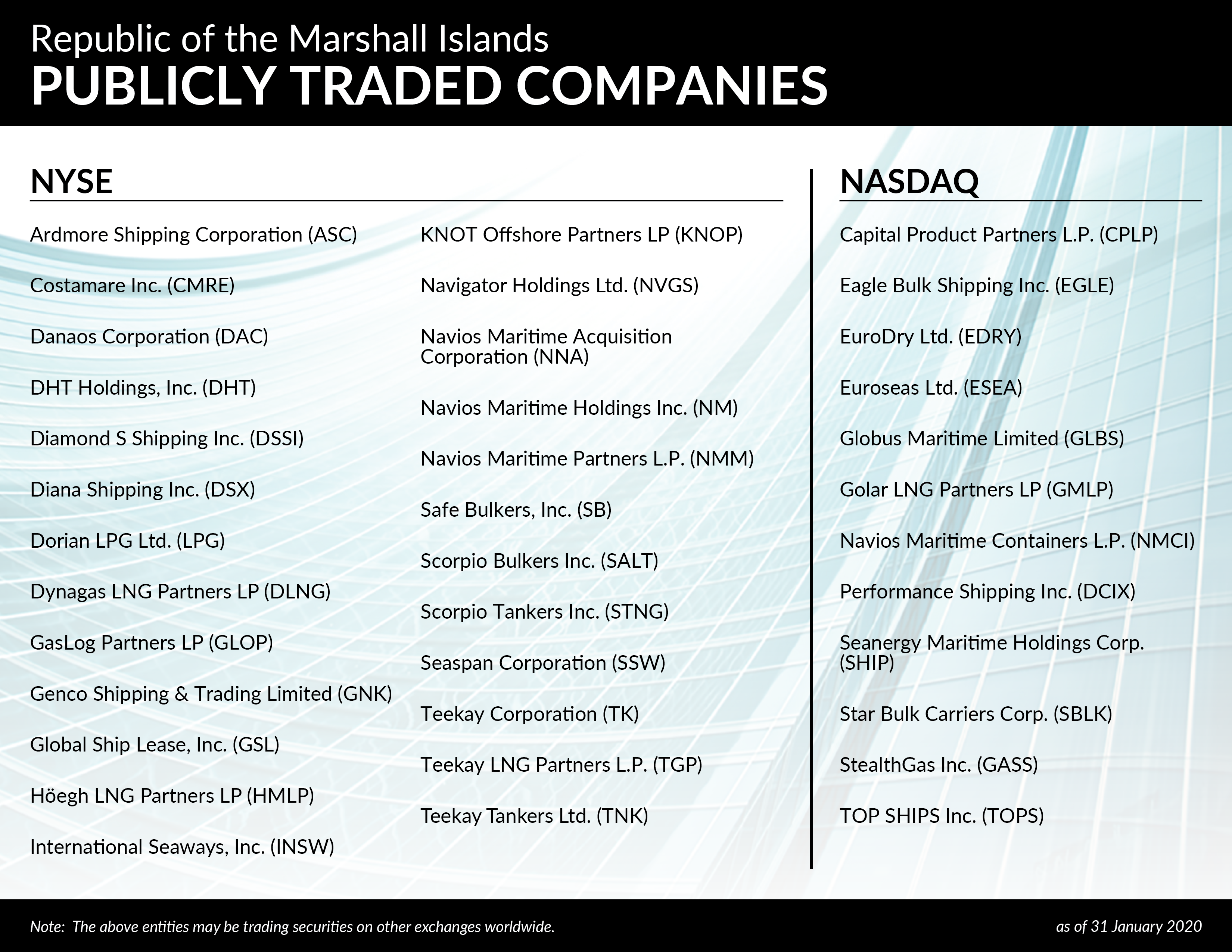
I was walking past a busy construction site the other day, and it got me thinking about public listed construction companies. Who are these firms, and what do they do? Well, let's find out!
Understanding Public Listed Construction Companies
A public listed construction company is a business that builds and renovates structures, from homes to commercial buildings, and everything in between. These companies are often large-scale operations, with the resources to take on major projects. They might construct new buildings from the ground up or handle complex renovations and additions. The key here is that these companies are publicly listed, which means their shares are traded on a stock exchange and anyone can invest in them.
So, why does this matter? Well, for one, it means these companies are usually well-established and financially stable. They have the backing of investors and the public market, which can be a good sign of their long-term viability. This stability is important when you're considering hiring a contractor for a big project. You want to know they'll be around to honor their warranty and provide ongoing support.
Hiring a Contractor: What to Look For
When you're in the market for a contractor, whether it's for a home renovation or a new build, there are a few key things to consider. First, check their licensing and insurance. Make sure they're properly registered and insured for the work they do. This protects you in case of accidents or issues down the line. Next, ask for references and check their online reviews. Seeing what past clients have to say can give you a good idea of the company's reliability and quality of work.
It's also important to get multiple quotes. Prices can vary widely, and you want to make sure you're getting a fair deal. Compare apples to apples though; make sure the scope of work is the same across all quotes. And don't forget to ask about the timeline. A good contractor will give you a realistic estimate of how long the project will take, and they should be able to explain any potential delays.
Naming Your Construction Business
If you're in the construction business or thinking of starting one, you'll need a great name. A catchy, memorable name can help you stand out and make a good first impression. But what makes a good name? It should be unique, easy to remember, and reflect your business's personality or services. Avoid names that are too generic or could be confused with other businesses.
Here are a few original name ideas:
- BuildCraft
- Renova Solutions
- StructureWorks
- HomeRevamp
- ConstructoPros
- BuildTech
Remember to check the availability of these names and secure the relevant domains and local registrations before you finalize your choice.
The Construction Industry: A Quick Overview
The construction industry is a vast and diverse field, with roles ranging from general contractors to specialized tradespeople. Estimators, for example, play a crucial role in calculating costs and providing accurate quotes. Then there are project managers, who oversee the entire operation, ensuring it stays on track and within budget. These jobs can be found through various channels, including online job boards, industry-specific websites, and even word-of-mouth recommendations.
Data and Tools: RSMeans and More
In the construction world, tools like RSMeans are essential. RSMeans provides cost data and estimating tools, helping contractors and companies accurately price their work. It's a valuable resource for staying competitive and ensuring projects are financially viable. Similarly, cost databases and indexes are used to track and predict construction costs, helping businesses plan and budget effectively.
Large vs. Small Construction Firms
The construction industry is diverse, with a range of company sizes. Large firms often have the resources to take on big, complex projects and may have a national or even international presence. They can offer a wide range of services and have the manpower to handle multiple projects simultaneously. On the other hand, smaller firms might specialize in a particular area, like home renovations, and offer a more personalized service. They might be better suited to local projects and have a strong understanding of the specific market and its needs.
So, there you have it! A quick dive into the world of public listed construction companies. Whether you're looking to hire a contractor or just curious about the industry, I hope this gives you a better understanding of what these companies do and how they operate.
Related: How to Read the Hilo Tide Chart
A Hilo tide chart is a handy tool for anyone wanting to plan their coastal adventures or understand the ocean's rhythm. This guide will walk you through the basics, ensuring you can read and use these charts with confidence.
The charts provide a snapshot of tide times and heights for a specific location, like Hilo, Hawaii. You'll find these resources invaluable for planning activities like surfing, fishing, or even just a beach stroll, as they offer a quick reference to the Pacific Ocean's tides.
Understanding Hilo Tide Charts
A Hilo tide chart is a valuable tool for anyone interested in exploring the beautiful Hawaiian island of Hilo. It provides a visual representation of the daily tide cycles, offering insights into the rise and fall of the ocean's waters. By understanding this chart, you can plan your beach days, water activities, and even fishing trips with ease.
Key Details and Categories
The Hilo tide chart typically displays two main categories: tide heights and times. Tide heights are represented in feet and indicate how high or low the tide will be at a specific moment. You'll see values like 0 feet (low tide) or 6 feet (high tide). The times are given in 24-hour format, showing the exact hour and minute when the tide reaches its peak or lowest point.
Reading Tide Graphs Step-by-Step
To read a Hilo tide chart, follow these simple steps:
Identify the date and time range covered by the chart. This information is usually displayed at the top or bottom of the graph.
Locate the vertical axis, which represents tide heights in feet. The higher the value, the higher the tide.
Find the horizontal axis, showing the 24-hour time scale. Each hour is marked, making it easy to identify specific times.
Look for the tide's high and low points, indicated by peaks and troughs on the graph. These represent the highest and lowest tide heights during the period covered by the chart.
Note the times corresponding to these high and low points. This information is crucial for planning activities that depend on specific tide conditions.
Common Tide Patterns and Variations
Tide patterns can vary depending on several factors. While the Hilo tide chart provides a general guide, certain natural phenomena can cause deviations:
Moon Phases: The moon's gravitational pull significantly influences tides. During full and new moon phases, tides tend to be more extreme, resulting in higher high tides and lower low tides.
Weather Conditions: Storms and strong winds can impact tide levels. High winds may push water towards the shore, causing higher tides, while calm weather might result in more moderate tides.
Seasonal Changes: Tides can also vary with the seasons. In some regions, winter tides might be higher due to increased rainfall and runoff, while summer tides might be lower due to drier conditions.
Avoiding Common Mistakes
To ensure accurate readings from your Hilo tide chart, avoid these common mistakes:
Time Zone Confusion: Always ensure you're using the correct time zone when referring to the chart. Hilo operates on Hawaii-Aleutian Standard Time (HST), so double-check your device's settings to avoid any confusion.
Failing to Account for Weather: While the chart provides a general guide, it's essential to consider current weather conditions. Strong winds or storms can cause unexpected changes in tide levels.
Neglecting Moon Phases: Don't forget the influence of the moon. During full or new moon phases, tides can be more extreme, so plan your activities accordingly.
Practical Tide Tips for Accurate Results
For the most accurate use of your Hilo tide chart, consider these practical tips:
Check Multiple Sources: While the chart is a reliable guide, cross-referencing with other tide resources or apps can provide additional insights and confirm the accuracy of the data.
Consider Tidal Currents: Tides not only affect water levels but also create strong currents. Be mindful of these currents, especially when swimming or boating, as they can be unpredictable.
Plan Ahead: When organizing activities that depend on specific tide conditions, plan well in advance. This allows you to account for potential variations and ensure a successful outing.
Remember, the Hilo tide chart is a valuable tool, but it's always wise to stay informed about current conditions and potential variations. Enjoy your time exploring the beautiful shores of Hilo!
Hey there! We've covered a lot of ground with the Hilo tide chart, and I hope it's given you a clear understanding of this practical tool. Remember, while the basics remain the same, exact details can differ slightly, so it's always good to double-check and adapt to your specific needs.
Feel free to explore other guides on similar topics; there's always more to discover and learn. And don't forget to bookmark this page for future reference—it's a handy resource to have at your fingertips!