





Cute Moana Coloring Pages Overview
A thread size chart is a handy tool for anyone working with screws, bolts, and fasteners. It's a simple yet effective way to ensure you're using the right size and type of thread for your project. This guide will cover the basics of reading and using these charts, so you can tackle any fastening task with confidence.
You'll find charts for both metric and imperial thread sizes, and they often include details like thread pitch and bolt sizes. While the values may vary depending on the standard and region, these charts provide a reliable reference point to get you started.
Understanding Thread Dimensions: A Quick Overview
The thread size chart is your practical guide to understanding the various dimensions and specifications of threads, a crucial component in fasteners like bolts and screws. This chart simplifies the process of identifying and selecting the right thread size for your project, ensuring a perfect fit and secure connection.
Comparing Common Thread Types and Standards
There are two main standards for thread sizes: metric and imperial. The metric thread size chart uses millimeters for measurements, while the imperial chart relies on inches. Both charts provide essential information, including thread diameter, pitch (the distance between threads), and sometimes even the thread's length.
Reading the Chart: A Step-by-Step Guide
Here's a simple process to read and utilize a thread size chart:
Identify the Standard: Determine whether you need a metric or imperial thread size chart. This choice depends on the region and the specific project requirements.
Locate the Diameter: Find the column or row that represents the thread's diameter. This value is typically given in millimeters (mm) for metric threads and inches for imperial threads.
Check the Pitch: Once you've identified the diameter, locate the corresponding pitch value. The pitch is often given as a number followed by the symbol "TPI" (threads per inch) for imperial threads, or simply "mm" for metric threads.
Consider Additional Factors: Some charts may provide extra details, such as thread length or specific thread types (e.g., coarse or fine threads). These additional factors can influence your choice, especially for specialized applications.
Common Misreadings and How to Avoid Them
One common mistake is confusing the thread diameter with the bolt or screw's overall diameter. Remember, the thread size chart focuses on the thread's dimensions, not the entire fastener. Another pitfall is assuming that all threads of the same diameter have the same pitch. Always double-check the pitch, especially when working with different thread types or standards.
Factors Affecting Accuracy and Real-World Use
Several factors can impact the accuracy and applicability of a thread size chart. Firstly, always refer to the specific standard being used, as thread sizes can vary slightly between different regions and industries. Additionally, the chart may not cover every possible thread size or type, so it's essential to cross-reference with manufacturer specifications for precise information, especially for specialized or custom threads.
Hey there! I hope this thread size chart has been a helpful resource for you. Remember, while the basics are covered here, there can be slight variations in measurements and standards, so it's always good to double-check the specific details for your project.
Feel free to explore our other guides and resources; we've got a range of practical topics to keep you informed and inspired. Happy crafting!
Related: A Beginner's Guide to Understanding the ND Depth Chart
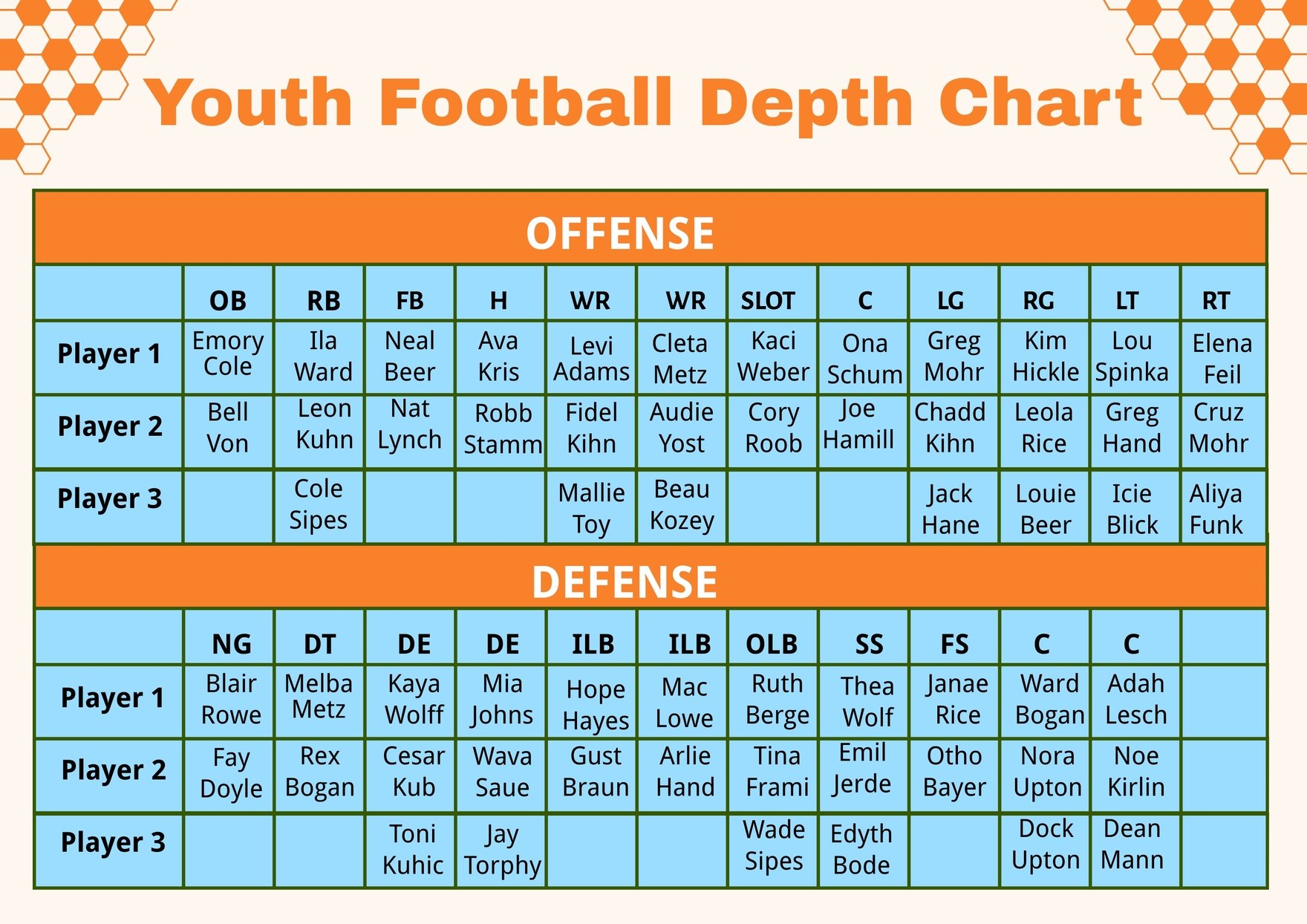
Many sports enthusiasts may overlook the importance of a bold nd depth chart, assuming it's merely a list of names. However, this chart is a strategic tool, offering a unique glimpse into a team's dynamics and potential. It's not just about the starting lineup; the nd depth chart reveals the depth and versatility of a team's roster, providing insights that can impact game strategies and player development.
Understanding the nd Depth Chart: A Comprehensive Guide
The nd depth chart is a valuable tool used in various fields, providing a visual representation of hierarchical relationships and resource allocation. It offers a clear snapshot of the structure and depth within a system, whether it's a sports team, an organizational chart, or a technical diagram. This guide will help you navigate and utilize the nd depth chart effectively.
Key Details and Categories
The nd depth chart typically consists of multiple columns and rows, with each column representing a specific category or resource. Common categories include positions, roles, or skill sets. The rows, on the other hand, indicate the depth or level of each category, often progressing from primary or essential elements to secondary or backup options. The chart's design may vary depending on the standard or context, but the core structure remains consistent.
Reading and Applying the nd Depth Chart
- Start by identifying the chart's categories and their respective columns. These categories provide the framework for understanding the chart's content.
- Move on to the rows, which represent the depth or hierarchy. Each row typically corresponds to a specific level or tier within the system.
- Read across the rows to understand the distribution and allocation of resources. For example, in a sports depth chart, the top row might represent the starting lineup, with subsequent rows indicating substitutes or reserves.
- Pay attention to any color-coding or symbols used. These visual cues often provide additional information or indicate special considerations.
- Use the nd depth chart as a reference to make informed decisions. It can guide strategic planning, resource allocation, and understanding the system's capabilities and limitations.
Variations and Differences
While the nd depth chart follows a standard structure, variations may occur due to different standards, industries, or specific use cases. For instance, a sports depth chart may vary depending on the sport and its unique positions. Additionally, regional differences might influence the chart's design, especially when comparing metric and imperial systems. It's essential to be aware of these variations and refer to the appropriate standard or guidelines for your specific context.
Common Mistakes and How to Avoid Them
One common mistake is assuming that the nd depth chart provides a comprehensive overview without any exceptions. While it offers a valuable snapshot, it may not account for all variables or unique circumstances. To avoid this pitfall, always double-check the exact specifications, especially when dealing with critical or safety-related systems. Another mistake is overlooking the chart's context. Remember to consider the industry, region, and specific use case to ensure accurate interpretation. By being mindful of these potential pitfalls, you can utilize the nd depth chart effectively and make informed decisions.
Hey there, reader! We've covered a lot of ground with this depth chart guide, and I hope it's given you a clear understanding of the concept and its practical applications. Remember, while the fundamentals remain consistent, the exact details can vary slightly across different contexts and standards.
Feel free to explore other guides on our site to deepen your knowledge and gain insights into related topics. We've got a whole library of resources to help you navigate and master various concepts and tools. Happy learning!
Related: Understanding the Tattoo Size Chart
You're here, searching for a tattoo size chart, probably to get a clear idea of what you want and how to communicate it effectively to your artist. It's a smart move, as these charts are a great way to visualize and understand tattoo sizes, especially when you're planning your next ink adventure. While the exact values may vary depending on the artist or region, the tattoo size chart provides a reliable starting point, offering a simple guide to standard tattoo dimensions.
Understanding the Tattoo Size Chart
The tattoo size chart is your go-to guide for figuring out the dimensions of different tattoo designs. It's like a roadmap, helping you navigate the world of tattoo sizes and understand what each measurement means. This chart is a handy tool, especially when you're planning your next tattoo and need to visualize how big or small it will be on your body.
Comparing Chart Formats and Standards
There are a few different ways to present a tattoo size chart, and the format can vary depending on the source. Some charts use a simple table with columns for size categories and corresponding measurements, while others might display a range of designs with their dimensions noted. The units of measurement can also differ; you'll often find charts using either imperial (inches) or metric (centimeters) systems. It's essential to know which standard is being used to ensure accurate readings.
Practical Size Suggestions and Measuring Tips
Using a tattoo size chart is straightforward, but there are a few steps to ensure you're getting the most accurate information. First, identify the category or design you're interested in. Then, locate the corresponding measurement. If the chart uses a range, you can decide on a specific size within that range based on your preferences. Remember, these charts often provide a general guide, so it's a good idea to discuss your desired size with your tattoo artist, who can offer expert advice and ensure the design fits perfectly on your body.
Common Misreadings and How to Avoid Them
It's easy to misinterpret a tattoo size chart, especially if you're not familiar with the standard being used. Always double-check the units of measurement to ensure you're reading the chart correctly. For instance, if you're used to thinking in inches but the chart uses centimeters, your interpretation of the size could be off. Additionally, some charts might not provide exact measurements but rather a range. In these cases, it's best to consult with a professional to get a precise idea of the tattoo's dimensions.
Hey there, we hope this tattoo size chart guide has given you a clear and simple overview of your options. Remember, the exact details may differ slightly, so always double-check your sources and measurements.
This is a handy reference to keep bookmarked for future ink adventures! Whether you're a tattoo enthusiast or just curious about the process, we've got more guides to explore. So, feel free to dive into our other content and keep learning.