







Cute Squishmallow Coloring Pages Overview
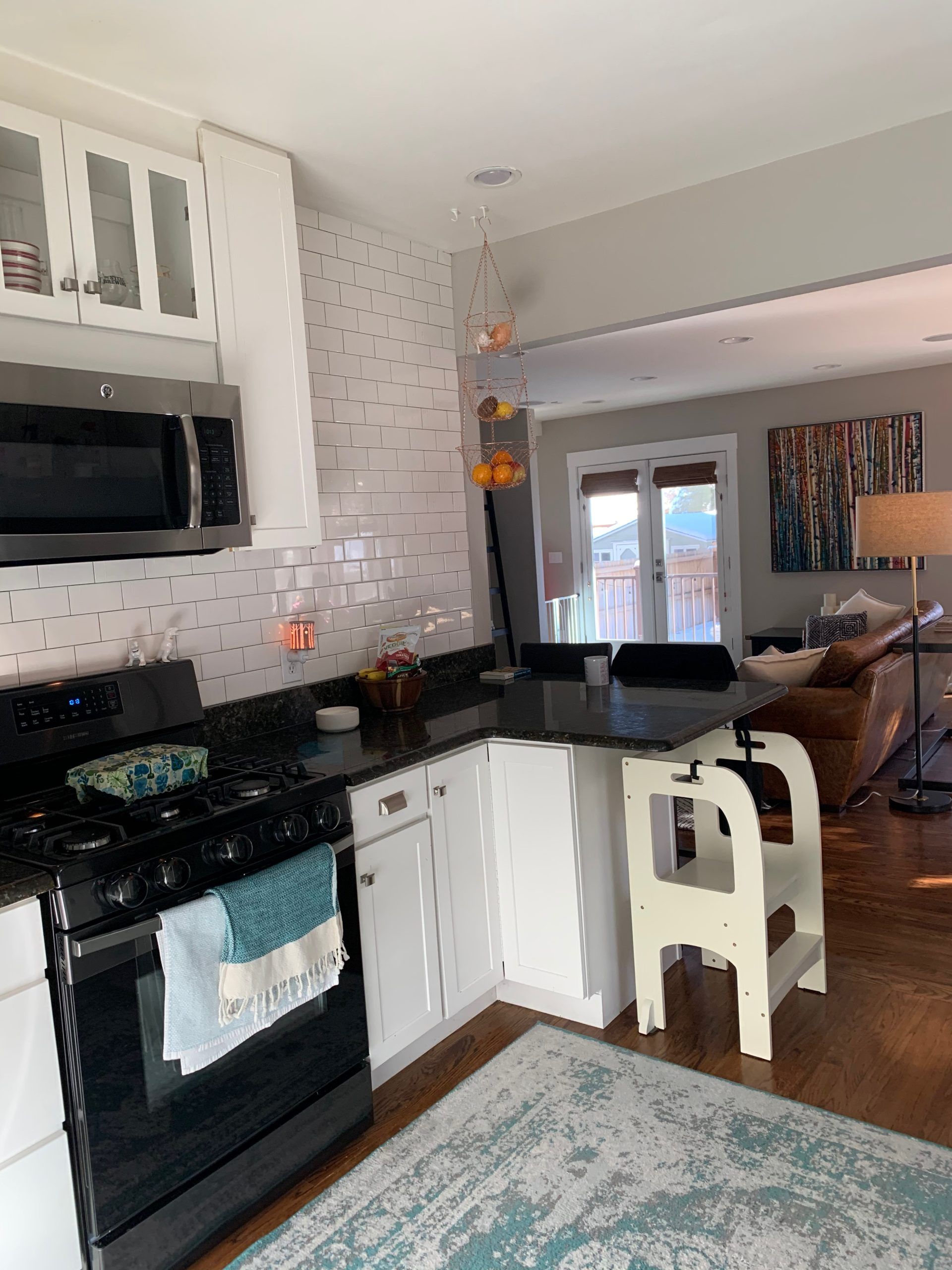
"Full home remodeling" is a big project, and it's easy to feel overwhelmed when you're just getting started. But it can be a fun and rewarding process if you know what you're doing. So, let's break it down and make it a bit more manageable!
Understanding Full Home Remodeling
Full home remodeling is exactly what it sounds like: taking your entire home and giving it a complete makeover. It's not just about updating one room or adding a new feature; it's a comprehensive transformation. This could mean updating the layout, adding extensions, modernizing the design, and even making structural changes. It's a chance to create a space that truly reflects your style and needs.
When considering full home remodeling, it's important to think about the scope of the project. Are you looking to modernize an outdated home, increase its value, or adapt it to your changing lifestyle? The reasons and goals will influence the decisions you make. For example, if you're aiming for a high-end, luxury feel, the materials and finishes you choose will be different from a more budget-conscious renovation.
Finding the Right Contractor
One of the biggest decisions you'll make is choosing a contractor. This person or company will be responsible for managing the entire project, so it's crucial to find someone reliable and experienced. Ask for recommendations from friends or check online reviews. You want someone who has a good track record and can provide references.
Before hiring, make sure to ask about their experience with similar projects. Get a sense of their communication style and whether they're responsive to your needs and concerns. A good contractor will guide you through the process, offer suggestions, and provide a detailed estimate.
Costs and Budgeting
The cost of a full home remodeling project can vary greatly. It depends on factors like the size of your home, the complexity of the design, the materials used, and the local labor rates. To get an accurate estimate, you'll need to provide detailed plans and specifications to multiple contractors. Compare their quotes, but remember that the cheapest option isn't always the best. Look for a balance between quality and price.
Naming Your Construction Business
If you're a contractor or thinking of starting a construction business, choosing a name is an important step. It should be memorable, unique, and reflect the services you offer. Avoid generic names and try to incorporate something that stands out. Here are a few ideas:
- Build-it-Right Construction
- Modern Space Renovations
- Crafted Homes
- Renaissance Builders
- Green Mountain Construction
- Skyward Builders
Remember to check the availability of the name, domain, and local registration before finalizing it.
Construction Jobs and Salaries
The construction industry offers a wide range of roles, from general contractors and project managers to specialized tradespeople like electricians and plumbers. Salaries can vary depending on experience, location, and the specific role. If you're looking for construction jobs, check online job boards, local newspapers, or even reach out to construction companies directly. Many also hire through word-of-mouth recommendations.
Industry Tools and Data
In the construction world, tools like RSMeans provide valuable data and cost estimates. These resources help contractors and estimators calculate project costs accurately. They take into account various factors like labor rates, material prices, and local market conditions. It's a useful tool for both professionals and homeowners to get a realistic idea of the expenses involved in a project.
Large vs. Small Construction Companies
The construction industry has a mix of large and small companies. Large firms often have the resources to take on bigger projects and may have more specialized teams. They might also have better access to certain materials and equipment. On the other hand, smaller companies can offer more personalized service and may be more flexible with their approach. It's a matter of finding the right fit for your project.
So, there you have it! A quick guide to understanding full home remodeling. It's an exciting process, and with the right planning and research, you can turn your vision into a reality.
Related: How to Read a Debate Round Chart
You're here because you need a quick guide to understanding the debate round chart and its purpose. This handy tool, often presented as a visual aid, is a great way to keep track of the flow and structure of a debate, offering a simple yet effective strategy visualization. The chart can provide a round-by-round breakdown, ensuring you stay on top of the arguments and speaker order.
Understanding the Debate Round Chart: An Overview
The debate round chart is a visual tool that simplifies the complex structure of a debate, making it easier to grasp the flow and strategy of the entire process. It's like a roadmap for debaters, providing a clear overview of the key elements and helping them navigate the rounds efficiently.
Comparing Debate Round Chart Formats and Standards
There are various formats and standards for these charts, depending on the type of debate and the preferences of the organizers or teams. Some common categories or sections you might find on a debate round chart include:
- Speaker Order: This section outlines the order in which speakers will present their arguments, including the time limits for each speech.
- Round Phases: Here, you'll see a breakdown of the different phases within a round, such as constructive speeches, rebuttals, and cross-examination periods.
- Argument Tracking: A visual representation of the main arguments and rebuttals, showing how they develop and connect throughout the debate.
- Time Management: A simple timeline or bar graph indicating the duration of each segment, ensuring teams stay within the allocated time.
Step-by-Step Guide to Using the Debate Round Chart
Using a debate round chart effectively can enhance your debate strategy and time management:
- Study the Chart: Familiarize yourself with the chart's layout and understand the symbols or notations used. Each section should be clearly labeled to avoid confusion.
- Plan Your Strategy: Review the speaker order and allocate roles to your team members based on their strengths and the flow of arguments.
- Time Allocation: Refer to the time management section to ensure you're aware of the time limits for each speech and prepare accordingly.
- Argument Preparation: Use the argument tracking section to visualize your team's strategy and anticipate potential counterarguments.
- During the Debate: Refer to the chart for a quick reminder of the current round's structure and your team's plan. It's a handy reference to keep you on track.
Avoiding Misreadings and Pitfalls
Misinterpreting a debate round chart can lead to confusion and missteps during the debate. Here are some common mistakes to avoid:
- Assuming Standard Formats: Always double-check the specific format and standards used for your debate. Different tournaments or leagues may have variations.
- Ignoring Time Limits: The time management section is crucial. Stick to the allocated times to avoid penalties and ensure a fair debate.
- Misinterpreting Symbols: If you're unfamiliar with a particular symbol or notation, clarify its meaning before proceeding.
- Overlooking Key Details: Pay attention to all sections of the chart, especially the speaker order and argument tracking, to ensure you're prepared for every aspect of the debate.
Key Factors Affecting Accuracy and Real-World Use
The accuracy of a debate round chart relies on several factors:
- Standardization: Adhering to recognized debate standards ensures consistency and reduces confusion.
- Up-to-Date Information: Charts should be regularly updated to reflect any changes in debate rules or formats.
- Clear Communication: Effective communication between organizers, judges, and debaters is essential to ensure everyone understands the chart's purpose and content.
- Practice and Familiarity: The more familiar debaters become with these charts, the better they can utilize them during actual debates.
Adapting the Chart for Specific Needs
Debate round charts can be tailored to meet the unique requirements of different debate formats or teams:
- Customization: Depending on the debate style (e.g., parliamentary, policy, or public forum), you can customize the chart to highlight specific aspects relevant to that format.
- Team Preferences: Some teams may prefer a more detailed chart with additional sections, while others might opt for a simpler layout.
- Regional Variations: Consider regional differences in debate structures and adjust the chart accordingly. For instance, time limits may vary between countries or leagues.
Maintaining Reliability for Future Debates
To ensure the debate round chart remains a reliable reference tool:
- Update Regularly: Keep the chart up-to-date with any rule changes or modifications to the debate format.
- Feedback and Review: Encourage feedback from debaters and judges to identify areas for improvement.
- Standardize Symbols: Establish a set of standard symbols or notations to ensure consistency across different charts and tournaments.
- Digital Accessibility: Consider creating digital versions of the chart, making it easily accessible and shareable among teams and organizers.
Well, there you have it! A comprehensive guide to help you navigate the world of debate round charts. We've covered a lot of ground, from understanding the different options to ensuring accuracy and adapting to your needs.
Remember, when it comes to these charts, it's important to consider your unique situation and requirements. While we've provided a solid framework, exact values and formats may vary, so be sure to double-check and tailor it to your specific context.
Feel free to explore our other guides and resources for further insights and inspiration. We've got you covered!
Related: A Clear Plot Anchor Chart Guide
A plot anchor chart is a valuable tool for writers and storytellers, offering a visual roadmap to navigate the intricate journey of crafting a narrative. This guide will provide an overview of these charts, their purpose, and how they can enhance your understanding of story structure.
These charts serve as a reference, presenting the key elements of a plot in a clear and concise manner. While the specific format and content may vary, the plot anchor chart's primary goal remains consistent: to provide a snapshot of the narrative's journey, from its initial spark to its satisfying conclusion.
Plot Anchor Chart: A Visual Guide to Storytelling
The plot anchor chart is a valuable tool for writers and storytellers, offering a visual representation of the key elements that drive a narrative. This chart provides a structured overview, helping to identify and organize the essential components of a story's plot. By using this chart, writers can ensure their stories have a solid foundation and a clear direction.
Common Plot Structures and Their Variations
The plot anchor chart typically presents several common plot structures, such as the three-act structure, the hero's journey, and the five-act structure. Each structure has its own unique flow and emphasis, offering different approaches to storytelling. These structures provide a framework for writers to follow, but they can also be adapted and combined to create unique narratives.
Creating Engaging Narratives: A Step-by-Step Guide
- Start by identifying the main plot points: introduction, rising action, climax, falling action, and resolution. These points form the backbone of your story.
- Use the plot anchor chart to visualize and connect these plot points, ensuring a logical flow and building tension.
- Add depth to your narrative by incorporating subplots and character arcs. These elements enrich the story and provide opportunities for character development.
- Consider the pacing and intensity of your story. Adjust the placement and emphasis of plot points to create a balanced and engaging narrative.
- Review and refine your story structure, ensuring it aligns with your chosen plot structure and meets the expectations of your audience.
Avoiding Common Misreadings and Pitfalls
While the plot anchor chart is a powerful tool, it's important to remember that it is a guide, not a strict formula. Misinterpreting the chart can lead to stories that feel formulaic or lack originality. To avoid this, ensure you understand the underlying principles and use the chart as a flexible framework. Adapt it to your story's needs and don't be afraid to deviate from the standard structures if it serves your narrative better.
Factors Affecting Accuracy and Real-World Application
The accuracy of the plot anchor chart depends on several factors. Firstly, the chart's effectiveness varies depending on the complexity of the story and the writer's experience. More intricate stories may require a deeper understanding of narrative techniques. Additionally, the chart's applicability can differ based on the genre and target audience. What works for a thriller might not suit a romantic comedy. It's crucial to consider these factors and tailor your story's structure accordingly. Always refer to established narrative techniques and seek feedback to refine your story's structure and ensure its impact.
While the specifics of your plot anchor chart may differ slightly based on your unique needs and the standards or sources you follow, the key elements and steps outlined in this guide should provide a solid foundation. Remember, having a well-organized reference like this can make a world of difference in your work, ensuring clarity and consistency.
Feel free to bookmark this page for future reference, and explore our other guides for more practical tips and insights. We aim to provide straightforward, helpful resources, so you can always find the information you need, when you need it.