





Cute Trolls Coloring Pages Overview
You're here because you need a quick solution, right? Well, a time table chart is your new best friend for getting organized. It's a simple yet powerful tool, a visual guide that keeps your schedule in check. This chart, whether for work or personal use, offers a clear overview of your daily, weekly, or even monthly plans. It's all about efficiency and staying on top of your to-dos. The beauty of it? Time table charts can be tailored to your needs, and they come in various formats, so you can find the perfect fit for your routine.
Time Table Chart: A Quick Overview
A time table chart is a visual tool that helps you organize and plan your time efficiently. It's like a map that guides you through your daily, weekly, or even monthly schedule. This chart is a great way to keep track of your tasks, appointments, and commitments, ensuring you make the most of your time.
Comparing Formats and Standards
There are various formats and standards for time table charts, depending on your needs and preferences. The most common ones include daily, weekly, and monthly layouts. Daily charts provide a detailed view of your schedule, often in hourly increments. Weekly charts offer a broader perspective, allowing you to see trends and patterns across the week. Monthly charts are great for long-term planning and goal setting.
Step-by-Step Guide: Creating and Using Your Time Table Chart
Here's a simple process to create and utilize your time table chart effectively:
Define your goals: Start by identifying what you want to achieve with your time table. Are you aiming for better time management, increased productivity, or a balanced daily routine?
Choose your format: Select the chart format that suits your needs. Daily charts are ideal for detailed planning, while weekly or monthly charts provide a broader overview.
Set up your categories: Decide on the categories or sections you want to include. Common categories include work, personal, exercise, meals, and downtime.
Fill in your schedule: Begin by entering fixed commitments, such as work hours or appointments. Then, allocate time for your other activities, ensuring you leave some flexibility for unexpected tasks.
Review and adjust: Regularly review your chart to ensure you're on track. Make adjustments as needed, especially if you find yourself consistently running late or not allocating enough time for certain tasks.
Avoiding Common Misreadings and Pitfalls
It's easy to misinterpret or overlook important details on a time table chart. Here are some tips to avoid common mistakes:
Pay attention to the scale: Ensure you understand the time increments on your chart. For example, a daily chart might have hourly intervals, while a weekly chart might use half-day blocks.
Check for overlaps: Be mindful of conflicting appointments or tasks. Double-check your chart to avoid scheduling clashes.
Allow for flexibility: While a time table chart provides structure, it's important to leave some room for unexpected tasks or changes. Don't over-commit yourself.
Factors Affecting Accuracy and Real-World Use
Several factors can impact the accuracy and effectiveness of your time table chart:
Personal preferences: Your chart should reflect your unique needs and preferences. Consider your work style, energy levels, and personal commitments when creating it.
Variability of tasks: Some tasks may take longer or shorter than expected. Be prepared to adjust your chart as you gain a better understanding of your task durations.
External factors: Unexpected events or changes in your environment can impact your schedule. Stay flexible and be ready to adapt your chart accordingly.
Personalizing Your Chart for Specific Needs
A time table chart can be tailored to suit your individual requirements. Here are some ideas to customize your chart:
Color-code your categories: Use different colors to distinguish between work, personal, and other categories. This visual cue can make your chart more engaging and easier to read.
Add notes and reminders: Include brief notes or reminders alongside your tasks. This can help you remember important details or provide context for your schedule.
Incorporate icons or symbols: Use simple icons or symbols to represent common activities or tasks. This can save space and make your chart more visually appealing.
Keeping Your Reference Reliable for Future Use
To ensure your time table chart remains a valuable tool, consider these tips for ongoing maintenance:
Regularly update your chart: As your schedule changes or you gain new insights, update your chart to reflect these adjustments.
Archive old charts: Keep a record of your past charts. This can help you identify patterns, see how your schedule has evolved, and make informed decisions for future planning.
Seek feedback: Ask for feedback from colleagues, friends, or family who use similar charts. Their insights can help you refine and improve your own chart.
Well, there you have it! A comprehensive guide to time table charts and their practical use. We've covered a lot of ground, from understanding the different options to avoiding common pitfalls and ensuring accuracy.
Remember, when it comes to these charts, context is key. Double-check your specific needs and requirements to ensure you're using the right format and setup. It's a simple step but an important one to ensure your time table chart serves its purpose effectively. So, before you go, take a moment to bookmark this page. It's a handy reference to have on hand, and you never know when you might need a quick reminder or a refresh on these practical tips.
Related: Public Listed Construction Company Essential Guide
I was walking past a busy construction site the other day, and it got me thinking about public listed construction companies. Who are these firms, and what do they do? Well, let's find out!
Understanding Public Listed Construction Companies
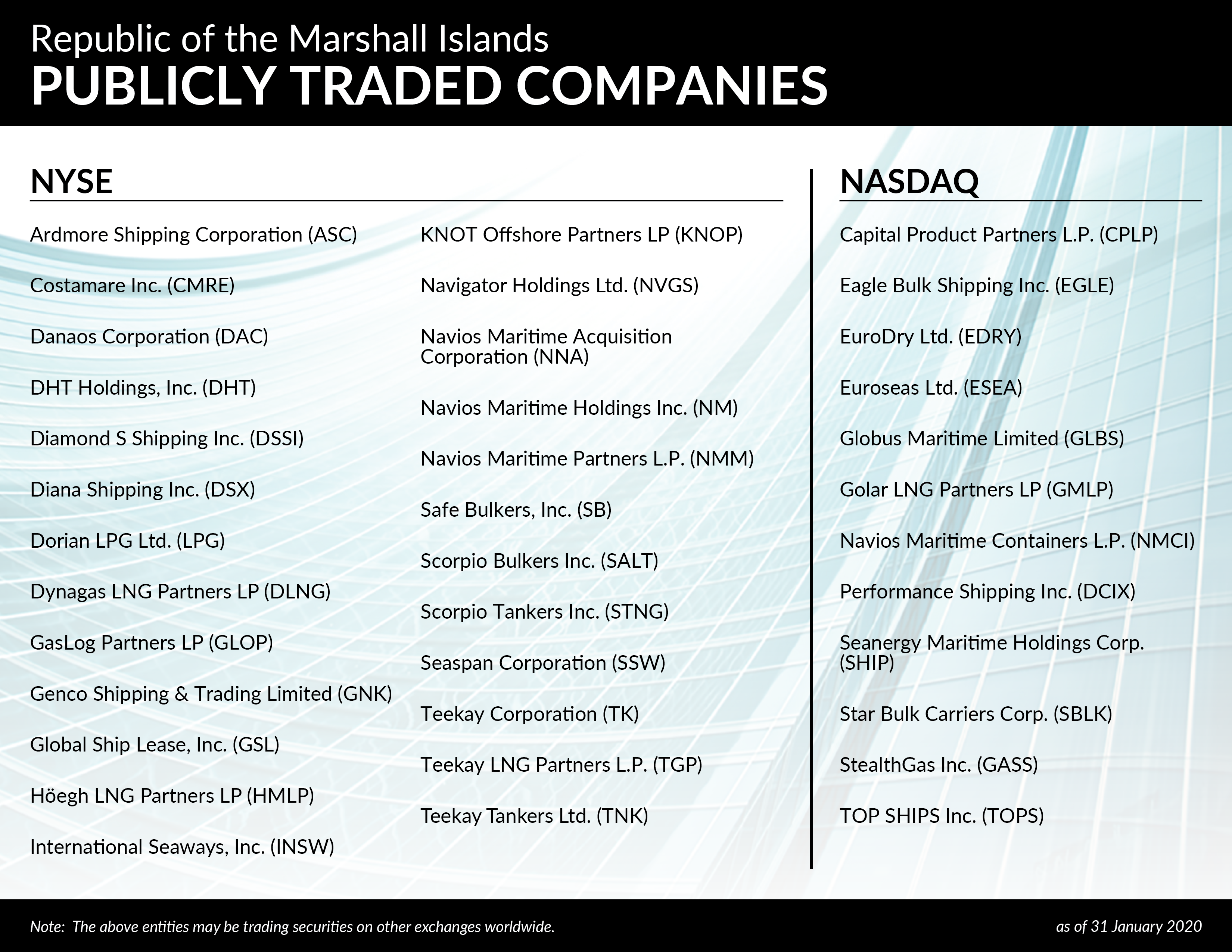
A public listed construction company is a business that builds and renovates structures, from homes to commercial buildings, and everything in between. These companies are often large-scale operations, with the resources to take on major projects. They might construct new buildings from the ground up or handle complex renovations and additions. The key here is that these companies are publicly listed, which means their shares are traded on a stock exchange and anyone can invest in them.
So, why does this matter? Well, for one, it means these companies are usually well-established and financially stable. They have the backing of investors and the public market, which can be a good sign of their long-term viability. This stability is important when you're considering hiring a contractor for a big project. You want to know they'll be around to honor their warranty and provide ongoing support.
Hiring a Contractor: What to Look For
When you're in the market for a contractor, whether it's for a home renovation or a new build, there are a few key things to consider. First, check their licensing and insurance. Make sure they're properly registered and insured for the work they do. This protects you in case of accidents or issues down the line. Next, ask for references and check their online reviews. Seeing what past clients have to say can give you a good idea of the company's reliability and quality of work.
It's also important to get multiple quotes. Prices can vary widely, and you want to make sure you're getting a fair deal. Compare apples to apples though; make sure the scope of work is the same across all quotes. And don't forget to ask about the timeline. A good contractor will give you a realistic estimate of how long the project will take, and they should be able to explain any potential delays.
Naming Your Construction Business
If you're in the construction business or thinking of starting one, you'll need a great name. A catchy, memorable name can help you stand out and make a good first impression. But what makes a good name? It should be unique, easy to remember, and reflect your business's personality or services. Avoid names that are too generic or could be confused with other businesses.
Here are a few original name ideas:
- BuildCraft
- Renova Solutions
- StructureWorks
- HomeRevamp
- ConstructoPros
- BuildTech
Remember to check the availability of these names and secure the relevant domains and local registrations before you finalize your choice.
The Construction Industry: A Quick Overview
The construction industry is a vast and diverse field, with roles ranging from general contractors to specialized tradespeople. Estimators, for example, play a crucial role in calculating costs and providing accurate quotes. Then there are project managers, who oversee the entire operation, ensuring it stays on track and within budget. These jobs can be found through various channels, including online job boards, industry-specific websites, and even word-of-mouth recommendations.
Data and Tools: RSMeans and More
In the construction world, tools like RSMeans are essential. RSMeans provides cost data and estimating tools, helping contractors and companies accurately price their work. It's a valuable resource for staying competitive and ensuring projects are financially viable. Similarly, cost databases and indexes are used to track and predict construction costs, helping businesses plan and budget effectively.
Large vs. Small Construction Firms
The construction industry is diverse, with a range of company sizes. Large firms often have the resources to take on big, complex projects and may have a national or even international presence. They can offer a wide range of services and have the manpower to handle multiple projects simultaneously. On the other hand, smaller firms might specialize in a particular area, like home renovations, and offer a more personalized service. They might be better suited to local projects and have a strong understanding of the specific market and its needs.
So, there you have it! A quick dive into the world of public listed construction companies. Whether you're looking to hire a contractor or just curious about the industry, I hope this gives you a better understanding of what these companies do and how they operate.
Related: What is the UGA Depth Chart?
A uga depth chart is a handy tool for any sports fan, especially those passionate about the Georgia Bulldogs. It's a simple yet effective way to visualize the team's lineup and understand player positions. This guide will take you through the basics, covering what you need to know to read and interpret these charts like a pro. From the uga football roster to the starting lineup, we'll explore how these charts can provide valuable insights into the team's strategy and player depth.
What is the UGA Depth Chart?
The UGA depth chart is a valuable tool for fans and analysts of the Georgia Bulldogs football team. It provides a visual representation of the team's roster, showcasing player positions and their depth within the squad. This chart offers a quick reference guide to understand the team's lineup and potential strategies.
Key Details and Categories
When examining a UGA depth chart, you'll notice several columns and rows. The columns typically represent different player positions, such as quarterback, running back, wide receiver, and so on. Each position has a specific role and contributes uniquely to the team's success. The rows, on the other hand, indicate the depth of players within each position. You'll often see the starting players listed first, followed by backups and potential replacements.
Reading and Applying the Chart
Understanding how to read the UGA depth chart is straightforward. Here's a step-by-step guide:
- Identify the Position: Locate the column representing the position you're interested in. For instance, if you want to know about the quarterbacks, find the "QB" column.
- Analyze Depth: Within each position column, players are listed in order of their depth. The top player is usually the starter, followed by backups. Take note of the names and their order.
- Recognize Abbreviations: Sometimes, you might encounter abbreviations or codes next to player names. These could indicate special teams roles or specific skills. For example, "KR" might stand for "kick returner."
- Study Player Rankings: The depth chart often provides a ranking or evaluation of players within their positions. This can help you understand the team's hierarchy and potential playing time.
- Consider Flexibility: Keep in mind that coaches may adjust the lineup based on game plans and opponent strategies. The depth chart offers a snapshot, but actual game-time decisions can vary.
Variations and Differences
While the UGA depth chart follows a standard format, variations can occur due to several factors:
- Player Injuries: Injuries can impact the depth chart significantly. A starter's absence might push a backup into the starting role, affecting the entire lineup.
- Game Strategy: Coaches may adjust the depth chart based on the opponent's strengths and weaknesses. Certain players might be moved up or down to counter specific tactics.
- Position Flexibility: Some players are versatile and can play multiple positions. This flexibility allows coaches to adapt their lineup based on game flow.
- Development and Growth: As the season progresses, players may improve or regress. This can lead to changes in the depth chart as coaches assess performance.
Common Mistakes and How to Avoid Them
When interpreting a UGA depth chart, it's important to avoid these common pitfalls:
- Overlooking Abbreviations: Take the time to understand the abbreviations used. Misinterpreting these codes can lead to incorrect assumptions about player roles.
- Assuming Starting Lineup: While the depth chart lists starters first, remember that coaches may make last-minute changes. Always check the official game-time lineup for the most accurate information.
- Ignoring Depth: Depth charts provide a hierarchical view of the team. Don't focus solely on starters; understanding the entire depth can give you insights into the team's overall strength.
- Neglecting Player Movement: Players can be moved between positions or even traded. Stay updated with the latest news to ensure your analysis is accurate.
Practical Tips for Accurate Results
To make the most of the UGA depth chart, consider these practical tips:
- Regular Updates: Depth charts can change frequently, especially during the season. Stay tuned to official sources for the latest updates.
- Compare with Previous Years: Analyzing historical depth charts can provide context and help you understand player progression and team dynamics.
- Combine with Other Resources: Use the depth chart as a starting point, but also refer to player statistics, game analysis, and expert opinions for a comprehensive understanding.
- Consider Player Chemistry: The depth chart focuses on individual roles, but the team's success also relies on player chemistry and cohesion.
Double-Checking and Handling Exceptions
While the UGA depth chart is a valuable tool, it's essential to double-check certain aspects:
- Official Lineup Announcements: Always confirm the official starting lineup before the game. Coaches may make last-minute changes due to injuries or strategic decisions.
- Position Flexibility: Some positions, like wide receivers or defensive backs, may have players who can fill multiple roles. Understand the team's flexibility to predict potential lineup adjustments.
- Injury Reports: Keep an eye on injury reports, as they can impact the depth chart significantly. Injured players might be listed as questionable or out, affecting their availability and depth chart position.
Well, there you have it! A depth chart is a handy tool, but it's important to remember that every situation is unique. So, always take a moment to ensure your specific needs are met and double-check the details for your context.
Consider bookmarking this page for future reference; it might just save you some time and effort down the line. Until next time, happy charting!