





Daily Planner Diary For 2026 Overview
Many people assume that the Avera Chart Portal is a complex and intimidating tool, but it's actually a user-friendly and incredibly helpful resource. It's not just for medical professionals; patients can also benefit from understanding this portal. So, let's demystify it!
The Avera Chart Portal provides a clear and organized view of your health data, and it's designed to be accessible. You can think of it as a personalized health dashboard, offering a simple way to keep track of your medical journey. Whether you're checking test results, reviewing medications, or accessing your Avera MyChart, this portal ensures you have quick and secure access to your vital health information.
Accessing Your Chart: A Quick Overview
The Avera Chart Portal is your gateway to a wealth of personal health information. It's a secure online platform that gives you access to your medical records and helps you stay on top of your health journey. With this portal, you can view and manage your health data easily and efficiently.
Understanding Measurements and Formats
The portal displays various health metrics and categories, each with its own standard and unit of measurement. Common categories include vital signs (e.g., blood pressure, heart rate), lab results, medications, and more. These measurements may follow different standards, like the US customary system or international metric units, so it's important to pay attention to the units displayed.
Step-by-Step: Navigating the Avera Chart Portal
- Log in to your Avera MyChart account using your unique credentials.
- Once logged in, you'll see a dashboard with an overview of your recent health data.
- To explore specific categories, use the navigation menu. Click on the desired category, such as "Lab Results" or "Vital Signs."
- Within each category, you'll find detailed information, often presented in tables or graphs. Understand the labels and units used for each measurement.
- For a more comprehensive view, you can customize the date range to see historical data.
Common Misreadings and How to Avoid Them
One common mistake is assuming all measurements use the same unit. Always check the units displayed, especially when comparing different categories. Another pitfall is interpreting trends without considering individual variations. The portal provides a snapshot of your health, but it's essential to discuss any concerns with your healthcare provider.
Factors Affecting Accuracy and Real-World Use
The accuracy of the Avera Chart Portal relies on several factors. First, ensure your data is up-to-date and accurate by regularly reviewing and verifying your records. Second, be aware of any specific tolerances or ranges that may apply to your personal health situation. For instance, certain medical conditions might have unique measurement standards. Finally, while the portal offers a comprehensive view, it's crucial to consult with healthcare professionals for personalized advice and interpretations.
So, there you have it, a handy guide to navigating the Avera Chart Portal. It's a great resource, but as with any tool, it's essential to consider your unique needs and context. Remember, while this guide provides a solid framework, exact values and processes may vary, so double-check what applies to you.
Feel free to bookmark this page for future reference; it might come in handy when you least expect it! Until next time, happy charting!
Related: RSMeans Cost Estimating Essential Guide
I was chatting with a friend the other day, and they mentioned they were planning a home renovation. It got me thinking about the whole process, especially the costs involved. So, I did some research, and RSMeans cost estimating kept popping up. Let's break it down and see what it's all about.
Understanding RSMeans
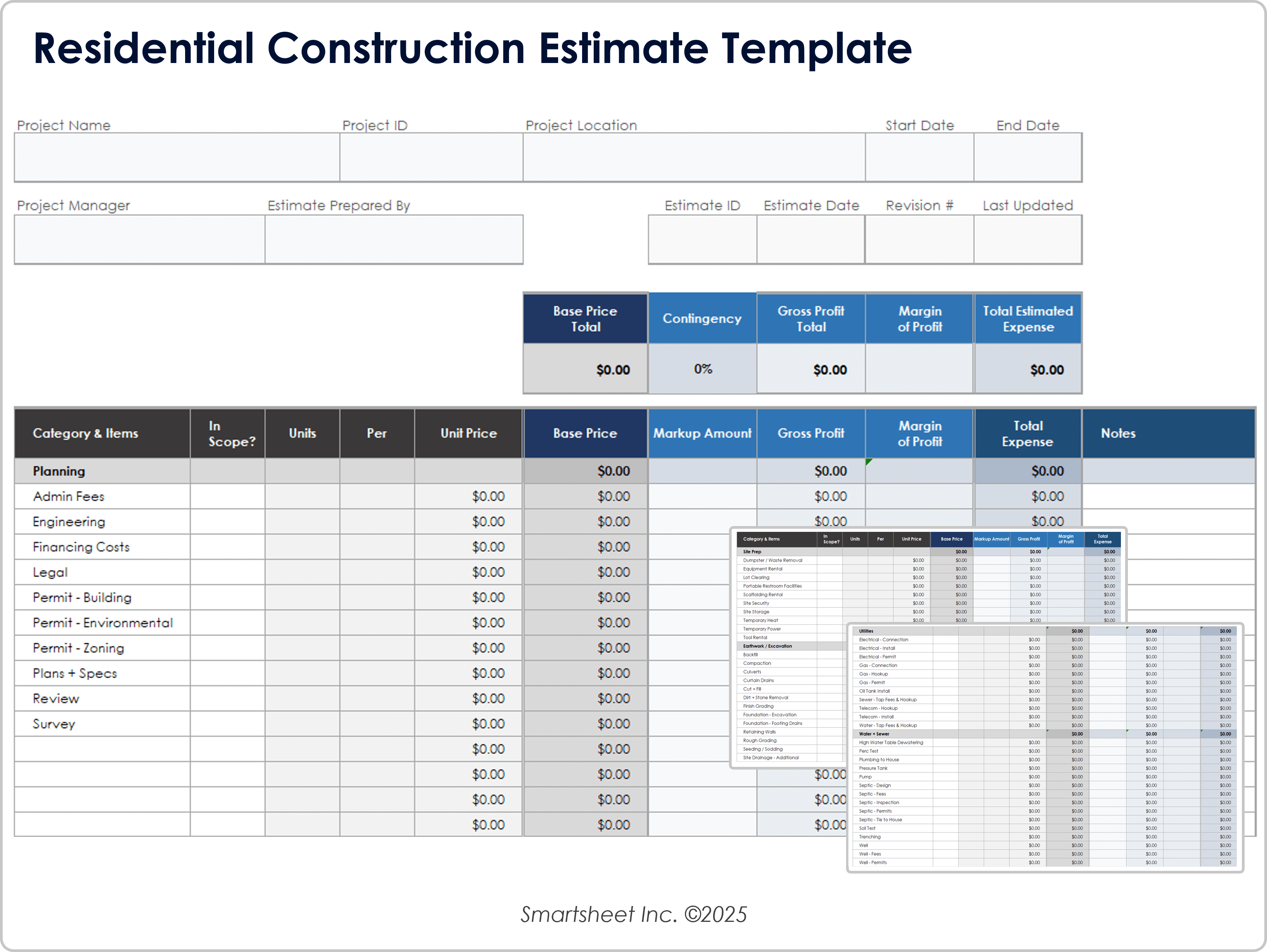
RSMeans is a well-known name in the construction industry, and for good reason. It's a comprehensive cost database and resource for estimating the costs of construction projects. Whether you're a homeowner planning a remodel or a contractor bidding on a new build, RSMeans provides valuable data to help you make informed decisions. It covers a wide range of construction costs, from materials and labor to equipment and overhead.
The beauty of RSMeans is its ability to provide accurate and up-to-date information. It takes into account various factors like location, market conditions, and project specifics. So, you can get a realistic estimate for your project, ensuring you're not overspending or underestimating the costs.
Using RSMeans for Your Project
When it comes to using RSMeans for your construction or remodeling project, it's all about getting the right information for your specific needs. Here's a simple guide:
First, identify the scope of your project. Are you building a new deck, remodeling your kitchen, or constructing an entire house? The more detailed your plan, the better your estimate will be.
Next, access the RSMeans database. You can find it online or through industry resources. The database will provide you with cost data for various components of your project, like framing, electrical work, plumbing, and more.
Compare the RSMeans data with other estimates and quotes you receive from contractors. This will help you understand if the quotes are reasonable and if any contractors are trying to overcharge you.
Contractor Hiring and Quotes
When hiring a contractor, it's essential to do your due diligence. Check their credentials, ask for references, and ensure they're licensed and insured. Get multiple quotes for your project, and compare them to the RSMeans data.
A good quote will break down the costs clearly, explaining the labor, materials, and any other expenses. It should also include a timeline for the project. Don't be afraid to ask questions and negotiate. Remember, you want a fair price and a contractor who understands your vision.
Construction Jobs and Salaries
For those interested in construction careers, RSMeans can also be a valuable tool. It provides insight into the industry and the various roles involved. From general contractors and project managers to estimators and specialists, there are diverse opportunities.
Salaries in the construction industry can vary widely depending on the role, experience, and location. Estimators, for example, play a crucial role in the early stages of a project, ensuring accurate cost estimates. Their expertise is highly valued, and their salaries reflect that.
Naming Your Construction Business
If you're starting a construction business, choosing the right name is important. It should be memorable, reflect your services, and be unique. Here are a few name ideas to get you started:
- BuildMaster
- Crafted Constructions
- Renova Remodeling
- Stronghold Builders
- GreenSpace Builders
- BluePrint Builders
Remember to check the availability of the name, domain, and local registration before finalizing your choice.
Wrapping Up
So, there you have it! RSMeans cost estimating is a powerful tool for anyone involved in construction or remodeling. It provides valuable insights and helps ensure your project stays on track financially. Whether you're a homeowner, contractor, or industry professional, it's worth exploring further.
I hope this overview has been helpful. Feel free to delve deeper into the world of RSMeans and discover more about its benefits and applications.
Related: Understand Teeth Color Chart: A Quick Guide
A teeth color chart is a handy tool for anyone seeking a quick and accurate way to assess and match tooth shades. This guide will walk you through the basics, covering what these charts are and how to use them effectively.
These charts, often in the form of a simple table or visual guide, provide a reference for tooth shade comparison. While the specific values and formats may vary, the concept remains the same: an easy-to-read resource for dental shade matching.
What is a Teeth Color Chart?
A teeth color chart is a visual guide that helps dental professionals and patients understand and communicate tooth shade accurately. It provides a standardized reference for comparing and matching tooth colors, ensuring consistency in dental procedures and treatments.
Key Details and Categories
The chart typically consists of a range of tooth shades, often organized in a grid or tabulated format. Each shade is represented by a unique code or label, making it easy to identify and communicate. The shades are usually based on a recognized standard, such as the Vitapan Classical Shade Guide, which is widely used in dentistry. This guide categorizes tooth colors into various groups, with each group further divided into sub-shades, providing a comprehensive and precise color reference.
Reading and Applying the Teeth Color Chart
To use the teeth color chart effectively, follow these steps:
- Prepare the teeth for shade matching by cleaning and drying them thoroughly. Natural light or specialized lighting can enhance color accuracy.
- Compare the patient's teeth with the shades on the chart. Hold the chart close to the teeth and observe the color match.
- Identify the closest shade match. Consider the overall color and any subtle variations.
- Confirm the shade with the patient and document it for future reference.
- Repeat the process for multiple teeth if needed, ensuring consistency across the dental arch.
Understanding Shade Variations
Shade variations can occur due to several factors. Natural tooth color can differ based on genetics, age, and lifestyle factors like diet and oral hygiene. External factors like staining from food, drinks, or tobacco can also impact tooth color. Additionally, lighting conditions and the observer's perception can influence shade matching. It's essential to consider these variables when using a teeth color chart to ensure accurate results.
Common Mistakes and How to Avoid Them
When working with a teeth color chart, it's crucial to avoid these common pitfalls:
- Relying solely on memory: Always refer to the chart for an accurate shade match. Avoid guessing or relying on past experiences.
- Inconsistent lighting: Ensure consistent lighting conditions to minimize errors. Natural daylight or specialized dental lighting is recommended.
- Neglecting patient feedback: Involve the patient in the shade selection process. Their perception and feedback are valuable for an accurate match.
- Overlooking oral health: Ensure the teeth are clean and free from debris or stains before shade matching.
- Using outdated charts: Keep your teeth color chart up-to-date to reflect the latest standards and shades. Regularly check for new versions or updates.
Well, there you have it! A teeth color chart is a handy tool, and now you know how to navigate it like a pro. Remember, the exact shades and values might differ slightly depending on the source or standard, so always double-check.
Feel free to explore other guides on our site for more practical tips and tricks. We've got you covered with a range of topics, so take a look and discover something new!