




Daily Planner Pages Overview
Many folks new to reading ventura tide charts often assume they're complex and intimidating. But fear not! These charts are your simple, trusted guide to understanding the rise and fall of tide levels.
The ventura tide chart is a straightforward tool, offering a quick glimpse into the Pacific Ocean's tides. It provides essential info on tide heights and variations, making it a handy reference for any coastal adventure in California.
The Ventura Tide Chart: Unlocking the Secrets of the Pacific Ocean Tides
The ventura tide chart is a powerful tool for anyone exploring the California coast. It provides a clear, visual representation of the tide levels and helps you plan your coastal adventures with ease. This chart is your key to understanding the ebb and flow of the Pacific Ocean tides along the Ventura coastline.
Understanding the Data: Key Details and Categories
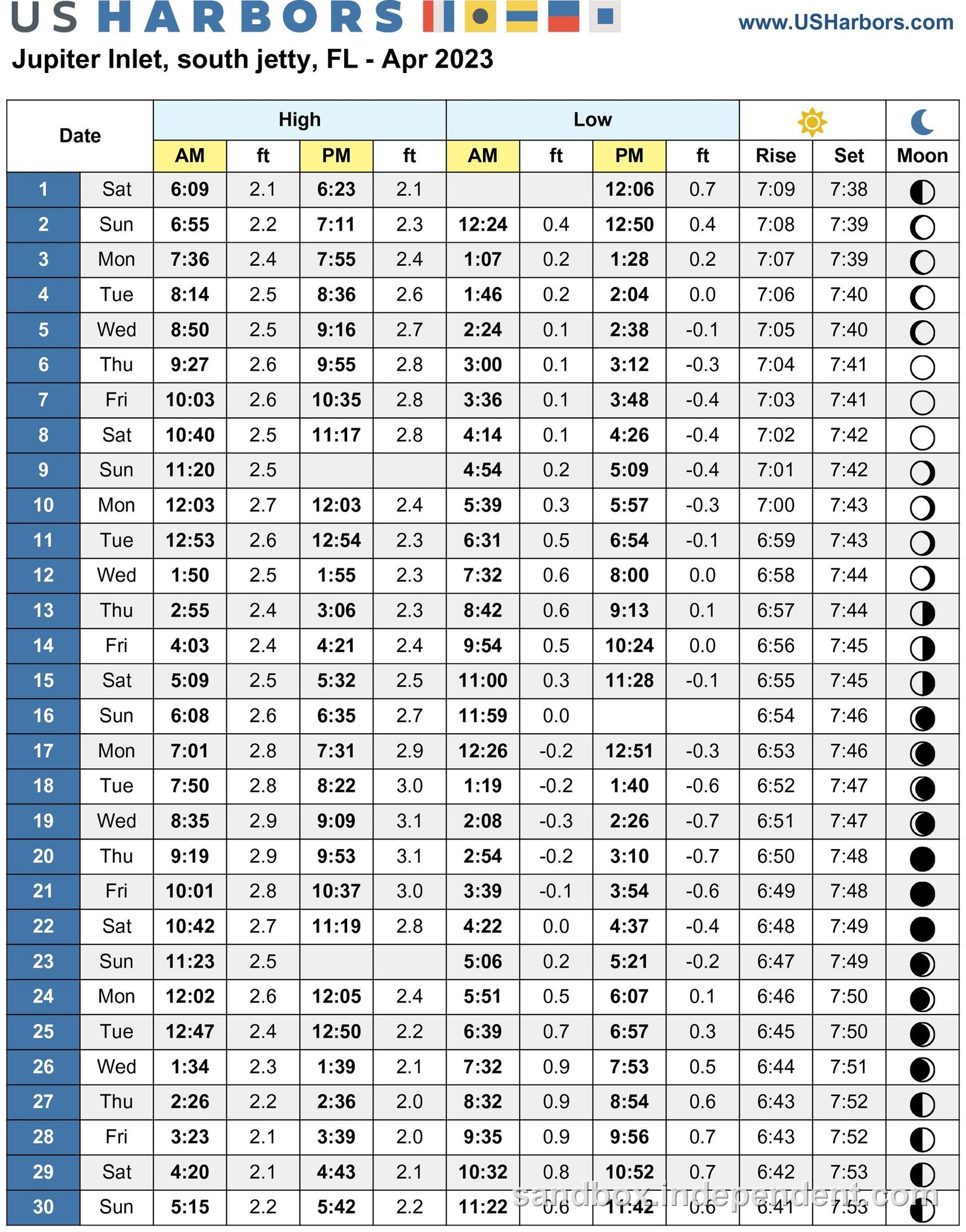
The ventura tide chart typically displays tide levels in feet or meters, depending on the standard used. It shows the predicted tide heights for specific times throughout the day, usually covering a 24-hour period. The chart categorizes tide levels into high and low tides, with additional details on the time and height of each. You'll also find information on the moon phase, which influences tidal patterns.
Reading the Graph: A Step-by-Step Guide
To read the ventura tide chart, start by identifying the time of day along the horizontal axis. The vertical axis represents the tide height. Simply match the time with the corresponding tide level to get an accurate reading. For instance, if you see a high tide at 9 am, you can expect the water to be at its highest point at that time. Low tides are indicated by the lowest points on the chart.
Common Fluctuations: Why Tide Levels Vary
Tide levels can vary due to several factors. The position of the moon and sun relative to the Earth is a primary influence. Additionally, weather conditions, such as strong winds or storms, can impact tidal patterns. Local geography, like the shape of the coastline and the depth of the ocean, also plays a role. These factors can cause slight variations in tide times and heights, so it's essential to be aware of these potential differences.
Practical Applications: Avoiding Common Mistakes
One common mistake is assuming that the tide chart is an exact representation of real-time conditions. While it provides valuable predictions, actual tide levels can differ slightly due to the dynamic nature of the ocean. Another pitfall is neglecting to check for any recent weather events that may have affected tidal patterns. Always double-check the current conditions and consider any recent weather changes to ensure accurate planning.
Useful Insights: Tips for Accurate Results
To ensure the best accuracy when using the ventura tide chart, consider the following tips. First, familiarize yourself with the local geography and how it might impact tides. Second, keep an eye on weather forecasts, as sudden changes can affect tide levels. Finally, if you're planning an activity that relies on specific tide heights, such as kayaking or fishing, allow for some flexibility in your schedule to account for potential variations.
Edge Cases and Exceptions: What to Double-Check
While the ventura tide chart is a reliable guide, there are instances when you should double-check the specifics. If you're planning an activity that requires precise tide levels, such as marine research or construction, consult additional resources for more detailed predictions. Additionally, if you're visiting Ventura during a full moon or new moon, be aware that tidal variations can be more pronounced during these periods.
By understanding and utilizing the ventura tide chart, you can make the most of your time along the California coast. It's a simple yet powerful tool that ensures your coastal adventures are well-planned and enjoyable. So, whether you're a surfer, fisherman, or simply a beachgoer, the ventura tide chart is your trusted companion for exploring the dynamic tides of the Pacific Ocean.
Well, that's the lowdown on Ventura's tide chart! It's a handy tool to have, and while the basics are covered, remember that exact details might differ slightly based on your specific needs and the source you consult.
So, the next time you're planning a coastal adventure, be sure to bookmark this page for a quick refresher. It's always good to have these practical guides at your fingertips, and there are plenty more where this came from!
Related: Snot Colour Chart: A Quick Reference Guide
Many people tend to overlook the importance of a snot colour chart, assuming it's just a fun, quirky reference. However, this chart is a valuable tool for understanding your health and can provide useful insights. It's an easy-to-use guide that helps decode the colours and textures of your nasal discharge, offering a quick glimpse into potential health issues. While the specifics may vary slightly, the basic principles of the snot colour chart remain consistent and are a great starting point for anyone wanting to learn more about respiratory health.
The Snot Colour Chart: Your Practical Guide
The snot colour chart is a handy reference tool that can help you understand what your nasal discharge is trying to tell you about your health. It's a simple yet effective way to interpret the colors and textures of your mucus and gain some insight into potential health issues. This chart is a great starting point for anyone wanting to take a more proactive approach to their respiratory health.
Key Details and Categories
The snot colour chart typically features a range of colors, from clear to yellow, green, brown, and even black. Each color category represents a different stage or indication of potential health concerns. The chart also considers the thickness and consistency of the mucus, which can provide additional insights. For example, watery clear mucus might indicate an early cold, while thick yellow mucus could suggest a more advanced infection. It's important to note that the chart provides a general guide, and individual experiences may vary.
How to Read and Apply the Chart
Using the snot colour chart is straightforward. First, observe the color and texture of your nasal discharge. Then, match it to the closest color and description on the chart. Here's a step-by-step guide:
- Collect a sample of your mucus. You can do this by gently blowing your nose into a tissue.
- Examine the color and consistency. Is it clear, yellow, green, or another shade? Is it thin and runny or thick and sticky?
- Refer to the chart. Find the color and texture that most closely resembles your sample.
- Interpret the results. The chart will provide a general indication of what the color and texture might mean. For instance, clear mucus often indicates good health, while green mucus could suggest a bacterial infection.
- Monitor any changes. If your mucus color or texture changes, repeat the process and keep an eye on any developing symptoms.
Understanding Variations and Differences
It's important to remember that the snot colour chart provides a general guide, and individual experiences can vary. Factors such as diet, hydration, and environmental conditions can influence the color and texture of your mucus. Additionally, certain medications and supplements may also affect mucus production and appearance. For example, some antibiotics can cause your mucus to turn green, even if there is no bacterial infection present. Always consider these variables when interpreting the chart.
Common Mistakes and How to Avoid Them
One common mistake is relying solely on the snot colour chart without considering other symptoms. It's essential to pay attention to any accompanying signs, such as fever, cough, or congestion. Another pitfall is overinterpreting the chart; remember, it's a guide, and individual variations exist. Lastly, avoid comparing your mucus to others; everyone's body reacts differently. To ensure accuracy, always refer to the chart as a starting point and seek medical advice if you have concerns.
Practical Tips for Accurate Results
To get the most out of the snot colour chart, ensure you collect a fresh sample each time you want to assess your mucus. Also, consider keeping a record of your observations to track any changes over time. This can be especially useful if you're monitoring a potential illness or recovery progress. Additionally, stay hydrated and maintain a healthy diet to support your body's natural processes.
Double-Checking and Handling Exceptions
While the snot colour chart is a valuable tool, it's not a replacement for professional medical advice. If you have persistent or severe symptoms, or if your mucus color and texture don't align with the chart's indications, it's best to consult a healthcare professional. They can provide a more accurate diagnosis and recommend appropriate treatment. Remember, the chart is a guide, and individual health situations can be complex.
Well, there you have it! A snot color chart is a handy tool to have, and it's great to know the basics. Remember, while this guide provides a solid foundation, exact values can vary, so always check the specific standards or references relevant to your field.
Don't forget to explore other guides on our site for more practical insights and tips. We've got you covered with all sorts of interesting and useful topics!
Related: Houston Contracting Company Reliable Guide
I'm thinking about giving my Houston home a makeover. You know, a fresh coat of paint, maybe some new fixtures, and a general spruce-up. It's got me wondering about Houston contracting company options and what I should look for.
All About Houston Contracting Companies
When you're ready to transform your Houston home, you'll want to find a reliable contracting company to bring your vision to life. These companies offer a range of services, from construction and remodeling to home additions and renovations. They're the experts who can guide you through the process, ensuring your project is completed safely and efficiently.
The key to a successful project is finding the right contractor. You'll want to consider their experience, reputation, and the services they offer. Check online reviews and ask for references to ensure they've delivered quality work in the past. It's also crucial to get multiple quotes to compare pricing and ensure you're getting a fair deal.
What to Expect and How to Prepare
Houston contracting companies will typically provide an estimate based on the scope of your project. This estimate will cover the cost of materials, labor, and any necessary permits. Keep in mind that prices can vary depending on the complexity of the work, the materials you choose, and the current market rates for labor.
Before hiring a contractor, ask for a detailed breakdown of the costs. This should include a timeline for the project, any potential extra charges, and a warranty or guarantee for their work. It's a good idea to get a few quotes to compare and ensure you're getting a competitive price.
Naming and Branding
Naming a construction business can be fun! It should be catchy, memorable, and reflect the services you offer. Some Houston-based companies have creative names like "Houston Home Renovations," "Build-It-Right Contractors," or "Texas Transformations." These names are unique and give a clear idea of what the company does.
When choosing a name, make sure it's available for registration and that the domain name is free. You don't want any legal issues or confusion with an existing business.
Jobs and Opportunities
The construction industry offers a variety of roles, from general contractors and project managers to estimators and skilled laborers. These jobs often require specific skills and qualifications, so it's a good idea to check with industry bodies or local colleges for training and certification programs.
When looking for construction jobs, online job boards and industry-specific websites are great resources. You can also check with local contracting companies directly to see if they're hiring.
Industry Tools and Data
The construction industry uses various tools and resources to estimate costs and plan projects. One popular tool is RSMeans, which provides comprehensive cost data for construction projects. This data helps contractors and estimators create accurate quotes and manage project budgets.
While tools like RSMeans are valuable, they're just one part of the process. Contractors also need to consider local market conditions, labor rates, and the specific requirements of each project.
Large vs. Small Companies
Houston, like many cities, has a mix of large and small contracting companies. Large firms often have more resources and can take on bigger, more complex projects. They may also have specialized departments for different aspects of construction, like design or engineering.
Smaller companies, on the other hand, can offer a more personalized service. They're often more flexible and can provide a closer working relationship with the client. Both have their advantages, so it's a matter of finding the right fit for your project.
Final Thoughts
Finding the right Houston contracting company for your project is an important decision. Take your time, do your research, and don't be afraid to ask questions. With the right contractor, you can turn your Houston home into the space of your dreams.