










Daily Planner Sheet For Middle School Overview
I just got home from work, and as I walk through my house, I can't help but think about how much I'd love to give it a whole new look. Whole house remodeling is on my mind, and I'm curious about the process and what it entails. It's an exciting prospect, but also a big undertaking, so I want to make sure I understand the ins and outs before diving in.
What Does Whole House Remodeling Mean?
Whole house remodeling is exactly what it sounds like: a complete transformation of your home. It's not just about updating one room or making small changes here and there. This type of project involves a major overhaul, where you can redesign and renovate every aspect of your living space. From the kitchen and bathrooms to the bedrooms and living areas, every room can get a fresh, modern look. It's a chance to create a home that truly reflects your style and meets your functional needs.
When considering whole house remodeling, it's important to think about the scope of the project. Do you want to change the layout and add new features, or is it more about updating the aesthetics and making everything look cohesive? The scale of your project will impact the cost and the length of time it takes to complete.
Finding the Right Contractor
One of the biggest decisions you'll make is choosing a contractor or building company. It's crucial to find someone who understands your vision and can bring it to life. Before hiring, ask for references and examples of their previous work. You want to ensure they have experience with projects similar to yours and that their style aligns with your own.
Get quotes from multiple contractors to compare prices and services. Make sure the quotes are detailed, outlining the work to be done, the materials to be used, and the estimated timeline. This will help you understand the costs and give you a sense of the contractor's organization and attention to detail.
Construction Jobs and Industry Tools
The construction industry offers a range of jobs, from general contractors and project managers to estimators and skilled tradespeople. Estimators, for example, use tools like RSMeans to calculate costs accurately. This data is essential for providing realistic quotes and managing projects effectively.
Large construction companies often have specialized teams and can take on more complex projects. They may have access to advanced tools and technologies, but that doesn't mean smaller companies can't deliver excellent results. It's all about finding the right fit for your whole house remodeling project.
Company Names and Branding
When starting a construction business, choosing a name is an important step. It should be memorable, reflect the nature of your work, and stand out in a crowded market. Some examples of unique and catchy names could be:
- BuildBright
- Crafted Spaces
- HomeRevamp
- Renova
- Constructo
Before finalizing a name, check its availability for domains and local business registration to avoid any legal issues.
Final Thoughts
Whole house remodeling is a significant investment, but it can transform your living space and enhance your daily life. It's an exciting process, and with the right planning and the help of a skilled contractor, you can achieve the home of your dreams. So, if you're thinking about taking on a whole house remodeling project, start by doing your research and getting those quotes!
Related: Unravel the pt chart 410a Mystery
Hey there! Let's talk about PT Chart 410a, a handy tool for anyone working with refrigerants and air conditioning systems. This guide will give you a quick rundown on how to use and read this chart effectively.
The PT Chart 410a is a visual reference, providing insights into the relationship between pressure and temperature for a specific refrigerant. While the values may vary slightly depending on your region or the specific brand of refrigerant, this chart is a reliable starting point for understanding these critical variables. It's worth noting that there are similar charts for other refrigerants, like PT Chart 410b and Pressure Temperature Chart R134a, which we won't cover here.
Understanding the PT Chart 410a
The PT chart 410a is a handy reference tool for anyone working with refrigeration or air conditioning systems. It's a visual guide that helps you understand the relationship between pressure and temperature for a specific refrigerant, in this case, R410a. Think of it as a map that shows you how these two factors are connected, making it easier to diagnose issues and make adjustments.
Comparing Standards and Formats
While there are different versions of PT charts, the 410a is designed for a particular type of refrigerant. Other charts, like the 410b or r134a, are tailored to different refrigerants. These charts use standard pressure units, usually in psi (pounds per square inch) or kPa (kilopascals), and temperature in degrees Fahrenheit or Celsius. It's important to use the right chart for your specific refrigerant to ensure accurate readings.
Step-by-Step Guide to Using the PT Chart 410a
- Identify the refrigerant you're working with. In this case, it's R410a, so you'll need the corresponding PT chart.
- Locate the pressure and temperature values on the chart. The chart will have a grid-like structure with pressure on one axis and temperature on the other.
- Find the intersection point of your desired pressure and temperature. This point will give you an idea of the refrigerant's state, whether it's a liquid, gas, or a mixture.
- Use this information to make adjustments or diagnose issues. For example, if the pressure is too high for the given temperature, you might need to release some refrigerant.
Avoiding Common Misreadings
One of the most common mistakes is using the wrong chart for your refrigerant. Always double-check you're using the correct PT chart 410a for R410a refrigerant. Another pitfall is misinterpreting the chart's data. Remember, the chart provides a general guide, and real-world conditions might vary slightly. Always consider other factors like humidity and the system's overall health.
Key Factors Affecting Accuracy
- Pressure and Temperature: These are the primary variables, and their accuracy is crucial. Ensure your pressure gauge and temperature sensor are calibrated and functioning correctly.
- Humidity: Moisture in the air can affect the system's performance and the readings on your chart. Consider using a dehumidifier if needed.
- System Age and Condition: Older systems or those with leaks or blockages may not behave exactly as the chart predicts. Regular maintenance is key.
- External Factors: Environmental conditions like extreme temperatures or high altitudes can impact the system's performance.
Choosing the Right PT Chart for Your Needs
While the PT chart 410a is designed for R410a refrigerant, there are variations and adaptations for different applications. If you're working with a different refrigerant, such as r134a, you'll need to use the corresponding chart. Always refer to the manufacturer's guidelines and industry standards to ensure you're using the correct chart for your specific system and refrigerant.
Hey there! I hope this guide has given you a clear understanding of the PT Chart 410a and its practical uses. Remember, while the basics remain the same, there might be slight variations in the details, so always double-check for your specific needs.
Feel free to bookmark this page for future reference; it's always handy to have a quick, reliable guide at your fingertips. And don't forget to explore our other guides too; there's always something new to learn and discover!
Related: Boys Size Chart: A Simple Guide
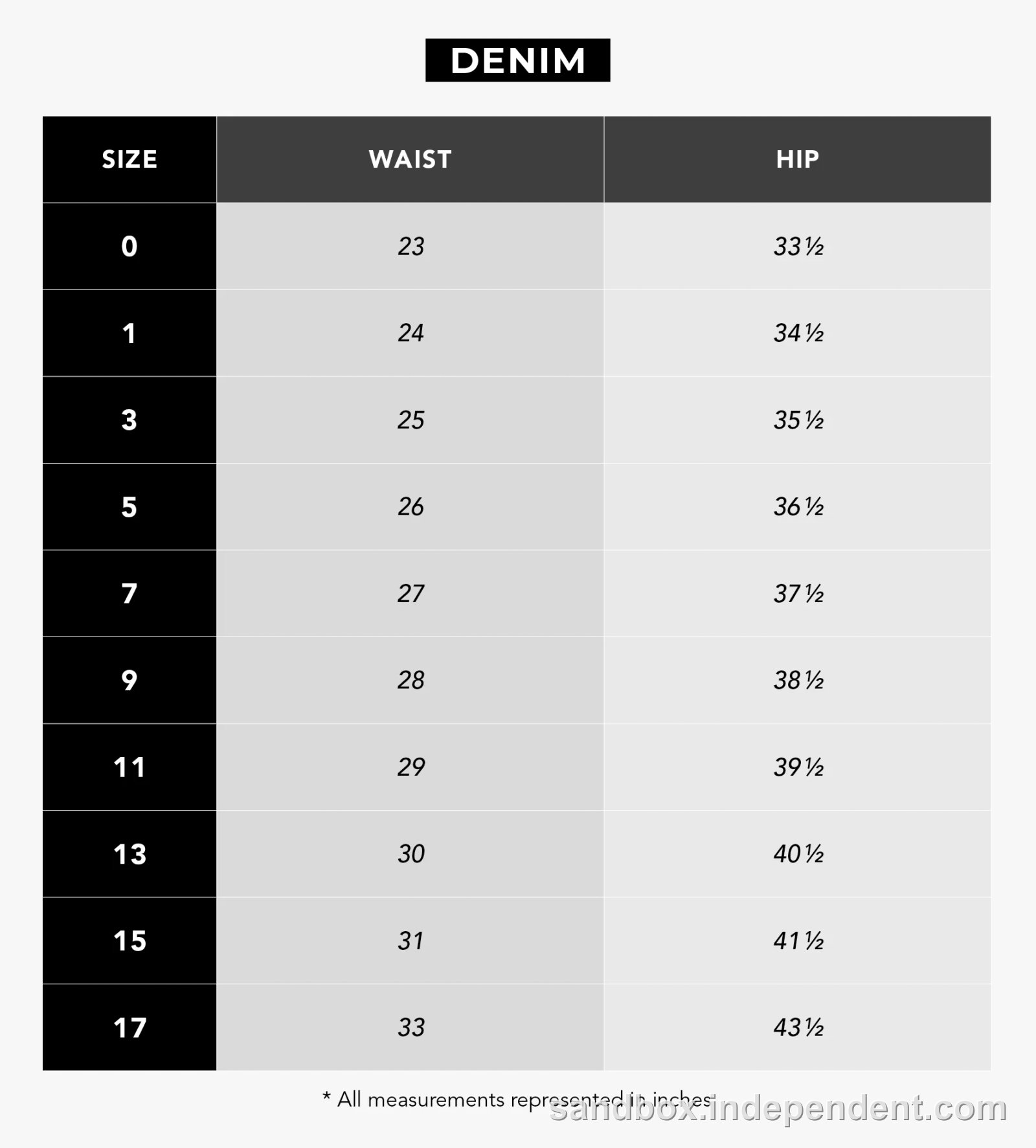
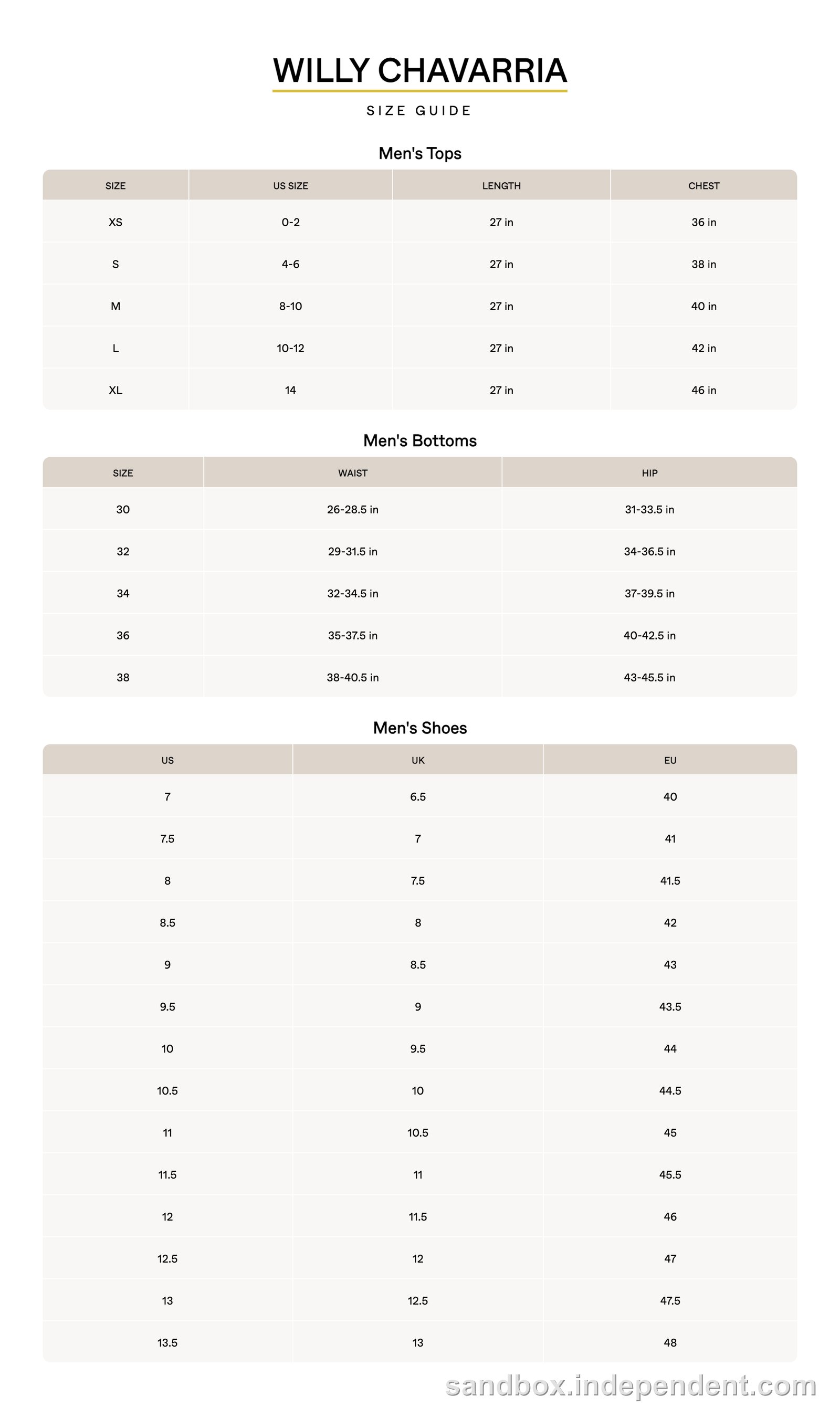
Many people assume that a boys size chart is a simple, universal tool, but it's important to understand that these charts can vary and require a bit of know-how to use accurately. While they provide a helpful framework, the values and measurements can differ based on various factors. A boys size chart is a valuable resource, offering a quick reference for standard body measurements, but it's essential to know how to interpret it for your specific needs.
Boys Clothing Size Chart: A Practical Guide
A boys clothing size chart is an essential tool for parents and caregivers to ensure a perfect fit for their little ones. This guide will walk you through the chart, its key details, and how to use it effectively.
Understanding the Chart: Key Details
The boys size chart provides a reference for clothing sizes based on standard body measurements. It typically includes categories such as age, height, and weight, along with the corresponding clothing size. The chart is designed to offer a general guide, and the measurements are in both centimeters (cm) and inches. It is important to note that the chart may vary depending on the standard being used, whether it is a regional or international standard.
Reading and Applying the Chart: Step-by-Step
To use the boys size chart accurately, follow these steps:
Identify the relevant category: Start by determining whether you need to refer to the age, height, or weight category. This will depend on the clothing item and its specific sizing requirements.
Measure accurately: For height and weight, use a reliable measuring tape or scale. Ensure the child is standing straight and relaxed for height measurements. Weigh the child without any heavy clothing or accessories.
Find the corresponding size: Locate the measured value on the chart and identify the associated clothing size. For example, if the height is 110 cm, the chart may indicate a size 6 for tops and a size 7 for bottoms.
Consider the garment type: Different clothing items may have slight variations in sizing. For instance, tops and bottoms may have different size recommendations. Refer to the specific garment's size guide for more precise information.
Allow for growth: Keep in mind that children grow rapidly, so it is wise to choose a size that allows for some growth. Opting for a slightly larger size ensures the clothing will fit for a longer period.
Variations and Differences: Why They Occur
Boys size charts can vary due to several factors:
Regional standards: Different countries and regions may have their own sizing systems, leading to variations in measurements and categories.
International standards: Even within the same region, clothing manufacturers may follow different international sizing guidelines, resulting in slight differences.
Manufacturer preferences: Individual brands or designers may have unique sizing charts, especially for specialized clothing or unique designs.
Garment type: Certain clothing items, like shoes or hats, may have their own specific sizing systems.
Common Mistakes and How to Avoid Them
To ensure accurate sizing, avoid these common mistakes:
Relying solely on age: Age is just one factor; height and weight play crucial roles in determining the right size.
Neglecting to measure: Always measure the child accurately to get the most precise size recommendation.
Ignoring growth: Remember to allow for growth, especially for rapidly growing children.
Assuming consistency: Different brands and styles may have varying fits, so always refer to the specific size chart for each item.
Practical Tips for Accurate Results
Follow these tips for the best results when using a boys size chart:
Measure regularly: Children grow quickly, so update measurements every few months to ensure an accurate fit.
Compare multiple charts: If you are unsure, compare size charts from different brands or standards to get a broader perspective.
Consider the fabric: The stretch and flexibility of the fabric can impact the fit, so take this into account when choosing sizes.
Try before you buy: Whenever possible, try on the clothing to ensure a perfect fit, especially for special occasions or formal wear.
Double-Checking and Handling Exceptions
In certain cases, it is essential to double-check or seek additional information:
Unique body types: If your child has a unique body shape or size, consult a professional or seek advice from experienced parents to ensure the best fit.
Specific garment requirements: Some clothing items, like sports gear or formal wear, may have specific sizing guidelines. Refer to the manufacturer's instructions or seek expert advice.
International travel: When traveling abroad, be aware of different sizing systems and convert sizes accordingly.
By following these guidelines and understanding the variations, you can confidently use the boys size chart to find the perfect fit for your child's clothing.
Remember, when working with size charts, it's essential to consider the specific context and requirements of your project. While the information provided here serves as a general guide, exact values can vary slightly depending on the standard or source you use.
Take a moment to review the key points and ensure you have all the necessary details before moving forward. And feel free to explore our other resources and guides; we have a range of practical tools and tips to offer, so there's always something new to discover!