





Daily Routine Planner Overview
I've got a question for you: have you ever noticed how many medical buildings are going up in our neighborhood? It seems like every time I turn around, there's a new construction site with those big signs advertising a future clinic or hospital. That got me thinking about medical building construction and all the work that goes into these projects. So, let's dive in and explore this topic together!
Understanding Medical Building Construction
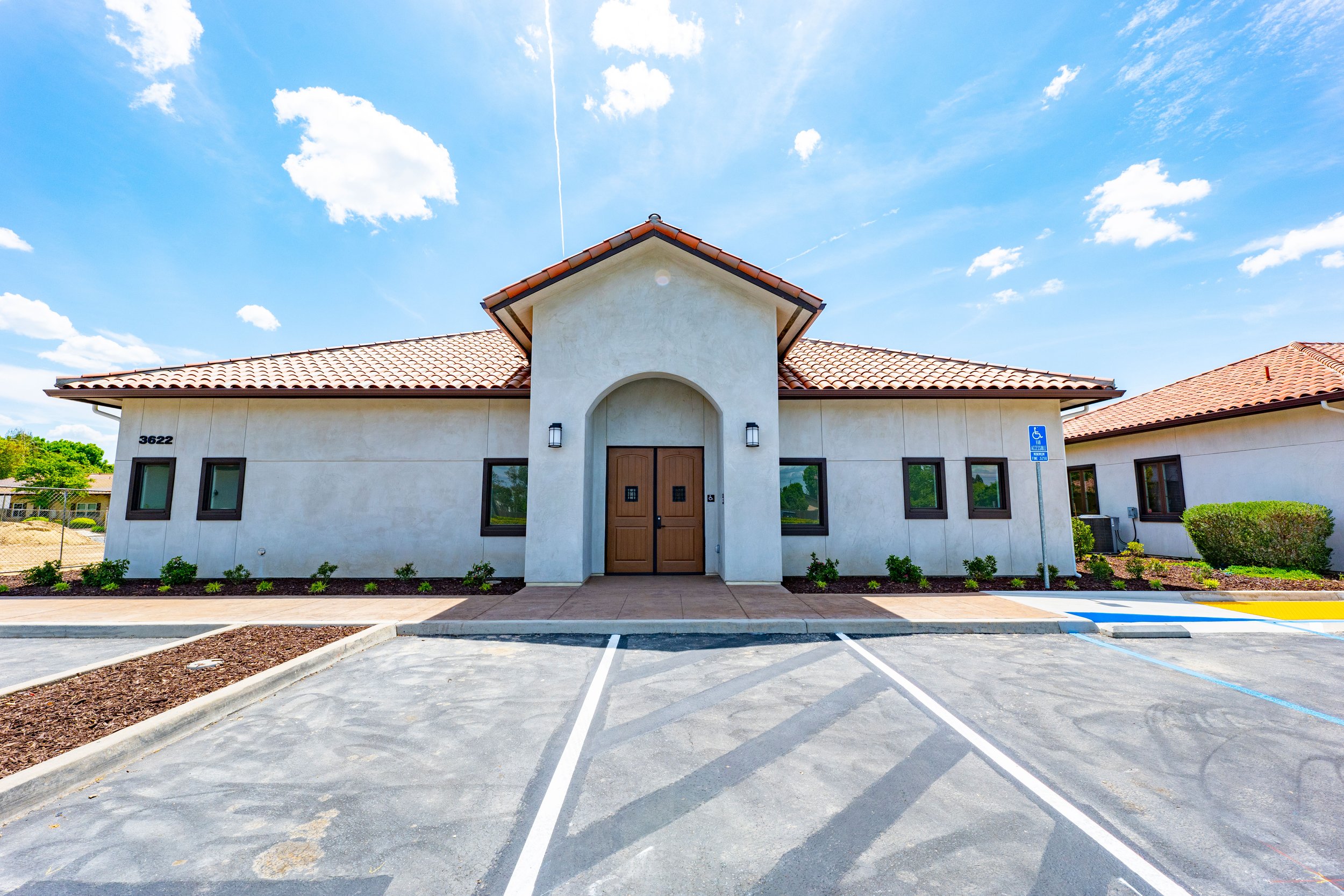
Medical building construction is a specialized field, and it's not just about building any old structure. These projects require a unique set of skills and considerations to ensure the safety and functionality of healthcare facilities. From hospitals to clinics, and even specialized research centers, each project presents its own set of challenges and opportunities.
One of the key aspects is understanding the specific needs of the medical industry. For instance, medical buildings often require specialized ventilation systems, infection control measures, and equipment that standard commercial or residential buildings don't need. This adds a layer of complexity to the construction process, but it's crucial to get it right.
Hiring the Right Team
When it comes to medical building construction, hiring the right team is essential. You'll want to find experienced general contractors or remodeling companies with a proven track record in healthcare construction. These professionals will understand the unique requirements and be able to guide you through the process, from design to completion.
Before hiring, it's a good idea to ask for references and check their previous work. You can also inquire about their experience with similar projects, as this will give you an idea of their capabilities and whether they can handle the specific needs of your medical building.
Costs and Pricing
As with any construction project, costs can vary widely depending on several factors. The size and scope of the building, the materials used, and the location can all impact the final price tag. It's important to get multiple quotes to compare and ensure you're getting a fair deal.
When comparing quotes, look beyond just the bottom line. Consider the reputation and experience of the company, their understanding of your specific needs, and the level of detail provided in their proposal. A thorough quote should outline the project scope, materials, labor, and any potential additional costs or contingencies.
Construction Jobs and Salaries
The medical building construction industry offers a range of job opportunities, from general contractors and estimators to specialized tradespeople like plumbers, electricians, and HVAC technicians. Salaries can vary depending on the role, experience, and location.
If you're interested in pursuing a career in this field, it's a good idea to start by gaining experience in construction and familiarizing yourself with the unique requirements of medical buildings. Many professionals find work through construction companies or by networking within the industry.
Industry Tools and Data
There are various tools and resources available to those in the medical building construction industry. For instance, RSMeans provides cost databases and estimating tools that can help with budgeting and planning. These resources take into account factors like escalation, which refers to the increase in construction costs over time due to inflation and other economic factors.
By using industry-specific tools, construction companies can stay ahead of the curve and provide accurate estimates and timelines for their clients.
Company Names and Naming Ideas
When it comes to naming your medical building construction company, you want something that's memorable, professional, and reflects your brand. Here are a few ideas to get you started:
- MedBuild
- HealthConstruct
- CareBuildings
- MedPro Construction
- Clinic Builders
- HealthSpace
Remember to check the availability of these names, both for business registration and domain names, to ensure you can establish a strong online presence.
Wrapping Up
So, there you have it! A quick dive into the world of medical building construction. Whether you're considering a career in this field, hiring a contractor, or just curious about the process, I hope this has given you some valuable insights. Remember, when it comes to construction, it's always a good idea to do your research and ask the right questions.
Related: Need a Lacoste Size Chart?
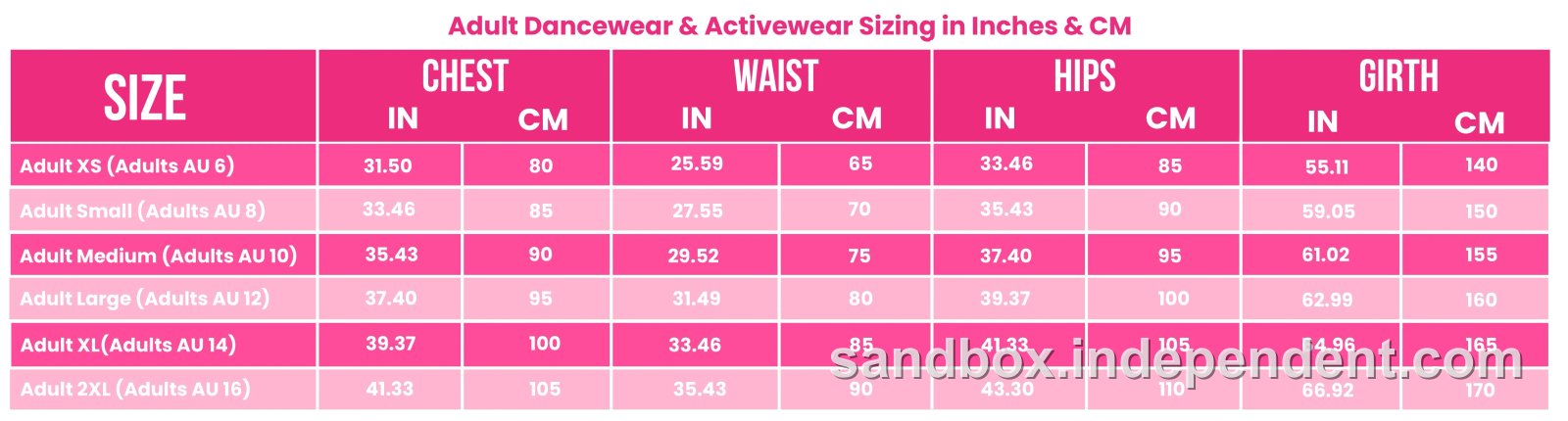
When it comes to shopping for Lacoste clothing, having a reliable Lacoste size chart at hand is essential. This guide will provide you with the tools to navigate and understand the size charts accurately, ensuring a perfect fit every time. Whether you're after a men's polo shirt or a women's dress, knowing how to interpret size guides is key.
Understanding the Lacoste Size Chart
The Lacoste size chart is a valuable tool for anyone looking to purchase clothing from this iconic brand. It provides a clear guide to help you find your perfect fit, ensuring a comfortable and stylish experience. This chart offers a standardized sizing system, making it easy to navigate and understand.
Comparing Size Standards and Formats
Lacoste's size chart follows a straightforward format, typically featuring columns for different clothing categories, such as tops, bottoms, and dresses. Each category further breaks down into specific garment types, like polo shirts or jeans. The chart provides measurements in both centimeters (cm) and inches, catering to international customers.
Measuring Yourself Accurately: A Step-by-Step Guide
- Start by identifying the clothing category you're interested in, whether it's a men's polo shirt or a women's dress.
- Locate the corresponding section on the Lacoste size chart.
- Measure your body accurately using a flexible tape measure. For tops, measure your chest circumference at the fullest part. For bottoms, measure your waist and hip circumference.
- Compare your measurements to the size chart. Find the row that most closely matches your measurements.
- Consider the fit you prefer. If you like a looser fit, choose a size slightly larger than your exact measurements. For a more tailored look, go for a size that aligns with your measurements.
Common Size Discrepancies and How to Avoid Them
It's important to note that size charts can vary slightly between brands and even within a brand's different collections. While Lacoste's size chart is a reliable guide, there might be minor variations. To ensure an accurate fit, always double-check the specific size guide for the item you're interested in. Additionally, be aware of the standard being used. Lacoste, like many brands, provides measurements in both cm and inches, so ensure you're referencing the correct column. Remember, accurate measuring is key to achieving the perfect fit.
Remember, when it comes to sizing, a little extra care goes a long way. While our guide provides a solid framework, it's always wise to consider your unique needs and preferences. The exact values can vary, so take a moment to ensure you've accounted for any specific requirements you may have.
Feel free to explore our other resources and guides; we've got plenty of practical tips and tools to help you navigate the world of fashion and sizing with ease. Happy browsing!
Related: Public Listed Construction Company Essential Guide
I was walking past a busy construction site the other day, and it got me thinking about public listed construction companies. Who are these firms, and what do they do? Well, let's find out!
Understanding Public Listed Construction Companies
A public listed construction company is a business that builds and renovates structures, from homes to commercial buildings, and everything in between. These companies are often large-scale operations, with the resources to take on major projects. They might construct new buildings from the ground up or handle complex renovations and additions. The key here is that these companies are publicly listed, which means their shares are traded on a stock exchange and anyone can invest in them.
So, why does this matter? Well, for one, it means these companies are usually well-established and financially stable. They have the backing of investors and the public market, which can be a good sign of their long-term viability. This stability is important when you're considering hiring a contractor for a big project. You want to know they'll be around to honor their warranty and provide ongoing support.
Hiring a Contractor: What to Look For
When you're in the market for a contractor, whether it's for a home renovation or a new build, there are a few key things to consider. First, check their licensing and insurance. Make sure they're properly registered and insured for the work they do. This protects you in case of accidents or issues down the line. Next, ask for references and check their online reviews. Seeing what past clients have to say can give you a good idea of the company's reliability and quality of work.
It's also important to get multiple quotes. Prices can vary widely, and you want to make sure you're getting a fair deal. Compare apples to apples though; make sure the scope of work is the same across all quotes. And don't forget to ask about the timeline. A good contractor will give you a realistic estimate of how long the project will take, and they should be able to explain any potential delays.
Naming Your Construction Business
If you're in the construction business or thinking of starting one, you'll need a great name. A catchy, memorable name can help you stand out and make a good first impression. But what makes a good name? It should be unique, easy to remember, and reflect your business's personality or services. Avoid names that are too generic or could be confused with other businesses.
Here are a few original name ideas:
- BuildCraft
- Renova Solutions
- StructureWorks
- HomeRevamp
- ConstructoPros
- BuildTech
Remember to check the availability of these names and secure the relevant domains and local registrations before you finalize your choice.
The Construction Industry: A Quick Overview
The construction industry is a vast and diverse field, with roles ranging from general contractors to specialized tradespeople. Estimators, for example, play a crucial role in calculating costs and providing accurate quotes. Then there are project managers, who oversee the entire operation, ensuring it stays on track and within budget. These jobs can be found through various channels, including online job boards, industry-specific websites, and even word-of-mouth recommendations.
Data and Tools: RSMeans and More
In the construction world, tools like RSMeans are essential. RSMeans provides cost data and estimating tools, helping contractors and companies accurately price their work. It's a valuable resource for staying competitive and ensuring projects are financially viable. Similarly, cost databases and indexes are used to track and predict construction costs, helping businesses plan and budget effectively.
Large vs. Small Construction Firms
The construction industry is diverse, with a range of company sizes. Large firms often have the resources to take on big, complex projects and may have a national or even international presence. They can offer a wide range of services and have the manpower to handle multiple projects simultaneously. On the other hand, smaller firms might specialize in a particular area, like home renovations, and offer a more personalized service. They might be better suited to local projects and have a strong understanding of the specific market and its needs.
So, there you have it! A quick dive into the world of public listed construction companies. Whether you're looking to hire a contractor or just curious about the industry, I hope this gives you a better understanding of what these companies do and how they operate.