


Daily Weekly Monthly Planner Overview
A chore weekly chart is a handy tool to keep your household tasks organized and ensure a smooth daily routine. This guide will show you how to make the most of your chart, offering a simple and effective way to manage chores.
The beauty of a chore chart is its adaptability; you can customize it to fit your family's needs. Whether you prefer a simple task list or a more visual weekly planner, the key is finding a format that works for you and helps keep everyone on track with their household duties.
What is a Chore Weekly Chart?
A chore weekly chart is a practical tool to help you organize and manage household tasks efficiently. It's a visual representation of your weekly chores, making it easier to stay on top of your responsibilities and ensure a clean and well-maintained home.
Understanding the Key Details
The chart typically consists of a grid with days of the week across the top and chore categories down the side. Each cell represents a specific chore for a particular day. Common categories include cleaning tasks like vacuuming, laundry, dishes, and grocery shopping. The chart provides a clear overview of what needs to be done and when.
Reading and Applying the Chart
Here's a step-by-step guide to using your chore weekly chart:
- Start by identifying the tasks you want to include. Consider daily, weekly, and monthly chores, as well as any specific tasks that need to be done regularly, like taking out the trash or changing bed linens.
- Assign tasks to each day of the week. Distribute the chores evenly to avoid an overwhelming workload on any single day.
- Use symbols or colors to indicate the status of each chore. For example, a checkmark can signify completion, while a red X might mean the task is overdue.
- Review and update your chart regularly. As you complete tasks, mark them off. If something comes up and a chore needs to be rescheduled, adjust the chart accordingly.
- Involve your family or housemates. If you're sharing the workload, ensure everyone understands their responsibilities and can refer to the chart for guidance.
Variations and Differences
While the basic concept of a chore weekly chart remains consistent, there can be variations based on personal preferences and household needs. Here are some factors that may cause differences:
- Household size: A larger family may require more complex chore rotations to ensure fairness.
- Individual preferences: Some people prefer a simple list format, while others like the visual appeal and organization of a chart.
- Task frequency: Certain chores may need to be done daily or monthly, influencing how you structure your chart.
Common Mistakes and How to Avoid Them
It's easy to make mistakes when creating a chore weekly chart, but these tips can help you avoid them:
- Overloading: Avoid assigning too many tasks to one day. Spread the workload evenly to prevent burnout.
- Forgetting regular tasks: Include all recurring chores, even if they seem obvious. It's easy to overlook something like taking out the recycling or wiping down kitchen counters.
- Not updating: Regularly review and update your chart to reflect changes in your routine or household needs.
Tips for Success
To make the most of your chore weekly chart and ensure it works effectively for your household, consider these best practices:
- Personalize your chart: Tailor it to your specific needs and preferences. Add notes or symbols that make sense to you and your family.
- Keep it visible: Display your chart in a central location, like the kitchen or family room, so everyone can refer to it easily.
- Review and adjust: Regularly assess how well your chart is working and make adjustments as needed. Flexibility is key to a successful chore management system.
- Involve everyone: Encourage participation and ownership of chores by involving all family members or housemates in creating and maintaining the chart.
A chore weekly chart is a great way to stay organized and ensure everyone pitches in. With the right approach, you can create a simple and effective system for your household. Remember, it's all about finding a balance and making it work for your unique situation.
When adapting any guide, it's important to consider your specific needs and context. While these charts offer a solid framework, they can be tailored to suit your family's routines and preferences. So, take the time to customize and make it your own! And don't forget to explore our other resources for even more practical tips and tricks.
Related: Decoding the Firewood BTU Chart
You're here because you need a straightforward answer, and the firewood btu chart is your go-to resource. It's a simple yet powerful tool, offering a quick glance at the energy content of different woods. This chart is a handy reference, providing values for the heating value of firewood, often measured in btu per cord or pound. With this information, you can make informed choices, ensuring your firewood stack is efficient and effective.
Understanding the Firewood BTU Chart: A Quick Overview
The firewood BTU chart is a valuable tool for anyone using wood as a heat source. It provides a reference guide to the energy content of various firewood types, helping you make informed choices for efficient heating. This chart offers a standardized way to compare the heating value of different woods.
Comparing Firewood Types and Their BTU Ratings
The chart categorizes firewood by species, offering a range of common and less-common woods. Each wood type has a BTU (British Thermal Unit) rating, which indicates the heat energy it can produce. BTUs measure the amount of heat needed to raise the temperature of water by one degree Fahrenheit. The higher the BTU rating, the more heat potential the wood has. For example, hardwoods like oak and maple tend to have higher BTU ratings compared to softwoods like pine.
Step-by-Step Guide to Reading the Firewood BTU Chart
When using the firewood BTU chart, follow these steps:
- Identify the wood species you are using or considering.
- Locate the corresponding BTU rating on the chart.
- Understand the rating in the context of your heating needs. A higher BTU rating means the wood will produce more heat, but it may also burn faster.
- Consider the efficiency of your fireplace or stove. Some appliances are more efficient at extracting heat from the wood, so the BTU rating can be a guide for optimal wood selection.
- If you're buying firewood, use the chart to estimate the energy content of a cord of wood. A cord is a standard measurement for firewood, typically 128 cubic feet.
Avoiding Misreadings and Pitfalls
It's important to note that the firewood BTU chart provides a general guide, and actual heat output can vary. Factors like wood moisture content, density, and the efficiency of your heating appliance can impact the results. Always ensure your wood is properly seasoned (dried) to achieve the best heat output. Additionally, be aware that the BTU ratings on the chart are for green (freshly cut) wood. As wood dries, its energy content can increase, so the actual BTUs may be higher than the chart indicates.
Factors Affecting Accuracy and Real-World Use
Several key factors influence the accuracy of the firewood BTU chart and its application:
- Wood Moisture Content: Freshly cut wood has a higher moisture content, which reduces its energy content. As wood dries, its BTU value increases.
- Wood Density: Denser woods, like oak, have higher BTU ratings due to their compact structure.
- Heating Appliance Efficiency: The efficiency of your fireplace or stove can significantly impact the heat output from the wood.
- Seasoning Time: Properly seasoned wood, typically dried for 6-12 months, burns more efficiently and produces more heat.
- Regional Variations: Different regions may have variations in wood species and growth conditions, which can affect the BTU ratings.
Adapting the Firewood BTU Chart for Specific Needs
The firewood BTU chart is a versatile tool, and you can adapt it to suit your specific heating requirements. If you have a high-efficiency fireplace or stove, you may want to focus on woods with higher BTU ratings for maximum heat output. For traditional fireplaces, a mix of hardwoods and softwoods can provide a balanced burn. If you're unsure about the BTU ratings of local wood species, consult with local firewood suppliers or forestry experts. They can provide valuable insights into the best wood choices for your region.
Well, that's a wrap on our firewood BTU adventure! We've covered a lot of ground, from understanding the chart's purpose to navigating its various components and potential pitfalls.
Remember, while this guide offers a comprehensive overview, your unique circumstances may require further consideration. Always refer to reliable sources and adapt the information to your specific needs. It's a simple step that can make a big difference in your firewood choices and overall experience.
Consider bookmarking this page for future reference. It's a handy tool to have at your fingertips when you need a quick reminder or a deeper dive into the world of firewood BTUs. Until next time, happy (and informed) burning!
Related: Boys Size Chart: A Simple Guide
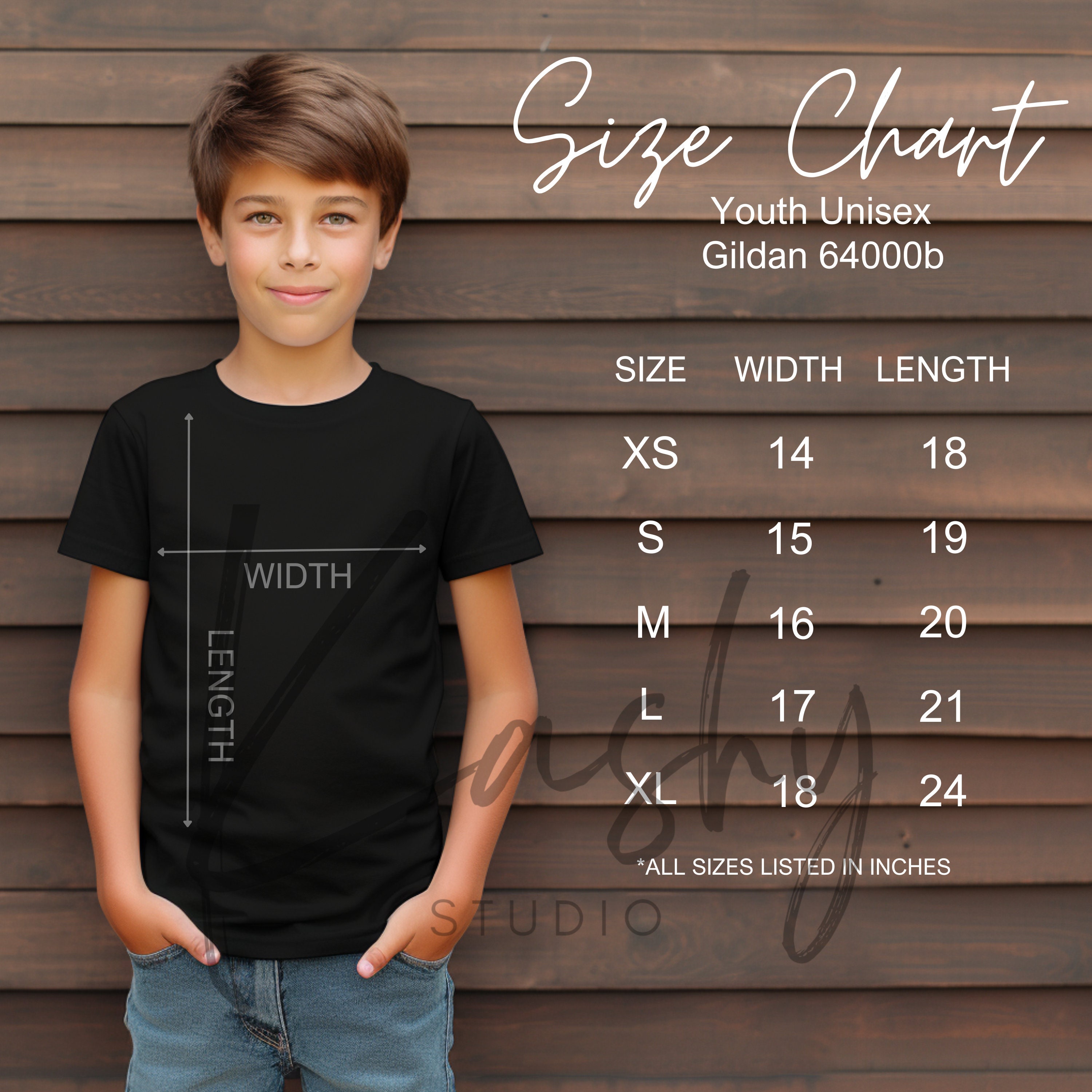
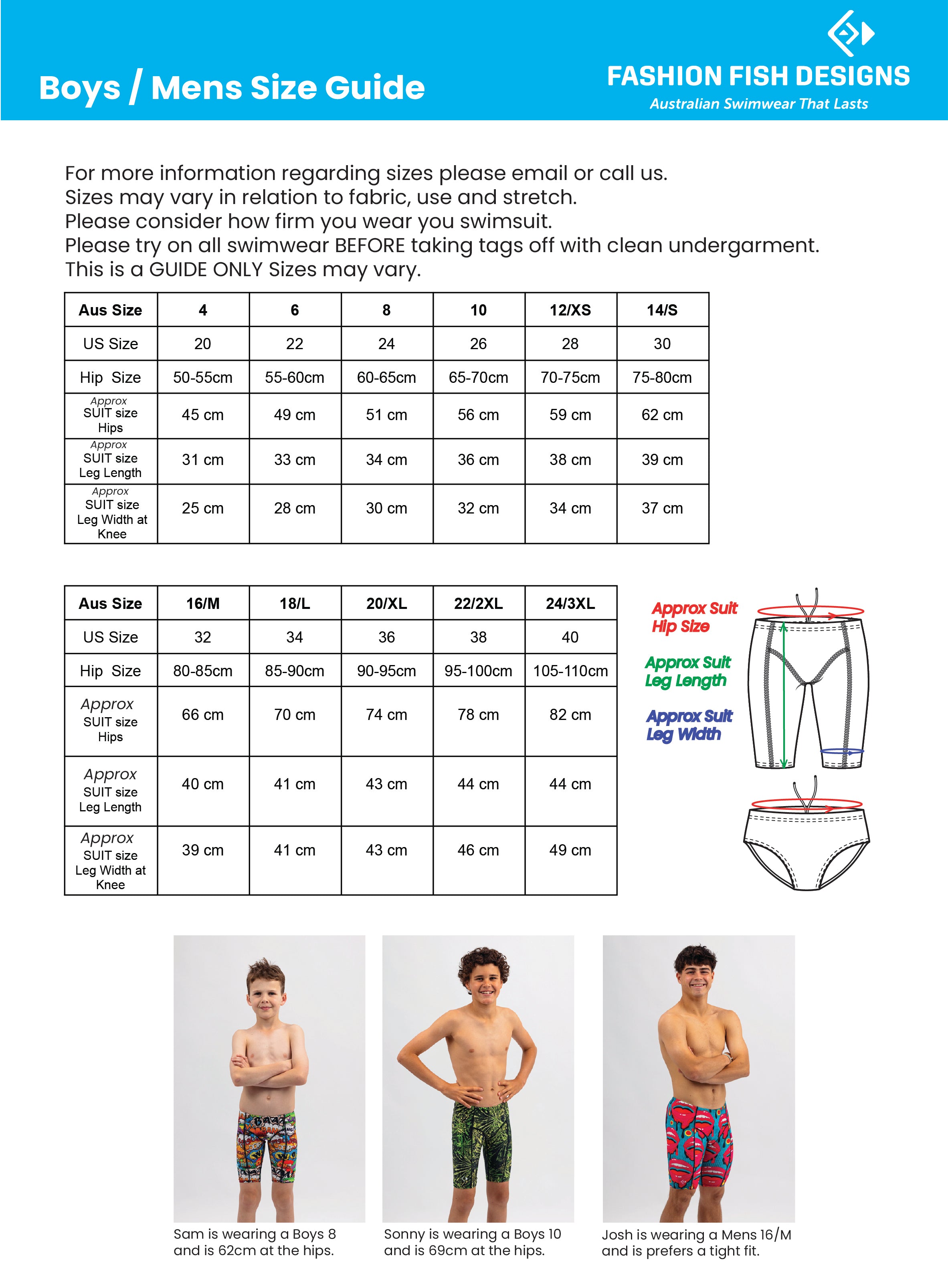
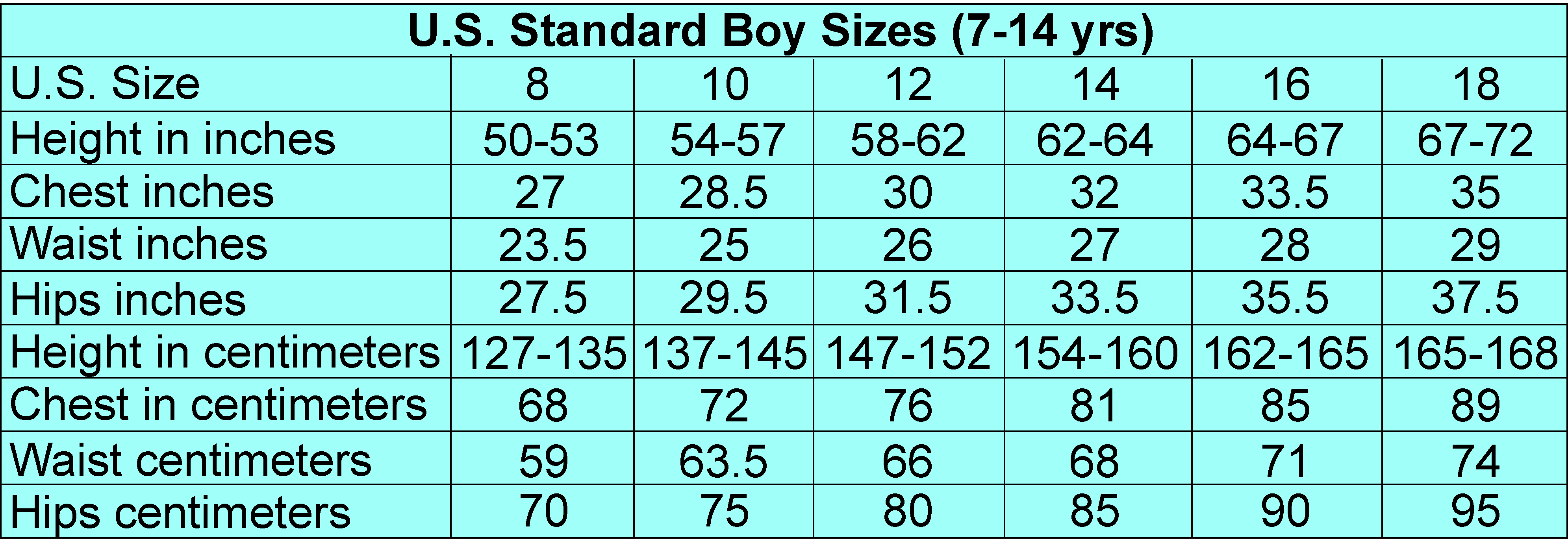
Many people assume that a boys size chart is a simple, universal tool, but it's important to understand that these charts can vary and require a bit of know-how to use accurately. While they provide a helpful framework, the values and measurements can differ based on various factors. A boys size chart is a valuable resource, offering a quick reference for standard body measurements, but it's essential to know how to interpret it for your specific needs.
Boys Clothing Size Chart: A Practical Guide
A boys clothing size chart is an essential tool for parents and caregivers to ensure a perfect fit for their little ones. This guide will walk you through the chart, its key details, and how to use it effectively.
Understanding the Chart: Key Details
The boys size chart provides a reference for clothing sizes based on standard body measurements. It typically includes categories such as age, height, and weight, along with the corresponding clothing size. The chart is designed to offer a general guide, and the measurements are in both centimeters (cm) and inches. It is important to note that the chart may vary depending on the standard being used, whether it is a regional or international standard.
Reading and Applying the Chart: Step-by-Step
To use the boys size chart accurately, follow these steps:
Identify the relevant category: Start by determining whether you need to refer to the age, height, or weight category. This will depend on the clothing item and its specific sizing requirements.
Measure accurately: For height and weight, use a reliable measuring tape or scale. Ensure the child is standing straight and relaxed for height measurements. Weigh the child without any heavy clothing or accessories.
Find the corresponding size: Locate the measured value on the chart and identify the associated clothing size. For example, if the height is 110 cm, the chart may indicate a size 6 for tops and a size 7 for bottoms.
Consider the garment type: Different clothing items may have slight variations in sizing. For instance, tops and bottoms may have different size recommendations. Refer to the specific garment's size guide for more precise information.
Allow for growth: Keep in mind that children grow rapidly, so it is wise to choose a size that allows for some growth. Opting for a slightly larger size ensures the clothing will fit for a longer period.
Variations and Differences: Why They Occur
Boys size charts can vary due to several factors:
Regional standards: Different countries and regions may have their own sizing systems, leading to variations in measurements and categories.
International standards: Even within the same region, clothing manufacturers may follow different international sizing guidelines, resulting in slight differences.
Manufacturer preferences: Individual brands or designers may have unique sizing charts, especially for specialized clothing or unique designs.
Garment type: Certain clothing items, like shoes or hats, may have their own specific sizing systems.
Common Mistakes and How to Avoid Them
To ensure accurate sizing, avoid these common mistakes:
Relying solely on age: Age is just one factor; height and weight play crucial roles in determining the right size.
Neglecting to measure: Always measure the child accurately to get the most precise size recommendation.
Ignoring growth: Remember to allow for growth, especially for rapidly growing children.
Assuming consistency: Different brands and styles may have varying fits, so always refer to the specific size chart for each item.
Practical Tips for Accurate Results
Follow these tips for the best results when using a boys size chart:
Measure regularly: Children grow quickly, so update measurements every few months to ensure an accurate fit.
Compare multiple charts: If you are unsure, compare size charts from different brands or standards to get a broader perspective.
Consider the fabric: The stretch and flexibility of the fabric can impact the fit, so take this into account when choosing sizes.
Try before you buy: Whenever possible, try on the clothing to ensure a perfect fit, especially for special occasions or formal wear.
Double-Checking and Handling Exceptions
In certain cases, it is essential to double-check or seek additional information:
Unique body types: If your child has a unique body shape or size, consult a professional or seek advice from experienced parents to ensure the best fit.
Specific garment requirements: Some clothing items, like sports gear or formal wear, may have specific sizing guidelines. Refer to the manufacturer's instructions or seek expert advice.
International travel: When traveling abroad, be aware of different sizing systems and convert sizes accordingly.
By following these guidelines and understanding the variations, you can confidently use the boys size chart to find the perfect fit for your child's clothing.
Remember, when working with size charts, it's essential to consider the specific context and requirements of your project. While the information provided here serves as a general guide, exact values can vary slightly depending on the standard or source you use.
Take a moment to review the key points and ensure you have all the necessary details before moving forward. And feel free to explore our other resources and guides; we have a range of practical tools and tips to offer, so there's always something new to discover!