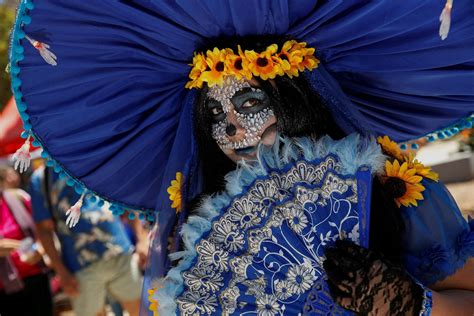
The vibrant colors, the elaborate altars, and the infectious joy that fills the air - the Day of the Dead, or Día de los Muertos, is a celebration like no other. This traditional Mexican holiday, honoring the dearly departed, is a time for families to come together, share stories, and welcome back the spirits of their loved ones. As we delve into the history, symbolism, and modern-day practices of this captivating celebration, you’ll discover why the Day of the Dead has become an integral part of Mexican culture and a source of fascination for people around the world.
To understand the essence of the Day of the Dead, it’s essential to explore its origins. The holiday has its roots in the indigenous cultures of Mexico, dating back to the time of the Aztecs and the Mayans. These ancient civilizations believed that the souls of the deceased would return to earth on specific days of the year, and they would leave offerings of food, drink, and other items to appease these spirits. The arrival of the Spanish conquistadors and the subsequent blending of Catholicism with indigenous traditions gave birth to the modern-day celebration we know today.
One of the most striking aspects of the Day of the Dead is the construction of elaborate altars, known as ofrendas, in homes, schools, and public spaces. These vibrant structures are adorned with photographs, flowers, candles, and favorite items of the deceased, creating a visual feast that honors the lives of those who have passed on. The ofrendas serve as a conduit between the world of the living and the world of the dead, allowing families to communicate with their loved ones and share stories of their lives. As you wander through the streets during the Day of the Dead, you’ll be mesmerized by the sheer scale and creativity of these altars, each one a testament to the love and devotion of the families who built them.
The symbolism of the Day of the Dead is equally fascinating. The holiday is typically celebrated on November 1st and 2nd, with the first day honoring the lives of children and the second day dedicated to adults. The iconic sugar skulls, or alfeñiques, that decorate the altars and are given as gifts, represent the cycle of life and death, reminding us that our time on earth is precious and fleeting. The marigold flowers, or zempasúchil, which are used to adorn the altars and pathways, are believed to guide the spirits back to their families, their strong scent and vibrant color serving as a beacon in the darkness. As you immerse yourself in the sights, sounds, and aromas of the Day of the Dead, you’ll begin to appreciate the intricate web of symbolism that underlies this celebration.
In modern times, the Day of the Dead has evolved to incorporate new traditions and practices, while still maintaining its core spirit. In many parts of Mexico, families will spend hours preparing elaborate meals, featuring dishes such as pan de muerto, a sweet bread, and mole, a rich, chocolate-based sauce. The streets are filled with music, dance, and laughter, as people come together to celebrate the lives of their loved ones. The holiday has also become an opportunity for communities to come together, with parades, processions, and other public events that showcase the vibrant culture of Mexico. As you experience the Day of the Dead firsthand, you’ll be struck by the sense of community and solidarity that permeates every aspect of the celebration.
The impact of the Day of the Dead extends far beyond Mexico’s borders, with the holiday being celebrated in many countries around the world. In the United States, for example, the Day of the Dead has become an important part of the cultural landscape, with many cities and towns hosting their own celebrations. The holiday has also inspired a new generation of artists, writers, and musicians, who draw upon the rich symbolism and traditions of the Day of the Dead to create innovative and thought-provoking works. As the world becomes increasingly interconnected, the Day of the Dead serves as a powerful reminder of the importance of honoring our heritage and preserving our cultural traditions.
What is the significance of the sugar skulls in the Day of the Dead celebrations?
+The sugar skulls, or alfeñiques, represent the cycle of life and death, reminding us that our time on earth is precious and fleeting. They are often decorated with the name of the deceased and are given as gifts to honor their memory.
How do families prepare for the Day of the Dead celebrations?
+Families spend hours preparing elaborate meals, decorating altars, and creating ofrendas to honor their loved ones. They also clean and decorate the graves of their ancestors, often leaving flowers, candles, and other offerings.
What is the importance of the marigold flowers in the Day of the Dead celebrations?
+The marigold flowers, or zempasúchil, are believed to guide the spirits back to their families, their strong scent and vibrant color serving as a beacon in the darkness. They are often used to adorn the altars and pathways, creating a beautiful and fragrant display.
As the Day of the Dead celebrations come to a close, families will often gather around the altars, sharing stories and memories of their loved ones. The air is filled with the sweet scent of incense, the sound of laughter and music, and the warmth of candles and flowers. It’s a time for reflection, for connection, and for honoring the lives of those who have passed on. As you experience the magic of the Day of the Dead, you’ll come to understand why this holiday has become an integral part of Mexican culture and a source of inspiration for people around the world.
The Day of the Dead is more than just a celebration - it’s a way of life. It’s a reminder that our time on earth is precious, and that the memories and experiences we create with our loved ones are what truly matter. As you delve deeper into the history, symbolism, and traditions of this captivating holiday, you’ll discover the beauty and richness of Mexican culture, and the importance of honoring our heritage and preserving our cultural traditions. Whether you’re experiencing the Day of the Dead in Mexico or in a community near you, you’ll be struck by the sense of joy, love, and connection that permeates every aspect of this unforgettable celebration.