






Day Planner Template Word Overview
Many folks mistakenly assume that an fsu depth chart is only for die-hard fans or coaches, but it's actually a handy tool for any FSU football enthusiast. It's not as complex as it may seem; think of it as a simple map guiding you through the team's lineup.
This chart offers a quick snapshot of the players and their positions, providing an easy reference for understanding the game and following the action. Whether you're tracking the fsu football roster or just want a clear view of the starting lineup, the depth chart has you covered.
Understanding the FSU Depth Chart
The FSU depth chart is a valuable tool for any fan or follower of Florida State University football. It's a visual representation, often in the form of a table or diagram, that outlines the team's roster and player positions. This chart provides an overview of the depth and talent within the team, giving you a quick glimpse of who's on the squad and their roles.
Comparing Key Positions and Formats
When you look at an FSU depth chart, you'll notice columns representing different player positions, such as quarterback, running back, wide receiver, and so on. Each position has a starter and often multiple backup options listed in order of their depth. The chart may also include additional columns for key stats, like height, weight, and year in school, providing a quick reference for player attributes.
Reading and Interpreting the Chart
To read the FSU depth chart effectively, follow these steps:
Identify the position columns. These are usually labeled clearly, such as "QB" for quarterback or "RB" for running back.
Locate the starter for each position. They are typically listed first, often in bold or highlighted in some way.
Scan the backup options. These are usually listed in order of their depth, so the second player is the primary backup, the third is the secondary backup, and so on.
Take note of any special teams or utility players. These are often listed separately and may have unique roles or positions.
Compare players within positions. The chart can help you see how the starters and backups stack up against each other in terms of experience, size, and other attributes.
Common Misreadings and Pitfalls
It's important to remember that the FSU depth chart is a snapshot in time and can change rapidly. Here are some potential misreadings and how to avoid them:
Don't assume starters are set in stone. Coaches may rotate players or make changes based on performance, injuries, or strategy.
Be aware of injuries or suspensions. These can impact the depth chart significantly, so always check for the latest updates.
Understand the difference between game-day and practice depth charts. The latter may include more players and provide a broader view of the team's talent pool.
Factors Affecting Depth Chart Accuracy
The accuracy of the FSU depth chart can be influenced by several factors:
Player performance and development: As players improve or regress, their depth chart ranking may change.
Injuries and health: These can impact a player's availability and depth chart position.
Recruiting and transfers: New players joining the team can affect the depth chart, especially if they are highly ranked recruits or experienced transfers.
Coaching decisions: The coaching staff's strategies and preferences play a significant role in depth chart rankings.
Game performance: Strong or weak performances in games can influence a player's standing on the depth chart.
Remember, the FSU depth chart is a dynamic tool, and while it provides a great overview, it's always wise to stay updated with the latest news and analysis to fully understand the team's depth and talent.
Hey there! We've covered a lot of ground with the FSU depth chart, and it's great to have a solid understanding of this useful tool. Remember, while we've outlined the basics, the specifics might differ slightly based on your unique circumstances.
Don't forget to explore other guides on our site; there's a wealth of knowledge waiting to be discovered. It's always beneficial to expand your horizons and learn about different aspects of these charts and their applications. Happy reading and learning!
Related: How to Read the UCLA Depth Chart?
A ucla depth chart is your go-to resource for understanding the Bruins' team structure. This guide will walk you through the basics, ensuring you can navigate and utilize this chart like a pro.
It's a simple yet powerful tool, offering a clear view of player positions and team dynamics. Whether you're a sports enthusiast or just starting out, the ucla depth chart provides an easy-to-follow snapshot of the team's lineup, making it an essential reference for anyone wanting to stay informed.
Understanding the UCLA Depth Chart
The UCLA depth chart is a valuable tool for sports enthusiasts and analysts, offering a detailed look at the Bruins' roster and their player positions. It's like a map that guides you through the team's lineup, showing you who's in and who's ready to step in.
Key Positions and Categories
This chart is organized by player positions, with each position having a hierarchy. You'll find the starting players at the top, followed by backups and reserves. It's a clear way to see the depth of talent on the team. The positions are typically divided into offense, defense, and special teams, with further subdivisions for specific roles.
Depth Chart Analysis: A Step-by-Step Guide
Here's how to read and understand a UCLA depth chart:
- Start by identifying the position groups. These are usually labeled clearly, so you know which section to focus on.
- Within each position, the players are listed in order of their role. The starters are at the top, followed by backups. Look for the player's name, number, and sometimes their year in school.
- Pay attention to the depth. A well-balanced chart will show multiple players for each position, indicating a strong team with options.
- Some charts may also include additional info like player heights, weights, and even their hometowns, providing a more comprehensive view.
Variations and Differences
While the UCLA depth chart follows a standard format, variations can occur based on the sport and specific team strategies. For instance, in football, you might see different formations like the 3-4 defense or the 4-3 defense, which impact the depth chart's layout. Additionally, injuries or strategic decisions can lead to last-minute changes, so it's always a good idea to refer to the most recent chart for accurate information.
Remember, the depth chart is a dynamic tool, and understanding it can enhance your appreciation of the team's strategy and player talent.
Hey there, we hope this guide has given you a solid understanding of the UCLA depth chart and its practical uses. Remember, while the basics remain the same, there might be slight variations depending on your specific context or the source you're referencing.
Feel free to explore other guides on our site to deepen your knowledge and stay informed about the latest developments. We've got a range of topics covered, so you can always find something useful and relevant. Happy learning!
Related: Construction Company Name Suggestions Easy Guide
I've got a question for you: when you think of a construction company, what's the first thing that pops into your mind? Is it the name? I mean, let's be real, some of those names are pretty memorable, right? But for those of us starting out or rebranding, finding the perfect name can be a challenge. So, let's dive into construction company name suggestions and uncover some tips and ideas to help you out.
Unlocking the Perfect Name
When it comes to naming your construction business, there's more to it than just coming up with a catchy phrase. You want a name that represents your company's values, services, and maybe even your unique selling point. It should be memorable and professional, leaving a lasting impression on potential clients. So, how do you achieve this? Well, let's explore some key considerations.
First, think about the services you offer. Are you a general contractor, a remodeling expert, or do you specialize in a particular area like green building or historic restoration? Your name can reflect this, giving customers an instant idea of what you do. For example, "Green Build Construction" hints at an eco-friendly focus, while "Classic Renovations" suggests a company that specializes in restoring older homes.
Next, consider your target audience. Are you aiming for a local, neighborhood feel, or do you want a name that conveys a more regional or national reach? A name like "Baltimore Builders" might appeal to a local audience, while "Nationwide Construction" could attract a wider client base.
Standing Out and Staying Legal
A unique and memorable name is great, but you also want to avoid any legal issues. Check the availability of your chosen name with your local business registration office and domain name registrars. You don't want to spend time and effort building a brand only to discover someone else has already claimed the name!
It's also worth considering the tone and imagery your name conveys. You might want to avoid anything too playful or lighthearted if you're aiming for a more serious, high-end clientele. On the other hand, a fun and catchy name could be perfect for a company targeting younger, more casual customers.
A Few Name Ideas to Inspire
Here's a short list of name suggestions to get your creative juices flowing:
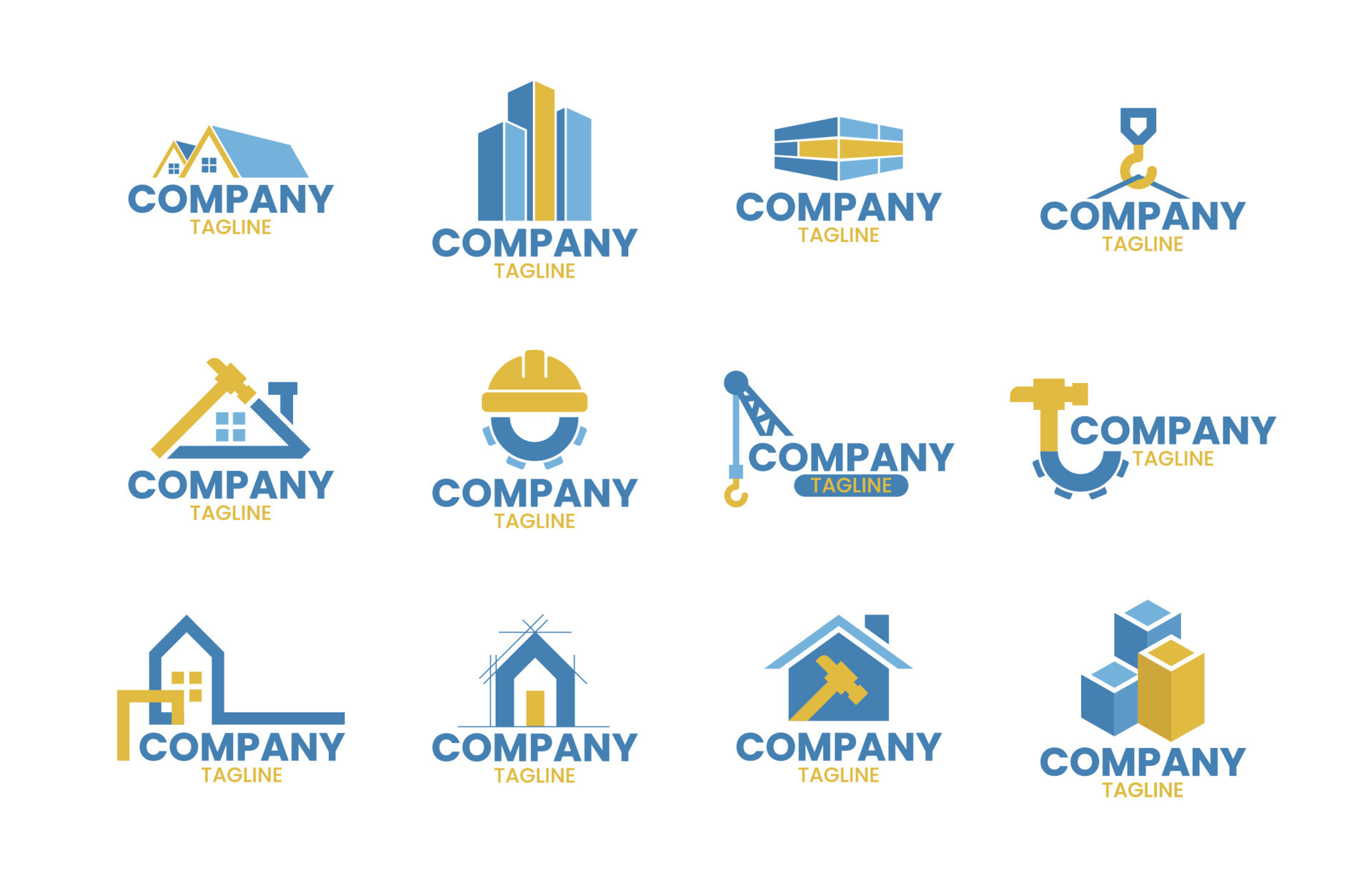
- Build & Beyond
- Renovate & Restore
- Constructive Solutions
- Home Crafters
- BuildTech Innovations
- Skyrise Builders
Remember, these are just a few ideas, and you can get creative and come up with something truly unique to your business.
Wrapping Up
Naming your construction company is an important step in building your brand. It's a chance to make a great first impression and showcase your business's personality and services. So, take your time, consider your options, and don't be afraid to get creative. And, of course, always check the legal aspects to ensure a smooth start to your business journey.