The concept of death has long been a source of fascination and terror for humanity. It’s a universal experience that transcends cultures, ages, and backgrounds, yet it remains shrouded in mystery and fear. The fear of death can be debilitating, causing individuals to live in a state of anxiety and apprehension, never fully embracing the present moment. However, what if we could overcome this fear? What if we could face death with courage and find a way to live more fully, more authentically, and more-meaningfully?
To understand how to overcome the fear of death, it’s essential to first explore its origins. The fear of death is deeply ingrained in human psychology, and it’s rooted in our primal desire for survival. From an evolutionary perspective, the fear of death served as a necessary mechanism to ensure the survival of our species. It prompted our ancestors to avoid danger, protect themselves from harm, and reproduce to perpetuate their genes. However, as humans evolved and developed complex societies, the fear of death became more nuanced and multifaceted.
One of the primary reasons we fear death is the uncertainty surrounding it. We don’t know what happens after we die, and this unknown can be terrifying. We worry about the possibility of nothingness, of ceasing to exist, and of leaving behind loved ones who will mourn our loss. We also fear the process of dying itself, the pain, the suffering, and the loss of control. These fears are legitimate, but they can also be overwhelming, causing us to live in a state of constant anxiety.
So, how can we overcome the fear of death? The first step is to confront it head-on. We need to acknowledge our fears, rather than trying to suppress or deny them. This means exploring our mortality, accepting it as an inherent part of the human experience, and finding ways to make peace with it. One approach is to practice mindfulness and meditation, which can help us cultivate a sense of presence and awareness in the face of uncertainty.
Another approach is to focus on living a meaningful and fulfilling life. When we’re engaged in activities that bring us joy, purpose, and a sense of accomplishment, we’re less likely to be consumed by fears of death. We can find meaning in our relationships, our work, our hobbies, and our personal growth. By investing in these areas, we can create a sense of legacy that transcends our physical existence.
It’s also essential to reframe our perception of death. Rather than viewing it as an endpoint, we can see it as a natural transition, a part of the cycle of life. We can find comfort in the knowledge that we’re all in this together, that death is a universal experience that connects us to our fellow humans. We can also find solace in the idea that our legacy lives on through the memories, the stories, and the impact we have on others.
In addition to these strategies, it’s crucial to address the practical aspects of death. This means having open and honest conversations with our loved ones, planning for our end-of-life care, and making arrangements for our estate. By taking control of these aspects, we can reduce our fear of death and find a sense of peace and closure.
Confronting the fear of death requires a deep understanding of human psychology and the complexities of the human experience. It's essential to approach this topic with empathy, compassion, and a willingness to explore the unknown.
To further illustrate the importance of confronting the fear of death, let’s consider the story of a person who has faced a life-threatening illness. Despite the uncertainty and fear that accompanied their diagnosis, they chose to confront their mortality head-on. They practiced mindfulness, focused on their relationships, and found meaning in their experiences. As a result, they were able to find peace and closure, even in the face of death.
| Strategy | Description |
|---|---|
| Mindfulness and meditation | Practicing presence and awareness in the face of uncertainty |
| Living a meaningful life | Focusing on activities that bring joy, purpose, and a sense of accomplishment |
| Reframing perception of death | Viewing death as a natural transition, rather than an endpoint |
| Practical planning | Taking control of end-of-life care and estate arrangements |
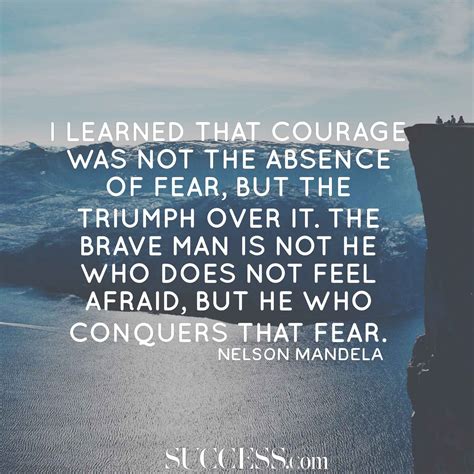
In conclusion, overcoming the fear of death requires a multifaceted approach that involves confronting our fears, finding meaning in life, and reframing our perception of death. By embracing this journey, we can find a sense of courage and peace that allows us to live more fully, more authentically, and more-meaningfully.
What is the primary reason for the fear of death?
+The primary reason for the fear of death is the uncertainty surrounding it, including the unknown of what happens after we die and the possibility of nothingness.
How can we overcome the fear of death?
+We can overcome the fear of death by confronting it head-on, practicing mindfulness and meditation, focusing on living a meaningful life, reframing our perception of death, and taking control of practical aspects such as end-of-life care and estate arrangements.
What is the importance of mindfulness and meditation in overcoming the fear of death?
+Mindfulness and meditation can help us cultivate a sense of presence and awareness in the face of uncertainty, allowing us to confront our fears and find peace and closure.
By embracing this journey, we can find a sense of courage and peace that allows us to live more fully, more authentically, and more-meaningfully. We can confront our fears, find meaning in life, and reframe our perception of death, ultimately overcoming the fear that has held us back for so long.