

Deer Age Chart 2026 Overview
You've landed on this page, so you're probably seeking a quick, reliable guide to skate steam charts. These charts are an essential tool for anyone working with steam systems, offering a clear and concise reference for steam pressure and its applications. It's a simple yet powerful resource, providing a snapshot of the key values and their uses. The beauty of skate steam charts is their versatility; they can vary depending on your specific needs and context, making them a handy, adaptable reference.
Understanding the Skate Steam Chart: A Quick Overview
The skate steam chart is a valuable tool for anyone working with steam-powered equipment, especially in the world of skating. It provides a visual representation of the relationship between steam pressure and the corresponding skate performance or behavior. This chart is your guide to understanding how steam pressure impacts your skating experience.
Comparing Steam Pressure Standards and Categories
When it comes to steam pressure, there are different units and standards to consider. The most common skate steam charts use pounds per square inch (psi) or bars as the pressure unit. These charts often cover a range of pressures, typically from 0 to 100 psi or 0 to 7 bars, which are the standard operating pressures for most skate steam applications.
How to Use the Skate Steam Chart: A Step-by-Step Guide
Identify the steam pressure you're working with. This could be the pressure your steam generator is producing or the pressure your equipment is designed to handle.
Locate the pressure value on the chart's horizontal axis. This axis typically represents steam pressure and is labeled with the unit of measurement (psi or bars).
Follow the vertical line corresponding to your identified pressure until it intersects with the chart's curve or line graph.
Read the value on the vertical axis, which represents the resulting skate performance or behavior. This could be skate speed, maneuverability, or any other relevant parameter.
Use this information to make informed decisions about your skate setup, maintenance, or adjustments.
Common Misreadings and How to Avoid Them
It's important to remember that skate steam charts are general guides and may not account for every unique skate or application. Here are some common misreadings and how to avoid them:
Overlooking Unit Conversion: Always ensure you're using the correct unit of measurement. If your equipment uses a different unit than the chart, convert the pressure value accordingly.
Assuming Universal Applicability: Skate steam charts provide general guidelines. Always refer to your skate's manual or manufacturer's specifications for exact pressure tolerances and performance characteristics.
Neglecting Environmental Factors: Steam pressure behavior can be influenced by temperature, altitude, and other environmental conditions. Consider these factors when interpreting the chart's data.
Factors Affecting Accuracy and Real-World Use
Several key factors can influence the accuracy of a skate steam chart and its real-world application:
Skate Type and Design: Different skate types and designs may respond uniquely to steam pressure. High-performance skates, for example, might have different pressure-performance curves than recreational models.
Steam Quality and Consistency: The quality and consistency of the steam your equipment produces can impact its performance. Ensure your steam generator is well-maintained and operating optimally.
Environmental Conditions: As mentioned, temperature, humidity, and altitude can affect steam behavior and, consequently, skate performance. Consider these factors when interpreting the chart.
Maintenance and Wear: Regular maintenance and timely replacement of worn-out parts can ensure your skate responds accurately to steam pressure as indicated by the chart.
By understanding these factors and using the skate steam chart as a practical guide, you can make informed decisions about your skate's performance and ensure a safe and enjoyable skating experience.
Well, there you have it! We've covered a lot of ground and hopefully, you now feel equipped to navigate the world of skate steam charts with ease. Remember, these charts are a fantastic tool, but it's always wise to double-check the specifics for your unique situation.
Don't forget to explore our other guides; we have a range of resources to help you master various topics. Happy reading, and keep rolling with those charts!
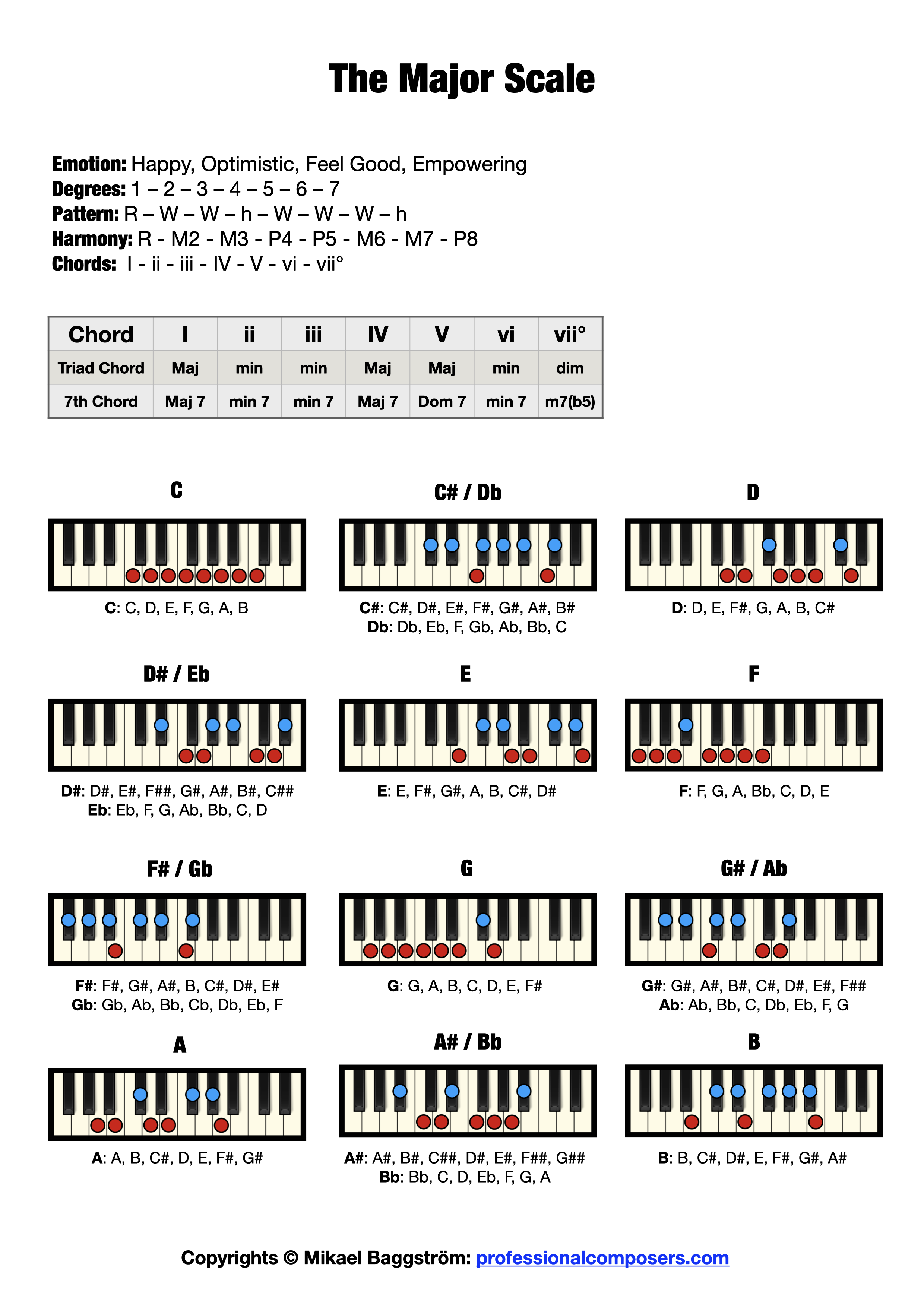
Related: Learn Piano Scales: A Comprehensive Chart Guide
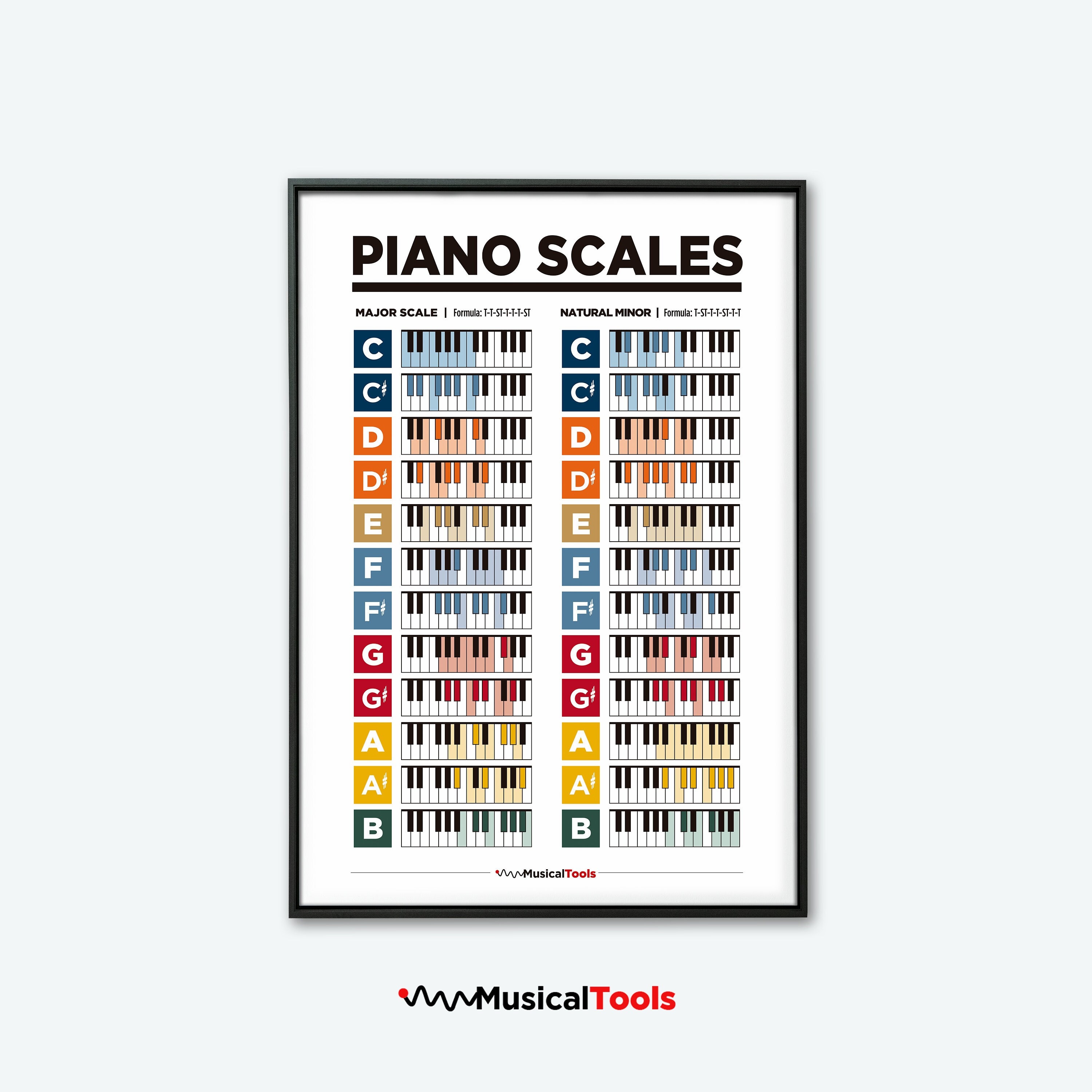
Many pianists, especially beginners, often overlook the power of a simple piano scales chart. It's a common misconception that these charts are only for advanced players or music theorists. However, a piano scales chart is an incredibly useful tool for all levels!
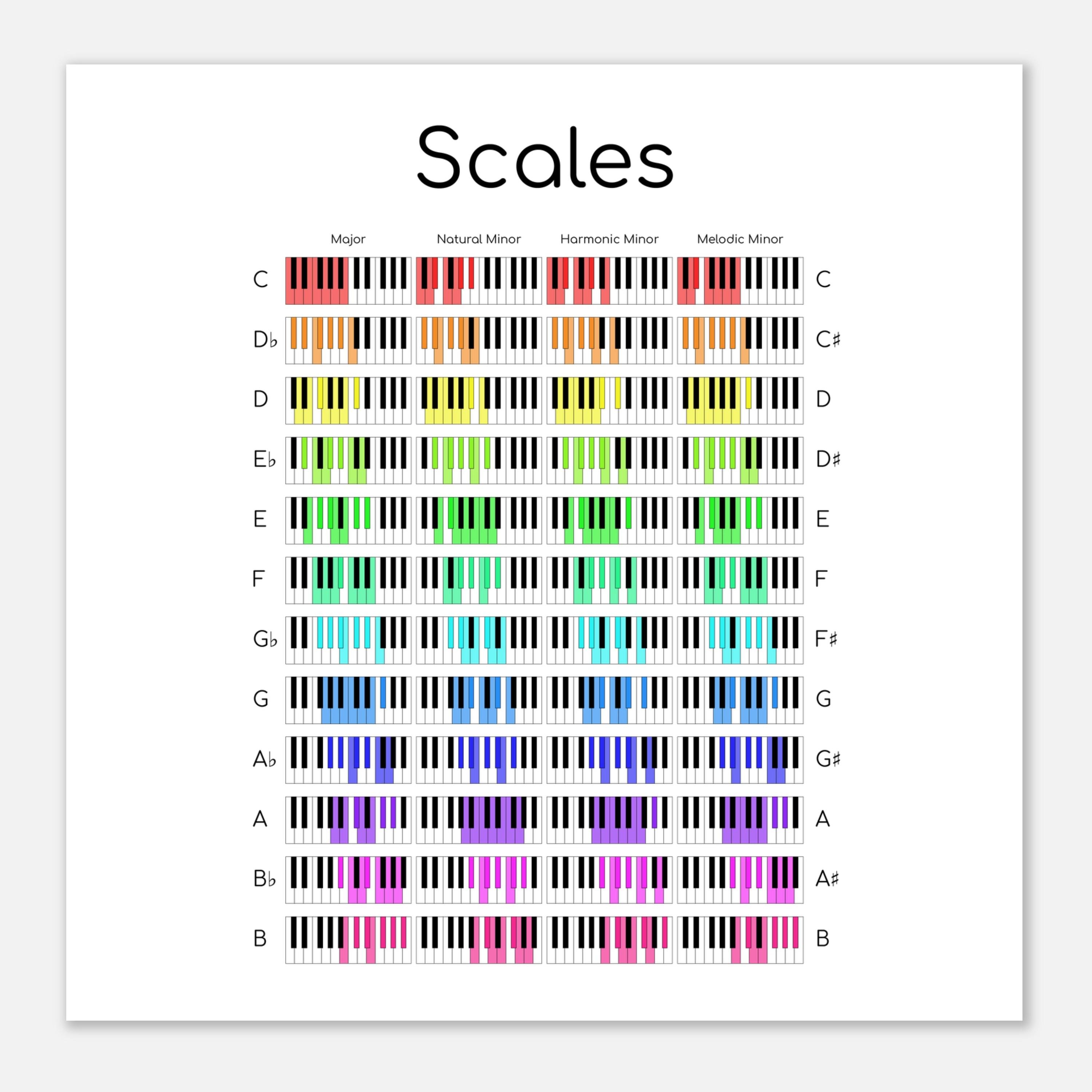
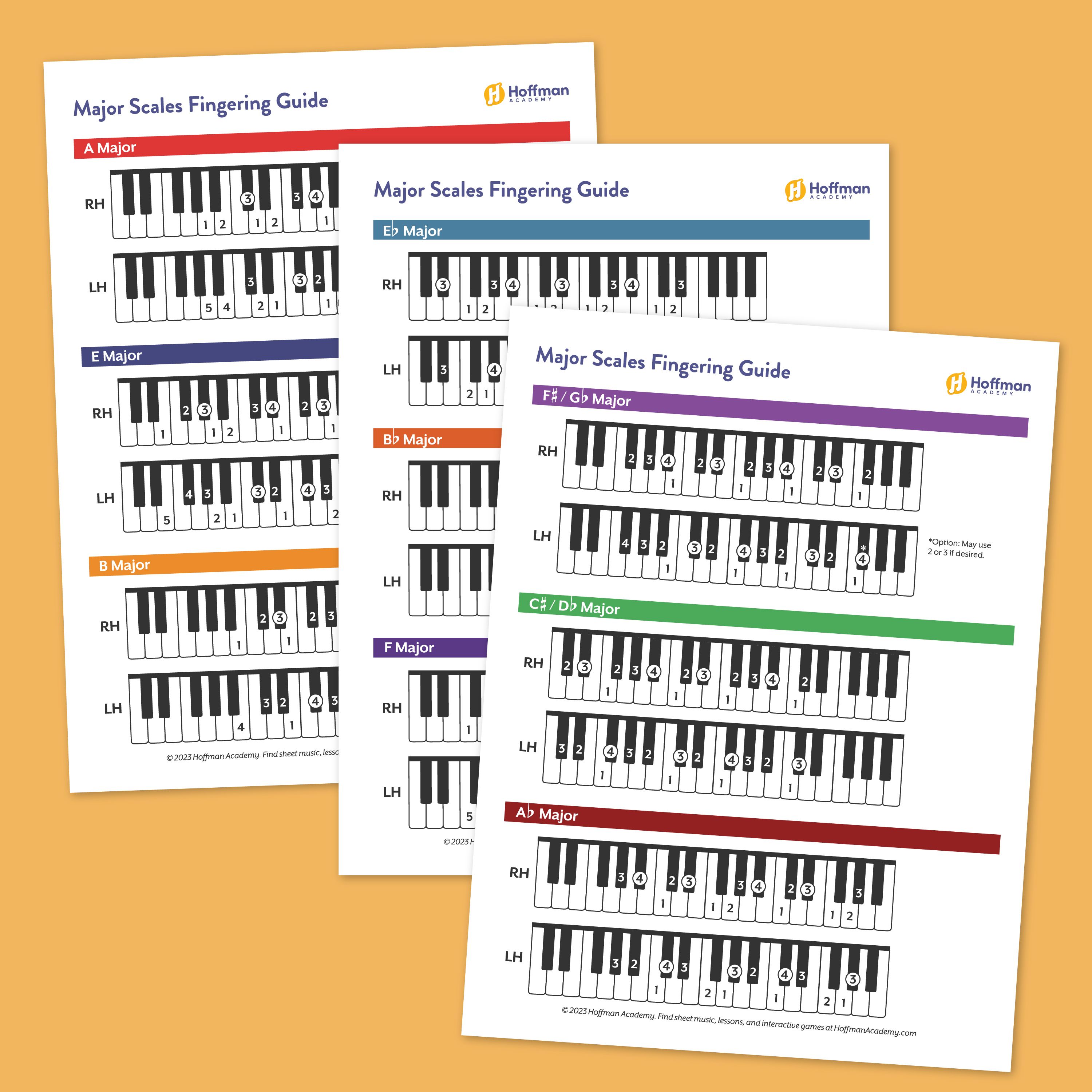
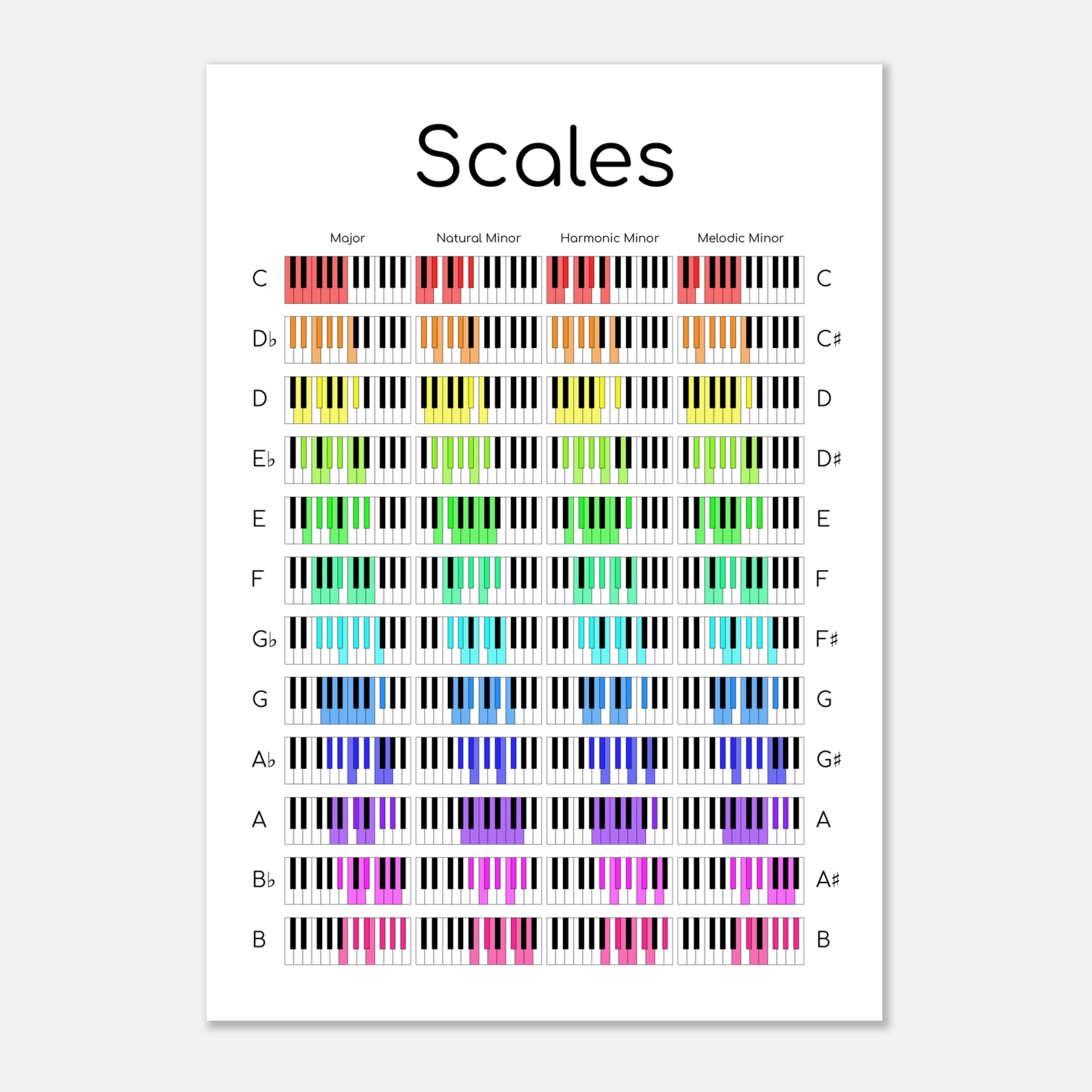
This chart is your quick guide to understanding and mastering scales. It provides a visual representation of scale patterns, intervals, and fingerings, making it easier to navigate and play scales with confidence. While there may be variations in format or notation, the essence remains the same: a practical guide to exploring major and minor scales.
Piano Scales Chart: Your Visual Guide to Musical Mastery
The piano scales chart is a powerful tool for musicians, offering a visual representation of the building blocks of music. It's like a map that helps you navigate the world of scales, providing a quick reference for understanding and playing different scale patterns. This chart is your secret weapon to mastering the piano keyboard and creating beautiful melodies.
Understanding Scale Structure: The Basics
Before diving into the chart, let's grasp some fundamental concepts. A scale is a sequence of notes that forms the foundation of music. There are two main types: major and minor scales, each with its unique sound and mood. The chart typically displays these scales in a standardized format, showing the notes and their intervals. You'll find scale degree names, like "tonic" or "dominant," which are essential for understanding the structure.
Reading Scale Charts: A Step-by-Step Guide
Using the piano scales chart is straightforward. Here's a simple guide:
- Identify the scale you want to learn. Let's say it's the C major scale.
- Locate the C major scale on the chart. It will show the notes in sequence, often with fingerings to guide your playing.
- Follow the notes and fingerings, playing each one on your piano.
- Practice the scale until you can play it smoothly and confidently.
- Repeat this process for other scales, exploring the various patterns and sounds.
Common Scale Variations: Navigating Differences
While the piano scales chart provides a standard reference, scales can vary depending on the musical context. Different styles, such as jazz or classical, may use unique scale variations. Additionally, some scales have multiple forms, like the harmonic minor scale, which has a distinct sound compared to its natural minor counterpart. It's essential to explore these variations and understand their applications to become a versatile musician.
Mistakes to Avoid: Common Pitfalls
When working with the piano scales chart, it's crucial to avoid common mistakes. One pitfall is rushing through the learning process. Take your time to understand each scale and its characteristics. Another mistake is neglecting to practice the scales in context. Apply them to real songs or exercises to reinforce your understanding and muscle memory.
Practical Tips for Accurate Results
To get the most out of your piano scales chart, consider these practical tips:
- Start with the basic major and minor scales. These are the foundation for many other scales and musical concepts.
- Practice regularly, even if it's just a few minutes each day. Consistency is key to mastering scales.
- Explore different piano scale patterns and intervals to expand your musical vocabulary.
- Use the chart as a reference, but also try to internalize the scales by playing them from memory.
- Challenge yourself with more complex scales once you've mastered the basics.
Remember, the piano scales chart is a valuable tool, but it's just the beginning. Practice, experimentation, and a deep understanding of music theory will take your piano skills to new heights. Happy practicing!
Well, there you have it! A piano scales chart is a handy tool to keep close by, offering a quick and easy reference for your musical adventures. Remember, while this guide provides a solid foundation, exact values might shift slightly based on the source or standard you follow.
So, before you dive in, ensure you're using the right chart for your specific needs. And hey, why not bookmark this page for future musical missions? It's always good to have a reliable resource at your fingertips!
Related: Understand Jupiter's Tide Chart Easily
Many people assume that the Jupiter tide chart is only relevant for those visiting the planet, but it's a valuable tool for understanding tidal patterns right here on Earth too! While it might seem like an exotic concept, the Jupiter tide chart is actually a practical and accessible resource.
This chart provides a simple way to visualize and predict tidal movements, offering insights into Jupiter's tidal data and patterns. It's an easy-to-use reference, especially when you know how to read it accurately, and can be a helpful guide for understanding Jupiter's water levels and current tides.
Understanding the Jupiter Tide Chart
The jupiter tide chart is a valuable tool for anyone interested in tracking and understanding the tidal patterns of Jupiter. It provides a visual representation of the water levels and tidal ranges over a specific period, typically a day or a week. This chart is an essential guide for activities like boating, fishing, or simply enjoying the jupiter water levels.
Comparing Chart Formats and Standards
There are various formats for jupiter tidal charts, but the most common ones use a simple bar graph or line graph. The horizontal axis represents time, often in 24-hour intervals, while the vertical axis shows the water level or tidal range. Some charts may also include additional information, such as current speeds or moon phases, which can influence the tides. It's important to note that the units and scales may vary depending on the region and the standard being used. For example, the US may use different units compared to international standards.
Using the Jupiter Tide Chart Step by Step
To make the most of your jupiter tide chart, follow these steps:
Identify the time frame: Determine the period you want to analyze, whether it's a day, a week, or a specific time interval.
Locate the time of interest: Find the corresponding time on the horizontal axis.
Read the water level: The vertical axis will show the water level or tidal range at that specific time.
Plan your activities: With the water level information, you can now plan your boating, fishing, or other water-related activities accordingly. For instance, higher water levels might be ideal for certain fishing techniques, while lower levels could expose interesting coastal features.
Consider seasonal variations: Remember that jupiter tidal patterns can also change with the seasons. So, if you're planning an activity over a longer period, consider the seasonal trends and adjust your plans accordingly.
Common Misreadings and How to Avoid Them
When using a jupiter tide chart, it's important to be aware of potential misreadings:
Time intervals: Ensure you're reading the correct time interval. Some charts may have hourly intervals, while others might use half-hourly or even 15-minute intervals.
Units and scales: Be mindful of the units used. Different charts may use feet, meters, or even a scaled representation. Always check the chart's legend or key to understand the units and scales accurately.
Seasonal and weather variations: Jupiter tidal ranges can be influenced by seasonal changes and weather conditions. Always consider these factors and cross-reference with local weather forecasts.
Chart accuracy: While jupiter tidal charts are a great tool, they are estimates and may not account for all variables. Always double-check the exact specifications and conditions for critical activities or when safety is a concern.
By following these guidelines, you'll be able to accurately interpret and utilize the jupiter tide chart for your adventures on Jupiter's waters.
Jupiter tide charts are a handy tool for anyone interested in planning their activities around this fascinating phenomenon. With the different options and formats available, it's easy to find a chart that suits your needs.
Following the step-by-step guide, you can avoid common pitfalls and ensure an accurate reading. Remember, these charts provide a general guide, so it's always wise to double-check and consider any specific local factors that might affect the tides.
Feel free to explore our other guides and resources for more practical tips and insights. We've got you covered!