


Dental Chart Dog Template Overview
You're here because you need a quick guide, a reliable tool, to navigate the world of red wine. And what better way to do that than with a red wine chart? This handy reference, a simple yet effective visual, is your key to understanding and appreciating the nuances of red wines. From the classic Bordeaux to the bold Australian Shiraz, the chart helps you explore and compare, offering a quick glimpse into the world of wine colors, intensities, and hues.
Understanding the Red Wine Chart: A Practical Guide
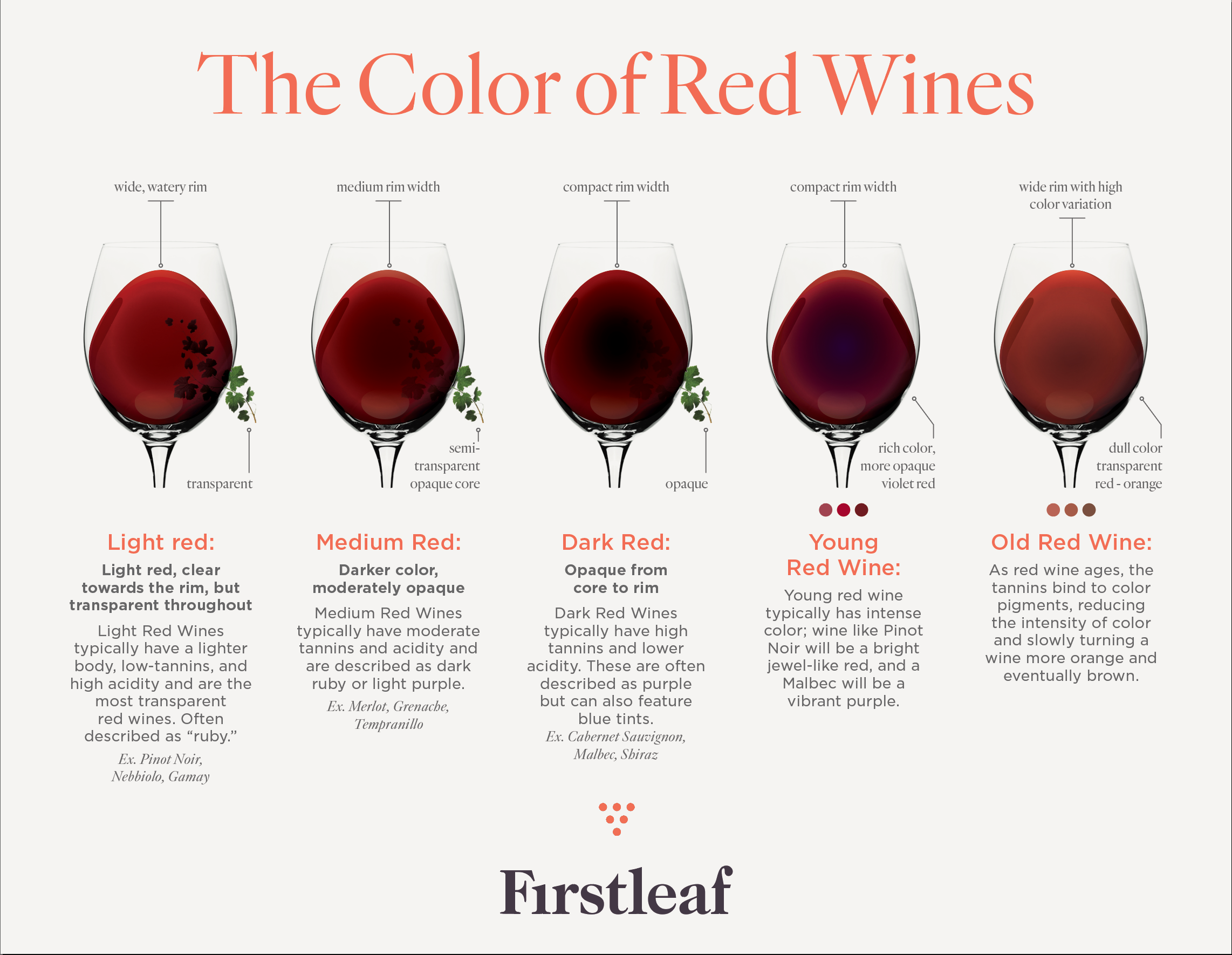
The red wine chart is a handy tool for wine enthusiasts and professionals alike. It provides a visual representation of the colors and hues commonly found in red wines, offering a quick reference guide to help identify and categorize different wine styles. This chart is a valuable resource for anyone looking to expand their wine knowledge and make more informed choices.
Comparing Wine Colors and Intensity
The red wine color scale typically features a range of shades, from light ruby to deep garnet, and sometimes even includes variations of purple and brown. These colors indicate the wine's intensity and can give clues about its age, grape variety, and even the region it comes from. For instance, a bright, youthful ruby red might suggest a young, fruity wine, while a darker, more mature garnet could indicate an aged, complex vintage.
How to Read and Use the Red Wine Chart
To utilize the red wine chart effectively, follow these simple steps:
Start by identifying the primary color of your wine. Is it a light ruby, a vibrant crimson, or perhaps a dark, almost black shade?
Next, look for any secondary hues. These could be hints of orange, brown, or even blue tints, which can further refine your assessment.
Consider the wine's overall intensity. Is it a pale, almost translucent red, or a rich, opaque color? This can be a key indicator of the wine's body and flavor profile.
Finally, cross-reference your observations with the chart. Match the colors and intensity to the corresponding descriptions or categories provided.
Avoiding Common Misreadings
While the red wine color wheel is a useful tool, it's important to remember that wine colors can be subjective and influenced by various factors. Lighting conditions, the wine's age, and even the glassware can impact how we perceive its color. To avoid misreading, ensure you're viewing the wine in natural light and consider the context. If a wine appears lighter or darker than expected, it might be a sign of a unique characteristic or an indication that the wine is evolving.
Factors Affecting Accuracy
The accuracy of the red wine chart relies on several key factors. Firstly, the chart's effectiveness depends on the standard being used. Different regions and wine-making traditions may have their own color scales and terminology. Always refer to the specific chart's guidelines and ensure you're using the correct reference for your region or wine style. Additionally, the wine's age and storage conditions can significantly impact its color, so consider these factors when interpreting the chart.
So, there you have it! A handy red wine chart to guide you through the world of wine. With this simple tool, you can quickly compare and understand the different options and formats.
Remember, when using this chart, it's always a good idea to consider your personal preferences and the specific context. Exact values may vary, so double-check the standards or sources relevant to your needs. Mark this page as a favorite, and you'll always have a quick reference guide at your fingertips for your wine adventures!
Related: Understand the DVC Point Chart: A Simple Guide
A DVC point chart is a handy tool for Disney Vacation Club members, offering a clear overview of their points and their worth. This guide will navigate you through the essentials, ensuring you understand the ins and outs of this valuable resource.
It's a simple yet effective way to keep track of your Disney points, and while the specific values may vary, the DVC point chart provides a consistent framework to manage and maximize your membership benefits.
Understanding the DVC Point Chart
The DVC point chart is a valuable tool for Disney Vacation Club members, offering a clear overview of point values and their redemption options. It's like a map guiding you through the world of Disney vacations, helping you plan and make the most of your membership benefits.
Key Details and Categories
Before diving into the chart, let's get familiar with some basics. The DVC points system operates on a point-based currency, where each point holds a specific value. These points can be used for various purposes, primarily for booking accommodations and experiences within the Disney realm. The chart displays point values, typically ranging from 1 to 100, and sometimes even higher for premium options. It's important to note that these values may differ based on the standard or region, so always check the relevant chart for your specific membership.
Reading and Applying the DVC Point Chart
Now, let's explore how to navigate and utilize the DVC point chart effectively. Here's a step-by-step guide:
Identify Your Point Balance: Start by knowing your current point balance. This information is crucial for planning your vacation and understanding your options.
Consult the Chart: Refer to the DVC point chart to see the point values for different accommodations and experiences. Each entry on the chart will typically show the point value required for a specific option, along with any relevant details or restrictions.
Plan Your Vacation: Using the chart, select the accommodations and experiences that align with your preferences and point balance. Consider factors like travel dates, resort preferences, and the number of people in your party.
Calculate and Reserve: Once you've made your choices, calculate the total points needed for your desired vacation. You can use a DVC point calculator for this, which will provide an accurate estimate. Reserve your accommodations and experiences by following the booking process outlined by Disney Vacation Club.
Variations and Differences
It's worth noting that DVC point charts may vary across different standards and contexts. Here are some key factors that can influence the values and redemption options:
- Resort and Location: Different Disney resorts and destinations may have varying point values due to their popularity, amenities, and location.
- Seasonality: Point values can fluctuate based on the time of year, with peak seasons often requiring more points.
- Membership Type: The type of membership you hold, such as a standard or premium plan, can impact the point values and redemption options available to you.
- Special Events and Promotions: Disney may offer special events or promotions that affect point values and redemption rates.
Remember, while the DVC point chart provides a valuable overview, it's always a good idea to double-check the exact specifications and tolerances for your specific membership and vacation plans. This ensures an accurate and enjoyable Disney experience!
Well, there you have it! The DVC point chart is a handy tool, and now you know the ins and outs of using it. Remember, while the basics remain the same, the exact details might shift a little based on your specific situation.
Feel free to explore our other guides; we've got plenty of practical tips and tricks to help you navigate various aspects of your projects. Happy reading, and we hope you find the info you need!
Related: Decoding the Navy Ribbon Chart: A Simple Guide
A navy ribbon chart is a handy tool for anyone working with ribbons, especially those in the navy blue shade. This guide will give you a quick rundown on what these charts are and how they can be useful.
Ribbon charts are a simple yet effective way to visualize and understand ribbon measurements. They provide a clear overview of ribbon width, length, and size, ensuring accuracy and consistency. While the values may vary depending on the context and region, these charts offer a reliable reference point.
Understanding the Navy Ribbon Chart: A Quick Overview
The navy ribbon chart is a handy tool for anyone working with navy blue ribbons, whether for crafting, sewing, or other projects. It provides a visual guide to help you choose the right ribbon size and understand its dimensions. This chart is especially useful when you need precise measurements and want to avoid any guesswork.
Comparing Ribbon Sizes and Formats
Ribbon sizes can vary, and the navy ribbon chart typically covers a range of standard widths and lengths. You'll find ribbon widths expressed in inches or centimeters, depending on the chart's standard. Common widths include 1/4", 1/2", 1", and 2" for inch-based charts, and 0.6 cm, 1.2 cm, 2.5 cm, and 5 cm for metric charts. Lengths can vary greatly, often offered in standard rolls of 10, 25, or 50 yards, or sold by the yard.
Step-by-Step Guide: Using the Navy Ribbon Chart Accurately
To use the navy ribbon chart effectively:
Identify the ribbon width you need for your project. This is crucial as it determines the ribbon's visual impact and functionality.
Refer to the chart to find the corresponding length options for that width. The chart will show you the standard roll lengths available for that width.
Consider the quantity you require. If you need a large quantity, it's often more cost-effective to opt for longer roll lengths, even if it exceeds your immediate needs.
Double-check the ribbon's intended use. Some ribbons, while similar in appearance, may have different purposes, such as gift wrapping or crafting. Ensure you choose the right type for your project.
Take note of any special features or finishes, such as wired edges or specialty prints, as these can impact the ribbon's behavior and appearance.
Avoiding Common Misreadings and Pitfalls
It's easy to misinterpret the navy ribbon chart if you're not familiar with ribbon terminology. Here are some common mistakes and how to avoid them:
Ribbon Width: Always clarify if the width is measured flat or folded. Some charts specify this, but others assume you know. Flat width is the full width, while folded width is half of that.
Ribbon Length: Be aware that some charts may list length in yards, while others use meters. Always check the units to ensure accuracy.
Special Features: Certain ribbons have unique features, like wired edges or printed patterns. These may not be immediately obvious on the chart, so always read the fine print or product description.
Color Variation: While the focus is on navy blue, different manufacturers may have slight variations in color shade. If color match is critical, request a sample or check reviews for consistency.
Factors Affecting Accuracy and Real-World Use
While the navy ribbon chart is a valuable tool, it's important to remember that real-world applications can vary. Here are some key factors to consider:
Manufacturing Tolerances: Ribbon dimensions can have slight variations due to manufacturing processes. Always allow for a small margin of error, especially for critical projects.
Material Stretch: Some ribbon materials, like satin or grosgrain, have more stretch than others. Consider this when choosing the ribbon, especially if precise measurements are essential.
Environmental Factors: Heat, humidity, and storage conditions can affect ribbon dimensions over time. Store your ribbons properly to minimize these effects.
Project Requirements: Different projects have unique demands. Always review your specific needs and consider factors like durability, ease of use, and visual appeal.
The navy ribbon chart is a practical guide, but it's just the starting point. By understanding these factors and using the chart accurately, you'll be well-equipped to choose the perfect ribbon for your projects.
Hey there! I hope this guide has given you a clear understanding of navy ribbon charts and their practical use. Remember, while the basics remain the same, the exact details might differ slightly based on your specific situation and the standards you're working with.
Feel free to explore other guides on our site for more detailed insights and variations. We've got a range of topics covered, so you can dive deeper into any area that piques your interest. Happy learning!