

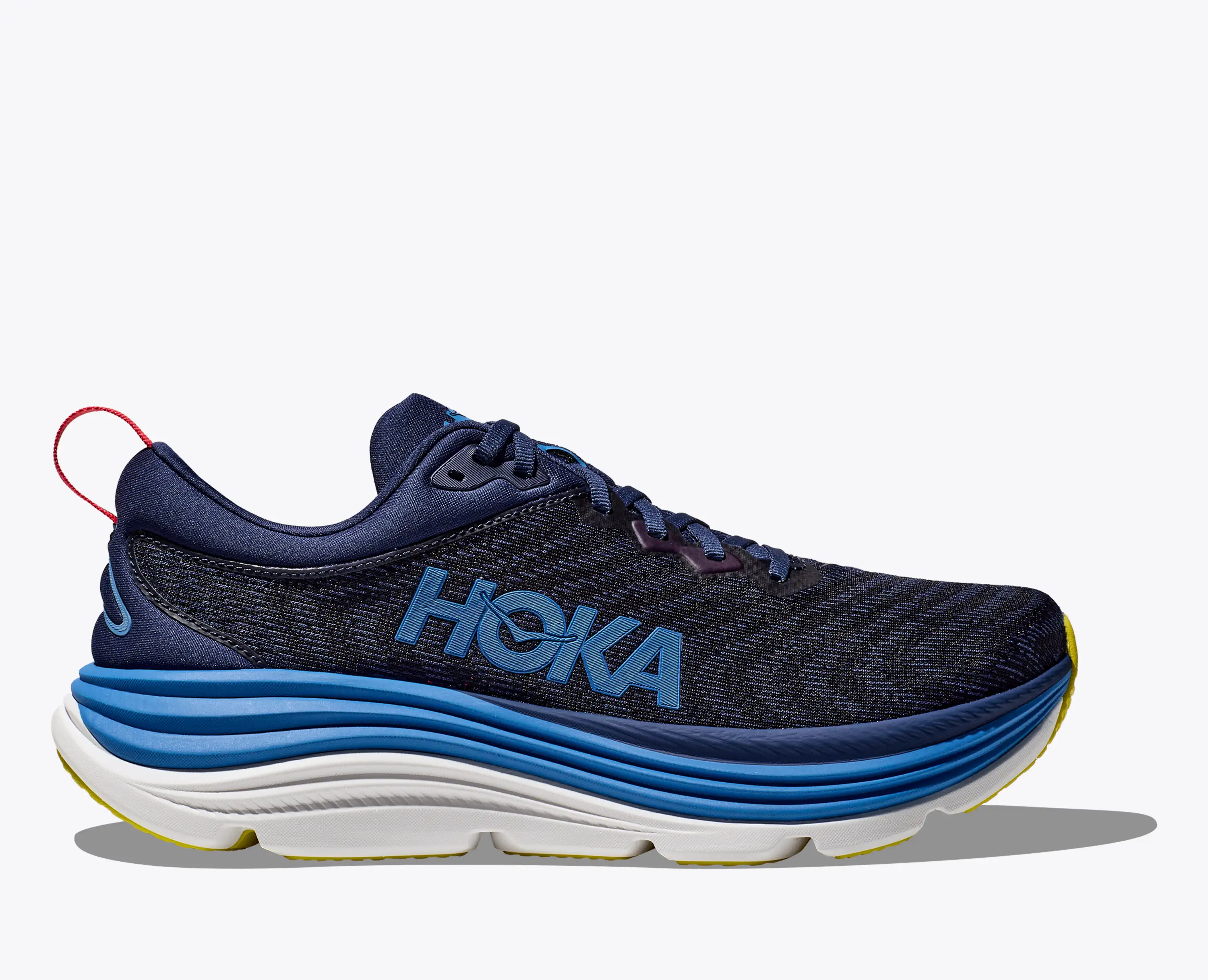

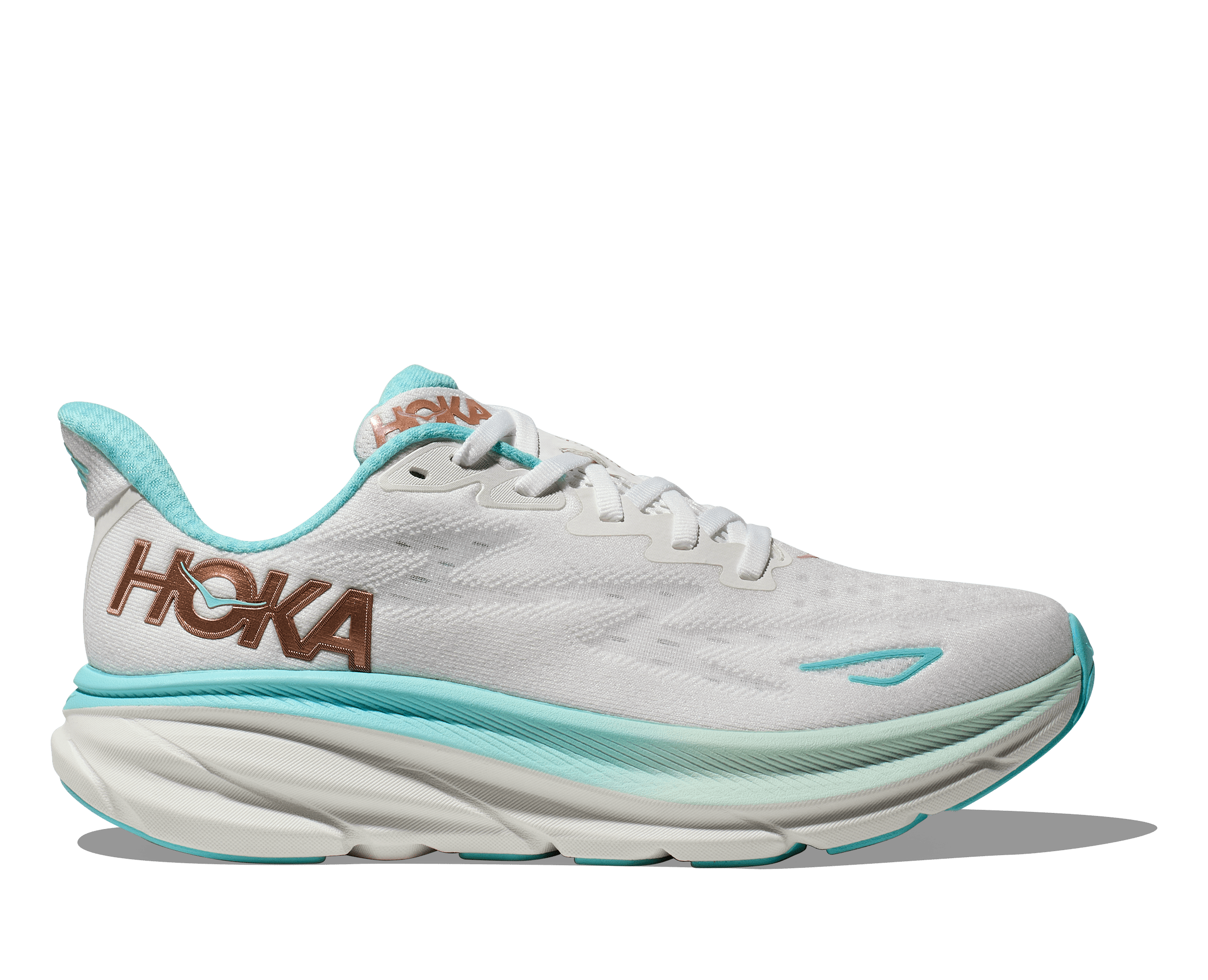
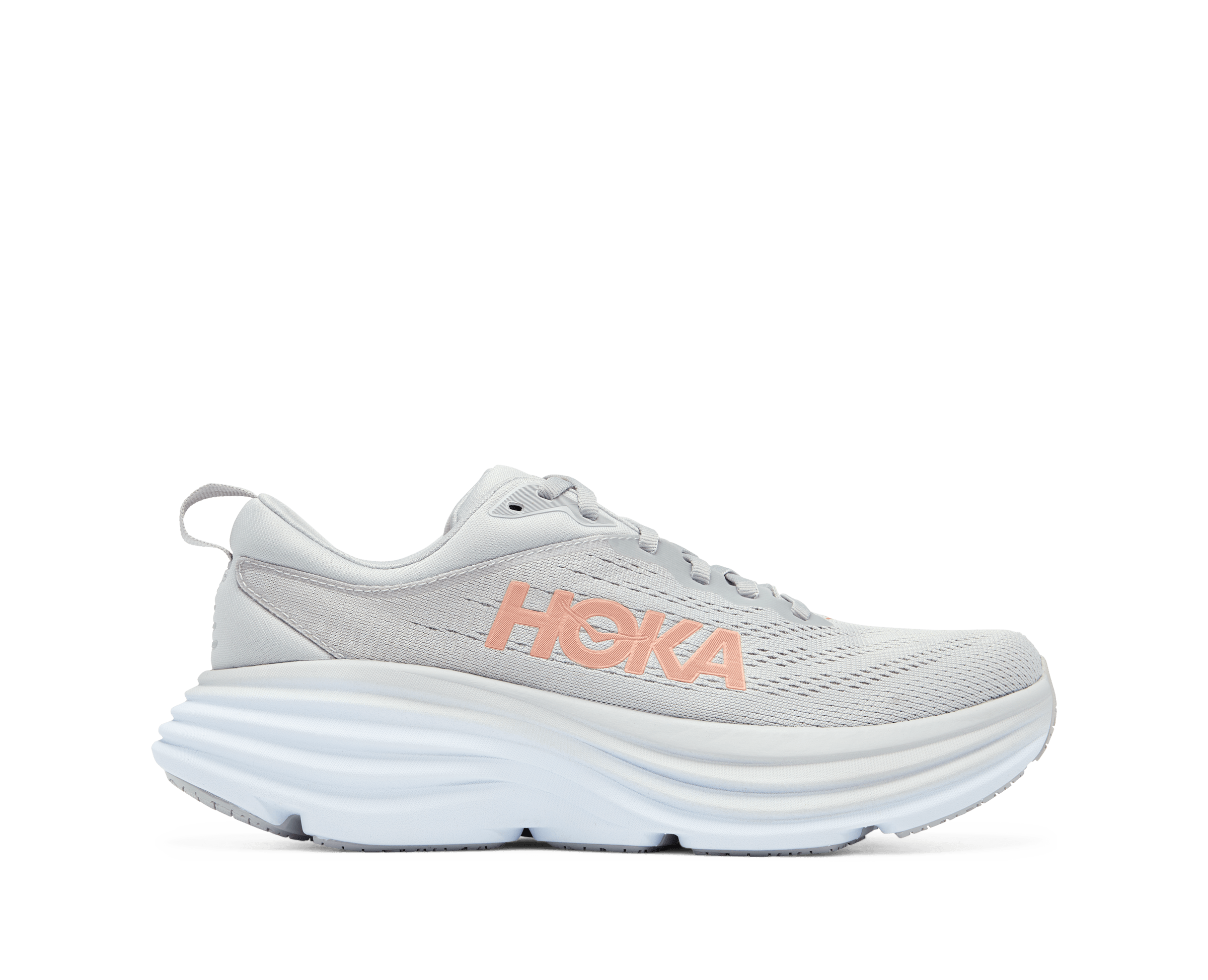
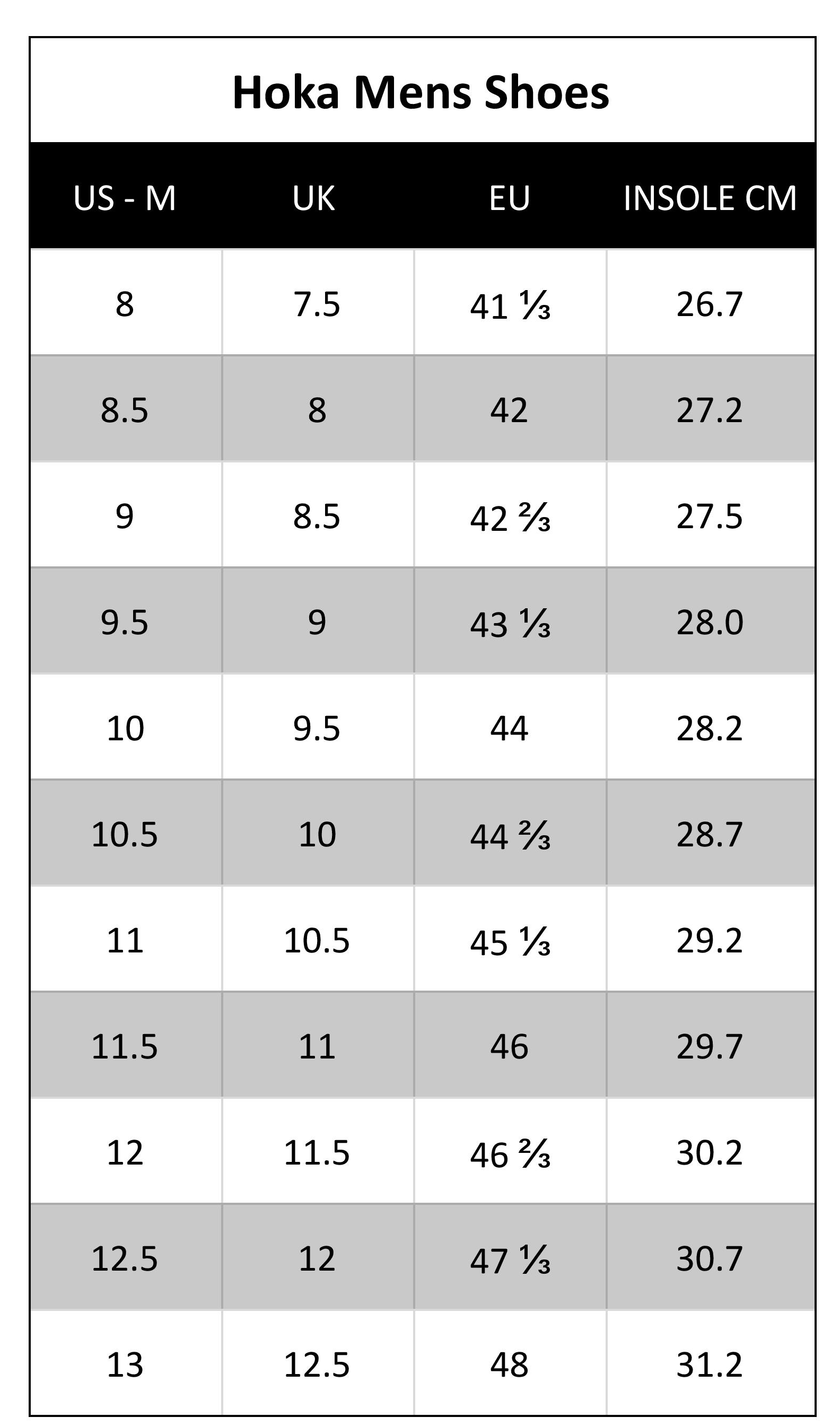



Depth Chart Auburn Sheet Overview
Many folks assume that a Hoka size chart is a one-size-fits-all guide, but it's actually a bit more nuanced than that. While it provides a handy reference, these charts can vary depending on the brand and the type of shoe.
So, when you're looking at a Hoka sizing guide, remember it's not just about the numbers; it's about finding the perfect fit for your unique feet. Whether you're a runner seeking the right Hoka running shoe sizes or just need a quick shoe size conversion, these charts are your friends!
Understanding the Hoka Size Chart
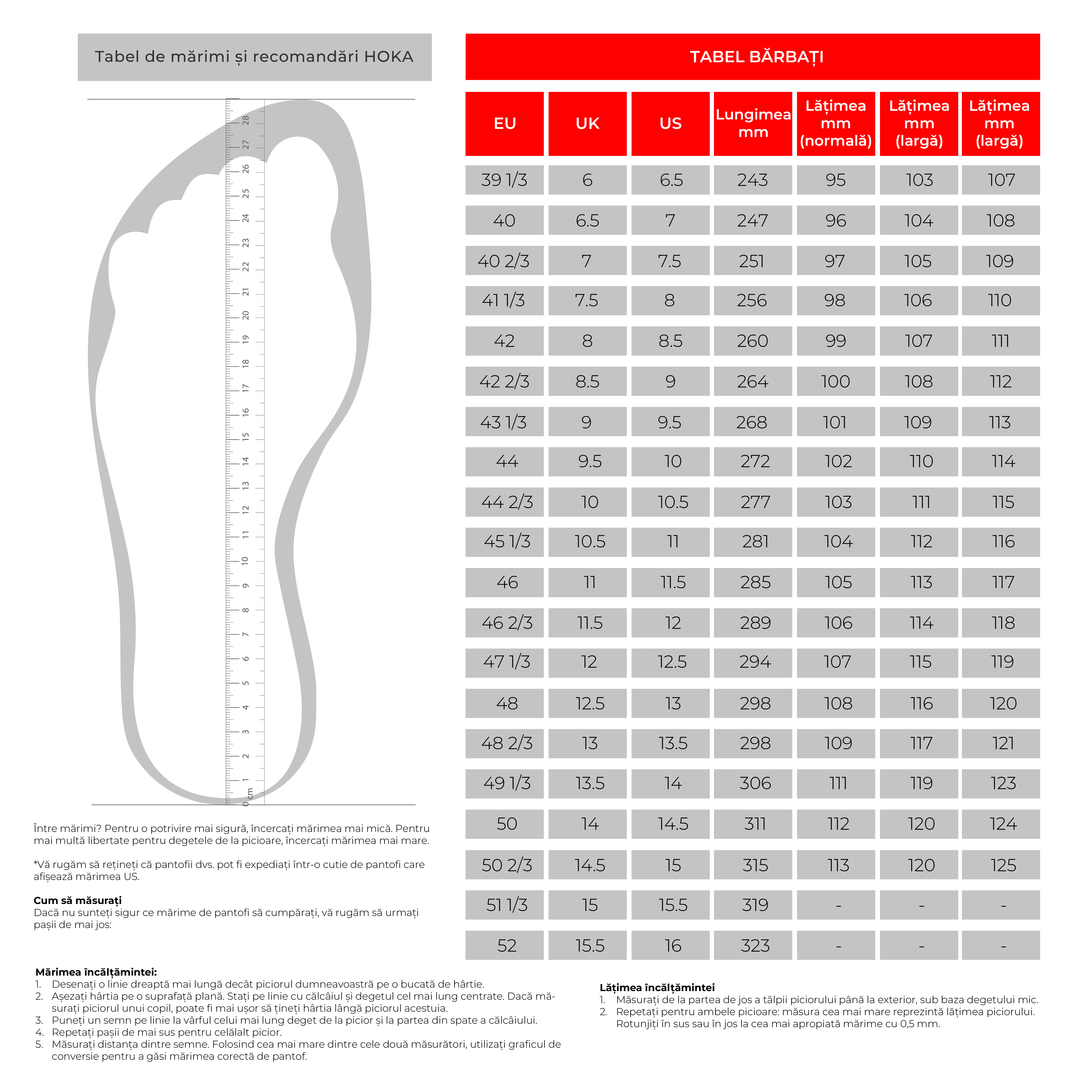
The Hoka size chart is your guide to finding the perfect fit for your feet. It's a simple yet effective tool that helps you navigate the world of Hoka footwear sizes. This chart ensures you get the right size, whether you're a runner seeking comfort or just looking for a stylish pair of shoes.
Key Details and Categories
The Hoka size chart typically includes standard foot measurements, with length and width being the primary dimensions. Length is measured in either US sizes or metric (international) sizes, depending on the region and standard. Width, on the other hand, often has a few variations, such as narrow, regular, and wide, to accommodate different foot shapes.
How to Read and Apply the Chart
- Start by determining your foot length. This is the foundation of your size selection. Measure your foot, or refer to a previous pair of shoes that fit well.
- Next, consider your foot width. If you have a wider foot, you may need to size up or opt for a wider width option.
- Using the Hoka size chart, match your foot length and width to the corresponding size. The chart will guide you to the appropriate size, considering both dimensions.
- Remember, the chart provides a starting point. It's always a good idea to try on the shoes to ensure a comfortable fit.
Variations and Differences
Hoka size charts may vary slightly depending on the shoe model and intended use. For instance, running shoes might have a different fit compared to casual footwear. Additionally, Hoka might offer specific width options for certain models, catering to a broader range of foot shapes. Always check the Hoka sizing guide for the particular model you're interested in.
Common Mistakes and How to Avoid Them
One common mistake is assuming all shoe brands use the same size standards. Hoka sizes might differ from other brands, so relying solely on your usual size can lead to an incorrect fit. Always refer to the Hoka one one size guide for accuracy. Another pitfall is neglecting to measure your foot width. While length is crucial, width variations can make a significant difference in comfort. Ensure you consider both dimensions when using the Hoka size chart.
Well, that's the lowdown on Hoka size charts! You now have the tools to navigate these charts with ease and find your perfect fit. Remember, while these charts are a great guide, exact values can differ, so always check your specific requirements.
It's worth bookmarking this page for future reference; you never know when you might need to size up (or down!) for your next adventure. Happy measuring, and here's to comfortable feet!
Related: Find Your Perfect Fit: Brooks Size Chart
The Brooks size chart is a valuable tool for anyone seeking accurate sizing information, offering a simple and effective way to find the right fit. This guide will navigate you through the various charts and sizing guides Brooks provides, ensuring you understand the process and can make an informed choice. Whether you're after a precise shoe size or need to find the perfect bra fit, these charts are designed to simplify the process, and we'll explore how to utilize them effectively.
Understanding the Brooks Size Chart
The Brooks size chart is a valuable tool for anyone looking to find their perfect fit in Brooks footwear and apparel. It provides a comprehensive guide to help you determine your ideal size across various Brooks products, ensuring a comfortable and precise fit. This chart serves as a reference, offering size conversions and measurements to assist you in making informed choices.
Key Details and Categories
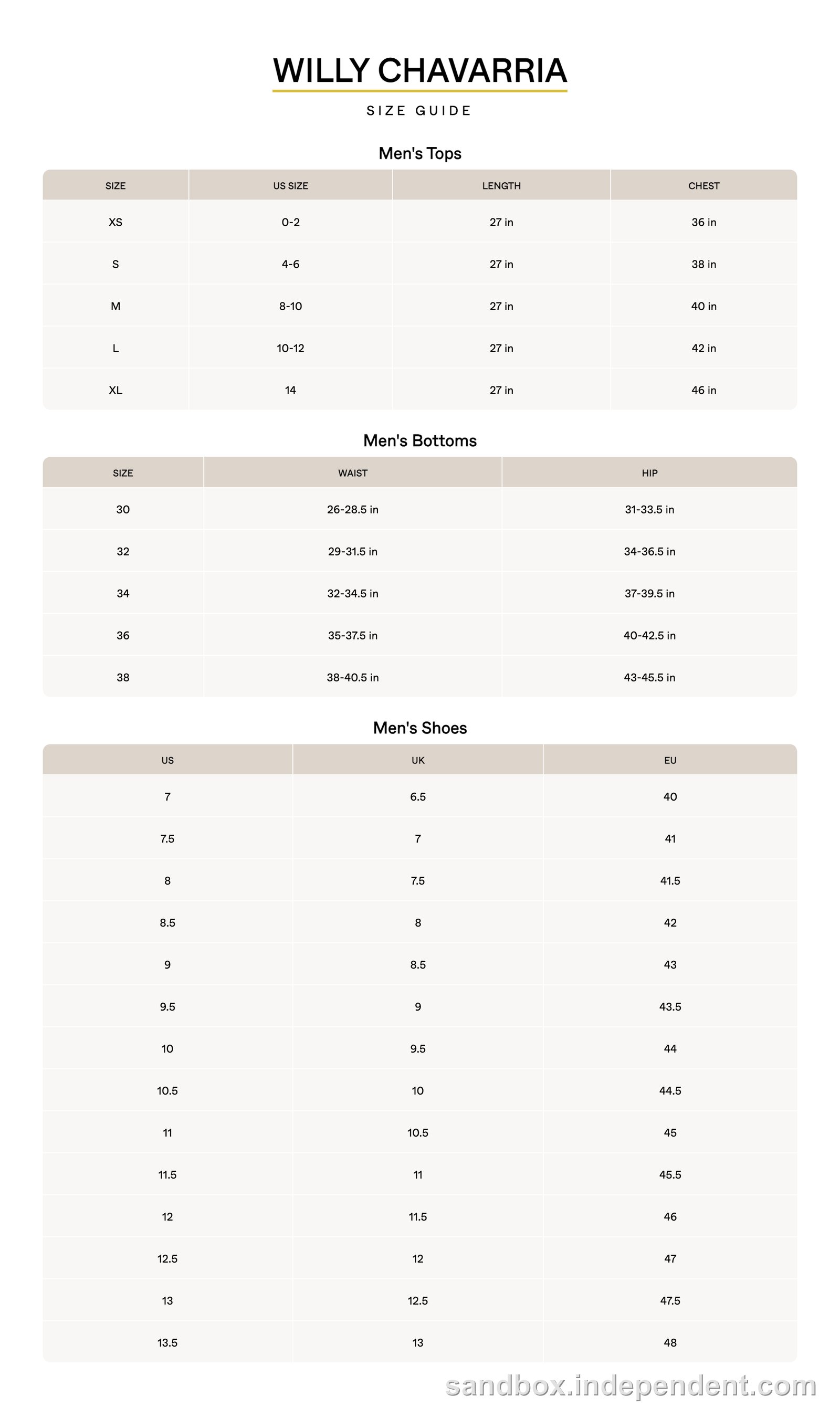
The Brooks size chart covers a range of sizes, typically starting from smaller sizes like 5 or 6 and extending up to larger sizes, such as 12 or 13, depending on the product category. It includes both men's and women's sizes, with separate charts for shoes and apparel. The shoe size chart provides measurements in both US and UK sizes, offering a conversion guide for international customers. For apparel, the chart typically uses standard sizing categories like small, medium, and large, with specific measurements for each category.
Step-by-Step Guide: Reading and Applying the Size Chart
To utilize the Brooks size chart, follow these steps:
- Identify the product category you are interested in, whether it's shoes or apparel.
- Locate the corresponding size chart for your gender.
- For shoes, find your US or UK size and refer to the provided measurements. Ensure you measure your foot length accurately, as this is crucial for a precise fit.
- In the case of apparel, identify your size category (e.g., small, medium) and refer to the provided measurements for chest, waist, and hip sizes.
- Compare your measurements with the size chart to determine the best fit. If your measurements fall between sizes, consider opting for the larger size for a more comfortable fit.
- Remember, the Brooks size chart serves as a guide, and individual preferences may vary. It's always a good idea to try on the product to ensure the perfect fit.
Size Variations and Differences
It's important to note that size variations can occur across different Brooks products and even within the same product line. These variations may be due to factors such as the intended use of the product, the materials used, or design differences. For instance, running shoes might have a slightly different fit compared to casual footwear. Additionally, Brooks may offer specialized fits, like wide or narrow options, to cater to individual foot shapes. Always refer to the specific size chart for the product you are interested in to ensure accuracy.
Common Mistakes and How to Avoid Them
When using the Brooks size chart, avoid these common mistakes:
- Relying solely on your usual shoe size without considering the specific fit of Brooks shoes.
- Neglecting to measure your feet accurately, especially if you're between sizes.
- Assuming that all Brooks apparel will fit the same; always refer to the size chart for each product.
- Failing to account for personal preferences; some may prefer a tighter or looser fit, so consider your comfort level.
- Not checking the size chart for any specific fit options, like wide or narrow, that may be available. By being mindful of these potential pitfalls, you can ensure a more accurate and satisfying shopping experience with the Brooks size chart.
Well, there you have it! A simple yet effective guide to understanding Brooks' size chart. Remember, these charts are a great tool, but it's always wise to confirm the specific details for your unique needs.
Don't forget to keep this page handy for future reference. It's a quick and easy way to ensure you're on the right track when it comes to sizing, and it might just save you some time and hassle down the line. Consider it your go-to resource for a smooth and stress-free sizing experience.
Related: Find Corolla Tide Chart: Quick Reference Guide
You're probably here because you need a quick answer, a reliable reference, or some clarity on reading Corolla tide charts. These charts are a handy tool, offering a simple visual guide to help you plan your day by the sea. They provide valuable insights into the ebb and flow of the tides, showing you the tide times and heights, which can vary depending on your location.
Understanding Corolla Tide Charts
A tide chart is a handy tool that shows the predicted times and heights of high and low tides for a specific location, like Corolla. These charts are essential for anyone planning activities near the coast, from fishing and boating to beachcombing and surfing. By understanding and using a tide chart, you can make the most of your time on the water or along the shore.
Key Details and Categories
A tide chart typically displays the following information: the date and time of each tide, the height of the tide (usually in feet or meters), and sometimes additional details like the moon phase or tidal current speeds. The times are often given in a 24-hour clock format, so it's good to be familiar with that. The height of the tide is a crucial factor, as it affects water depth and can impact various activities.
Reading and Applying Tide Levels
Here's a step-by-step guide to reading and using a corolla tide chart:
- Identify the date and time you're interested in. Tide charts usually cover a specific period, often a month, so find the relevant date.
- Look for the corresponding high and low tide times. These are typically marked clearly, with the height of the tide noted beside each time.
- Consider the height of the tide for your activity. For example, if you're fishing, you might want to aim for a high tide to access deeper waters.
- Plan your activities accordingly. With the tide times and heights in mind, you can schedule your day to make the most of the conditions.
- Remember to check the moon phase, if available. This can give you an idea of the tidal range and the potential for strong currents.
Variations and Differences
Tide charts can vary based on several factors:
- Location: Different coastal areas will have unique tide patterns due to geographical features and ocean currents.
- Moon and Sun: The gravitational pull of these celestial bodies affects tides, so lunar and solar cycles can cause variations.
- Weather: Storms and high winds can influence tidal behavior.
- Seasonal Changes: Tides can exhibit different patterns throughout the year.
Common Mistakes and How to Avoid Them
- Misreading the Time: Always double-check the time format. A simple mistake like confusing AM and PM can lead to missed opportunities.
- Ignoring Tidal Currents: Strong currents can make boating and fishing challenging. Check for any notes on current speeds on your tide chart.
- Assuming Consistency: Tide patterns can change, so avoid relying solely on past experiences. Always check the latest tide data.
- Forgetting to Adjust for Daylight Saving: Remember to account for time changes, especially during spring and autumn.
Practical Tips for Accurate Results
- Use Reputable Sources: Ensure your tide chart comes from a reliable source, such as a trusted website or a local marina.
- Check Regularly: Tide conditions can change, so update your tide data frequently, especially if you're planning activities over several days.
- Consider Weather Forecasts: Weather can impact tides, so keep an eye on forecasts to anticipate any unusual tidal behavior.
- Learn Local Patterns: If you frequent a specific coastal area, study the local tide patterns to better predict conditions.
Double-Checking and Handling Exceptions
While tide charts are valuable, they are predictions and may not always be accurate, especially during extreme weather events. Always be prepared for variations and:
- Check for Any Alerts: If there's a storm or unusual weather, confirm the tide predictions with local authorities or marine experts.
- Use Multiple Sources: Compare predictions from different sources to get a more accurate picture, especially during exceptional circumstances.
- Plan for Flexibility: If you're dependent on specific tide conditions, consider having a backup plan or being ready to adapt.
- Stay Informed: Keep updated with the latest weather and marine forecasts to make informed decisions.
Well, there you have it! Understanding the Corolla Tide Chart is a handy skill, and now you're equipped with the knowledge to navigate it like a pro. Remember, while this guide provides a solid foundation, always double-check the specific context and requirements for your project or location. It's a good idea to keep an eye on any unique factors that might affect your readings.
Feel free to explore our other resources for more practical insights and guides. We've got you covered with a range of topics to enhance your knowledge and skills. Happy charting!