


Destin Tide Chart For Kids Overview
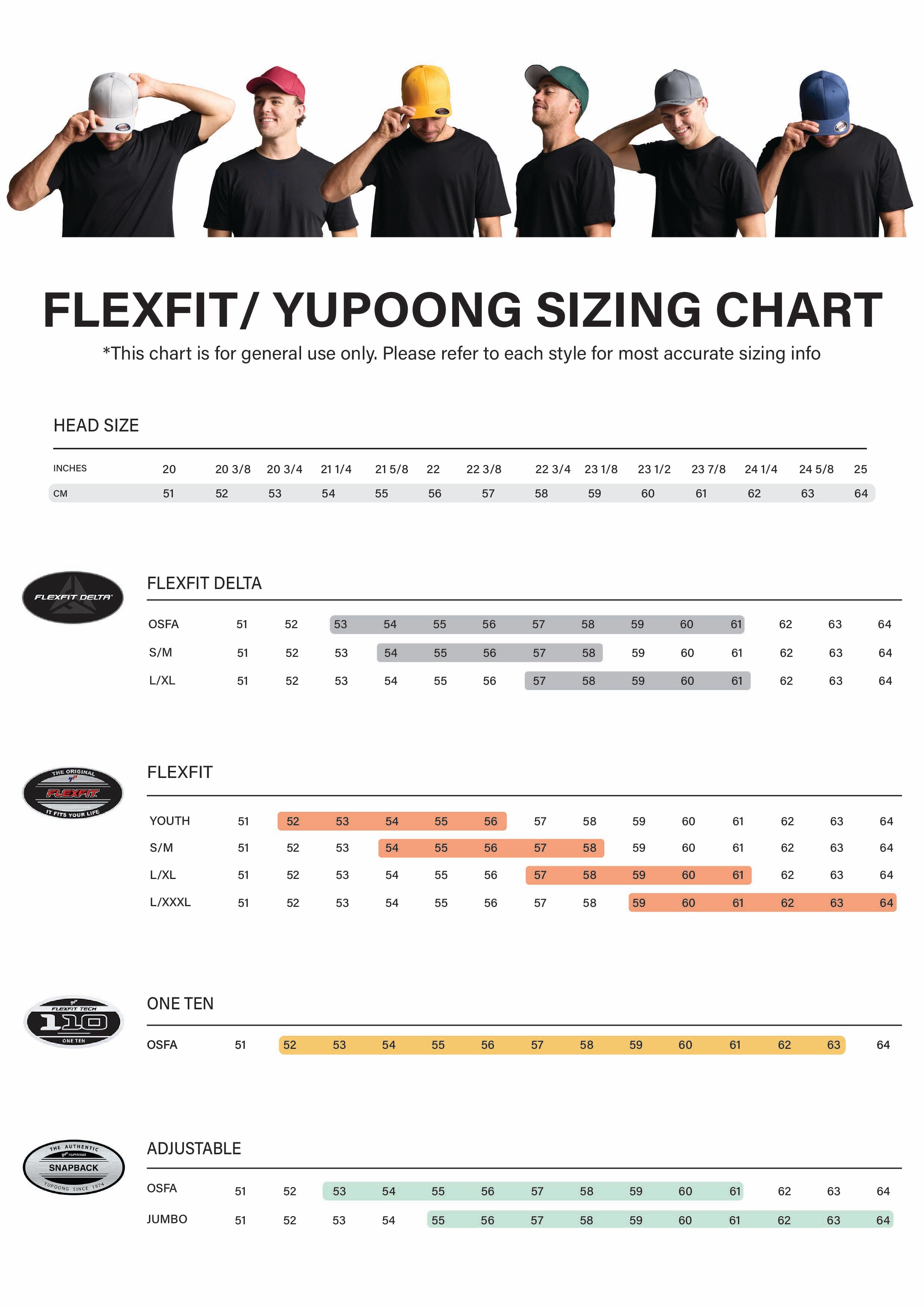
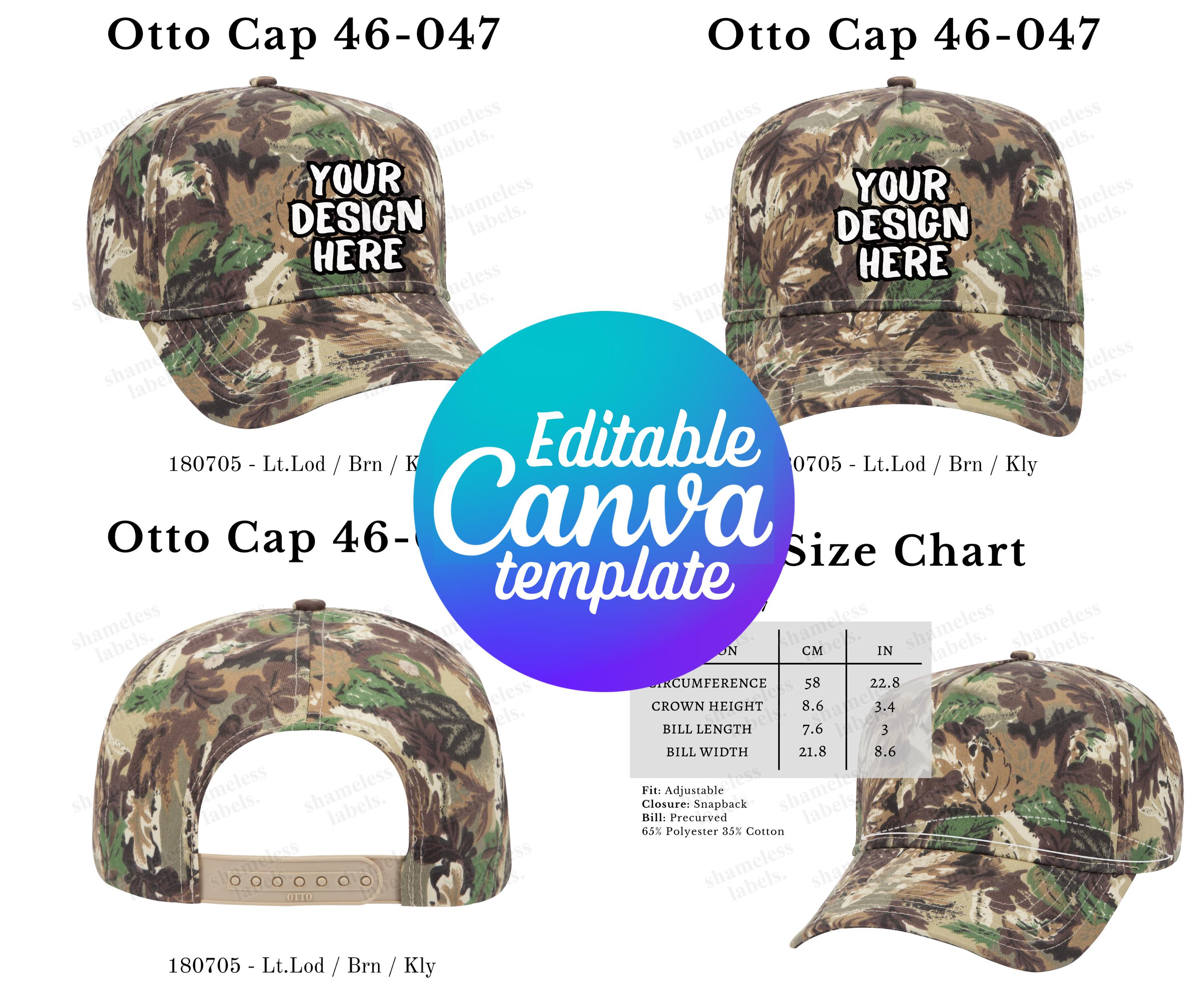
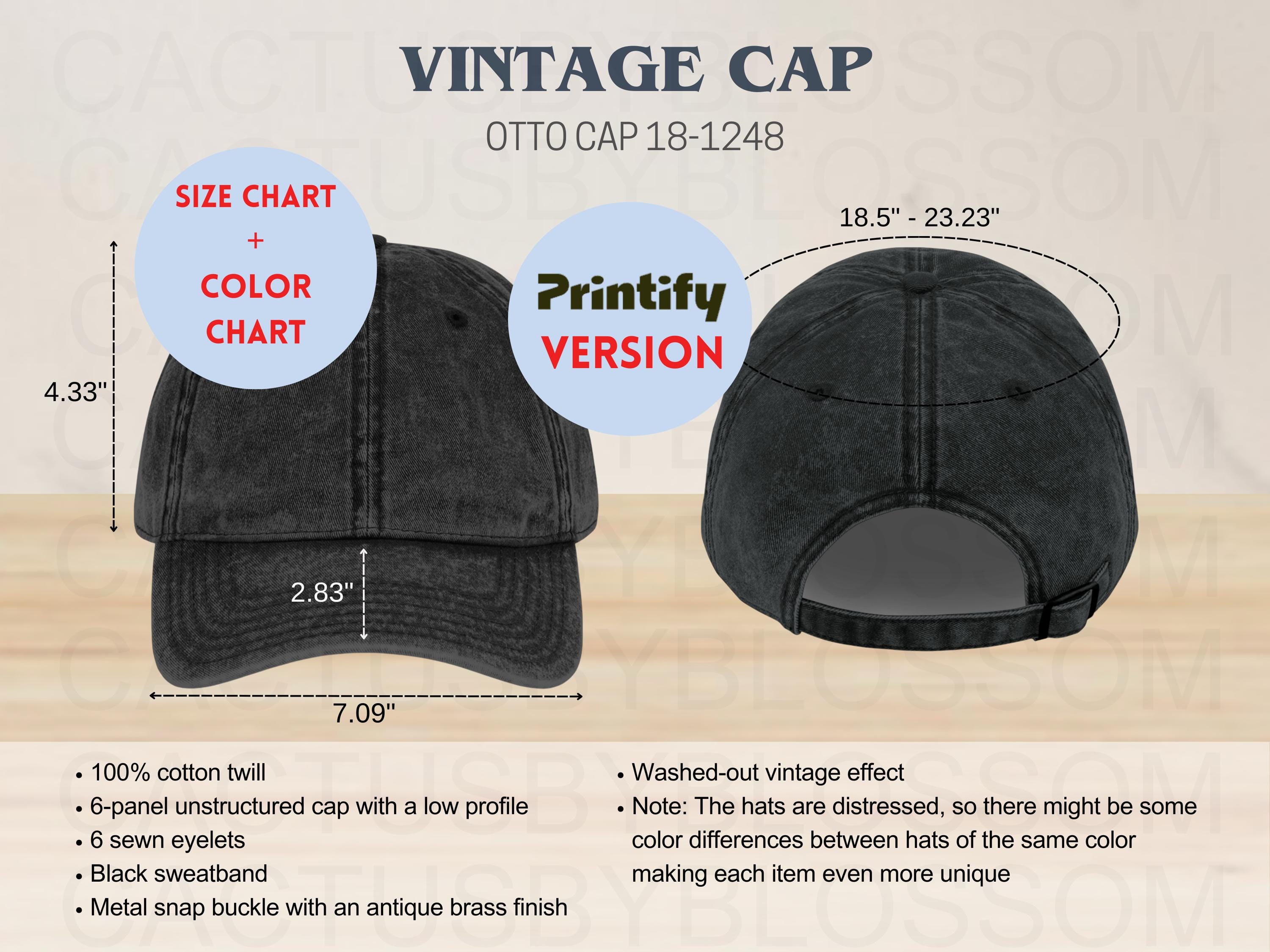
You're probably here because you need a quick fix, a simple solution to a sizing dilemma. Well, you've come to the right place! The cap size chart is your handy tool, a quick reference guide to ensure you get the perfect fit every time. It's a straightforward way to measure and match your head size to the right cap, and it's a lifesaver when you're in a rush or shopping online. This chart offers a simple solution, and it's worth familiarizing yourself with, especially if you want to avoid those pesky sizing mistakes!
Understanding the Chart: A Quick Overview
The cap size chart is a handy tool that helps you find the perfect fit for your headwear. It's a simple guide, often presented as a table or diagram, that matches your head measurements to the right cap size. This chart ensures your caps are neither too tight nor too loose, providing a comfortable and secure fit.
Comparing Common Cap Sizes and Standards
Cap size charts typically use two main standards: metric and imperial measurements. The metric system is widely used internationally and offers precise measurements in centimeters. On the other hand, the imperial system, common in the US, uses inches. These standards determine the cap circumference, which is the key measurement for finding your ideal cap size.
Step-by-Step Guide to Using the Cap Size Chart
Measure your head circumference: Take a flexible tape measure and wrap it around your head, just above your ears and across your forehead. Ensure it's not too tight or too loose. Note down the measurement in either centimeters or inches, depending on your preference or the chart's standard.
Refer to the cap size chart: Look for the column or row that corresponds to your head circumference measurement. The chart will provide you with a recommended cap size based on this measurement.
Adjust for comfort: While the chart offers a guide, personal preference plays a role. If you prefer a looser fit, consider going up a size. For a snugger fit, especially for activewear, you might want to choose a slightly smaller size.
Check the hat sizing chart: Some charts provide additional information, such as hat sizing. This can be useful if you're looking for a specific hat style and want to ensure it fits well.
Avoiding Common Misreadings and Pitfalls
It's important to remember that the cap size chart is a guide, and individual preferences may vary. While it provides a reliable starting point, you might need to make slight adjustments to find your perfect fit. Always double-check the chart's measurements and ensure they align with your head size guide. If you're between sizes, consider trying both and choosing the one that feels most comfortable.
Key Factors Affecting Accuracy and Real-World Use
Several factors can influence the accuracy of the cap size chart. Firstly, the chart's measurements may vary slightly depending on the manufacturer and the intended use of the cap. For instance, a baseball cap might have different sizing standards compared to a beanie. Additionally, personal factors like hair volume and style can impact the fit. If you have thick hair or a hairstyle that adds volume, you might need to adjust the size accordingly. Always consider these factors and refer to the specific cap's instructions or sizing guidelines for the most accurate fit.
Well, that's a wrap on our cap size chart adventure! We've covered a lot of ground, from understanding the different options to nailing down the key steps for accurate measurements.
Remember, when it comes to getting the right fit, always double-check your specific needs and the guidelines for your chosen standard or source. Exact values can vary slightly, so it's good to be aware of that.
Consider bookmarking this page for future reference; it's a handy tool to have at your fingertips when you need it most!
Related: How to Read a Ski Length Chart
Many skiers assume that a ski length chart is a one-size-fits-all guide, but it's actually a flexible tool with some room for personal preference. While these charts provide a great starting point, they're not set in stone.
So, when you see a ski length chart, don't be afraid to experiment a little. Values can vary, and it's worth considering your skill level and the type of skiing you prefer. You might find a slightly longer or shorter ski suits your style better. It's all about finding the right fit for you!
Ski Length Chart: A Quick Guide
A ski length chart is a simple tool to help you choose the right skis for your height and skill level. It's a handy reference to ensure you get the optimal ski length for your needs, whether you're a beginner or an experienced skier.
Key Details and Categories
The chart typically displays a range of heights, usually in inches or centimeters, along with the corresponding recommended ski lengths. These lengths are often given in centimeters and are categorized by skill level: beginner, intermediate, and advanced. Some charts may also include additional factors like weight or specific ski types.
How to Read and Apply the Chart
Reading a ski length chart is straightforward. First, identify your height on the chart. Then, find the recommended ski length for your skill level. Here's a step-by-step guide:
- Locate your height: Look for the column or row that matches your height. If your height falls between two values, you can estimate or choose the closest length.
- Determine your skill level: Identify whether you're a beginner, intermediate, or advanced skier. Most charts will provide recommendations based on these skill levels.
- Choose your ski length: Find the intersection of your height and skill level. This will give you the recommended ski length. For example, if you're 5'8" tall and an intermediate skier, the chart might suggest a ski length of 165 cm.
Variations and Differences
It's important to note that ski length charts can vary depending on the standard used. Different regions and manufacturers may have slightly different recommendations. Additionally, some charts may offer more detailed suggestions, considering factors like weight and ski type. These variations ensure a more personalized ski length recommendation.
Common Mistakes and How to Avoid Them
One common mistake is relying solely on height without considering skill level. Remember, the chart takes both into account. Another pitfall is ignoring specific ski types. If you're using a particular type of ski, like powder skis or racing skis, ensure the chart accounts for this or seek a specialized chart.
Practical Tips for Accurate Results
To ensure you get the best fit, consider these tips:
- If you're between two sizes, err on the side of shorter skis. Longer skis can be more challenging to control, especially for beginners.
- Don't be afraid to seek advice from ski shop experts. They can provide personalized recommendations and ensure a perfect fit.
- If you're an advanced skier, you may prefer a longer ski for more speed and stability. However, ensure you have the skills to handle them.
Double-Checking and Handling Exceptions
While ski length charts are a great starting point, it's always wise to double-check with a professional. They can assess your skiing style and preferences and ensure the recommended length suits your needs. Additionally, if you have specific requirements, like adaptive skiing equipment, consult a specialist to ensure the best fit.
Well, there you have it! A ski length chart is a handy tool, but remember, it's a guide, and exact values can differ. Always consider your personal preferences and the specific conditions you'll be skiing in.
Don't forget to take a moment and ensure you've covered all your bases before hitting the slopes. And hey, if you're keen to learn more, we've got a bunch of other guides on similar topics that might interest you. Happy reading and skiing!
Related: Understanding the Tattoo Size Chart
You're here, searching for a tattoo size chart, probably to get a clear idea of what you want and how to communicate it effectively to your artist. It's a smart move, as these charts are a great way to visualize and understand tattoo sizes, especially when you're planning your next ink adventure. While the exact values may vary depending on the artist or region, the tattoo size chart provides a reliable starting point, offering a simple guide to standard tattoo dimensions.
Understanding the Tattoo Size Chart
The tattoo size chart is your go-to guide for figuring out the dimensions of different tattoo designs. It's like a roadmap, helping you navigate the world of tattoo sizes and understand what each measurement means. This chart is a handy tool, especially when you're planning your next tattoo and need to visualize how big or small it will be on your body.
Comparing Chart Formats and Standards
There are a few different ways to present a tattoo size chart, and the format can vary depending on the source. Some charts use a simple table with columns for size categories and corresponding measurements, while others might display a range of designs with their dimensions noted. The units of measurement can also differ; you'll often find charts using either imperial (inches) or metric (centimeters) systems. It's essential to know which standard is being used to ensure accurate readings.
Practical Size Suggestions and Measuring Tips
Using a tattoo size chart is straightforward, but there are a few steps to ensure you're getting the most accurate information. First, identify the category or design you're interested in. Then, locate the corresponding measurement. If the chart uses a range, you can decide on a specific size within that range based on your preferences. Remember, these charts often provide a general guide, so it's a good idea to discuss your desired size with your tattoo artist, who can offer expert advice and ensure the design fits perfectly on your body.
Common Misreadings and How to Avoid Them
It's easy to misinterpret a tattoo size chart, especially if you're not familiar with the standard being used. Always double-check the units of measurement to ensure you're reading the chart correctly. For instance, if you're used to thinking in inches but the chart uses centimeters, your interpretation of the size could be off. Additionally, some charts might not provide exact measurements but rather a range. In these cases, it's best to consult with a professional to get a precise idea of the tattoo's dimensions.
Hey there, we hope this tattoo size chart guide has given you a clear and simple overview of your options. Remember, the exact details may differ slightly, so always double-check your sources and measurements.
This is a handy reference to keep bookmarked for future ink adventures! Whether you're a tattoo enthusiast or just curious about the process, we've got more guides to explore. So, feel free to dive into our other content and keep learning.