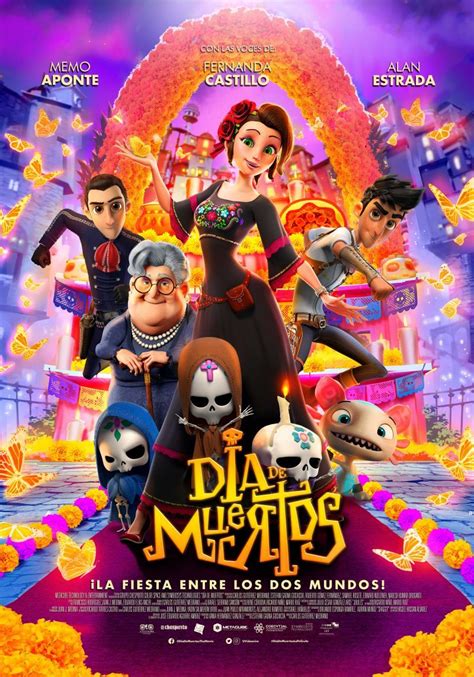
The vibrant and colorful celebration of Dia De Muertos, or Day of the Dead, has captivated the hearts of many around the world, especially through the stunning animation and storytelling of the film “Coco.” This beloved movie not only entertains but also serves as a beautiful introduction to the rich cultural heritage and traditions surrounding this unique Mexican holiday. At its core, Dia De Muertos is a celebration of life, honoring the deceased with vibrant altars, delectable traditional foods, and festive decorations, all aimed at welcoming the spirits back into the world of the living for a brief, yet meaningful, reunion.
One of the most striking aspects of Dia De Muertos is the construction of elaborate altars, known as “ofrendas,” in homes and public spaces. These are not merely decorative arrangements but serve as a gateway, a welcoming space for the returning spirits. Each element of the ofrenda is carefully chosen for its symbolic meaning: marigolds, with their strong scent and vibrant orange color, guide the spirits back to their families; photographs and personal items of the deceased are displayed to remember and honor them; and traditional foods, such as pan de muerto and moles, are prepared to nourish the spirits during their visit. The film “Coco” beautifully depicts the preparation of such an ofrenda, highlighting the love, care, and detail that goes into each aspect, from the intricate papel picado (tissue paper banners) to the selection of the deceased’s favorite meals.
The tradition of honoring the dead with food is another significant aspect of Dia De Muertos. The belief is that the spirits consume the essence and aroma of the foods, which is why families often prepare the favorite dishes of their loved ones who have passed. This act of preparation and offering is not just about feeding the spirits but also about preserving family recipes and stories, keeping the memory of the deceased alive through the senses of smell and taste. The film expertly weaves this tradition into its narrative, showcasing the protagonist’s journey to understand his family’s past and his place within it through the universal language of food and music.
Music and dance are integral components of Dia De Muertos celebrations, reflecting the joy and celebration that characterize this holiday. The film “Coco” features a range of vibrant musical numbers, from traditional Mexican songs to original compositions, each capturing the essence of Dia De Muertos. The music serves as a bridge between the world of the living and the dead, illustrating how cultural heritage and family history are passed down through generations. The iconic song “Remember Me” from the film has become an anthem of sorts for the holiday, encapsulating the themes of memory, love, and remembrance that are at the heart of Dia De Muertos.
Dia De Muertos also emphasizes the importance of family and community. The celebration is a time when families come together, not just to honor their ancestors but to strengthen their bonds with each other. The film showcases this aspect beautifully, highlighting the protagonist Miguel’s journey to discover his family’s history and traditions, and through this journey, his own identity and place within his family. This focus on family and the continuation of traditions underscores the holiday’s significance as a celebration of life, legacy, and the interconnectedness of all individuals across time.
In addition to its rich cultural significance, Dia De Muertos has also become a symbol of resilience and the acceptance of death as a part of life. The holiday teaches a valuable lesson about embracing mortality, not with fear or sadness, but with acceptance and celebration. This perspective is poignantly portrayed in “Coco,” where the characters’ journeys reflect the process of coming to terms with loss and finding a way to keep the memory of loved ones alive in a positive and uplifting manner.
For those interested in exploring Dia De Muertos further, there are numerous resources and activities that can enhance one’s understanding and appreciation of this holiday. Attending a Dia De Muertos celebration, whether in Mexico or in cultural festivals around the world, provides a firsthand experience of the vibrant traditions and community spirit that define this holiday. Creating one’s own ofrenda, even on a small scale, can be a meaningful way to honor loved ones and connect with the cultural heritage of Mexico. Moreover, exploring the rich culinary traditions of Dia De Muertos, through cooking classes or recipe books, offers a tangible way to experience the holiday’s emphasis on family, tradition, and celebration.
What is the significance of marigolds in Dia De Muertos celebrations?
+Marigolds, also known as "zempasúchil" or "Flor de Muerto," are believed to guide the spirits of the dead back to their homes and families with their strong scent and vibrant color. They are a crucial element in the construction of altars and in the decoration of homes and public spaces during the celebration.
How does the film "Coco" contribute to the understanding and appreciation of Dia De Muertos?
+The film "Coco" serves as a powerful medium for introducing the traditions and cultural significance of Dia De Muertos to a global audience. Through its engaging storyline, vivid animation, and heartfelt portrayal of family and love, the film not only entertains but also educates viewers about the importance of honoring one's ancestors and the continuity of cultural heritage.
What role does food play in Dia De Muertos celebrations?
+Food, particularly traditional dishes and the favorite meals of the deceased, is prepared and offered to the spirits during Dia De Muertos. This act of preparation and offering is a way of honoring and remembering the loved ones, keeping their memory alive through the senses of smell and taste, and ensuring their spirits are nourished during their visit.
In conclusion, Dia De Muertos, as beautifully portrayed in the film “Coco,” is a celebration that embodies the essence of cultural heritage, family, and the human spirit. Through its vibrant traditions, delicious foods, and joyful music, this holiday teaches valuable lessons about the importance of remembering and honoring our past, embracing our cultural identities, and finding joy and celebration in the continuum of life and death. As we reflect on the significance of Dia De Muertos, we are reminded of the universal human experiences that connect us all—love, family, tradition, and the enduring power of memory and legacy.