



Diamond Color Chart Blank Overview
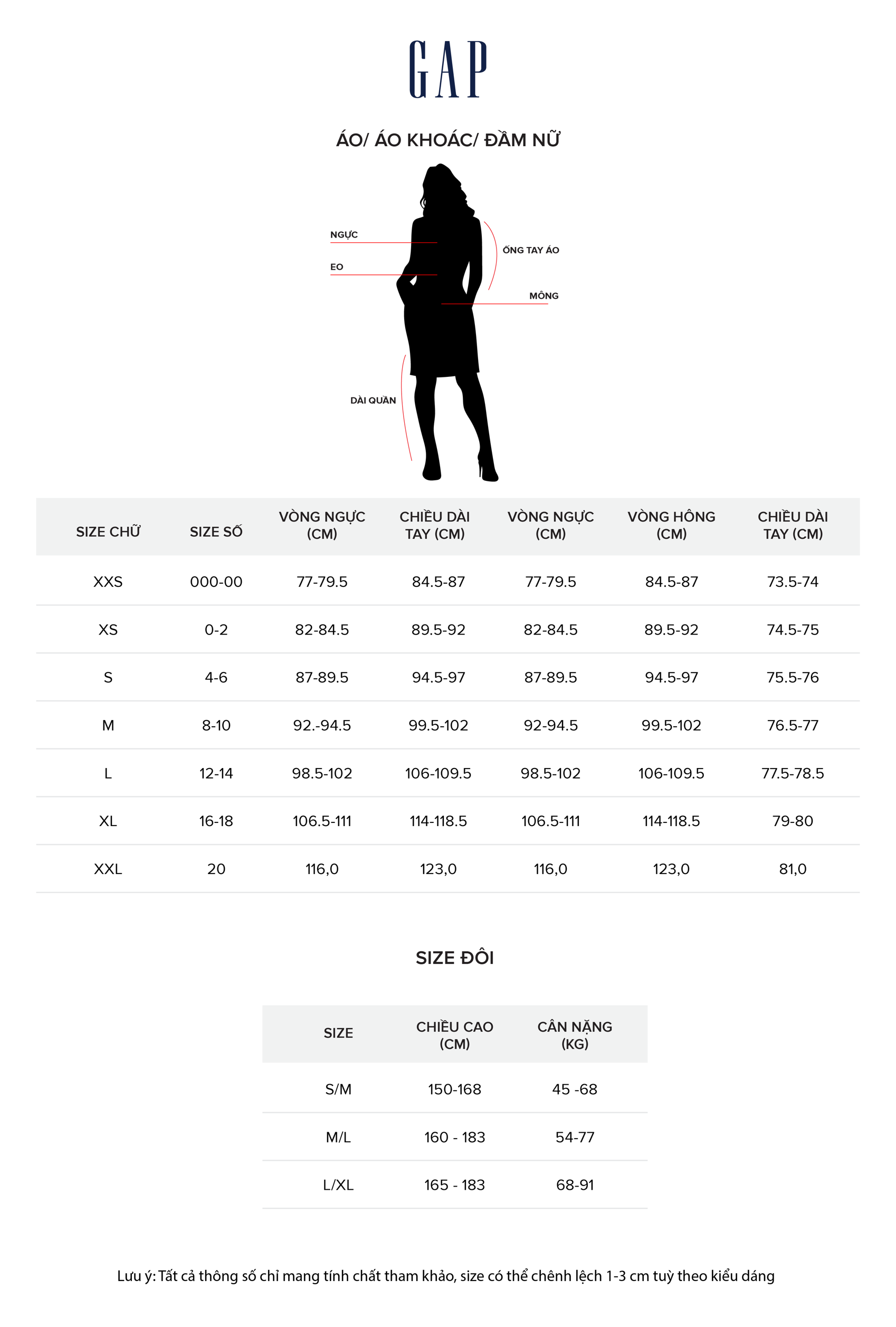
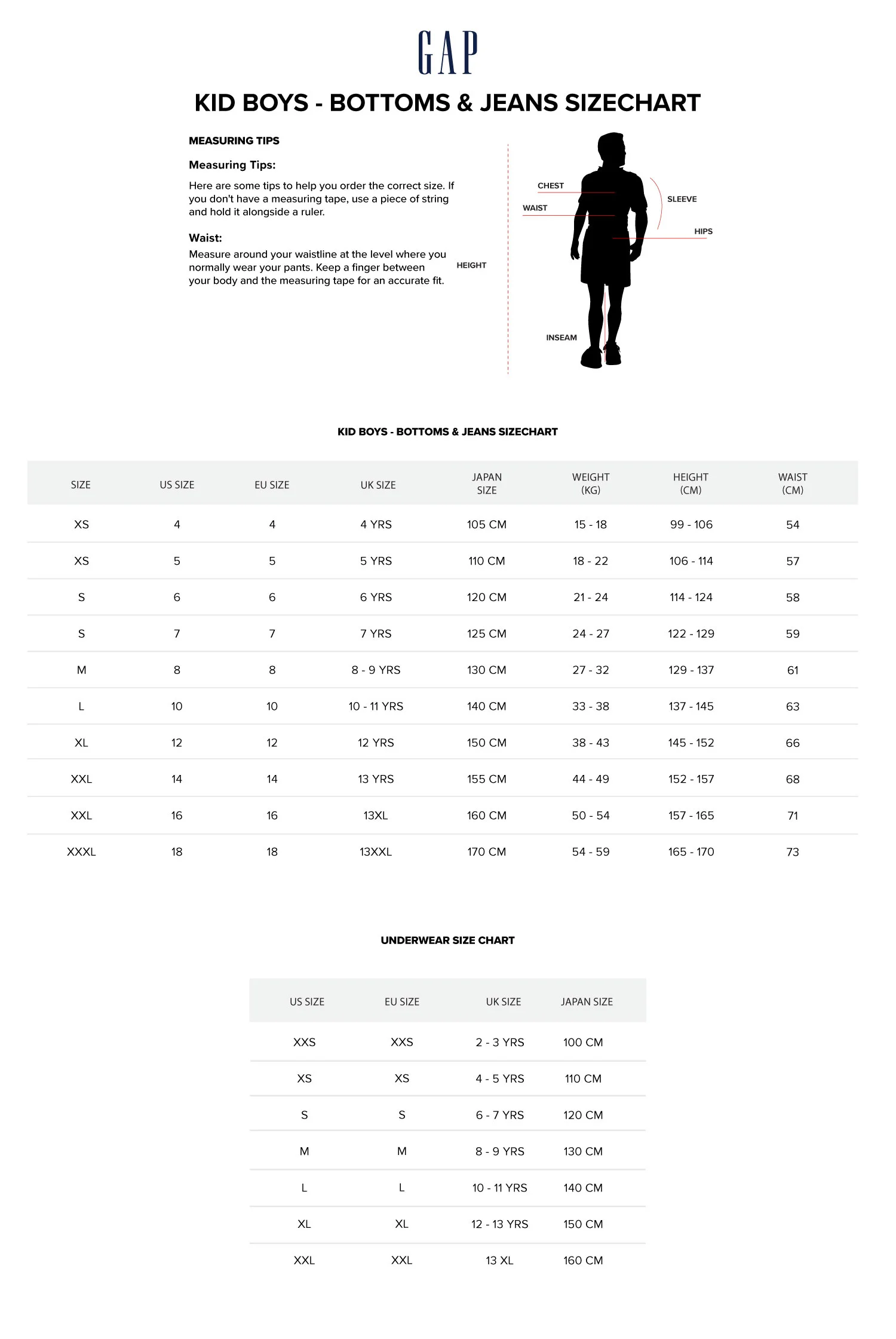
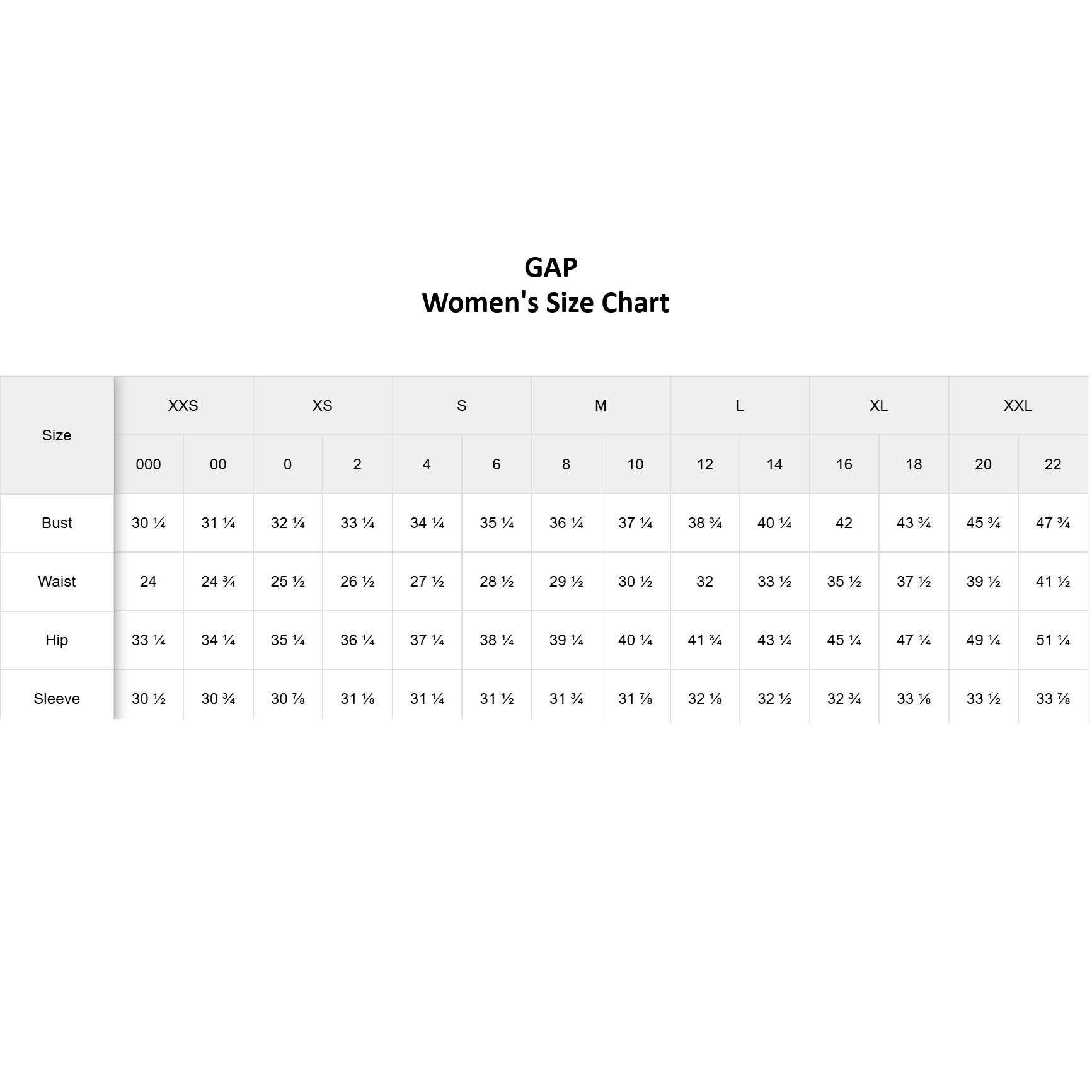
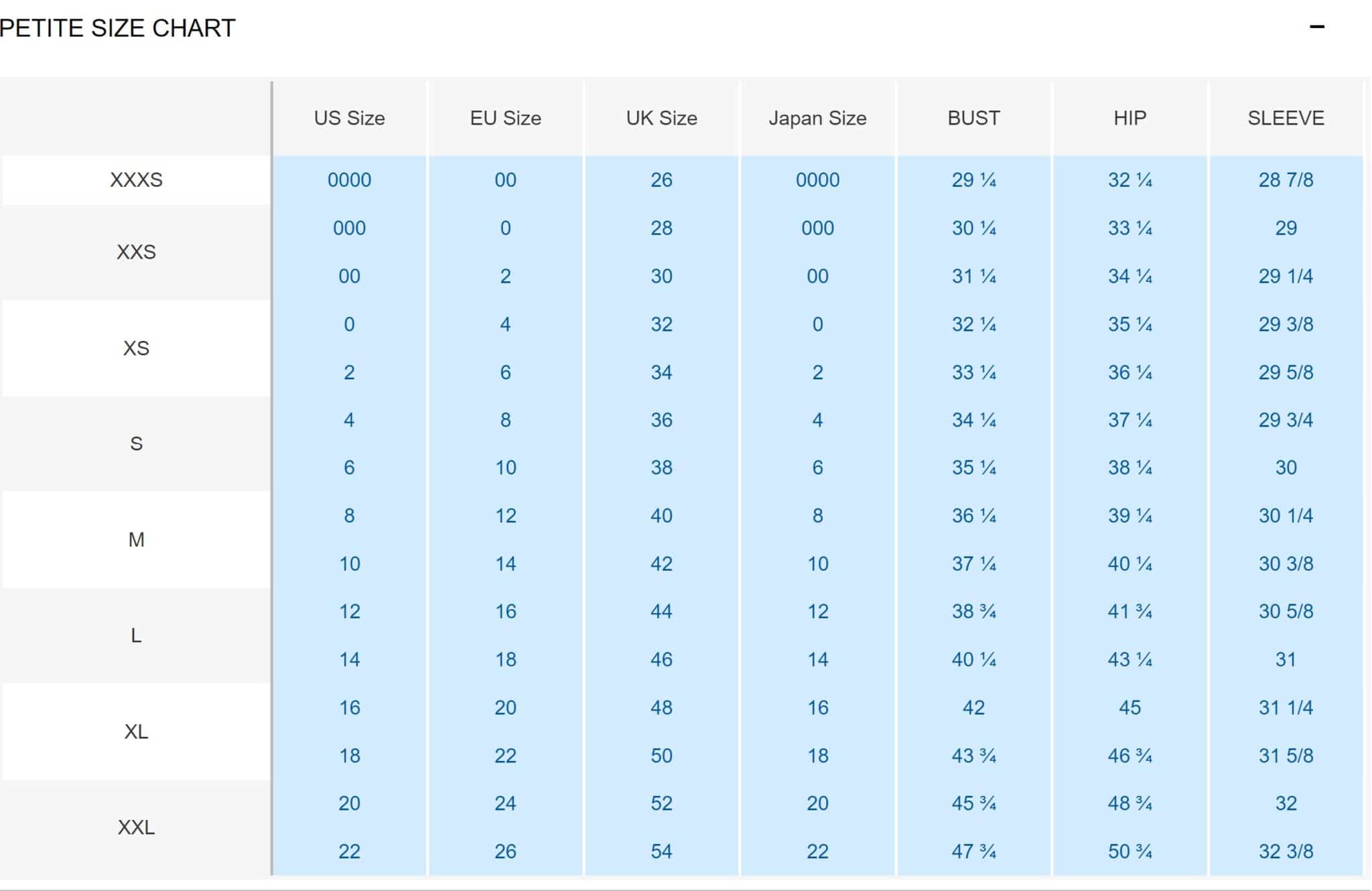
Many people often overlook the importance of a gap size chart, assuming it's just a simple diagram with little practical use. However, this chart is a valuable tool, offering precise guidance that ensures accurate measurements and quality control. It's a quick reference, providing the information needed to understand the gap sizes and their significance in various applications. These charts can vary depending on the industry and standards, but their purpose remains the same: to provide clarity and consistency.
Understanding Gap Size Charts
A gap size chart is a handy reference tool used in various industries, especially manufacturing and engineering. It provides a clear and concise way to understand and communicate the sizes and tolerances of gaps or clearances between two objects or surfaces. This chart is a crucial guide for ensuring precise measurements and maintaining quality standards.
Key Details and Categories
The gap size chart typically includes two main categories: the nominal gap size and the tolerance range. Nominal gap size refers to the intended or designed size of the gap, often expressed in millimeters or inches. This value is the target measurement. The tolerance range, on the other hand, defines the acceptable variation or deviation from the nominal size. It is usually shown as a plus/minus value, indicating the maximum and minimum acceptable limits. For example, a nominal gap size of 5 mm with a tolerance of ±0.2 mm means the actual gap can vary between 4.8 mm and 5.2 mm.
Interpreting the Chart: A Step-by-Step Guide
To use a gap size chart effectively, follow these steps:
Identify the Nominal Size: Locate the nominal gap size you need on the chart. This is usually listed in ascending or descending order, making it easy to find.
Check the Tolerance: Next to the nominal size, you'll find the tolerance range. This range defines the acceptable variation. Ensure the actual gap size falls within this range.
Consider Context: Remember that the chart provides a general guide. In some cases, specific projects or industries may have unique requirements. Always double-check any critical applications or when precise tolerances are essential.
Variations and Differences
While gap size charts provide a standardized reference, variations can occur due to several factors:
Manufacturing Standards: Different industries or regions may follow specific standards, such as ISO or regional guidelines, which can influence the nominal sizes and tolerances.
Application-Specific Needs: Certain applications, like aerospace or medical devices, may require tighter tolerances or unique gap sizes.
Material and Process: The choice of materials and manufacturing processes can impact the achievable tolerances.
Environmental Factors: Operating conditions, such as temperature and pressure, can affect the actual gap size.
It's essential to consider these factors when using a gap size chart to ensure accurate and reliable results. Always refer to relevant standards and guidelines for your specific application.
Well, there you have it! A gap size chart is a handy tool, and now you know how to use it effectively. Remember, these charts provide a great starting point, but it's always wise to check the specific requirements for your project. Exact values might differ slightly across different standards or sources, so a quick double-check never hurts.
Consider this blog post your go-to reference guide. No need to scour the internet every time you need a gap size chart. Just bookmark this page, and you'll have all the info you need at your fingertips!
Related: Understand Nipple Size Chart: A Simple Guide
You're probably here because you need a quick answer, a simple guide to help you understand nipple size charts and their purpose. It's a common query, and these charts are more useful than you might think! They provide a straightforward way to measure and compare nipple sizes, often alongside other breast-related measurements. While the values may vary depending on the source, a nipple size chart can be a handy reference tool, especially when paired with a bra size guide or areola size chart.
Understanding the Nipple Size Chart
The nipple size chart is a handy reference tool that provides a standardized way to measure and categorize nipple sizes. It offers a simple and visual guide to help individuals understand their nipple dimensions and find the right products or solutions based on size. This chart is particularly useful for those seeking nipple piercings, nipple jewelry, or even nursing aids, as it ensures a comfortable and accurate fit.
Key Details and Categories
The nipple size chart typically displays nipple diameters, measured in millimeters (mm) or inches, depending on the standard being used. It categorizes nipples into size ranges, often with labels like "Small," "Medium," "Large," and so on. These categories provide a quick reference for individuals to identify their nipple size without the need for precise measurements.
Reading the Measurements: A Step-by-Step Guide
Start by locating the chart's measurement scale. This scale will typically run along one edge of the chart, indicating the nipple diameters in either mm or inches.
Next, identify the category labels. These labels, such as "Small," "Medium," or "Large," are usually positioned above or below the measurement scale, indicating the size range.
To determine your nipple size, measure the diameter of your nipple using a ruler or a specialized nipple gauge. Ensure you measure from the base of the nipple, where it meets the areola, to the tip.
Compare your measured diameter to the scale on the chart. Find the corresponding size category, and you've identified your nipple size!
Common Variations and Differences
It's important to note that nipple size charts may vary depending on the standard or region. For instance, a chart designed for the US market might use inches as the unit of measurement, while an international chart might use millimeters. Additionally, some charts may provide more detailed size categories, especially for specialized products like nipple jewelry, which require precise sizing.
Mistakes to Avoid
One common mistake is assuming that all nipple size charts are the same. Always check the units of measurement and the source of the chart to ensure it aligns with your needs. Another pitfall is relying solely on category labels without measuring your nipples. While categories provide a quick reference, precise measurements are essential for an accurate fit, especially for delicate items like piercings or jewelry.
Practical Tips for Accurate Results
When measuring your nipples, ensure you're in a relaxed state. Nipple size can vary slightly depending on factors like temperature and arousal, so it's best to measure when you're comfortable and at rest. If you're measuring for piercings or jewelry, consider consulting a professional piercer or a medical professional for guidance and to ensure you're using the correct techniques and tools.
Double-Checking and Edge Cases
While the nipple size chart provides a useful guide, it's not an exact science. Individual variations and unique anatomical features can sometimes fall outside standard size categories. In such cases, it's essential to consult a professional or the manufacturer's guidelines for specific products. They may provide additional sizing information or custom solutions to accommodate unique nipple sizes.
Hey there, we've covered a lot of ground on this topic, and I hope it's been helpful! Remember, when it comes to nipple size charts, the exact measurements can vary slightly depending on the source or standard you're using, so it's always good to double-check.
This guide aims to provide a straightforward reference, but every body is unique, and so are their measurements. So, if you ever need a quick reminder or want to explore other related topics, feel free to bookmark this page for future use. It's always handy to have these practical guides at your fingertips!
Related: Understand Your Hair Level Chart Easily
You're probably here because you need a quick solution, right? Well, if you're looking for a simple guide to understanding hair length, the hair level chart is a handy tool. It's like having a secret code to deciphering those tricky hair measurements. This chart, a simple yet effective reference, can help you determine your hair's growth and length accurately. From there, you can explore various hair growth charts, length guides, and even styling tips tailored to your hair's level.
Understanding the Hair Level Chart: A Quick Overview
The hair level chart is a useful tool for anyone interested in hair care and styling. It provides a visual representation of hair length, offering a standardized way to measure and communicate hair length. This chart is especially handy for professionals in the hair industry, ensuring consistency in haircuts and styles.
Comparing Hair Level Chart Standards and Formats
There are a few different standards and formats for hair level charts. The most common one is based on the hair growth chart, which typically uses a numerical scale. This scale ranges from 1 to 10, with each number representing a specific hair length. For example, level 1 might indicate very short hair, while level 10 represents extremely long hair.
Another format uses descriptive terms, such as "short," "medium," and "long," to categorize hair lengths. This method is often used in everyday conversations and provides a more general idea of hair length. However, it lacks the precision of numerical scales.
Measuring Hair Accurately: A Step-by-Step Guide
To use the hair level chart accurately, follow these simple steps:
- Start by determining your current hair length. You can do this by measuring your hair from the scalp to the tip.
- Compare your measurement to the chart. Look for the closest match on the numerical scale or find the descriptive term that best describes your hair length.
- If you're using a numerical scale, you might find your hair length falls between two levels. In such cases, you can estimate or round up to the nearest level.
- Once you've identified your hair level, you can communicate it to your hairstylist or use it as a reference for styling and product choices.
Common Misconceptions and Pitfalls to Avoid
While the hair level chart is a practical tool, there are a few things to keep in mind:
- Hair length can vary depending on factors like hair type, texture, and individual growth rates. So, while the chart provides a standard, your personal hair characteristics may influence the accuracy of the measurement.
- The chart might not cover all hair types and styles. For instance, some hairstyles, like dreadlocks or extensions, may require additional considerations.
- It's essential to measure your hair accurately. Ensure you measure from the scalp and consider the natural fall of your hair.
- Remember, the chart is a guide, and individual preferences may vary. Feel free to adjust the level based on your desired style and comfort.
By understanding these factors, you can use the hair level chart effectively and make informed decisions about your hair care and styling.
Well, there you have it! A handy hair level chart can be a great tool to ensure you're getting the right products and services for your hair type. It's always a good idea to refer to these charts and guides, but remember, every head of hair is unique, so make sure to consider your specific needs and goals.
Feel free to explore our other guides and resources; we've got plenty of practical tips and tricks to help you navigate the world of hair care and styling. Happy hair adventures!