





Dinosaur Coloring Pages Spinosaurus Overview
Many individuals may mistakenly believe that chart square roots are solely for advanced mathematical pursuits. However, this couldn't be further from the truth! These charts are incredibly accessible tools, offering a simple and visual way to understand and calculate square roots. A chart square root provides an organized layout, allowing users to quickly reference and identify the square root values they need.
A Quick Overview
The chart square roots is a valuable tool for quickly finding the square root of a given number. It is a reference guide, often presented as a table, that displays a range of numbers and their corresponding square roots. This chart is an efficient way to estimate and calculate square roots without the need for complex calculations.
Comparing Formats and Standards
Square root charts can vary in their presentation and format. While the core concept remains the same, you might encounter different layouts and styles. Some charts are designed for specific number ranges, while others cover a broader spectrum. It's essential to choose a chart that aligns with your needs and the standards you are working with. Common variations include charts with decimal places or those tailored for scientific or engineering applications.
Step-by-Step Guide to Using the Chart
Using a chart square root is straightforward. Here's a simple guide:
- Identify the number for which you need to find the square root. Let's say you want to find the square root of 16.
- Locate the number on the chart. In this case, you'll find 16 in the number column.
- Read across the row to find the corresponding square root value. For 16, the square root is 4.
- If your number is not an exact match, you can estimate the square root by interpolation. For instance, if you need the square root of 16.5, you can estimate it as a value between the square roots of 16 and 25.
Avoiding Common Misreadings and Pitfalls
While the chart square roots is a user-friendly tool, there are a few common mistakes to avoid. Firstly, ensure you are using the correct chart for your number range. Using a chart designed for larger numbers might not provide accurate results for smaller values. Additionally, be cautious when reading decimal places. Some charts may display rounded values, so it's essential to check the chart's precision.
Factors Affecting Accuracy and Real-World Use
The accuracy of a square root chart depends on various factors. The chart's precision, the number range it covers, and the specific application all play a role. For critical calculations, it's advisable to double-check results using a square root calculator or the square root formula. While charts provide quick estimates, they might not account for all real-world variations and tolerances.
Choosing the Right Format for Your Needs
When selecting a chart square root, consider your specific requirements. If you often work with large numbers, a chart designed for extensive ranges might be more practical. For educational purposes or basic calculations, simpler charts with a limited number range can be sufficient. Additionally, think about the units you need. Some charts display results in different units, so choose one that aligns with your measurement system.
Well, there you have it! A comprehensive guide to chart square roots, covering all the bases. We've explored the different formats, walked through the process, and even addressed some common pitfalls.
Remember, when it comes to accuracy, your specific context matters. Double-check the standards and sources relevant to your needs, as exact values may differ slightly. It's always good to be precise! Feel free to explore our other guides; we've got plenty of resources to keep you informed and inspired. Happy learning!
Related: Custom Home Renovations Essential Guide
"Wow, this house is looking a little tired. I'd love to give it a fresh, custom home renovation, but where do I start?"
All About Custom Home Renovations
Custom home renovations are all about transforming your living space to fit your unique needs and style. It's a big project, but the results can be amazing! Whether you're looking to modernize an old home, add an extension, or completely redesign a room, renovations offer a chance to create something truly special.
The process involves a few key steps. First, you'll need to plan and design your renovation. This is where you decide on the scope of work, choose materials and finishes, and create a budget. It's important to be clear on your vision and communicate this to your chosen contractor or builder.
Finding the Right Contractor
Hiring a contractor is a crucial step. You'll want to find a reliable, experienced professional who understands your vision. Check their qualifications, ask for references, and ensure they're licensed and insured. Get multiple quotes and compare them based on cost, timeline, and the level of detail provided. A good quote should cover all aspects of the job, including materials, labor, and any potential extra costs.
Costs and Budgeting
The cost of custom home renovations can vary widely. It depends on factors like the size and complexity of the project, the materials used, and labor costs in your area. To keep costs down, consider doing some of the simpler tasks yourself, like painting or basic plumbing. But for more complex work, it's best to hire professionals to ensure a safe and high-quality job. Always get written quotes and compare them to stay within your budget.
Construction and Project Management
Once you've hired a contractor, the construction phase begins. This is where the magic happens! Your contractor will manage the project, coordinate with subcontractors, and ensure the work is completed to a high standard. They'll also handle any necessary permits and inspections. It's important to stay in touch with your contractor during this phase to discuss any changes or concerns.
Company Names and Branding
If you're in the construction business, choosing a company name is key. A good name should be memorable, unique, and reflect your brand. It should also be easy to search for online. Here are a few ideas:
- Build-It-Right
- Home Transformations
- Custom Creations
- Modern Renovations
Remember to check name availability and secure your domain and local registration.
Industry Tools and Data
In the construction industry, tools like RSMeans provide valuable cost estimating data. These resources help contractors and estimators price jobs accurately. They consider factors like labor rates, material costs, and local market conditions. It's a great way to ensure fair pricing and stay competitive.
Construction Jobs and Salaries
The construction industry offers a range of roles, from general contractors to specialized tradespeople. Salaries vary depending on experience, qualifications, and the type of work. Estimators, for example, play a crucial role in pricing projects accurately. They use tools like cost databases and escalation indexes to provide accurate quotes.
Large vs. Small Companies
The construction industry has a mix of large and small companies. Large firms often have more resources and can take on bigger projects, but they may be less flexible. Smaller companies can offer more personalized service and may be better suited to smaller, custom jobs. It's a matter of finding the right fit for your project.
So, if you're thinking of a custom home renovation, take the time to plan, research, and find the right team. It's an exciting process that can transform your home and create a space you'll love.
Related: How To Remodel Painting Easy
I'm getting ready to tackle a how to remodel painting project and it's a bit daunting. I mean, where do I even start? I've never done this before and I want to make sure I do it right. So, I've been doing some research and I've learned a few things that I think might help others in a similar situation.
Understanding the Process
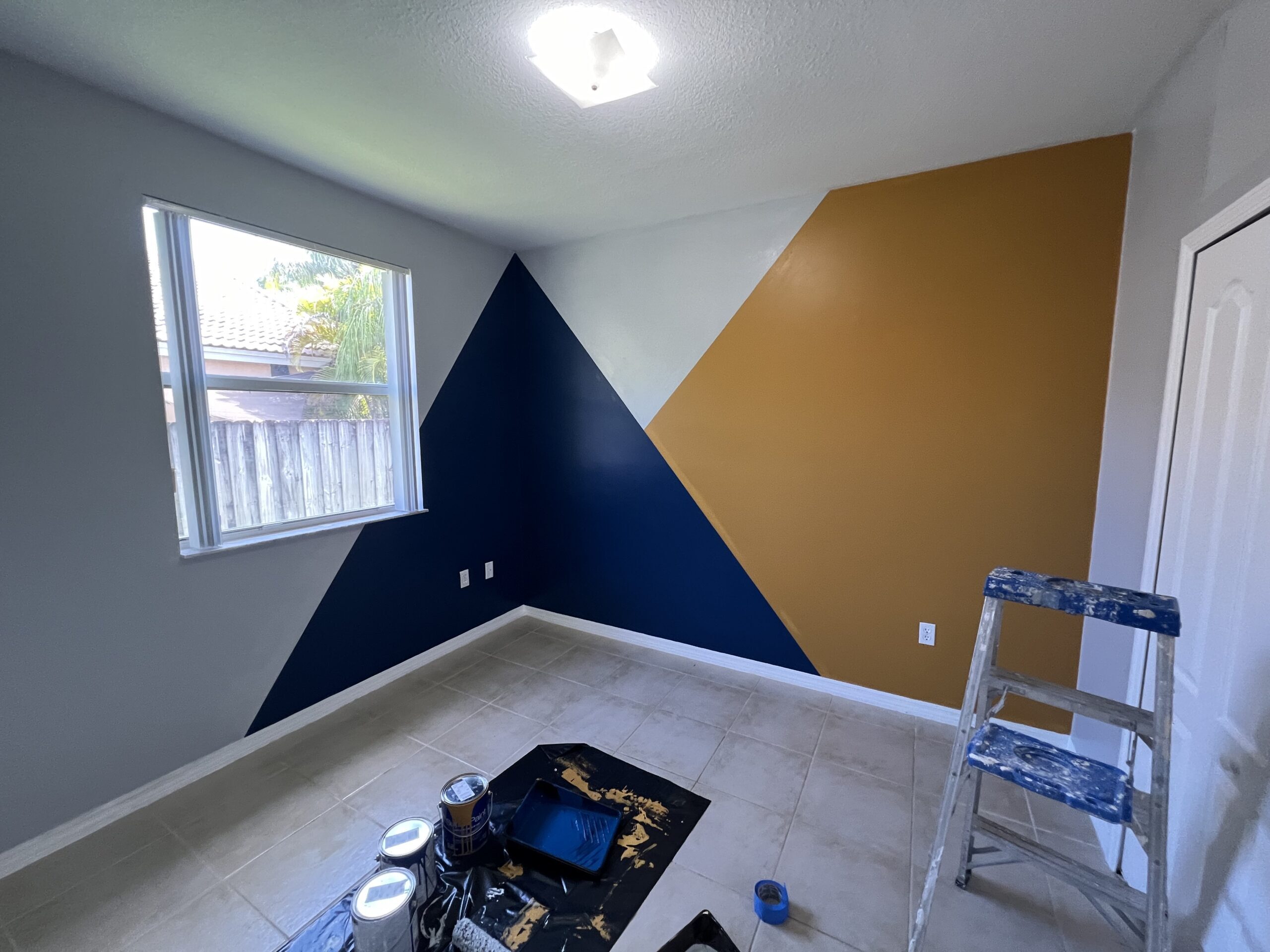
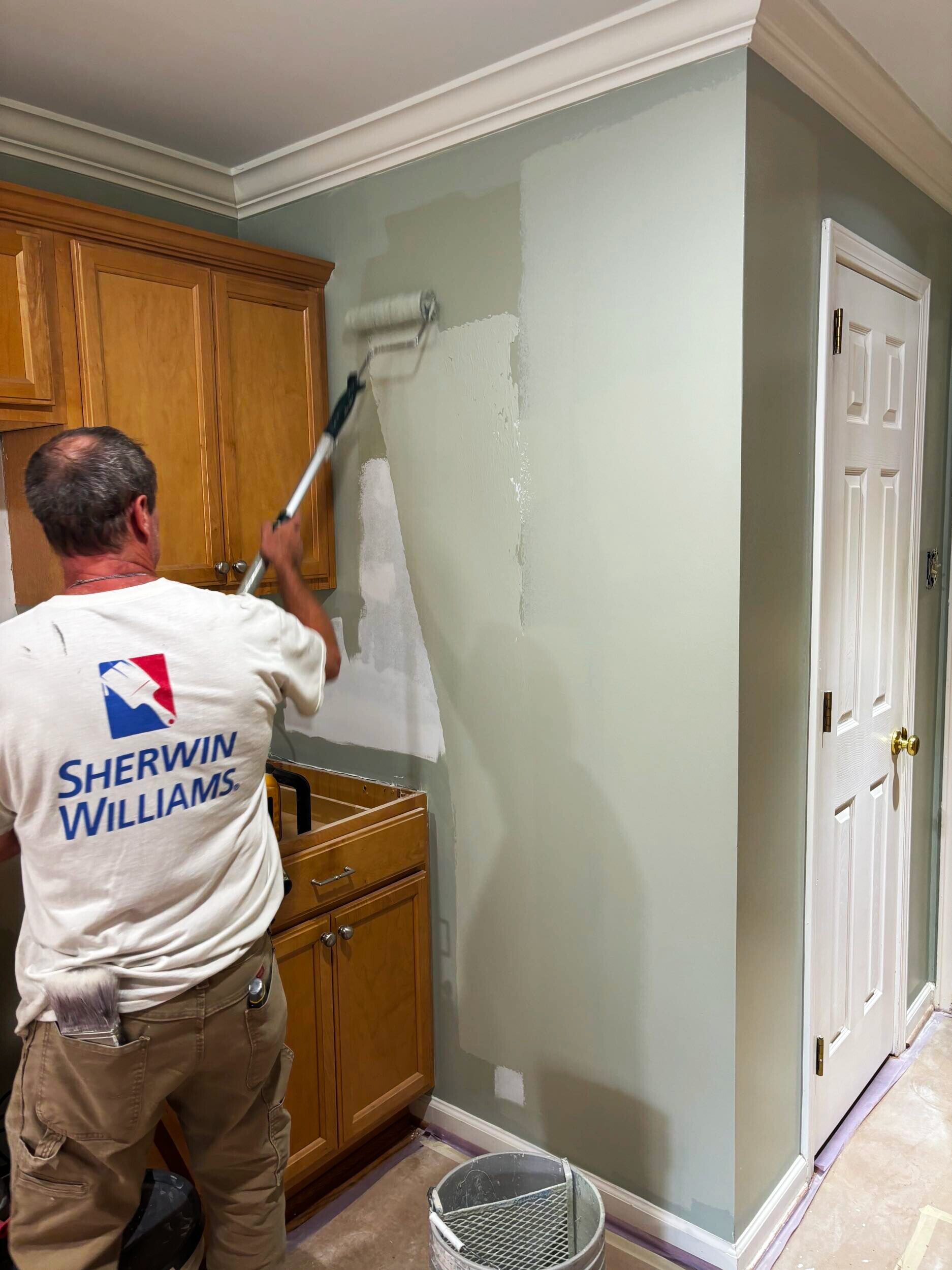
How to remodel painting is a specific type of home remodeling project that involves updating the look and feel of a room or space through a fresh coat of paint. It's a great way to transform a space without a major renovation, and it can be a fun and creative process. But, it's important to know what you're getting into and how to navigate the world of painting contractors and costs.
The first step is to assess the scope of your project. Consider the size of the space, the number of rooms, and the type of paint you want to use. This will impact the overall cost and the time it takes to complete the job. You'll also need to decide if you want to tackle the project yourself or hire a professional.
Hiring a Contractor
If you decide to hire a contractor, there are a few things to keep in mind. First, get multiple quotes. Compare prices, but also consider the quality of the work and the reputation of the company. Check online reviews and ask for references. A good contractor will be transparent about their process and pricing.
When comparing quotes, look for a detailed breakdown of the costs. This should include labor, materials, and any additional services like preparation work or special finishes. Make sure the quotes are for the same scope of work so you can make an apples-to-apples comparison.
Company Names and Reputation
The construction and remodeling industry is full of companies with unique names. A good company name should be memorable, easy to spell and pronounce, and reflect the nature of the business. It's also important to check the availability of the name and secure the relevant domain and local business registrations.
Some example names could be:
- Brushstroke Builders
- Colorful Creations
- Fresh Coat Pros
- Paint Perfect Pros
- Wall Wizards
- The Paint Pros
Construction Jobs and Salaries
The construction industry offers a range of jobs, from general contractors to estimators and project managers. Salaries can vary depending on experience, location, and the size of the company. It's a diverse industry with opportunities for growth and specialization. Many construction companies post job openings on their websites, and there are also dedicated construction job boards online.
Industry Tools and Data
Tools like RSMeans provide valuable data for the construction industry. They offer cost databases and escalation tools that help contractors and estimators calculate and manage project costs. This data is essential for accurate quotes and project planning. It ensures that costs are estimated correctly and that projects are profitable.
Large vs. Small Companies
The construction industry is diverse, with both large and small companies. Large companies often have more resources, allowing them to take on bigger projects and offer a wider range of services. They may also have more specialized staff. Small companies, on the other hand, can offer a more personalized service and may be more flexible in their approach.
Final Thoughts
How to remodel painting is a great way to update your home, and with the right approach, it can be a smooth and satisfying process. Remember to do your research, get multiple quotes, and choose a contractor who suits your needs and budget. It's a fun project that can really transform a space, so enjoy the process and the results!